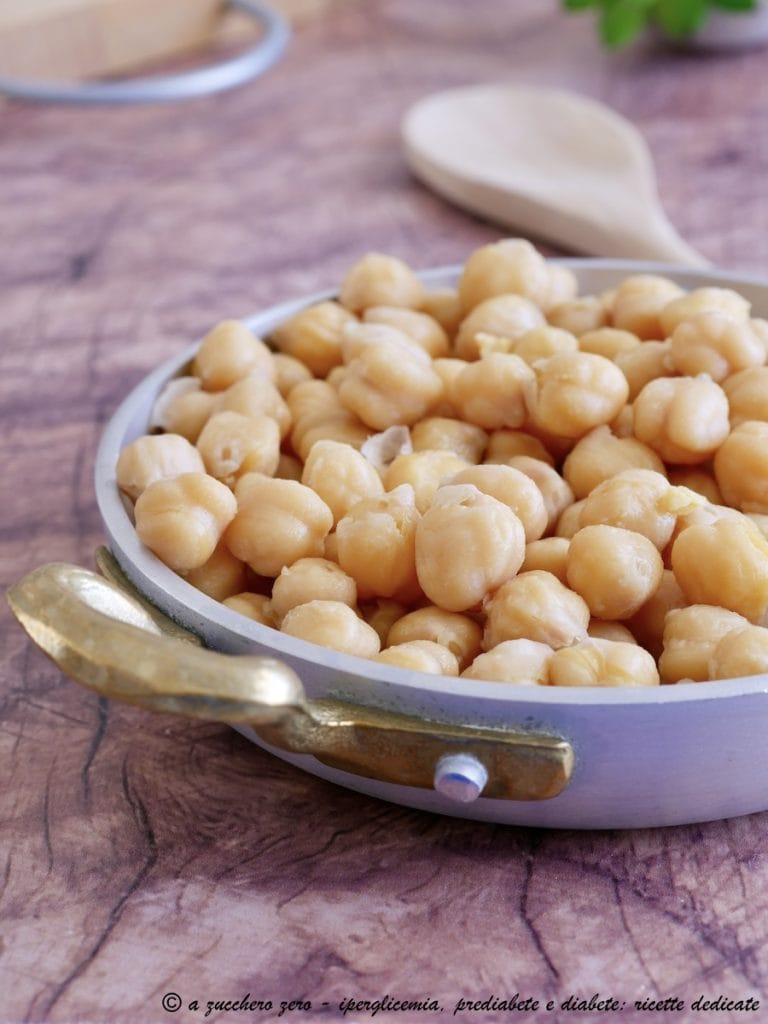
My basic recipe for cooking chickpeas is perfect as a soup or as a base for appetizers, first or main courses.
Soaking
Remember that dried legumes need a soak of 12-24 hours, during which it is good to change the water a couple of times and then rinse them well before cooking.
Choosing chickpeas
I prefer to buy locally sourced chickpeas.
Cooking in a pressure cooker
Cooking chickpeas in a pressure cooker reduces cooking times and makes them softer and more digestible.
Dialect curiosity
In Sicilian chickpeas are called “ciciri”.
From this comes a popular saying: “amuri è bruoru ri ciciri” meaning “love is chickpea broth” to describe a light love that is easily digested just like a simple chickpea broth.
Traditionally chickpeas were cooked with pork rind – the cutini.
In my kitchen I prefer them simple, digestible and light.
You might be interested in:
- Difficulty: Easy
- Cost: Low cost
- Rest time: 12 Hours
- Preparation time: 20 Minutes
- Cooking time: 30 Minutes
- Portions: 2 Servings
- Cooking methods: Pressure cooker
- Cuisine: Italian
Ingredients
- dried chickpeas (2 servings, weight according to your dietary plan)
- 1 bouillon cube (homemade vegetable bouillon, optional)
- 1 pinch baking soda
- water (equal to twice the volume of the chickpeas)
- to taste salt
- 1 drizzle extra virgin olive oil (for finishing (uncooked))
I usually prepare extra portions to have a convenient supply to freeze [meal prep].
Suggested tools
- 1 Colander fine mesh
- 1 Bowl or salad bowl
- Pressure cooker
Preparation
Spread the chickpeas out on a work surface and check them carefully, removing any impurities or small stones.
Soaking makes chickpeas soft and helps release anti-nutrient substances into the water.
The soaking water should not be used for cooking.– wash and rinse the dried chickpeas well until the water runs clear;
– soak for about 12 hours, changing the water a couple of times;
– rinse the hydrated chickpeas well before cooking.Waste-saving tips
Use a fine-mesh colander or fuscelle [the perforated baskets used for fresh ricotta] to drain the legumes and collect the soaking water to water plants; not for food use.The hydrated and cleaned chickpeas are ready to be poured into the pot.
Before you start
– always consult your pressure cooker manual;
– check that valves and gaskets are clean;
– do not exceed the maximum fill line indicated inside the pot.In the pressure cooker add:
– the chickpeas;
– a vegetable bouillon cube [optional];
– a pinch of baking soda to further soften the chickpeas during cooking without them falling apart;
– water equal to twice the volume of the chickpeas.
Close the pot.
Always check that the gasket is properly seated and the valve is clear.
Bring to a boil over medium-high heat until the pot reaches pressure and the valve emits the typical whistle.
Once at pressure, lower the heat and cook for about 20 minutes.
Turn off the heat, let the steam release completely then open the lid carefully and away from your face.
Add salt now and not at the start of cooking to avoid the legume skins hardening and making cooking longer.If you use an electric pressure cooker (like an Instant Pot), the steps are similar but the controls differ.
Your digestible and light chickpeas are ready.
In the basic recipe they are perfect as a soup or as a base for appetizers, first or main courses.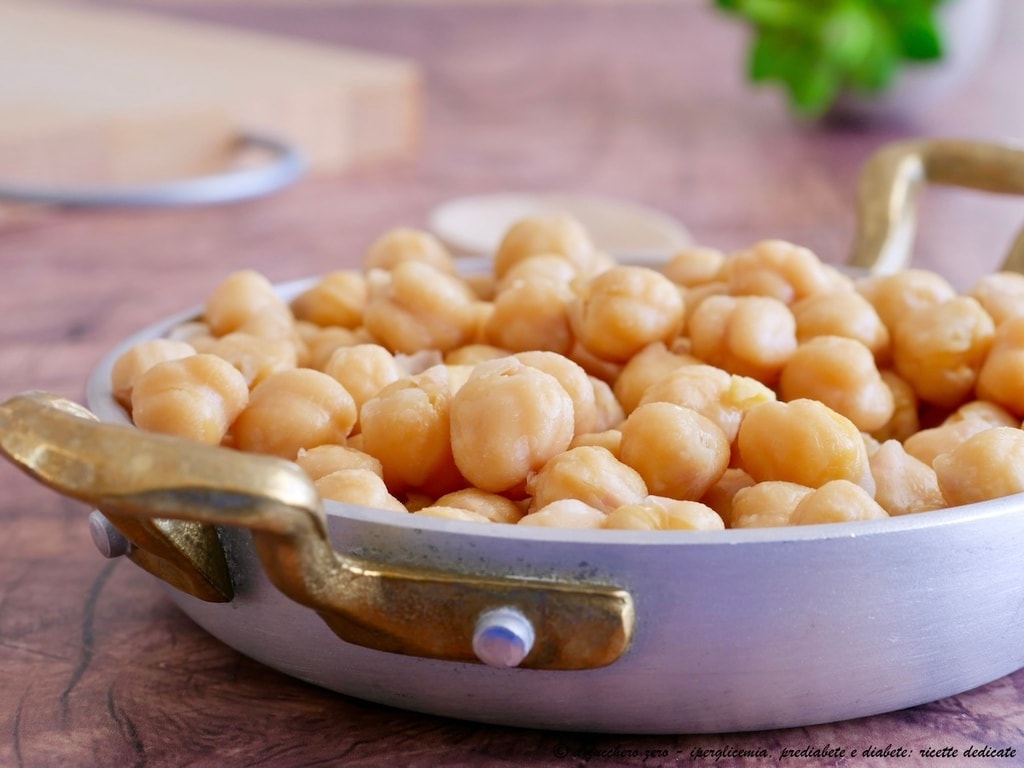
Plate and finish with a drizzle of extra virgin olive oil to enjoy them at their best.
Enjoy your meal!
After cooking remove the skins or cuticles from the chickpeas.
Alternatively use hulled chickpeas.This method also works for beans and broad beans.
For lentils, split lentils and split peas or mixed legumes I use the IMCO pot or a traditional pot instead.
Storage, tips and variations
Storage
Store cooked chickpeas in airtight containers:
– in the fridge for up to 3-4 days;
– in the freezer for up to 3 months.
It is advisable to drain the legumes before freezing: nutrient loss is minimal but in the context of freezing it is a useful choice:
– better preservation without ice crystals;
– faster thawing;
– versatility: drained legumes are more practical to use in different recipes.
The amount of nutrients lost is minimal: most of the nutrients remain in the legume itself and many of these substances would degrade anyway during freezing and subsequent reheating.
Let the legumes cool completely, drain and portion them.
If you want to recover everything, you can use the cooking liquid immediately or freeze it separately.
When you thaw them, you can reintroduce the liquid by adding water or vegetable broth.
If you plan to use them in brothy dishes like soups or veloutés you can freeze them with some of their cooking liquid, making sure the container is suitable and there is room for expansion.
Tips and variations
As this is a basic recipe I cook the chickpeas simply.
If you prefer, you can add bay leaf or wild fennel.
With the heat off add a sprig of rosemary and a few sage leaves.
FAQ – Questions and Answers
Tips on how to pair legumes
In short:
– legumes + cereals [bread, pasta or rice preferably wholegrain] = correct pairing;
– legumes + proteins = correct pairing.
To delve deeper into the topic read the article by clicking the following link: combining legumes in the diet.
For brothy first courses, to avoid blood sugar spikes, it is advisable to cook the pasta separately, then rinse it and add it to the prepared brothy sauce; in this way the starch released by the pasta into the cooking water is removed.How can I be sure the legumes are of Italian origin?
Legumes are often grown abroad and packaged in Italy.
Carefully check that the packaging indicates:
Origin: Italy; Grown in Italy; 100% Italian product.
The wording “EU” or “non-EU” means they come from different countries, for example Canada.