
Hello everyone, pastry lovers and sweet treat enthusiasts! If there’s one thing that never goes out of style in the kitchen, it’s custard cream. A true wild card, the base of endless sweet masterpieces: from grandma’s pies to filled puffs, from sponge cake to modern cakes. Or simply, a delight to enjoy by the spoon, perhaps still warm!
Today, I’m unveiling my classic custard cream recipe, the one that guarantees you a velvety texture, an enveloping flavor, and zero lumps. It’s light but dense enough, customizable in both fragrance and texture. Forget creams that “break” or those that are too runny! With my tips and tricks, you’ll prepare custard cream like a true professional, ready to turn every dessert into a work of art. Are you ready to discover the secrets of this creamy magic? Let’s get to work!
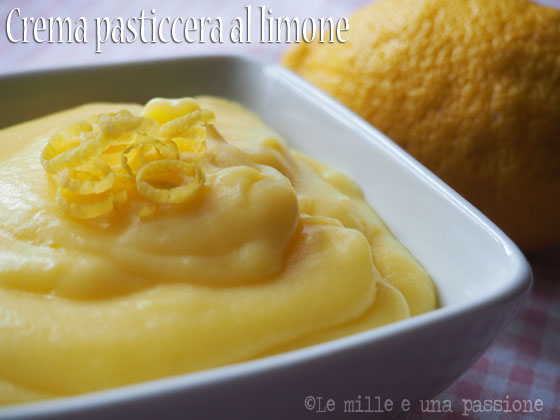
- Difficulty: Very easy
- Cost: Very economical
- Portions: 4People
- Cooking methods: Stovetop
- Cuisine: Italian
- Seasonality: All seasons
Ingredients for custard cream:
- 2 cups cups whole milk (or semi-skimmed for a lighter version)
- 4 egg yolks
- 4 oz oz granulated sugar
- 1 tablespoon all-purpose flour (heaped, about 0.7-0.88 oz)
- to taste lemon zest (or vanilla bean)
Tools
- 1 Small Pot
- 1 Hand Whisk
- 1 Strainer
- 1 Bowl
- 1 Wooden Spoon
Step by Step Procedure
Heat the milk: In a thick-bottomed pot, pour the milk. Place it over medium-high heat and heat it until it starts to simmer (but it shouldn’t boil!).
Flavor: While the milk is heating, add the lemon zest (only the yellow part, to avoid the bitter taste of the white part!) or the split vanilla bean. Allow the aromas to infuse well into the hot milk.
Why? Heating the milk with the aromas allows them to release their full fragrance, which will be absorbed by the cream.Whisk egg yolks and sugar: In a large bowl, place the egg yolks and the granulated sugar. Using a hand whisk, beat them vigorously for 2-3 minutes, until you achieve a light, fluffy, and frothy mixture, similar to a pale cream.
Tip: This step is crucial! Work the yolks and sugar well to incorporate air and make the mixture light, so the flour will dissolve better.
Add the flour: Gradually add the heaped tablespoon of all-purpose flour to the egg and sugar mixture. Continue mixing with the whisk until the flour is completely incorporated and there are no more lumps. The mixture will be dense and homogeneous.
Why gradually? Adding the flour slowly prevents lump formation, ensuring a smooth cream.Strain the hot milk: Remove the milk from the heat. With a strainer, filter the hot milk to remove the lemon zest or vanilla bean.
Temper the mixture: Pour a ladle of filtered hot milk into the egg yolk and flour mixture, stirring vigorously with the whisk. This helps to “temper” the egg mixture, preventing it from cooking too quickly when you add the rest of the milk.
Combine the rest of the milk: Gradually add the rest of the hot milk to the egg mixture, continuing to mix with the whisk until you obtain a smooth and uniform liquid.
Cook over heat: Transfer the entire mixture back into the pot (the one where you heated the milk). Place the pot over low-medium heat.
Stir continuously: Now is the time not to get distracted! Stir continuously with the hand whisk, scraping the bottom and sides of the pot well, for about 3-5 minutes. As it heats up, you’ll see the mixture starting to thicken.
Why stir continuously? To prevent the cream from sticking to the bottom and forming lumps or burning. When it starts to “write” (i.e., the whisk’s mark remains for a moment on the surface), the consistency is perfect!
Remove from heat: As soon as the cream reaches the desired thickness (it should coat the spoon), remove it immediately from the heat.Transfer: Pour the hot custard cream into a clean and cold ceramic or glass container.
Cover with contact: Cover the surface of the cream with cling film in contact, i.e., making the film adhere well to the cream itself.
Why cover with contact? This prevents the formation of the annoying “skin” on the surface of the cream as it cools.
Cool: Let the cream cool first at room temperature, then transfer it to the refrigerator for at least 2-3 hours. It will be ready when it’s well chilled and compact.
Extra Tip: If you’re in a hurry, you can cool the cream bowl in a larger one containing ice water, stirring occasionally.
Tips, Notes, and Variations
The right consistency: If the cream seems too runny after 5-7 minutes of cooking, continue to cook for a few more minutes, always stirring. If, on the other hand, you want it less dense for spoon use, you can decrease the flour by half a tablespoon.
Intense lemon aroma: For an even more citrusy scent, you can grate a little fresh lemon zest (only the yellow part!) even at the end of cooking, mixing it into the hot cream.
The basis of everything: This cream is perfect as it is, but it’s also the base for many other delicacies!
– Diplomatic Cream (or Chantilly): Once the custard cream is well chilled, gently combine it with 200 ml of whipped fresh cream. It will result in a softer and lighter cream, ideal for filling cakes, sponge cakes, and pies requiring a more delicate cream.
– Chocolate Custard Cream: For chocolate lovers! Add 100-150 g of chopped dark chocolate to the custard cream just removed from the heat, mixing well until it melts completely. The result is a rich and irresistible cream!
– Coffee Custard Cream: Add 1-2 teaspoons of instant coffee (or 50 ml of strong coffee) to the hot milk along with the other aromas. A must for coffee lovers!
– Orange Custard Cream: Replace the lemon zest with untreated orange zest, or use part of orange juice instead of milk (e.g., 400 ml milk and 100 ml orange juice).
The right consistency: If the cream seems too runny after 5-7 minutes of cooking, continue to cook for a few more minutes, always stirring. If, on the other hand, you want it less dense for spoon use, you can decrease the flour by half a tablespoon.
Intense lemon aroma: For an even more citrusy scent, you can grate a little fresh lemon zest (only the yellow part!) even at the end of cooking, mixing it into the hot cream.
The basis of everything: This cream is perfect as it is, but it’s also the base for many other delicacies!
– Diplomatic Cream (or Chantilly): Once the custard cream is well chilled, gently combine it with 200 ml of whipped fresh cream. It will result in a softer and lighter cream, ideal for filling cakes, sponge cakes, and pies requiring a more delicate cream.
– Chocolate Custard Cream: For chocolate lovers! Add 100-150 g of chopped dark chocolate to the custard cream just removed from the heat, mixing well until it melts completely. The result is a rich and irresistible cream!
– Coffee Custard Cream: Add 1-2 teaspoons of instant coffee (or 50 ml of strong coffee) to the hot milk along with the other aromas. A must for coffee lovers!
– Orange Custard Cream: Replace the lemon zest with untreated orange zest, or use part of orange juice instead of milk (e.g., 400 ml milk and 100 ml orange juice).
Custard Cream Storage
Custard cream can be stored in the refrigerator for 2-3 days in an airtight container or with cling film in contact.
Freezing: You can also freeze it, but keep in mind that once thawed, its texture might be slightly less velvety and a bit more grainy. It’s still safe to consume and great for fillings where consistency isn’t the main factor.
FAQ – Custard Cream
How do I avoid lumps in custard cream?
The secrets are three: 1) work the egg yolks and sugar well until frothy, 2) add the flour gradually and mix well, 3) temper the egg mixture with a bit of hot milk before adding the rest, and 4) stir continuously over the heat.
My cream is too runny, what can I do?
Don’t worry! Put the pot back on low heat and continue stirring vigorously for a few minutes. It will thicken. If that’s not enough, dissolve another half teaspoon of flour in a little cold milk and add it to the hot mixture, stirring until it thickens.
Can I use cornstarch instead of flour?
Yes, absolutely! Cornstarch is a great substitute for all-purpose flour. It will give you an even shinier and more transparent cream. Usually, slightly less cornstarch is used compared to flour (e.g., 0.53-0.7 oz of starch for 2 cups of milk).
Why does my cream form a skin on the surface?
The skin forms due to water evaporation. To prevent it, cover the hot cream surface with cling film in contact, making it adhere well, before letting it cool.
And here you are, with your velvety and fragrant custard cream, ready to transform your desserts into true delights!
Did you see how, with a few tricks, you can achieve a professional and irresistible result?
This cream is a true wild card in the kitchen, the base to start from for endless creations. Whether you want to fill a pie, a puff, or simply enjoy it by the spoon, its goodness will conquer you.
What will be the first dessert you fill with your new, perfect custard cream? Let me know in the comments! And don’t forget to share this recipe with those who love classic flavors and sweet treats!
