
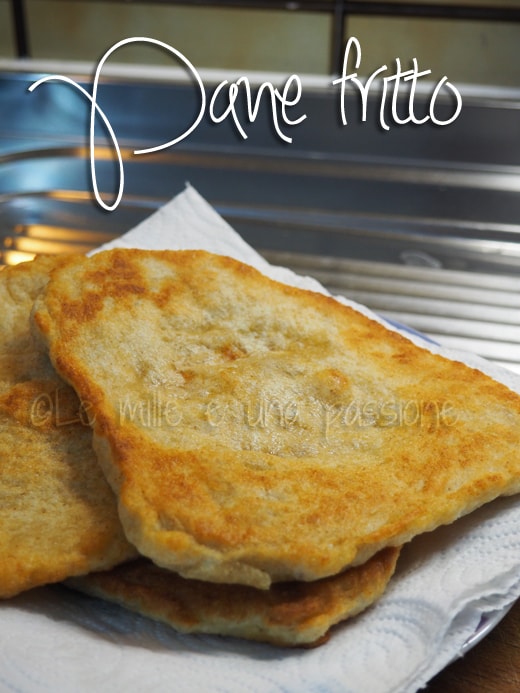
If there’s an aroma that can take me back in time, it’s that of fried bread, or as we call it here in the far south of Calabria: the guastella. A name with an ancient sound, likely originating from Sicily — it’s easy to imagine how certain traditions crossed the Strait together with fishermen, families, and stories intertwined for generations.
For me, however, the guastella is especially family. It’s the image of the wooden kneading board full of flour, the 50 kg of dough prepared all together, the laughter, the grandparents sitting there to make sure everything was done “properly.” And especially…
it’s my aunt frying the first pieces of bread, while we children waited impatiently, already with salt in hand, ready to snatch one as soon as it was drained. Crunchy, warm, and home-scented. A true celebration.
Today I carry on that tradition and turn it into a small, tasty appetizer, ready to serve even when you have guests: the same guastella as always, but in an elegant and single-serving version. Because some recipes deserve to continue living, reinventing themselves a bit, but without losing their soul.
- Difficulty: Easy
- Cost: Cheap
- Rest time: 1 Hour 30 Minutes
- Preparation time: 20 Minutes
- Portions: 8 Pieces
- Cooking methods: Frying
- Cuisine: Italian
- Seasonality: All seasons
Ingredients
Ingredients for 8 guastelle, about 2 per person
- 0.55 lbs durum wheat flour
- 8.82 oz all-purpose flour
- 0.18 oz fresh yeast
- 1.37 cups water (or 350 ml, depending on flour absorption)
- 0.35 oz Salt
- as needed peanut oil (or sunflower oil, for frying)
Tools
- 1 Bowl
- 1 Spoon
- 1 Pan
- Paper towel
- 1 Dish towel
- 1 Scale
- 1 Thermometer To check oil temperature
Preparation
Dissolve the yeast in a little warm water and mix it with half of the flour.
Add the salt and the remaining flour, working until you get a soft and smooth dough.
The dough should detach from the bowl without being sticky.
If the dough is too hard, add a few tablespoons of water at a time. Working it well helps the leavening and makes the guastelle lighter.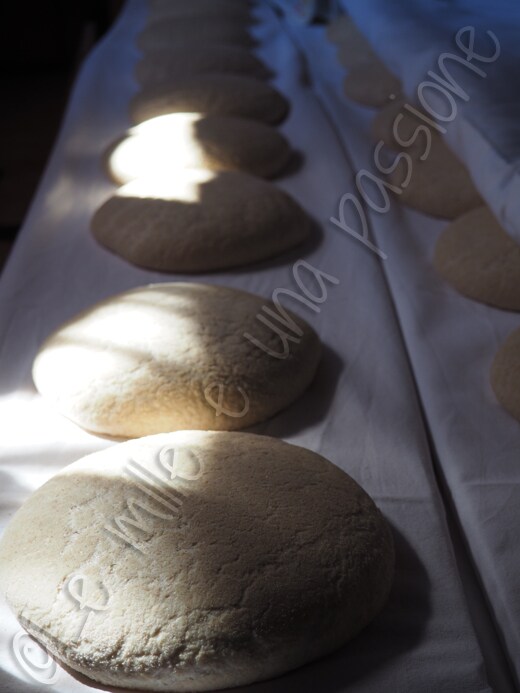
Divide the dough into loaves (if you followed the doses for 500 g of flour, make 2) and let them rest covered with a dish towel in a warm place.
Wait until the first cracks appear on the surface, a sign that the dough is ready for frying.Heat the oil in a pan with high edges (about 0.39–0.79 inches).
Divide each loaf into 4 pieces, flatten them slightly with your hands, and fry for a few minutes on each side until golden. Cover the rest of the loaves with a clean dish towel.
Drain on paper towels.
Frying tip:
Don’t overcrowd the pan, or the oil will cool down and the bread will absorb too much fat.
Ideal temperature: 338–356°F.
Try frying a small piece to test the temperature: if it sizzles gently and colors in 2–3 minutes, the oil is ready.The guastelle are enjoyed hot, crispy on the outside and soft inside.
Perfect on their own or stuffed with cold cuts, cheese, or a drizzle of honey.
For an elegant appetizer, you can cut each guastella in half and fill it with mortadella, creamy cheese, or grilled vegetables.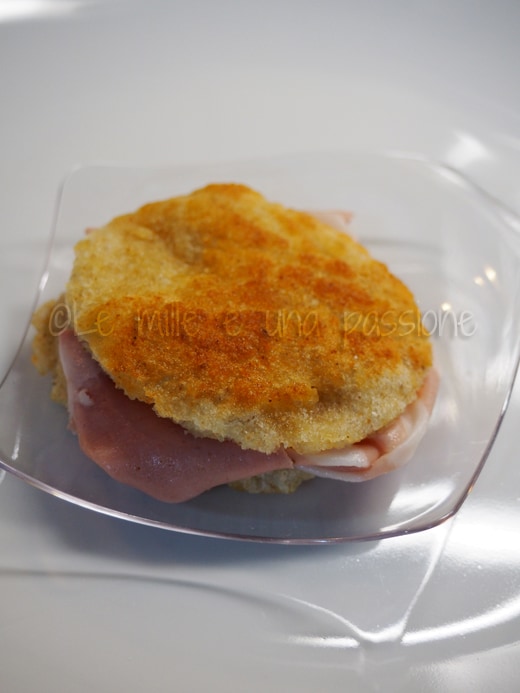
Tips, notes, variations
Quick leavening: if you’re short on time, you can place the dough in the oven with just the light on; the slightly higher temperature speeds up the leavening without compromising the flavor.
Shape variability: it’s not necessary to have perfectly round guastelle; each irregular piece has its “rustic” charm and recalls homemade preparations.
Storage
At room temperature: guastelle should preferably be consumed within 24 hours, to enjoy them hot and crispy.
In the fridge: once cooled, you can store them in an airtight container for up to 2 days; reheat in the oven or pan to restore crispiness.
Freezing: they can be frozen once fried and cooled.
Wrap them individually or in pairs with plastic wrap or parchment paper.
Duration: up to 2–3 months.
To consume, reheat directly in a preheated oven at 356°F for 5–7 minutes.
If you want to keep the fresh taste without losing internal softness, avoid covering the guastelle while they are still hot; let them cool before sealing.
FAQ – Calabrian Fried Bread
Can guastelle be frozen?
Yes, once cooled, in sealed bags; reheat in the oven to restore crispiness.
What flour should I use?
The combination of durum wheat + soft wheat gives a balance between crispiness and softness. For a softer dough, use only soft wheat.
Can I use dry yeast?
Yes, 5 g fresh yeast ≈ 1.75 g dry, to be dissolved first in warm water.
Guastelle are not just fried bread: they’re memories, family aromas, and shared moments. Each piece tells a story, from the wood-fired oven of the past to your kitchen.
Try them hot, crispy, and fragrant, and let yourself be carried by those flavors that taste like home.
And if you’d like, share your version with friends and family: these little delights deserve to be enjoyed together!
