The bay leaf is a simple yet valuable presence, useful in the kitchen and at home thanks to its fresh or dried leaves. It has a long tradition also linked to magical properties, often passed down in popular cultures, but it is important not to confuse it with the laurel, which is toxic and belongs to a different plant. It can be easily found both at the supermarket and in small trees grown in the home garden, often as a hedge.
SEASON #bayleaf: available all year round as it is an evergreen plant.
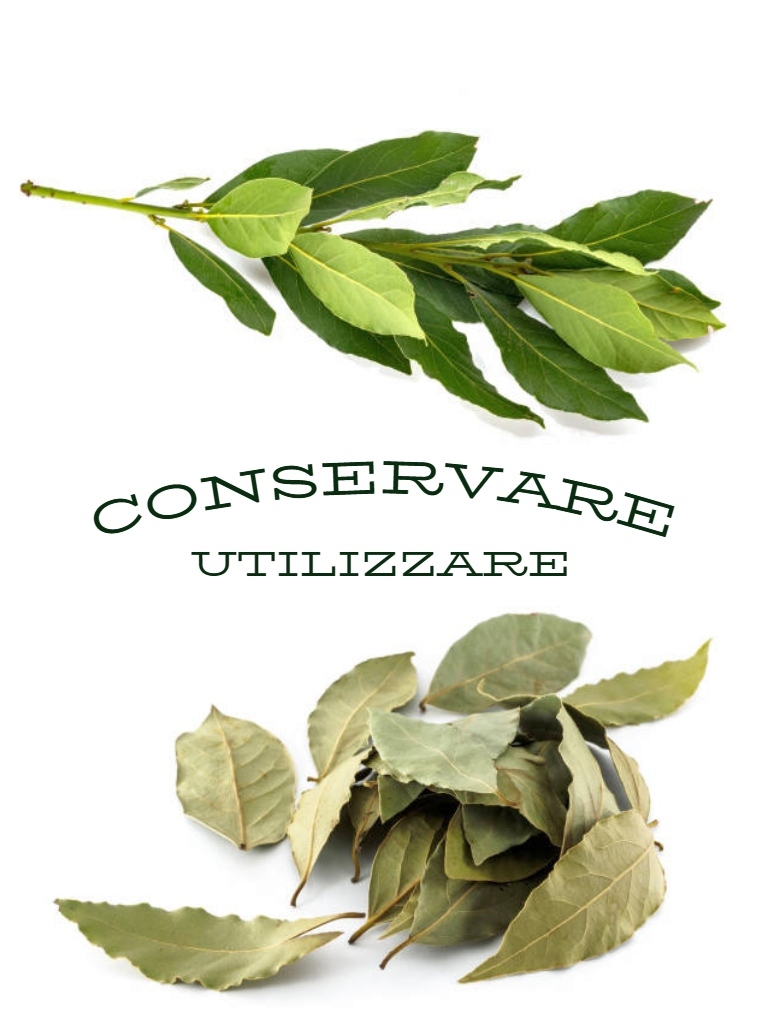
How to store aromatic plants:
- Difficulty: Easy
- Cost: Economical
- Cuisine: Healthy
- Seasonality: All seasons
- Energy 313.00 (Kcal)
- Carbohydrates 74.97 (g) of which sugars 0.00 (g)
- Proteins 7.61 (g)
- Fat 8.36 (g) of which saturated 2.28 (g)of which unsaturated 3.93 (g)
- Fibers 26.30 (g)
- Sodium 23.00 (mg)
Indicative values for a portion of 100 g processed in an automated way starting from the nutritional information available on the CREA* and FoodData Central** databases. It is not food and / or nutritional advice.
* CREATES Food and Nutrition Research Center: https://www.crea.gov.it/alimenti-e-nutrizione https://www.alimentinutrizione.it ** U.S. Department of Agriculture, Agricultural Research Service. FoodData Central, 2019. https://fdc.nal.usda.gov
Bay Leaf – Store
- 3.5 oz bay leaf
How to Dry Bay Leaves Simply and Quickly to Keep Them Fragrant
To dry the leaves, just gather some branches, if necessary wash them slightly. Then, tie them and hang them upside down inside a paper bag (as shown in the video), in a dry, ventilated place away from sunlight.
After a short time, the leaves become light, crispy and ready to be stored.
Fresh leaves are kept in the refrigerator wrapped in a slightly damp cloth.
Dried leaves should be stored in a glass jar away from humidity.
Cake with Fruit and Fresh Leaves
Fresh leaves are excellent:
🍀in legumes: cook together with chickpeas or lentils for a softer aroma
🍀in potato water or tomato sauces, where the aroma is best expressed with short cooking times
🍀stewed vegetables become more harmonious by adding a halved leaf and removing it at the end.Dried leaves work well:
🍀in broths, stews, and marinades, where they slowly release their aroma.
🍀in minestrones, rice dishes cooked gently
🍀in a simple flavored hot oil, then used to season vegetables or whole grains
🍀flavoring oil, by immersing a couple of leaves in a small bottle of oil
🍀in herbal tea, leaving a dried leaf to infuse for a few minutes.🍀 Perfume the environment by placing some dried leaves in bowls or fabric sachets to give a natural scent to the house.
🍀 Repel insects by placing leaves in furniture, closets, or near windows, where they act as a natural repellent.
🍀 Fragrance drawers and closets by creating small sachets of leaves to insert among clothes, keeping them fresh and delicately scented.
🍀 Freshen the air in the kitchen by simmering water and bay leaves in a saucepan to spread a clean fragrance.
FAQ (Questions and Answers)
What are the main benefits of bay leaf?
It is a natural digestive and anti-flu agent. It releases a good aroma and makes dishes lighter, especially denser legumes and vegetables. In herbal tradition, it was used to bring calm and well-being after meals. In ancient medicine, it has purifying and stimulating properties.
How to grow bay leaf in a pot?
It is easy to grow: you need a wide pot, well-draining soil, and a bright corner. It grows slowly but adapts easily to both indoor spaces and balconies, requiring only light pruning to maintain its shape.
How to grow bay leaf in the garden?
You just need a sunny spot, well-drained soil, and moderate watering. In the garden, it grows more vigorously than in a pot and, thanks to its evergreen nature and good tolerance to pruning, it is often used to create dense and orderly hedges.
Is bay leaf toxic?
It is not toxic and can be used in cooking without concerns. The confusion arises from the cherry laurel, a different and truly toxic plant, sometimes incorrectly called “laurel.” The true bay leaf leaves are safe, just remember to remove them after cooking as they are stiff and hard to chew.
Are fresh bay leaves toxic?
No, they are completely safe. They are just more intense than dried ones and should be removed from dishes because they remain stiff, not for toxicity reasons.
Do magical properties really exist?
Bay leaf symbolizes the triumph of light over darkness.
In Greece, it was believed that placing a bay leaf under one’s pillow would reveal in dreams the events that would occur.
In ancient Rome, it was the emblem of messengers of good news and protected against lightning, so the Romans would cover their heads with a laurel wreath during thunderstorms, as the saying goes “lightning doesn’t strike laurel.” It still crowns winners of academic games today.What is the symbolic meaning of bay leaf?
It represents victory, wisdom, and protection, a symbol used since ancient times to crown poets and victors. Today, it still retains this aura of balance and quiet strength.