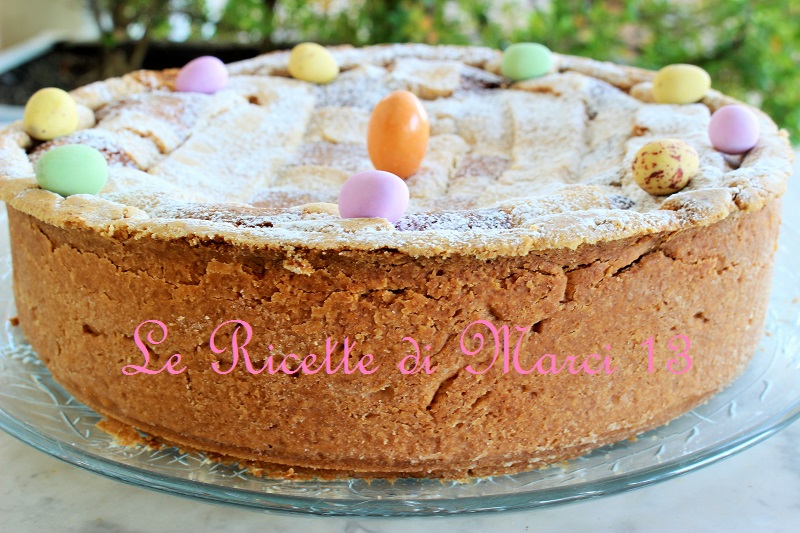
Traditional Neapolitan Pastiera Original Recipe (all tricks and secrets)
The original recipe of this Neapolitan pastiera, with the addition of custard to the wheat and ricotta filling, is fantastic!! just as it should be according to tradition: tall and melts in your mouth.
In this recipe, I reveal – step by step – all the tricks and secrets for a perfect Neapolitan pastiera!
I’ll start by telling you to prepare in advance and begin making this pastiera on Holy Thursday, to allow the flavors to blend well; actually, to be precise, I start it on Wednesday (read the reason in the recipe).
As I mentioned above, in Naples, pastiera is prepared on Holy Thursday to be eaten on Easter Sunday and NOT kept in the fridge; it can stay out of the fridge for just 4 days. Ricotta, once cooked, no longer has the characteristics of fresh ricotta and thus becomes much more resistant to room temperature
“..Undoubtedly, some prefer it of medium height or even low. But for those who want to taste it according to tradition, Neapolitan pastiera must be strictly TALL. The thickness must be at least 6 centimeters to retain its fragrance…” (see here)
However, any argument about the authentic recipe of Neapolitan pastiera is pointless (tall, low, with cream, without cream, etc.): every family has its own recipe passed down from generation to generation.
Indeed, regarding the origins of the true Neapolitan pastiera, the writer Jeanne Carola Francesconi in her book “La Cucina napoletana” (the bible of Neapolitan cuisine, the most important cookbook after Cavalcanti’s, a real cult!) reported the two versions of pastiera: the one WITH cream and the one WITHOUT cream, and on this, she wrote verbatim: “….every Neapolitan family has its own recipe – varied especially in proportions, some put cream and some don’t, some prefer it very aromatic and some less, some like it low and some high. However, everyone debates the rules and their tastes….”.
In Naples, in some families, it is also tradition to eat pastiera at Christmas.
If you want to enrich your Easter menu with other recipes (sweet or savory), I recommend checking out my “Easter Special“.
This pastiera is among my “Top Recipes” for its goodness, if you’re looking for tried and tested, delicious recipes that are foolproof, search the blog, among my signature dishes, in the dedicated section of the blog: “My TOP Recipes“.
You might also be interested in:
- Difficulty: Medium
- Cost: Medium
- Rest time: 12 Hours
- Preparation time: 1 Hour
- Portions: 10
- Cooking methods: Oven
- Cuisine: Italian
- Seasonality: Easter, Spring
Ingredients for the Traditional Neapolitan Pastiera Original Recipe (yields 2 pastiere)
For the Pastry
- 1 kg All-purpose Flour (with low strength, I use Caputo pastry)
- 350 g Lard
- 400 g Sugar
- 200 g Water
- 4 g Baking Ammonia
- 20 ml Cointreau (Or Grand Marnier or Strega)
- 2 Lemon Zest (Grated)
- 1 pinch Fine Salt
- 800 g Cooked Wheat
- 500 ml Whole Milk
- 1 tablespoon Lard
- 1 tablespoon Sugar
- 1 Lemon Zest (grated + zest of two grated oranges)
- 1 tablespoon Vanilla Extract
- 1 pinch Fine Salt
- 1 teaspoon Ground Cinnamon
- 1.200 kg Ricotta
- 700 g Sugar
- 10 Eggs
- 1 package Orange Blossom Water
- 40 ml Cointreau
- 40 ml Millefiori Water
- 1 tablespoon Ground Cinnamon (level)
- 100 g Candied Citron (optional)
- 1 Lemon Zest (untreated)
- 2 Orange Zest (untreated)
- 1 glass Whole Milk (200 ml)
- 100 g Sugar (zefiro)
- 50 g All-purpose Flour
- 4 Egg Yolks
- 1 Lemon Zest
- 1 tablespoon Vanilla Extract
Tools for the Traditional Neapolitan Pastiera Original Recipe
- Bowl
- Pot
- Stand Mixer Kenwood with 1400 W power, illuminated bowl
- Immersion Blender Braun, with 1200 W power + electric food mill
- Trio of Natural Aromas: Orange Blossom + Millefiori + Bitter Almond
- Cake Pan conical 24 cm
Preparation of the Traditional Neapolitan Pastiera Original Recipe
With the quantities indicated above, you get two pastiere: one for a 25 cm mold, 6 cm high, and another for a mold about 23 cm.
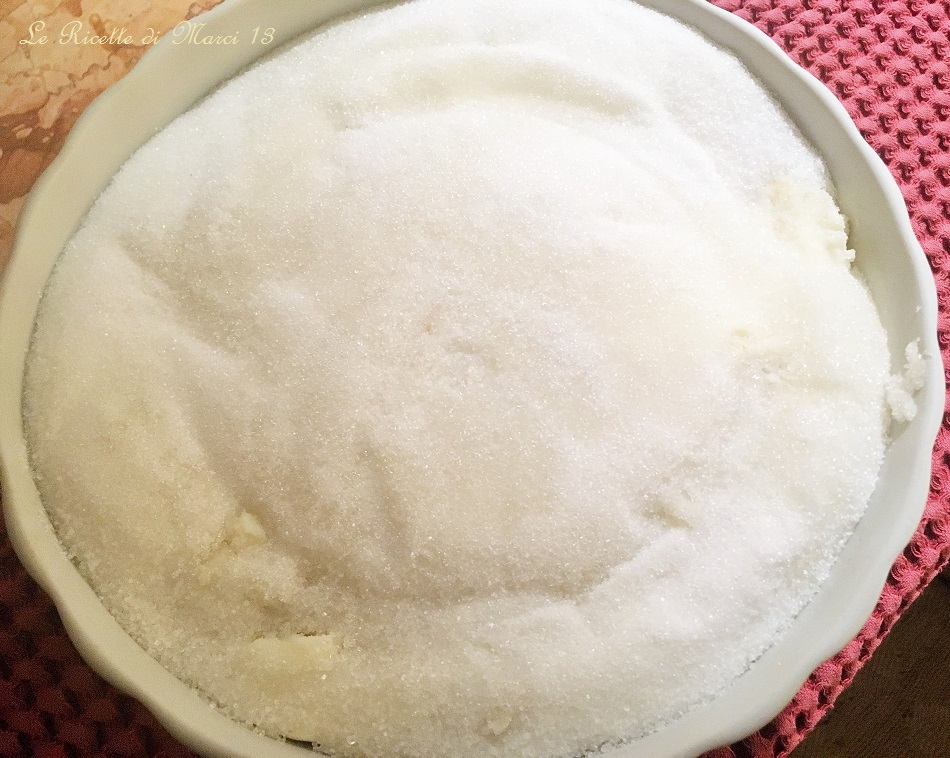
On the night before Holy Thursday, Wednesday, put the ricotta covered with sugar in the fridge, so all the water from the ricotta is absorbed (trick).
Put the flour in the stand mixer as a fountain, with lard and sugar in the center, water, and ammonia.
Quickly work everything with the flat beater (you can also do it by hand), form a ball and let it rest in the fridge for at least 1 hour, but it’s better to prepare it the day before.
Pour the 4 yolks directly into a saucepan (keep the whites for another preparation), add sugar (100 g) to the yolks and mix well with a hand whisk.
Then, add the flour (50g) to the yolks and sugar mixture, and mix well with the whisk to avoid lumps.
Heat the milk (200g) in a saucepan and add the lemon zest and vanilla extract.
Pour the hot milk over the yolk mixture.
Immediately mix with the whisk to prevent the boiling milk from cooking the yolks and forming lumps.
Place the saucepan on very low heat and continue stirring until the cream thickens. Be careful as the heat must be really low.
Cover the bowl with plastic wrap in contact with the cream and let it cool well before adding it to the other ingredients.
Before using the cream, pass it through a sieve to make it smooth and velvety (optional).
Cook the wheat in a saucepan covered with milk, grated zest of one lemon and two oranges, one tablespoon of lard, one tablespoon of sugar, 1 pinch of salt and cinnamon, for about 40 min. on medium heat, until it becomes creamy. I then pass half of it, but it’s optional.
In a bowl, put the ricotta passed through a sieve with sugar, and work it into a cream with the electric whisk, adding the whole eggs, one at a time, letting them blend well.
Combine the ricotta mixture with the wheat mixture.
Add the previously prepared and cooled custard (about 300g) to everything.
Add to the mixture: seeds from a vanilla bean, cinnamon, millefiori bottle, strega liqueur, orange blossom bottle, citron, and candied orange zest. Let this mixture rest overnight.
Roll out part of the pastry in a mold about 6-7 cm high, put all the prepared pastiera filling, with the remaining pastry, form strips 2 cm wide (possibly form 7 strips) and lay them diagonally on the filling.
If you see the strips breaking, before laying them on the filling, place them in the fridge for half an hour.
Bake slowly in the oven at 320 degrees Fahrenheit for at least 2 hours (or more, depending on the oven), leave for 15 minutes in the turned-off oven.
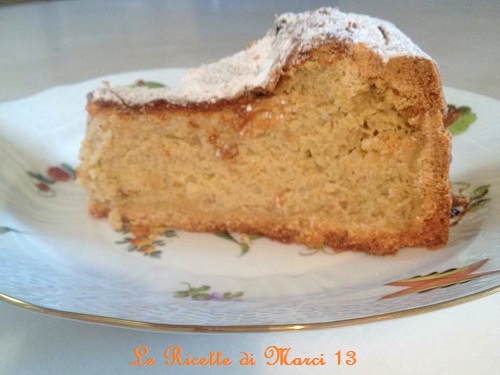
Dust the Neapolitan pastiera (tall) with vanilla powdered sugar, eat it at least after two days, to allow the flavors to blend and obtain a fragrant pastiera that melts in your mouth.
Notes and Tips
If you want to delve into the history and origins of pastiera, I suggest this interesting article from Luciano Pignataro’s Blog HERE.
Between religion, myths, and legends, why must the strips of Neapolitan pastry be 7? Read here.
If you find Neroli (essential oil derived from bitter orange blossom), add 2 or 3 drops to the filling, it costs a bit, but your pastiera will smell even more like spring!
The candied citron must be cut into tiny pieces.
The absence of eggs in the pastry makes the pastiera more crumbly and digestible, considering that the filling is already rich in eggs.
This Neapolitan pastiera recipe is by Romina Sodano, published in Luciano Pignataro’s blog HERE, very similar is the version by Antonia Russo, which I found HERE.
This Neapolitan pastiera recipe is by Romina Sodano, published in Luciano Pignataro’s blog HERE, very similar is the version by Antonia Russo, which I found HERE.
This Neapolitan pastiera recipe is by Romina Sodano, published in Luciano Pignataro’s blog HERE, very similar is the version by Antonia Russo, which I found HERE.
Shopping Tips!!!
To knead perfectly and comfortably various types of dough, I use my Kenwood Titanium Chef Patissier XL stand mixer with 7L illuminated bowl, integrated scale, and blender, offering a powerful 1400 W, a trusty ally in the kitchen for kneading, weighing, whipping, melting chocolate, pasteurizing eggs.
If instead, you’re looking for a more economical and smaller stand mixer, you can comfortably opt to purchase the Kenwood Titanium Chef Baker stand mixer, with double bowl of 5L and 3.5L, 1200W power.
You can find both stand mixers on Amazon, at a special price.
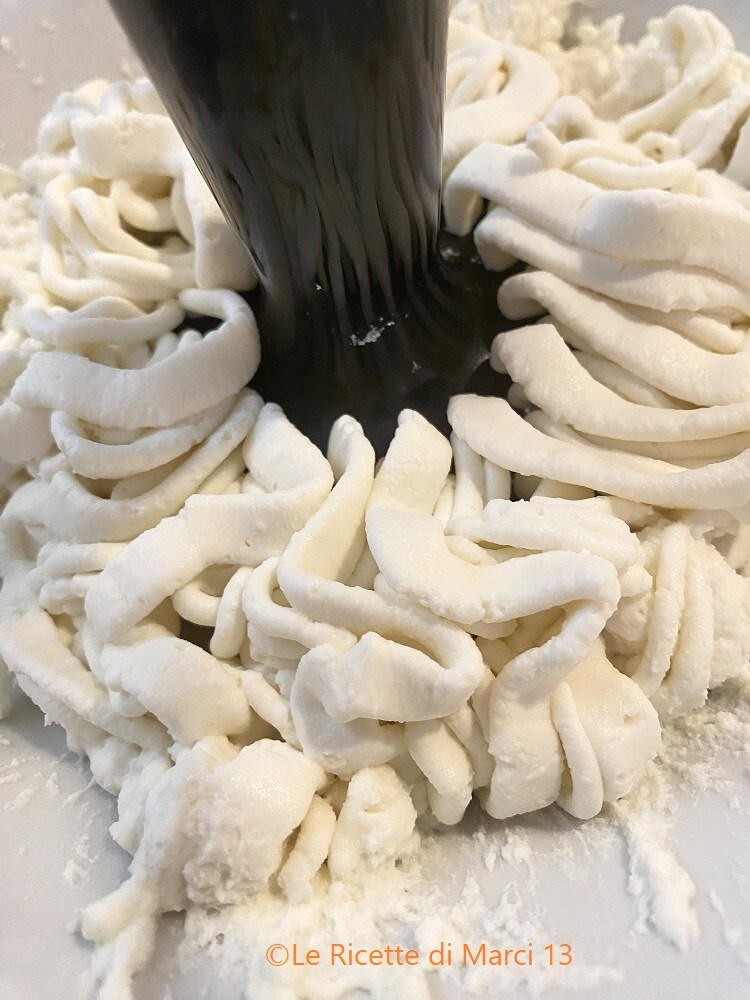
I passed the ricotta in a few minutes with the practical Braun electric food mill (“puree accessory”, also ideal for potatoes).
To bake the pastiera, I used this Agnelli conical cake pan, 24 cm in diameter.
Does the Ricotta for the pastiera need to be sifted?
Yes, I quickly sift it with the Braun electric food mill (see Shopping Tips above) adv