The cacio e pepe supplì are a variation of the classic phone supplì, a typical Roman dish that has become a classic known throughout Italy. Supplì were originally made to recycle leftover ragù risotto, but in this recipe, we will use cacio e pepe risotto.
If you like Roman cuisine recipes, don’t forget to read

- Difficulty: Easy
- Cost: Very cheap
- Rest time: 2 Minutes
- Preparation time: 30 Minutes
- Portions: 2
- Cooking methods: Frying
- Cuisine: Italian
- Seasonality: All seasons
- Energy 773.05 (Kcal)
- Carbohydrates 137.92 (g) of which sugars 1.73 (g)
- Proteins 17.75 (g)
- Fat 14.93 (g) of which saturated 2.79 (g)of which unsaturated 11.31 (g)
- Fibers 3.08 (g)
- Sodium 231.60 (mg)
Indicative values for a portion of 200 g processed in an automated way starting from the nutritional information available on the CREA* and FoodData Central** databases. It is not food and / or nutritional advice.
* CREATES Food and Nutrition Research Center: https://www.crea.gov.it/alimenti-e-nutrizione https://www.alimentinutrizione.it ** U.S. Department of Agriculture, Agricultural Research Service. FoodData Central, 2019. https://fdc.nal.usda.gov
Ingredients for 2 people
- 1.5 cups Carnaroli rice (cooked cacio e pepe style)
- 2 quarts sunflower seed oil
- 1/2 cup breadcrumbs
- 1 egg
Tools
- 1 Pot (capacity of 3 liters)
- 1 Bowl
- 1 Spoon
- 1 Knife
- 1 Cutting board
Procedure
Supplì are a classic of Roman cuisine. The key to a good supplì is cooking the rice al dente. This way, the final result will be crispy and not soggy and sticky.
First, let’s prepare the cacio e pepe risotto. Once it’s cooked, let it rest. Hot risotto continues to cook, so to have supplì with crispy grains, you should stop the risotto a few minutes before complete cooking (2 minutes before).
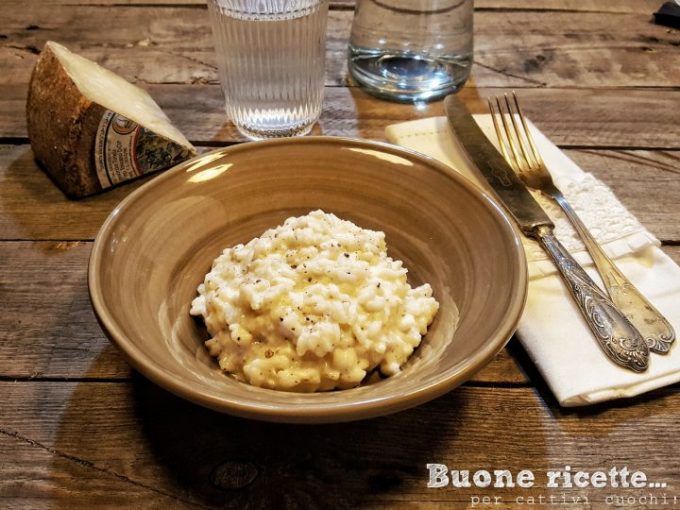
Let the risotto rest in a large bowl. To speed up the cooling, you can spread the risotto on a tray to a maximum thickness of 0.4 inches.
Cool the rice in the fridge while waiting to use it. If you don’t have time, spread the risotto and place it in the freezer for 20-30 minutes so it cools without freezing.
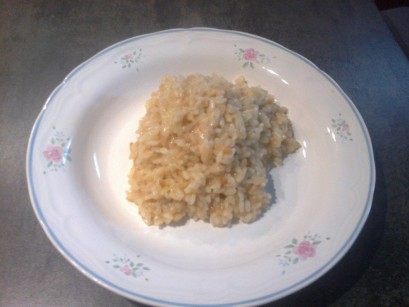
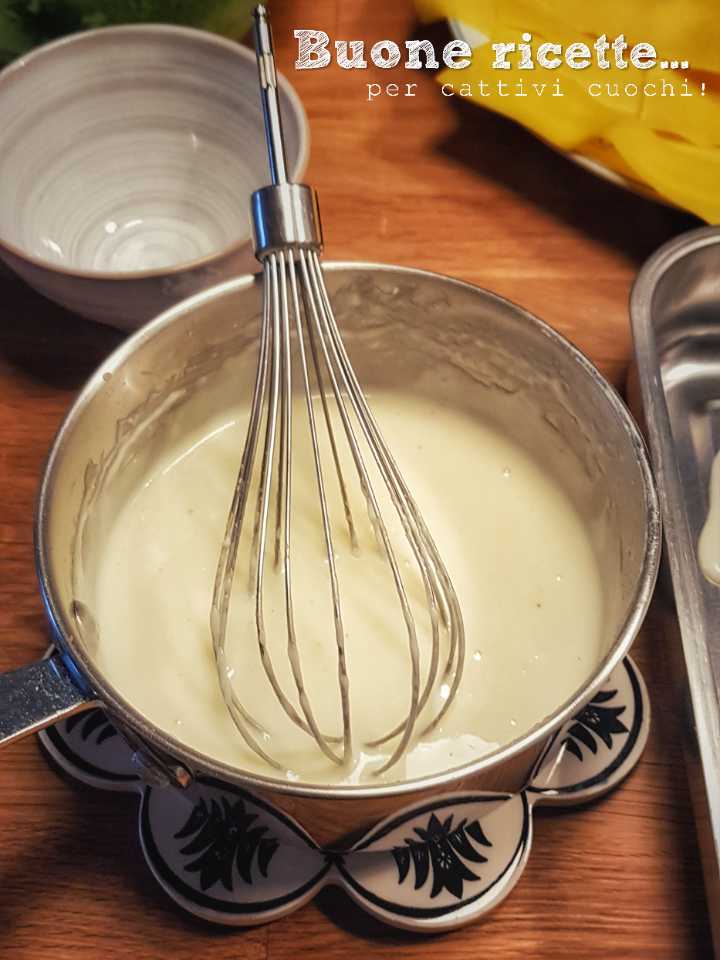
If the rice is too dry and it’s hard to form rice balls, you can use a spoonful of béchamel as a binder for the grains.
With the resting, the rice tends to dry out almost completely. If it’s too liquid, add a tablespoon of grated Pecorino Romano.
Wet the spoon in cold water and take a spoonful of cold risotto. Place the rice on the wet palm of your hand. Use your index finger to make a well where you will place the mozzarella.
Take more rice and place it on top of the other half, forming an elongated ball with your hand, leaving the mozzarella in the center. Repeat until all the risotto is used.
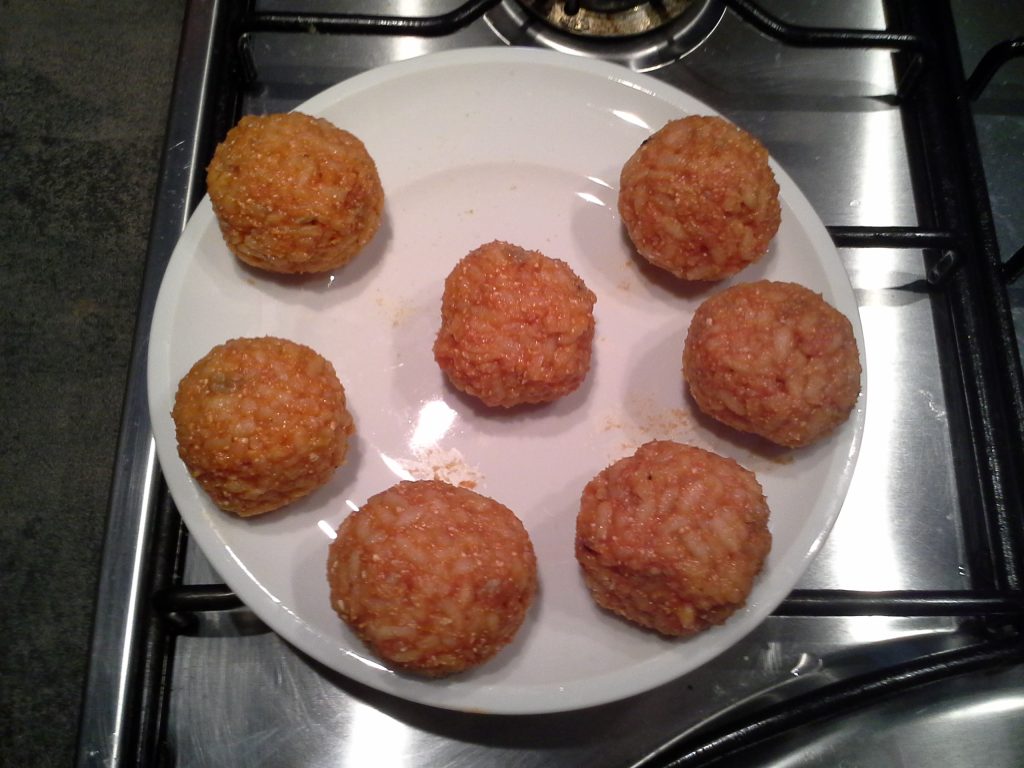
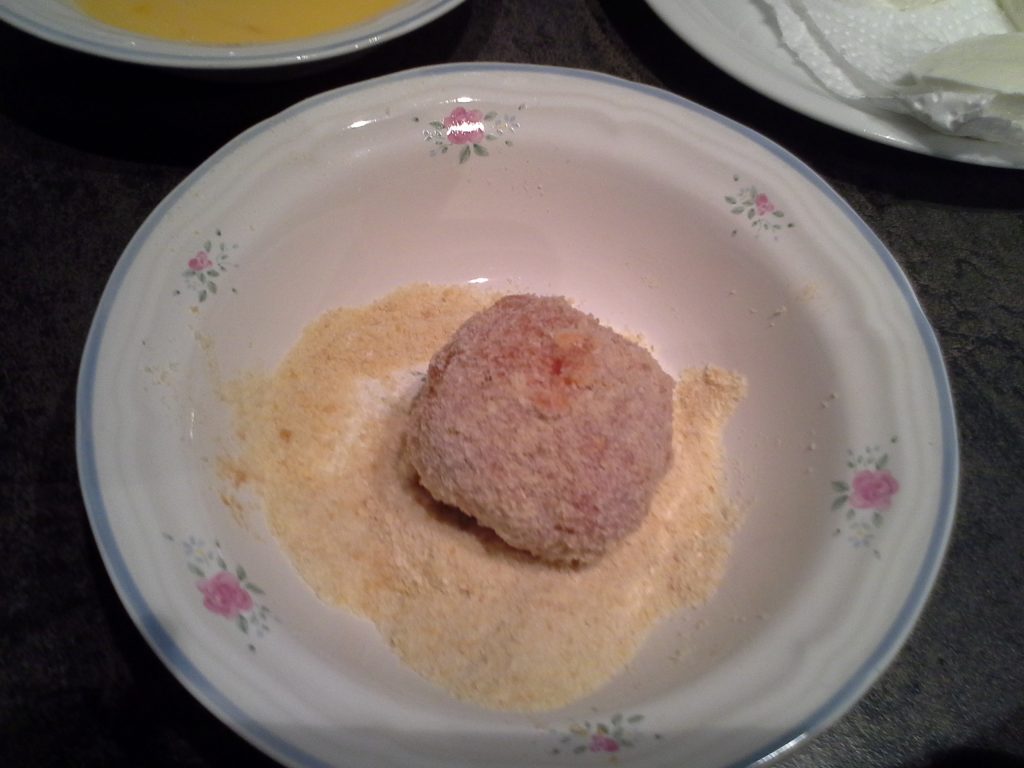
Beat the egg in a bowl with a fork, then roll the rice balls in the egg and then in the breadcrumbs.
For a double coating, roll the supplì in the egg and breadcrumbs again after the first coating. Coat all the supplì to fry them all together.
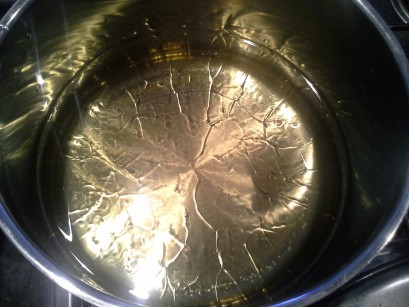
Heat the oil over high heat. The best way to fry supplì is to immerse them completely in oil.
To avoid frying mistakes, put an inch of oil in the pan. When you add the supplì, the level will rise to halfway up the supplì.
Insert the supplì one at a time in a clockwise order so you know the order to turn them and can better control the cooking.
Just a few minutes (2-3 at most) are enough to achieve the perfect golden color. Supplì should have a nice hazelnut color, never pale.
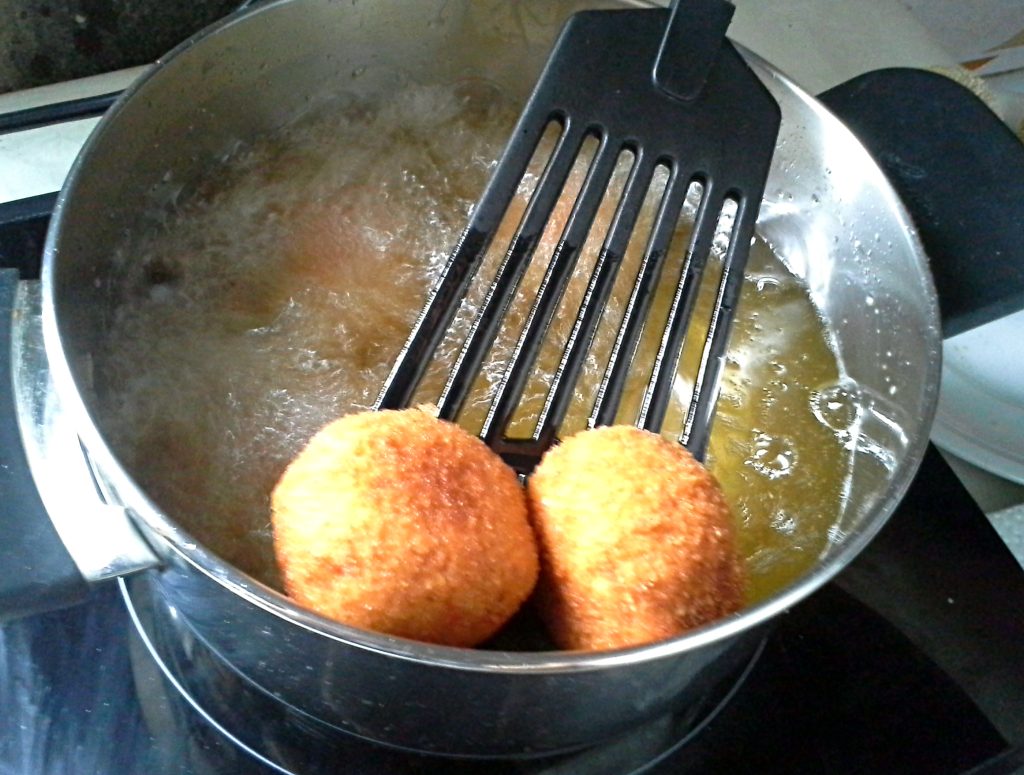
The best thing is to serve them just fried, hot and steaming on the table.
If you’re short on time, you can fry them in advance and keep them warm by quickly passing them in the oven at 340°F for 4-5 minutes.
Your cacio e pepe supplì are ready to be served!
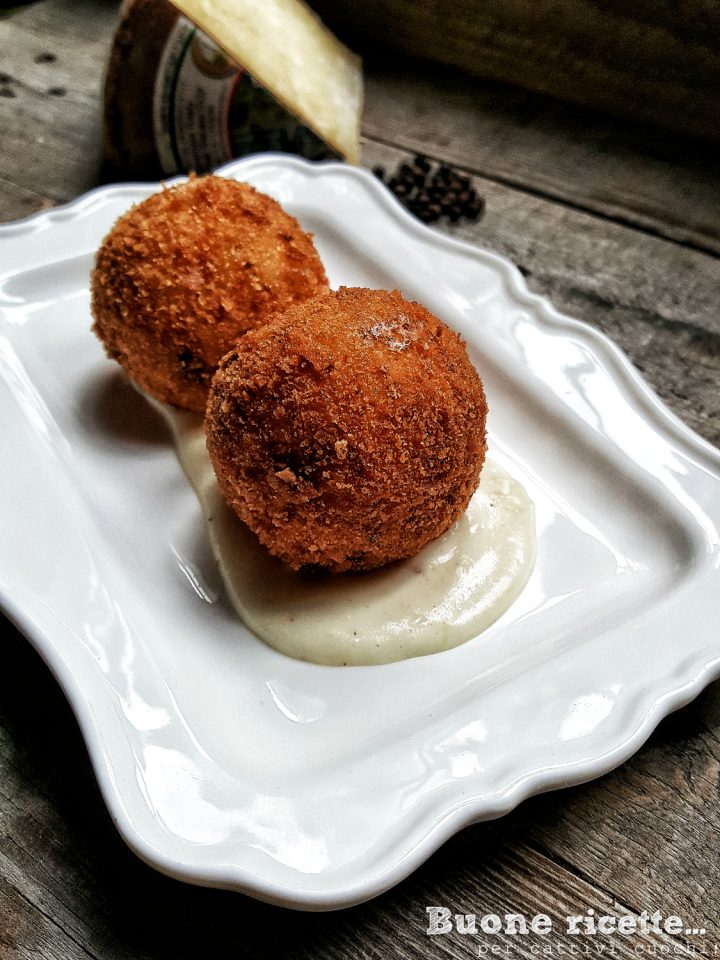
Serving suggestions:
The cacio e pepe supplì can be served both hot and cold. In both cases, I suggest preparing some pecorino cream as a dressing for the dish.
The Tuscan pecorino cheese cream, with its sweet and delicate flavor, will balance the bold and savory taste of the cacio e pepe supplì.
Wine pairing for cacio e pepe supplì:
I recommend an aromatic white wine that enhances the flavor of the risotto and the crispy coating, such as the Est! Est!! Est!!! from the Roman hills. If you want a fuller-bodied wine, you can opt for the Fiano d’Avellino.