Everyone knows cacio e pepe pasta but few know cacio e pepe risotto, here is the easy and quick recipe to prepare it at home, as always few ingredients but lots of flavor, to have an original variant.
If you like the classics of Roman cuisine do not forget to read the recipe
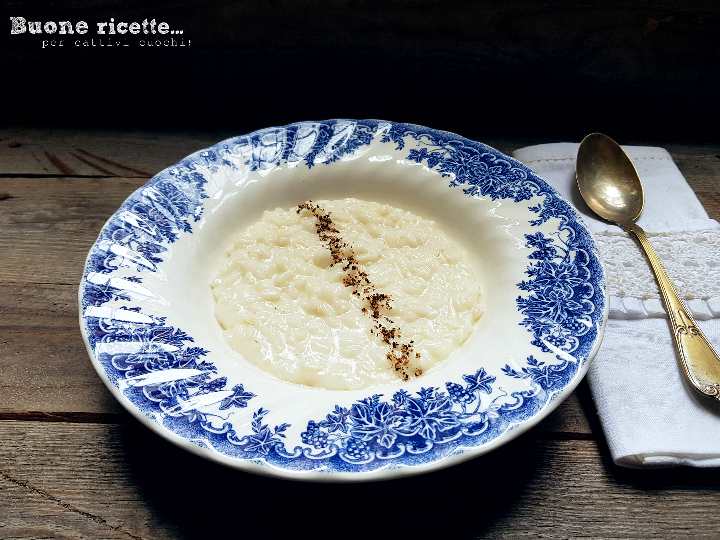
- Difficulty: Easy
- Cost: Very cheap
- Rest time: 2 Minutes
- Preparation time: 5 Minutes
- Portions: 2
- Cooking methods: Stovetop
- Cuisine: Italian
- Seasonality: All seasons
- Energy 491.20 (Kcal)
- Carbohydrates 71.03 (g) of which sugars 1.70 (g)
- Proteins 10.08 (g)
- Fat 13.97 (g) of which saturated 8.36 (g)of which unsaturated 3.35 (g)
- Fibers 2.56 (g)
- Sodium 2,229.25 (mg)
Indicative values for a portion of 5 g processed in an automated way starting from the nutritional information available on the CREA* and FoodData Central** databases. It is not food and / or nutritional advice.
* CREATES Food and Nutrition Research Center: https://www.crea.gov.it/alimenti-e-nutrizione https://www.alimentinutrizione.it ** U.S. Department of Agriculture, Agricultural Research Service. FoodData Central, 2019. https://fdc.nal.usda.gov
Ingredients
- 5.64 oz Carnaroli rice
- 4.23 cups vegetable broth
- 1/4 onion
- 1/2 cup dry white wine
- 1.06 oz Pecorino Romano cheese
- 0.35 oz black peppercorns
- 0.71 oz butter
- to taste salt
Tools
- 1 Pot (3-quart capacity)
- 1 Pot (1-quart capacity)
- 1 Pan 6.3 inches diameter
Procedure
For a perfect cacio e pepe risotto, you need to start with a good neutral-flavored risotto, which will then be flavored with Pecorino Romano and pepper. Here are the steps.
First, finely chop the onion into very small cubes, place it in a small cold pan, add a drop of oil on the onion, and set it over low flame, the onion should sweat.
Unlike traditional sautéing, this helps make the onion more digestible and less prominent in your dish, you will notice the difference!
Place the large pan on the heat, and when it’s hot, start pouring the rice, you don’t need to add oil or fats. Wait until the rice is hot (just touch it with your hand) at that point, add the sauté you prepared in the other small pan.
Tip: If you don’t want the onion to be visible, you can also blend the sauté into a cream.
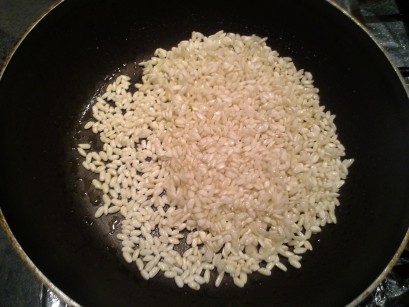
Let the rice absorb the onion and oil, stir, and after a minute pour room temperature wine. Let the alcoholic component evaporate and start pouring hot broth over the rice one ladle at a time.
The rice should be covered by the broth but not drowning in it. Be careful the broth should always be hot, keep it boiling on the stove, or you risk ruining the rice by cooling it down. The same goes for the wine… cold wine cools and damages the cooking.
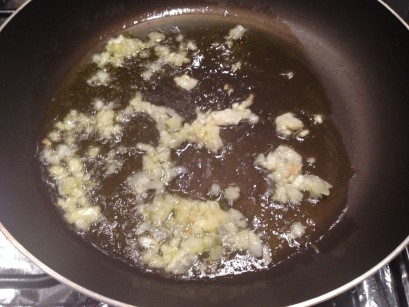
I prefer to pour the broth gradually and wait for the rice to almost completely absorb it before adding more to prevent the risotto from being soupy.
After about 12-15 minutes (depending on the rice you used) the risotto is ready.
At this point, all that’s left is to freshly grind the Pecorino Romano (or Toscano) and black pepper over the risotto you have prepared, if needed add a knob of butter and stir. The result should be creamy and with a strong flavor.
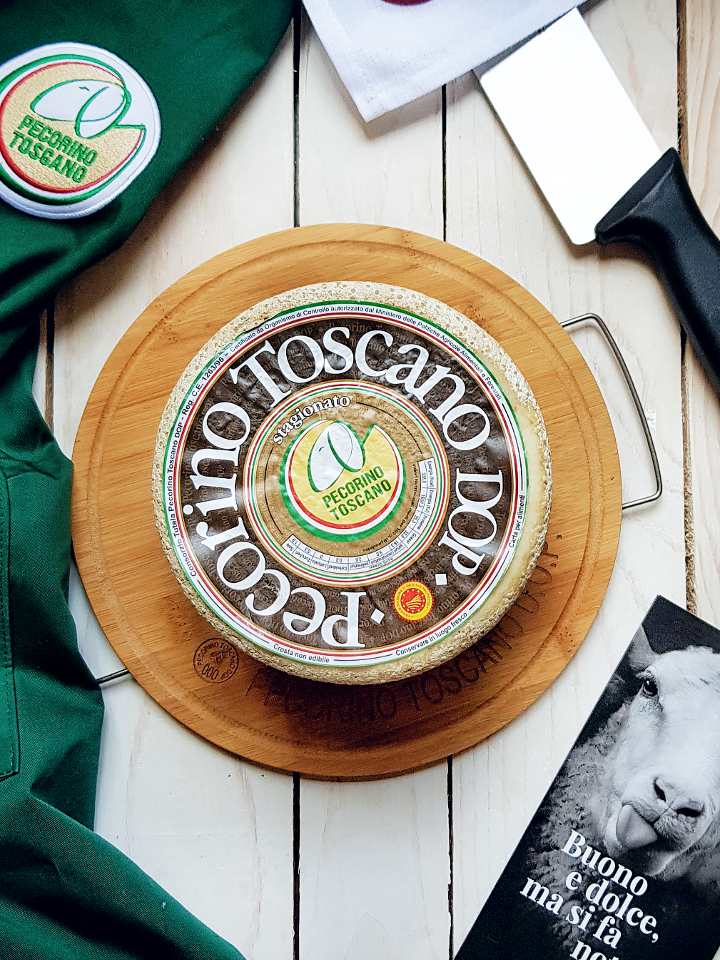
Be careful to adjust the flavor well, do not make the broth too flavorful because the Pecorino has a good salty component, adjust the salt only after stirring to avoid surprises.
Carnaroli will give you a drier dish and will require more butter for stirring, while the nano valley tends to create the wave more easily
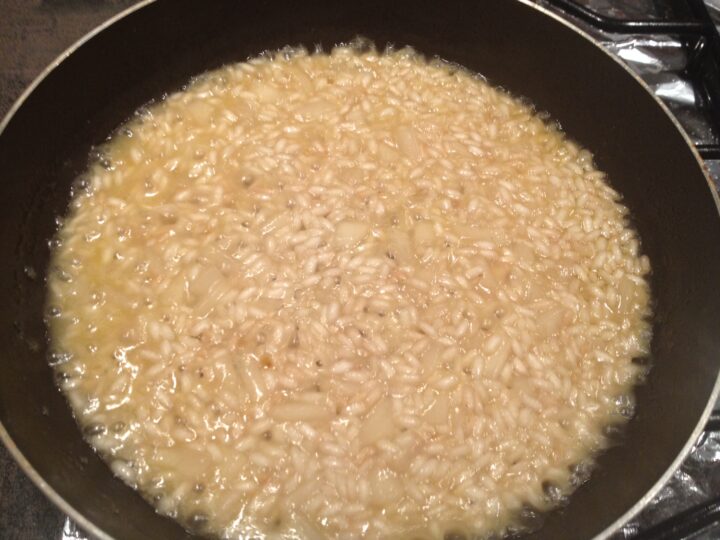
Your cacio e pepe risotto is ready!
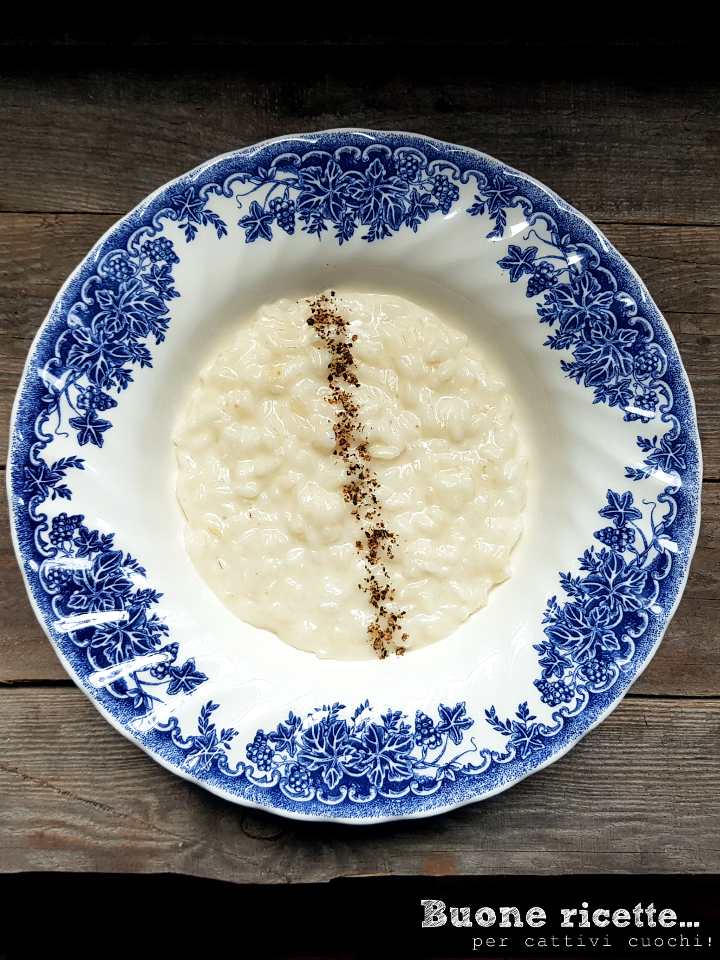
Plating Tips:
You can serve this risotto on a flat plate with a generous grind of pepper, it is a simple recipe so no decorations are needed. If you want to give the dish a modern touch, you can draw a neat stripe with the pepper.
Wine pairing for cacio e pepe risotto:
I recommend a white wine that can balance the richness of the dish, such as a Chardonnay, or if you want a territorial pairing, you can serve it with a Frascati Superiore or an Est, Est, Est.