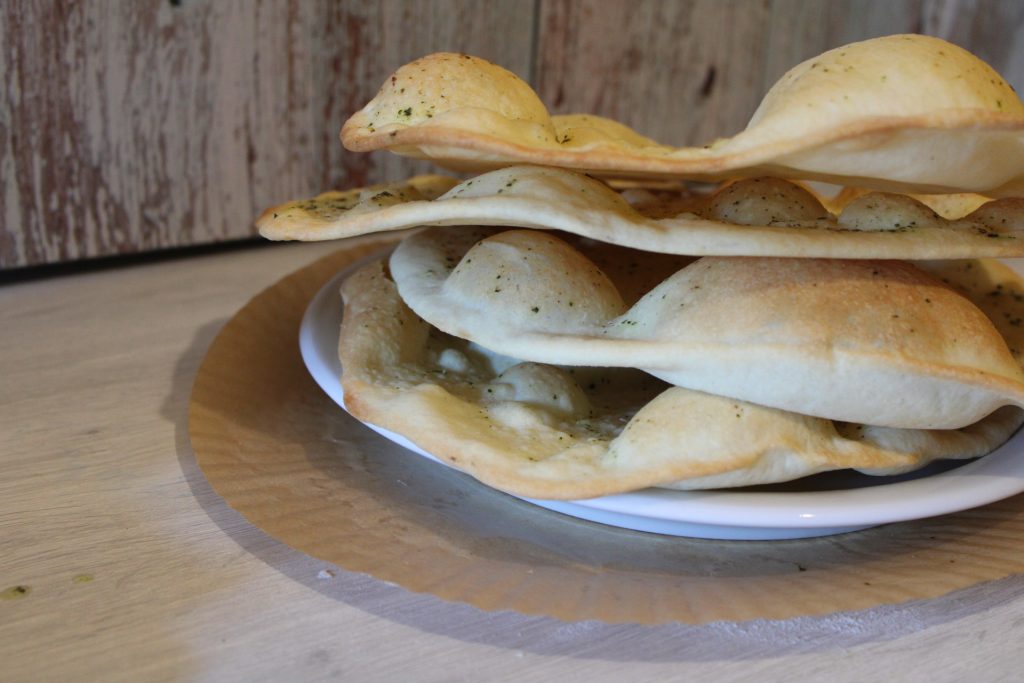
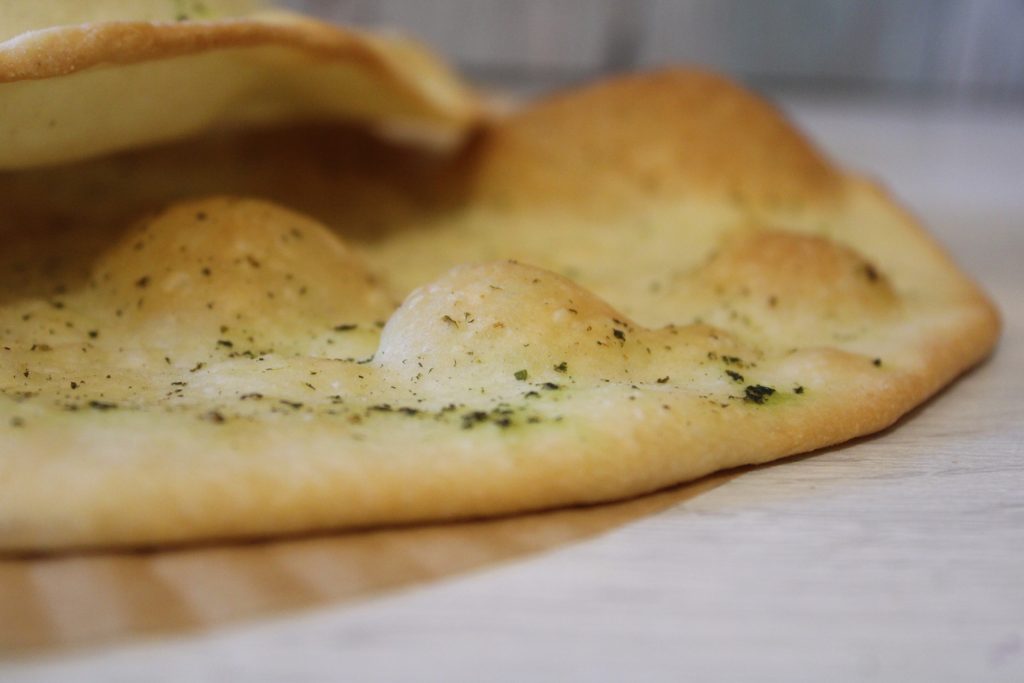
The “stria” of Bologna. A tasty crunchy and fragrant pastry. When lighting a wood-fired oven, a gesture is needed to understand if the cooking surface is hot enough to proceed. Besides modern tools, old methods are used, such as checking if the brick dome of the oven itself changes color. One of the methods I’ve always used is sprinkling a handful of flour on the surface; and checking the time taken for the color to change, a piece of dough was also used to achieve the same result.
In Bologna, this method was then perfected by using a thin pastry, precisely the Stria or witch, to know if the bread could be baked.
It resembles a little the carasau bread produced in Sardinia. In short, in every corner of our Italy, we find wonderful food that intertwines stories and innovation.
For other quick and traditional recipes, read on:
- Difficulty: Easy
- Cost: Cheap
- Rest time: 1 Hour 30 Minutes
- Preparation time: 30 Minutes
- Portions: 8
- Cooking methods: Oven
- Cuisine: Italian
- Seasonality: All seasons
Ingredients
Water and flour…
- 4 cups flour
- 7 oz olive oil (or lard.)
- 2 tsp salt
- as needed water
- 0.7 oz fresh yeast
- as needed olive oil (for brushing)
- as needed herbs (garlic and parsley or basil)
Useful tools
A bowl and a pastry board, rolling pin, and go!
- Bowls
- Rolling Pins
Steps
It takes just a moment!
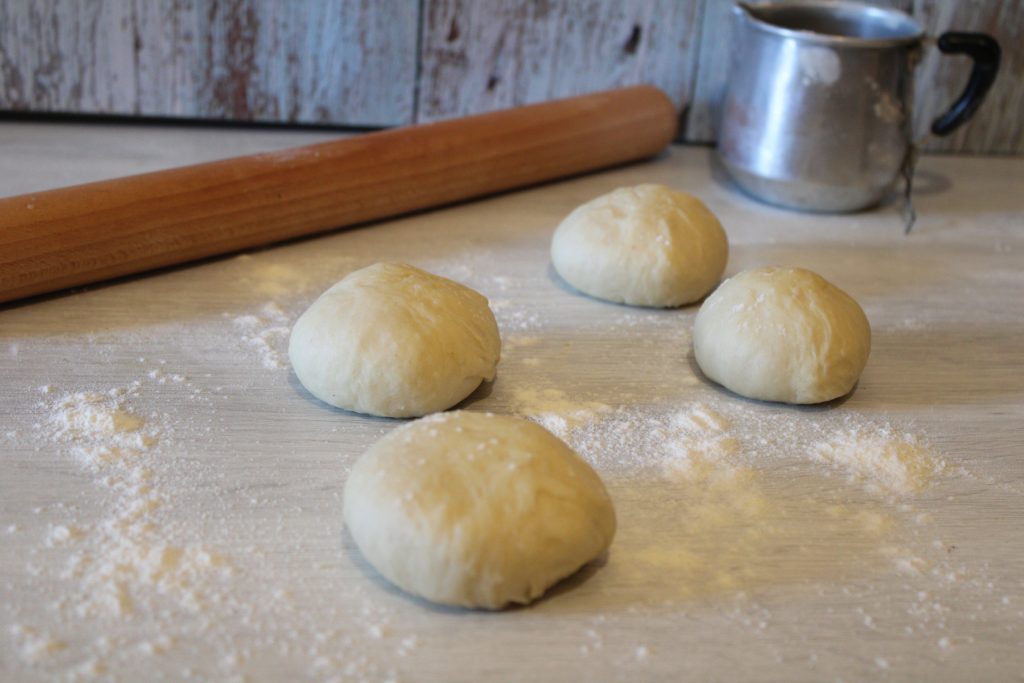
In a bowl, knead the flour mixed with salt, oil, and yeast dissolved in part of the water. Gradually add more water until you obtain a firm but not too firm dough. Divide into eight equal parts and let rise for about an hour, covered with a cloth to prevent drying.
After the necessary time, roll out into thin sheets and after placing them on the baking tray, brush with olive oil, finely chopped garlic, and parsley and basil leaves, you can also blend everything together.
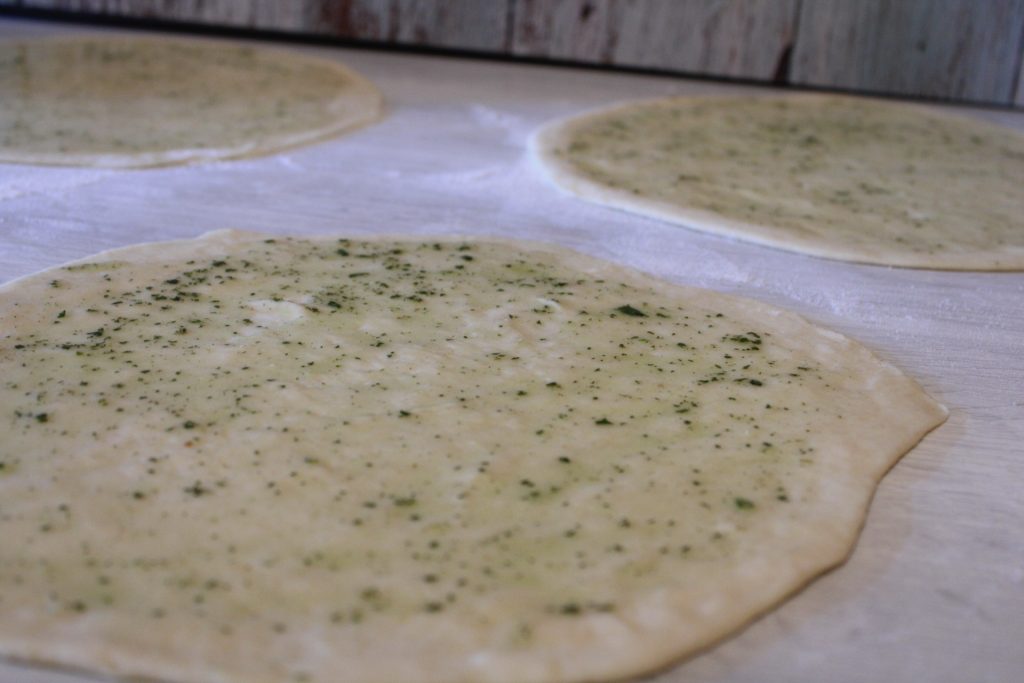
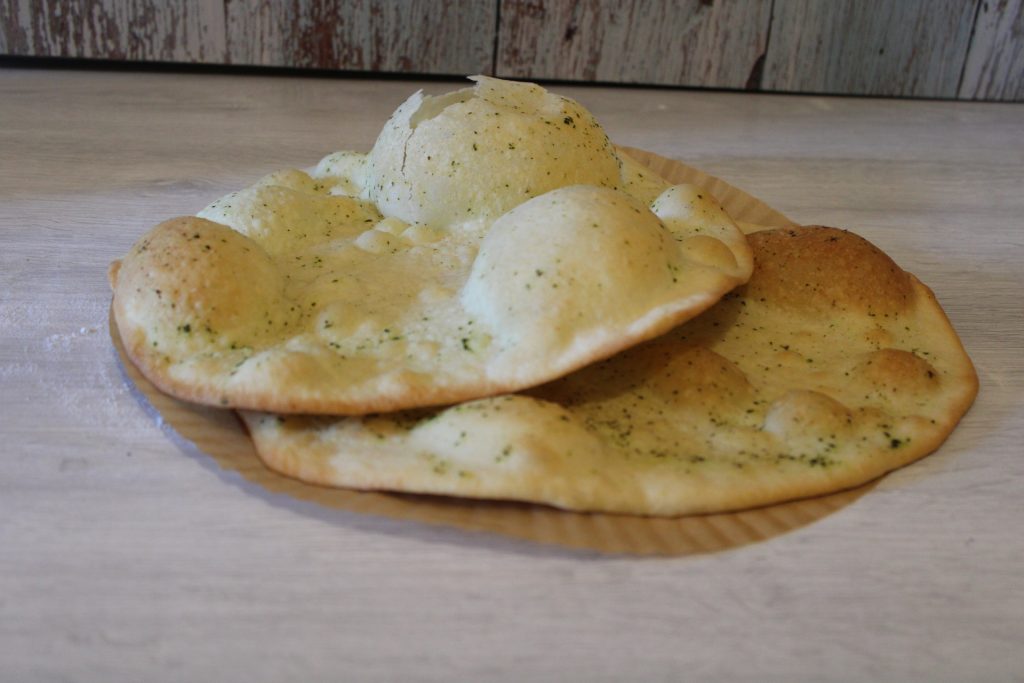
Bake in a preheated oven at 392°F until golden brown. I guarantee you will be amazed by such simplicity and goodness.