
Occitan Fesqueirols with Peas and Bacon Occitan Recipe
Origins of Occitan Piedmontese Cuisine
The Occitan Piedmontese cuisine has deep and fascinating roots that delve into the history of a unique territory where Italian and French influences meet and blend. This culinary tradition was born in the Alpine valleys of Piedmont, where for centuries the local communities have developed unique techniques and recipes, adapting to the seasonally available ingredients and the cultural influences of their neighbors.
French and Italian Influences
At the crossroads between Italy and France, the Occitan Piedmontese cuisine is an exceptional example of culinary fusion. The use of aromatic herbs, cheeses, and pasta reflects the Italian tradition, while the preparation of dishes like fondue clearly incorporates elements of French cuisine. This blend of flavors and techniques has given rise to a rich and diverse cuisine.
Typical and Seasonal Ingredients
The Occitan Piedmontese cuisine places great importance on the use of fresh and seasonal ingredients. Among these are truffles, renowned worldwide, hazelnuts, cardoon, and a variety of local cheeses. The seasonal availability of these products plays a fundamental role in defining the unique flavors of typical dishes.
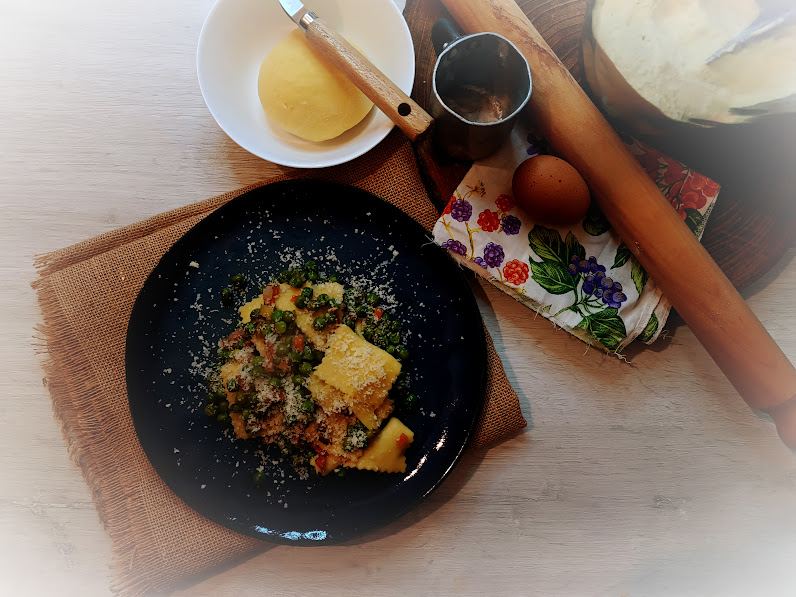
- Difficulty: Easy
- Cost: Inexpensive
- Preparation time: 1 Hour
- Portions: 4
- Cooking methods: Stovetop
- Cuisine: Regional Italian
- Seasonality: All Seasons
Ingredients
- 1 2/3 cups Type 1 flour (Delicious even with whole spelt or chestnut flour in a 1:1 ratio)
- 1/3 cup milk
- 1 egg
- 1 cup vegetable mix for sauté (I used a carrot, a stalk of celery, and a small onion)
- 14 oz peas (Fresh or frozen, net weight.)
- 2 slices bacon (slab) (not too thin)
- 1.8 oz Piedmontese toma (aged for grating)
- 1 pinch thyme (fresh or dried)
- 2 leaves sage
- to taste salt
- to taste olive oil
Tools
Everyday tools, you might want to take a look Here
A Few Steps to Prepare These Fesqueirols
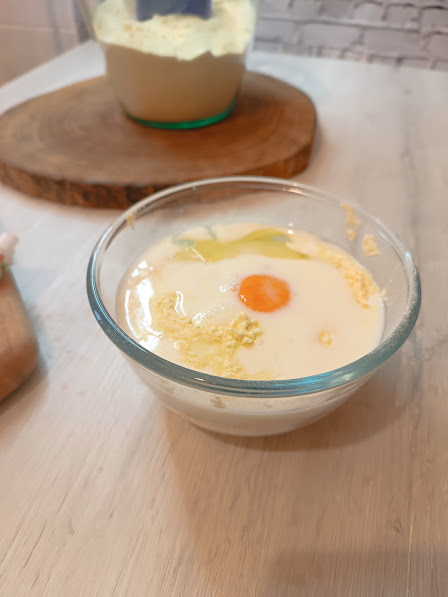
In a bowl, combine the flour, milk, and egg and knead well; add milk or flour as needed because each flour has its own characteristics.
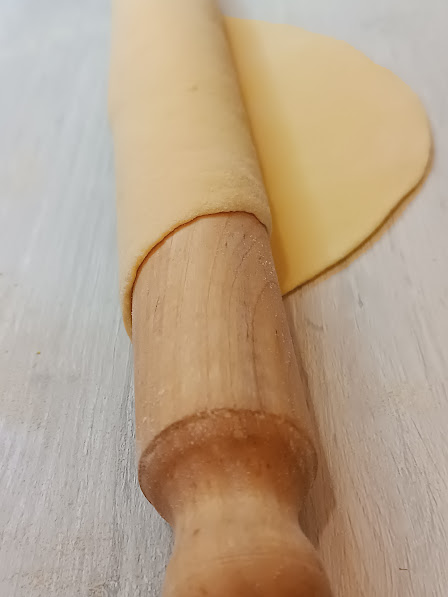
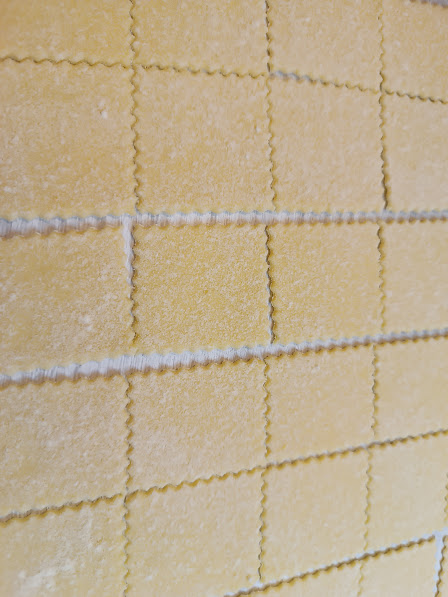
Once you have a nice dough ball, roll it out on the work surface until it’s about two mm thick.
Cut the dough into rectangles about 2×3 cm with the help of a pastry cutter.
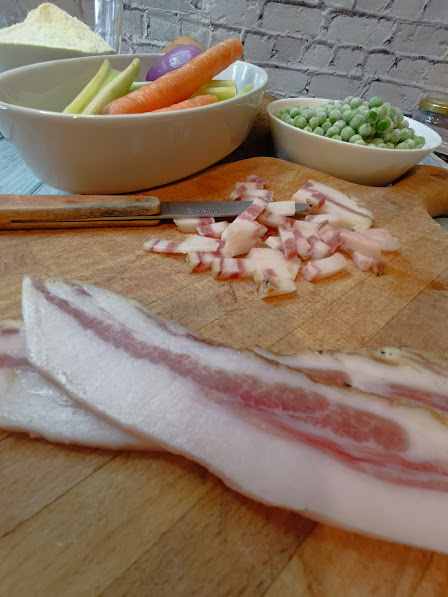
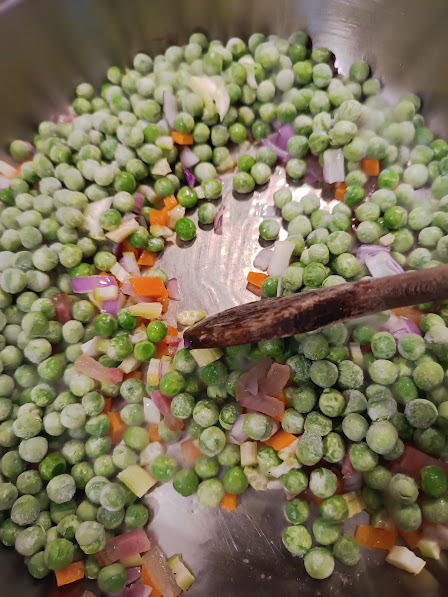
After coarsely chopping the vegetables for the sauté and the bacon into strips or cubes, sauté them in a large pan with a little olive oil.
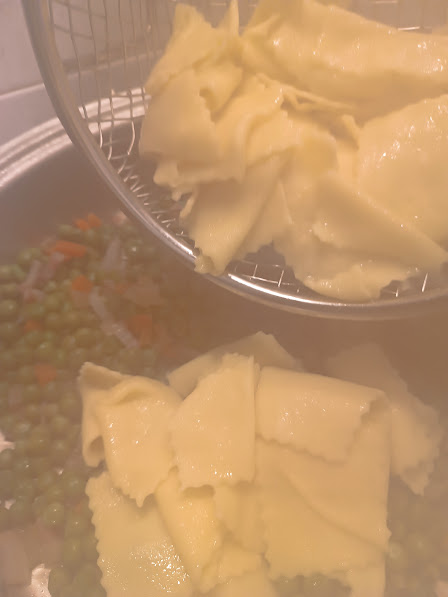
Cook the pasta in salted water and then combine it with the sauce.
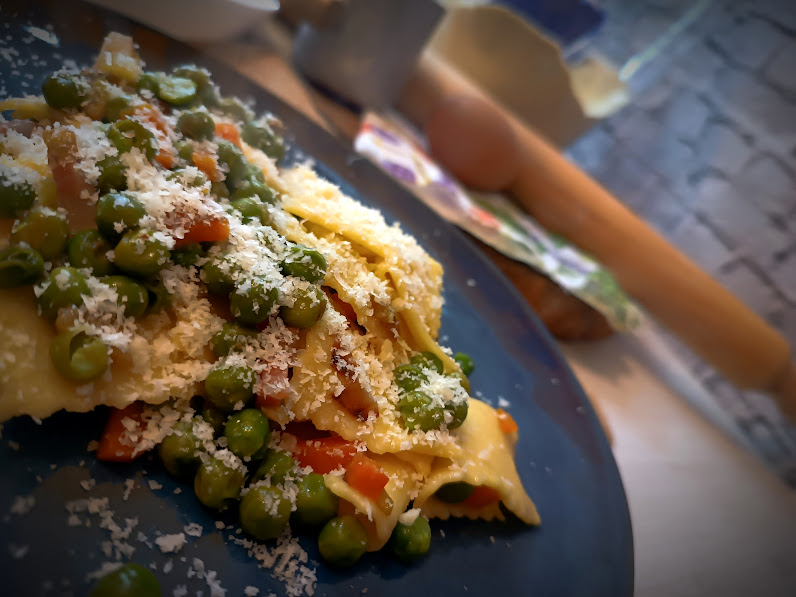
A simple and quick first course in the name of tradition, complete and tasty!
As I often say, the only variation is in the use of flour; in the handed-down recipes, they used what was available. Otherwise, the type of pasta remains, but the recipe changes with other ingredients.
As I often say, the only variation is in the use of flour; in the handed-down recipes, they used what was available. Otherwise, the type of pasta remains, but the recipe changes with other ingredients.
