
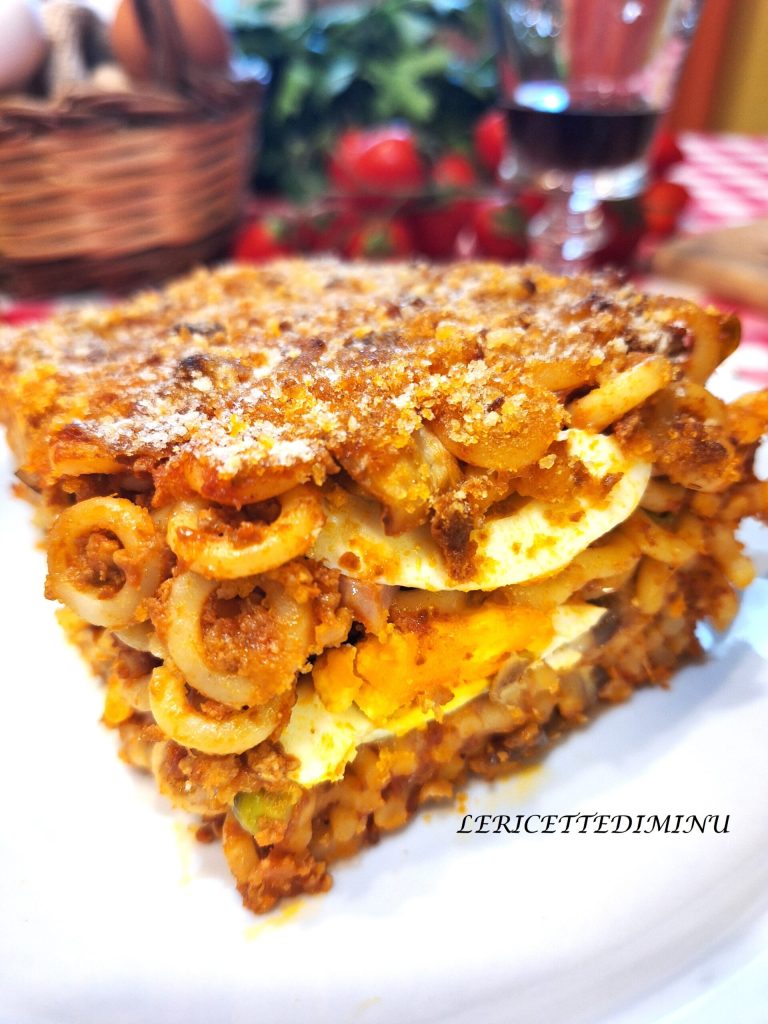
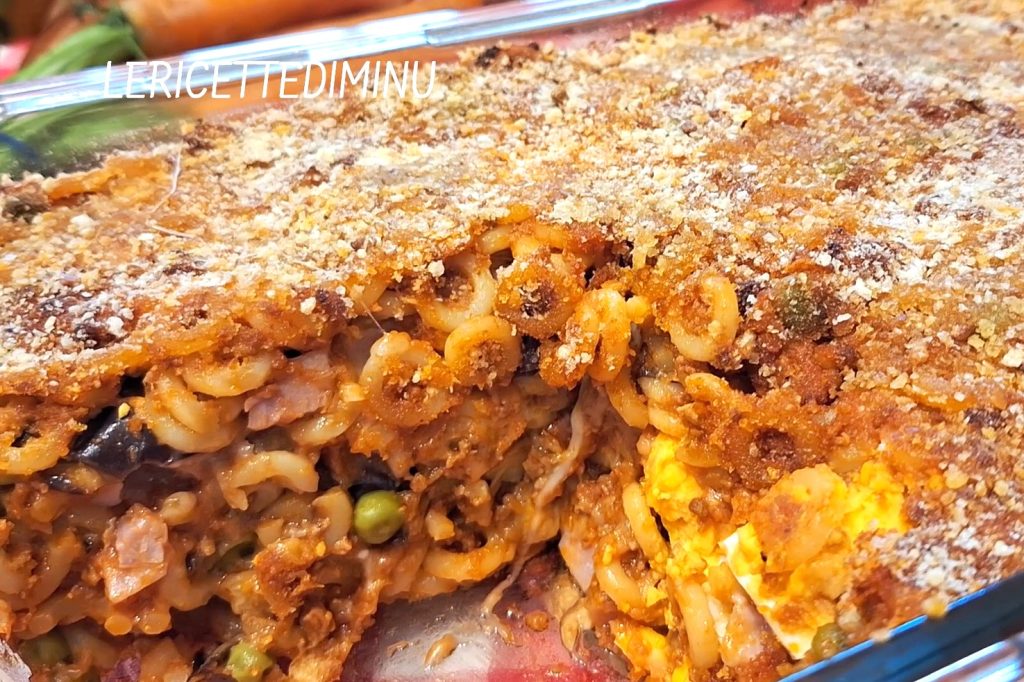
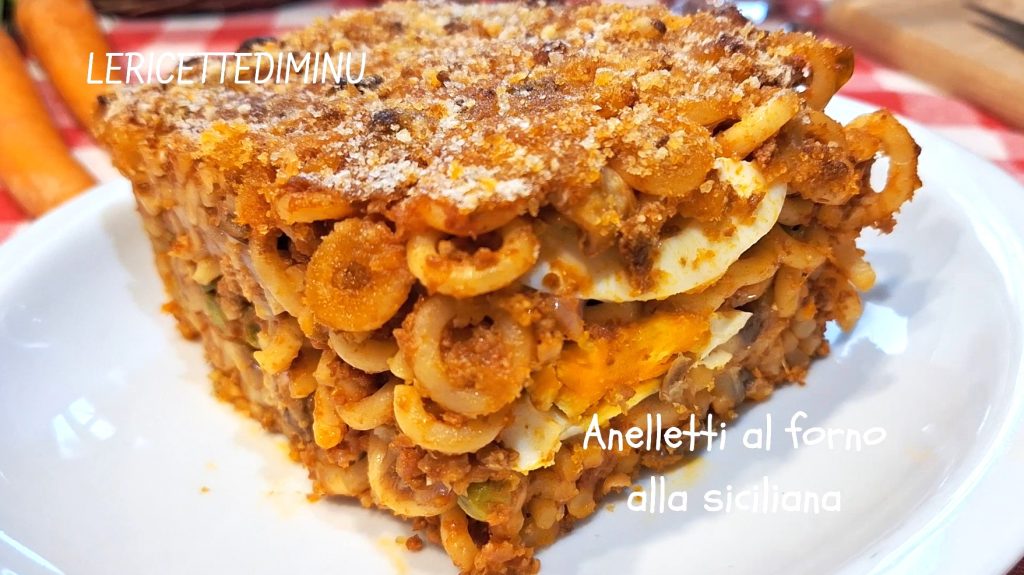
Baked Sicilian anelletti is a typical first course widely spread in Sicily, especially in the areas of Palermo and Trapani.
The protagonists are indeed the anelletti, a type of dry pasta that holds up particularly well to baking and can be easily found in any supermarket.
The seasoning consists of a tasty ragù made with a mix of beef and pork, with the addition of peas.
Ingredients dear to Sicilian tradition like fried eggplants, boiled eggs, and flavorful local caciocavallo cheese give the dish a characteristic note, providing a real boost.
As does the crunchy breadcrumb crust that forms during cooking, making this pasta even more tempting.
As is often the case, there may be changes to the recipe from one area to another, largely due to family traditions, but the ingredients indicated here are, in my opinion, truly essential for making this dish at its best.
A rich and inviting first course, great for making on festive days or family Sundays. Sicilians also prepare baked anelletti on outdoor trips to the mountains or sea, as it’s a pasta that’s great to enjoy even a few hours after it’s baked.
It’s a preparation that certainly requires some steps, but its goodness is well worth the effort.
The ideal is to prepare plenty of it, so that even the next day you’ll find yourself with a ready main course that’s just as good as the day before, or maybe even better.
If you like my recipes, you can follow me on my FACEBOOK page and on INSTAGRAM
Thank you ❤️😘❤️
- Difficulty: Medium
- Cost: Affordable
- Preparation time: 45 Minutes
- Portions: 10
- Cooking methods: Oven, Stove
- Cuisine: Italian
- Seasonality: All seasons
- Energy 1,038.71 (Kcal)
- Carbohydrates 41.37 (g) of which sugars 8.43 (g)
- Proteins 36.94 (g)
- Fat 86.30 (g) of which saturated 13.74 (g)of which unsaturated 47.24 (g)
- Fibers 7.35 (g)
- Sodium 1,295.92 (mg)
Indicative values for a portion of 280 g processed in an automated way starting from the nutritional information available on the CREA* and FoodData Central** databases. It is not food and / or nutritional advice.
* CREATES Food and Nutrition Research Center: https://www.crea.gov.it/alimenti-e-nutrizione https://www.alimentinutrizione.it ** U.S. Department of Agriculture, Agricultural Research Service. FoodData Central, 2019. https://fdc.nal.usda.gov
Ingredients
- 1.1 lbs Sicilian anelletti
- 10.6 oz ground veal
- 10.6 oz ground pork
- 2.8 oz onion (fresh or dry)
- 2.8 oz carrot
- 0.7 oz celery
- 1 leaf bay leaf
- 1/2 cup red wine
- 2 tbsps tomato paste
- 4 1/4 cups tomato passata
- 7 oz peas
- to taste salt
- to taste black pepper
- to taste extra virgin olive oil
- 1 tbsp sugar
- 4 eggs
- 7 oz cooked ham (cut in a single slice)
- 2.2 lbs eggplants (violet)
- 5.3 oz caciocavallo cheese
- 2.8 oz provola (sweet)
- 3.5 oz pecorino (grated or grated Parmesan)
- 1.4 oz butter
- 6 tbsps breadcrumbs
- 2 cups sunflower oil (for frying)
Tools
- 1 Cutting board
- 1 Knife
- 1 Mandoline
- 1 Wooden spoon
- 1 Pan with lid 10 inches
- 1 Frying pan non-stick diam. 9 inches
- 1 Colander
- 1 Baking dish 12 inches x 8 inches
Steps
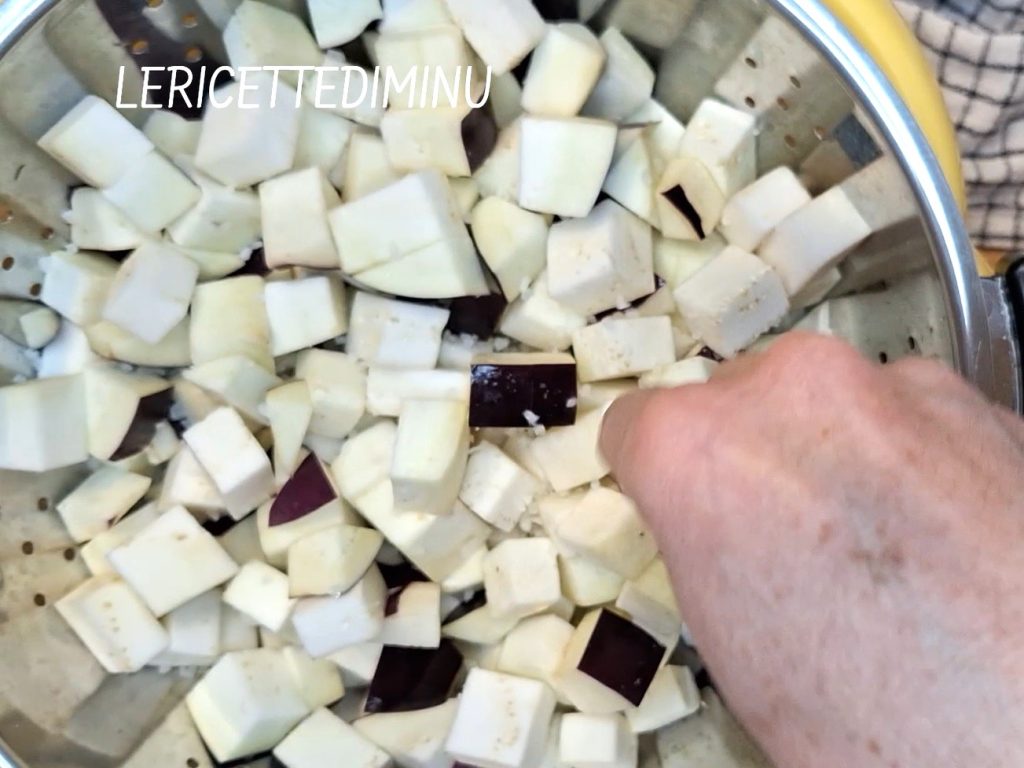
To prepare baked Sicilian anelletti, start by washing the eggplants and cutting them into cubes.
Place them in a colander, sprinkling them with coarse salt as you add more, so that they all come into contact with it.
Let them sit for about half an hour.
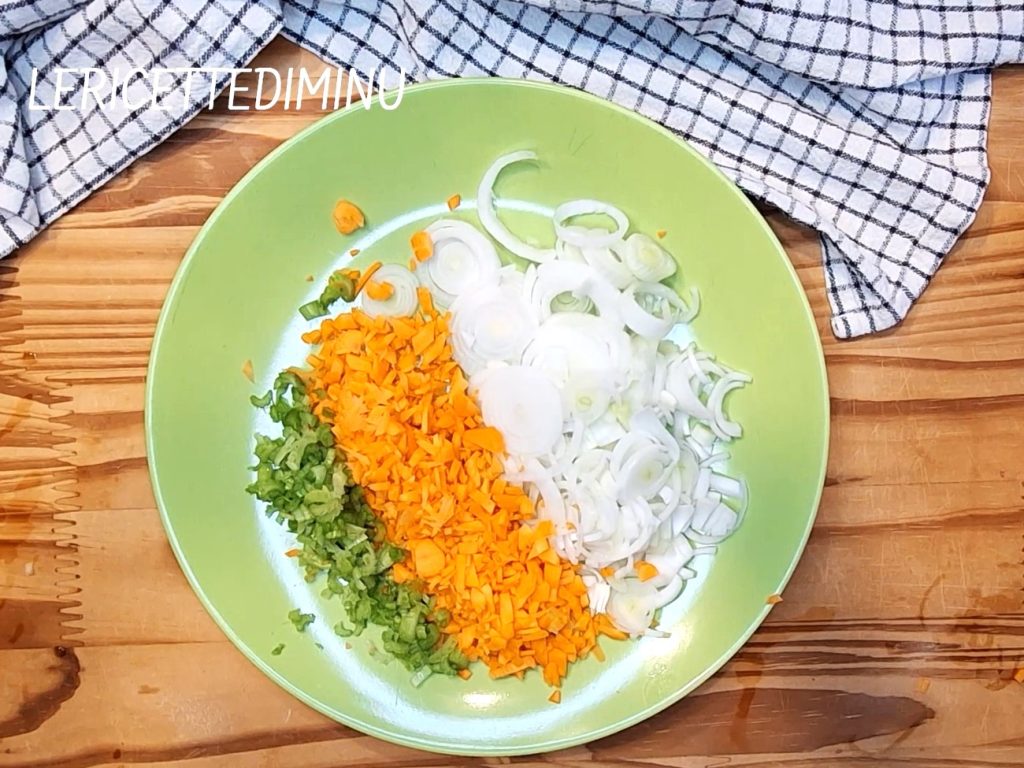
Next, cut the onion. If it’s fresh, it’s fine to chop into pieces, but if it’s dry, it’s better to slice it finely with the mandoline.
Then finely chop the carrot and celery with a knife.
Transfer the minced vegetables to a large pan with extra virgin olive oil and let them golden for about ten minutes over moderate heat.
Over high heat, add the minced veal and pork to the pot and break up the meat with a wooden spoon as it browns.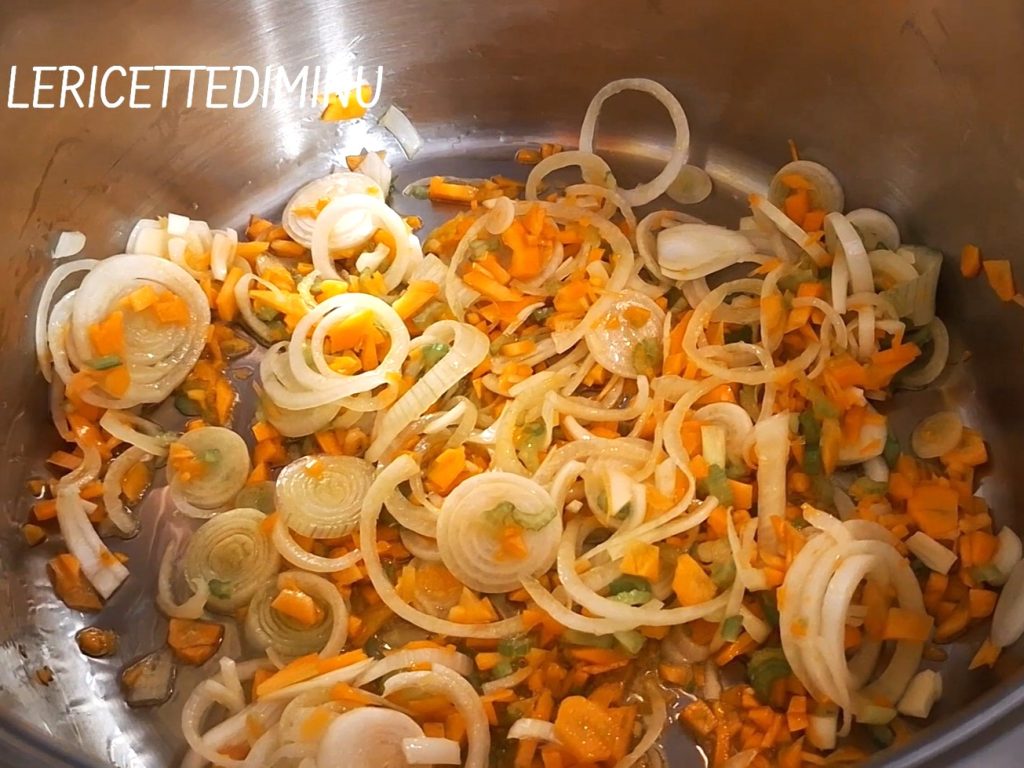
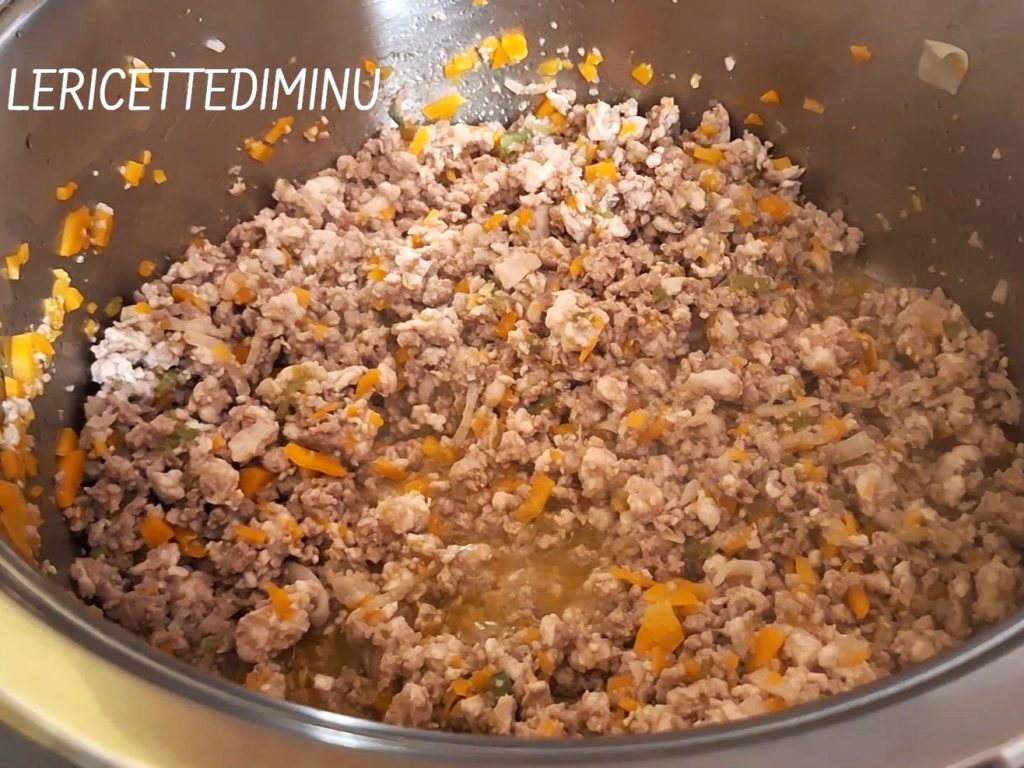
Deglaze with wine and only when it has completely evaporated, add the tomato passata first, then an equal amount of water.
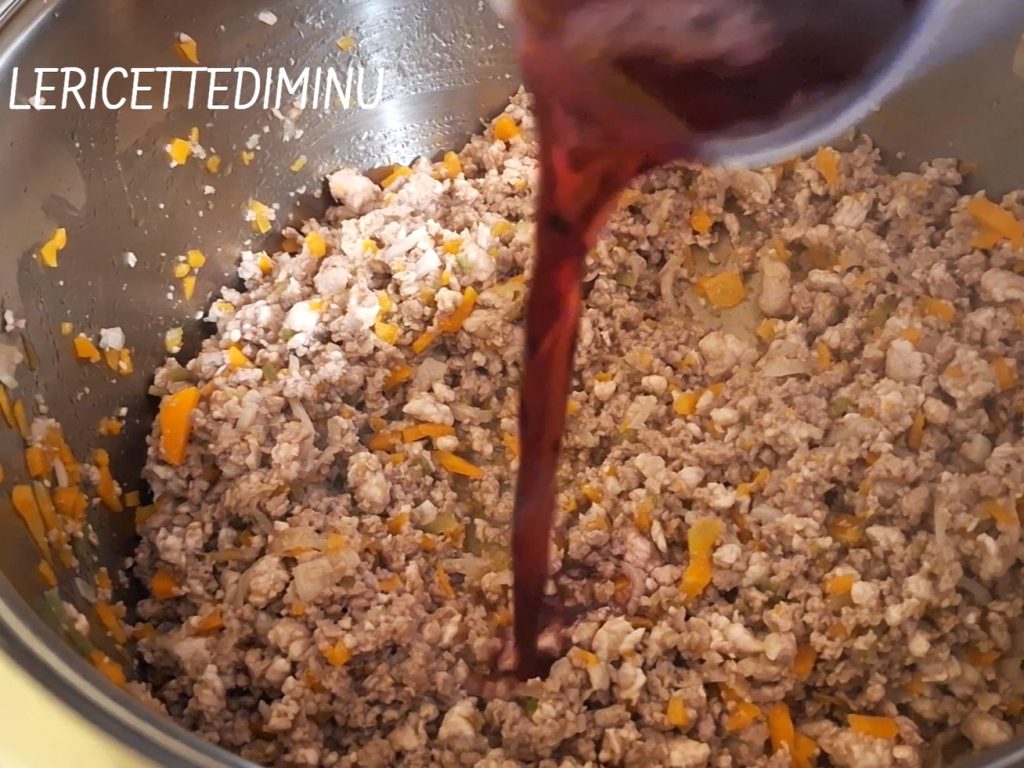
Add a bay leaf and the tomato paste dissolved in a little hot water, bring to a boil.
At this point, season with salt and pepper, move the pan to the smallest burner, and at very low heat, cook for about a couple of hours, covering with a lid but leaving a vent.
Stir occasionally, adding little hot water if necessary.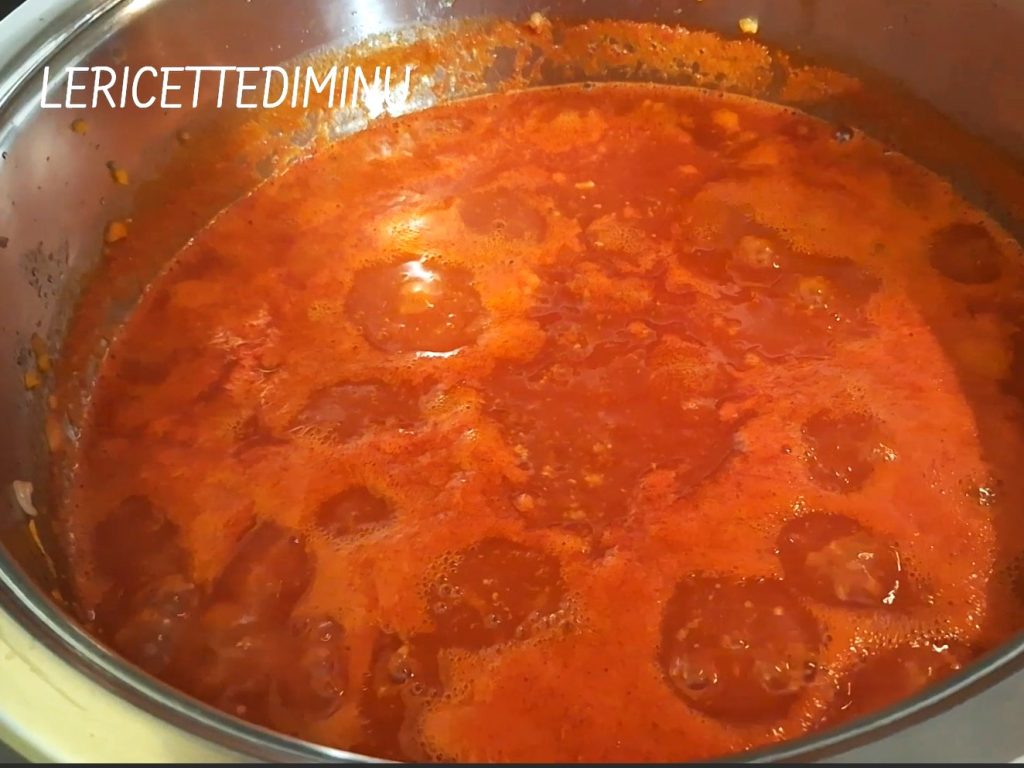
After the indicated time for the eggplants, remove the salt, quickly rinse them, and pat them dry with a cloth.
Heat a non-stick frying pan with half a liter of sunflower oil.
When dipping the handle of a wooden spoon into the oil, it will be surrounded by tiny bubbles rising quickly to the surface, you can fry the eggplants.
Do not fry them all together to avoid the oil temperature dropping, which would result in greasy and heavy fried food.
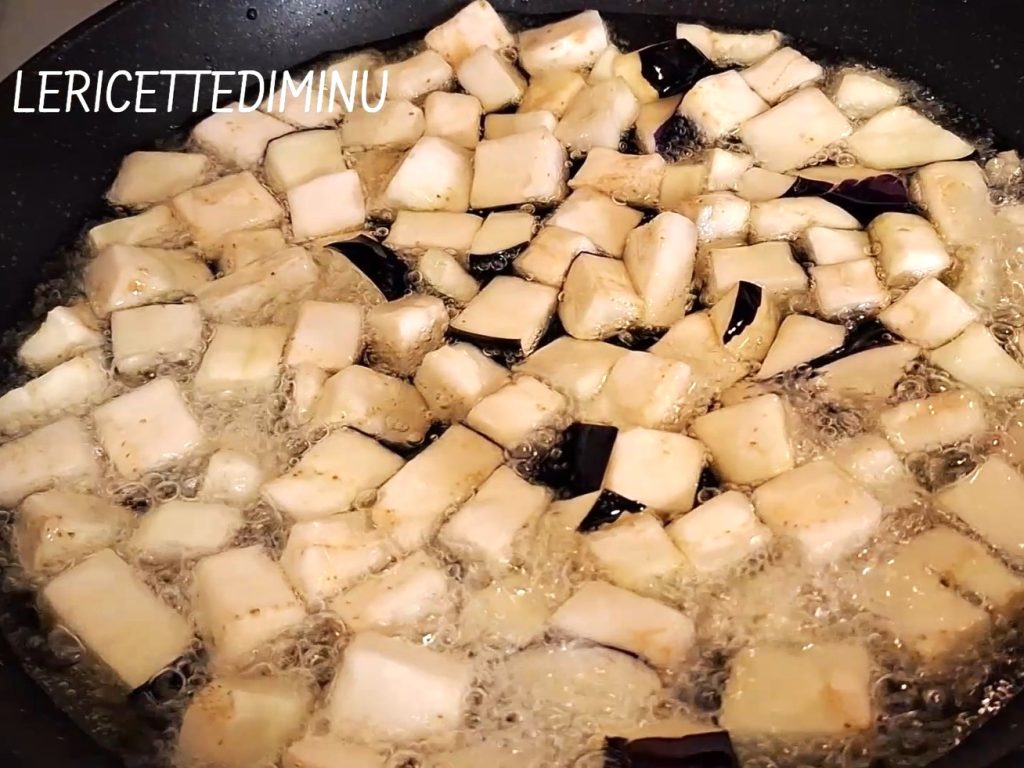
Then place the eggplant cubes on absorbent paper.
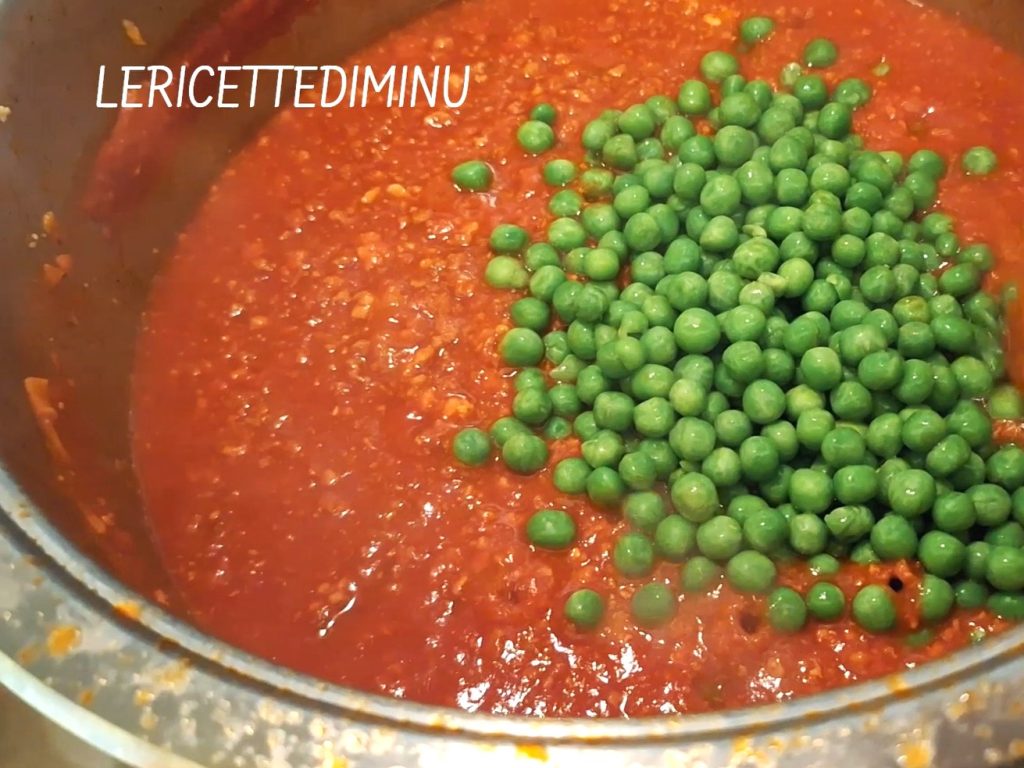
About fifteen minutes before turning off the heat, add the peas to the ragù.
Adjust the salt and if necessary, add 1 tablespoon of sugar to correct any acidity.
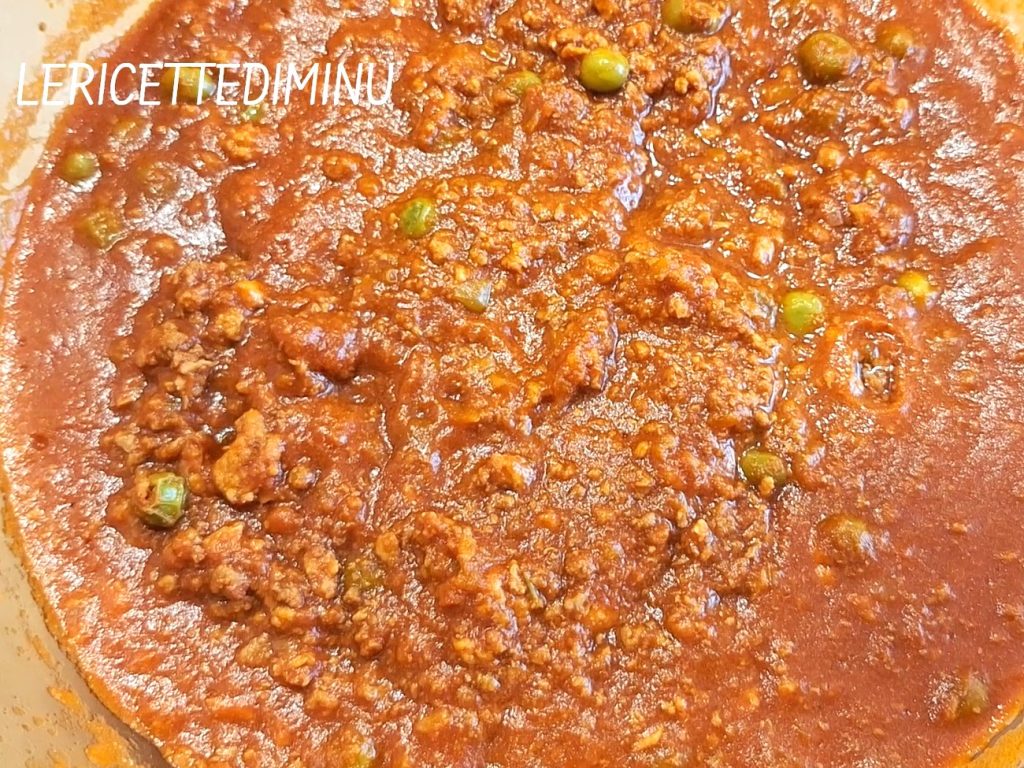
At the end, the ragù should be thick and therefore not too liquid and not too dry.
Boil the eggs for 8 minutes from boiling, then immerse in cold water after rinsing them several times under a stream of cold water.
When cold, peel them and cut each egg into 4 wedges.
Cut the ham into cubes, the caciocavallo and provola into small pieces to facilitate melting.
Cook the anelletti in boiling salted water, leaving them very al dente.For example: if the cooking times indicated on the pasta package are 13 minutes, cook for only 10 minutes, then drain immediately.
It’s important not to rinse the pasta.
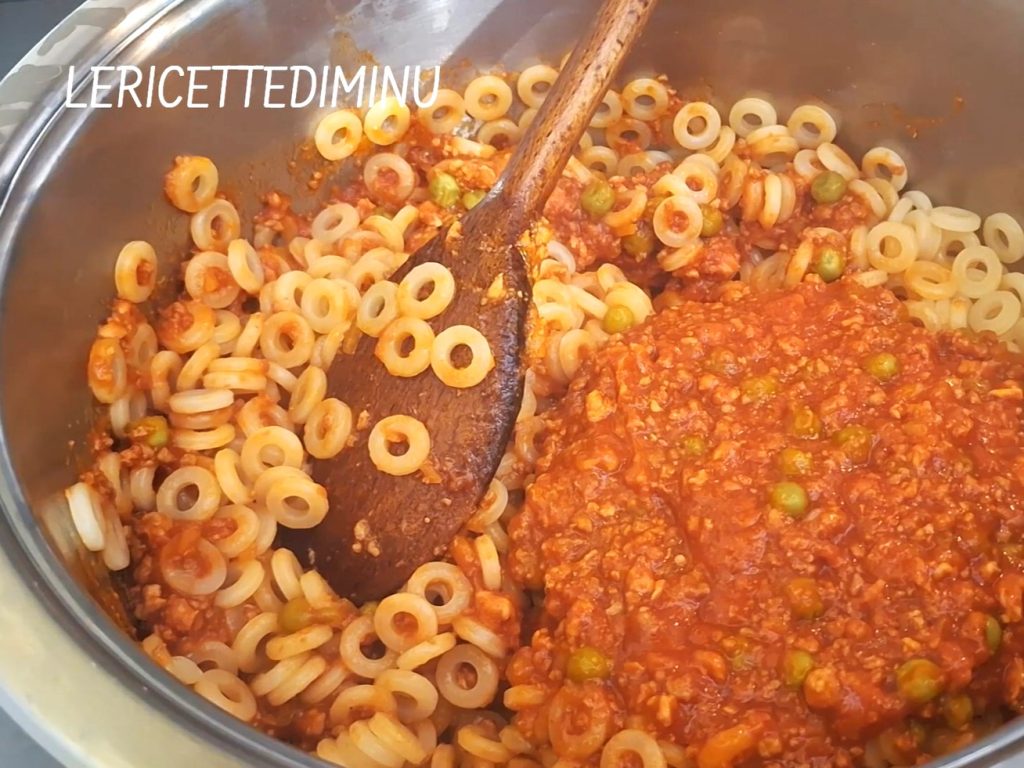
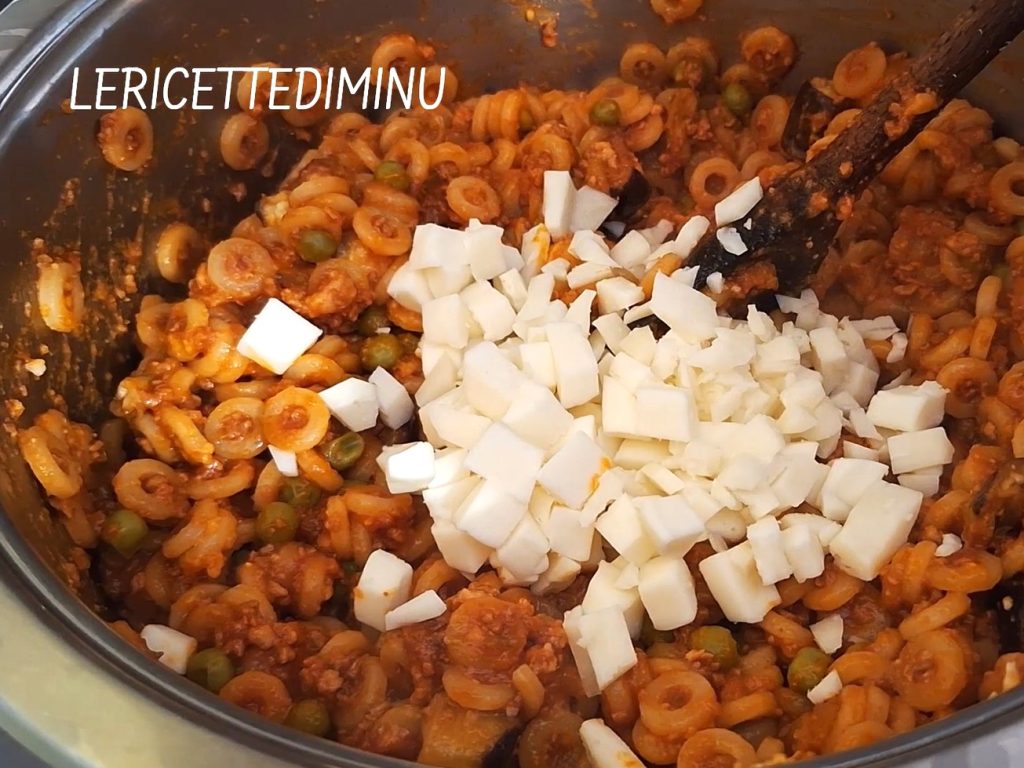
Transfer the anelletti back to the pot and add the hot ragù, leaving a few tablespoons aside, which can be added later to the layers you make or on the surface.
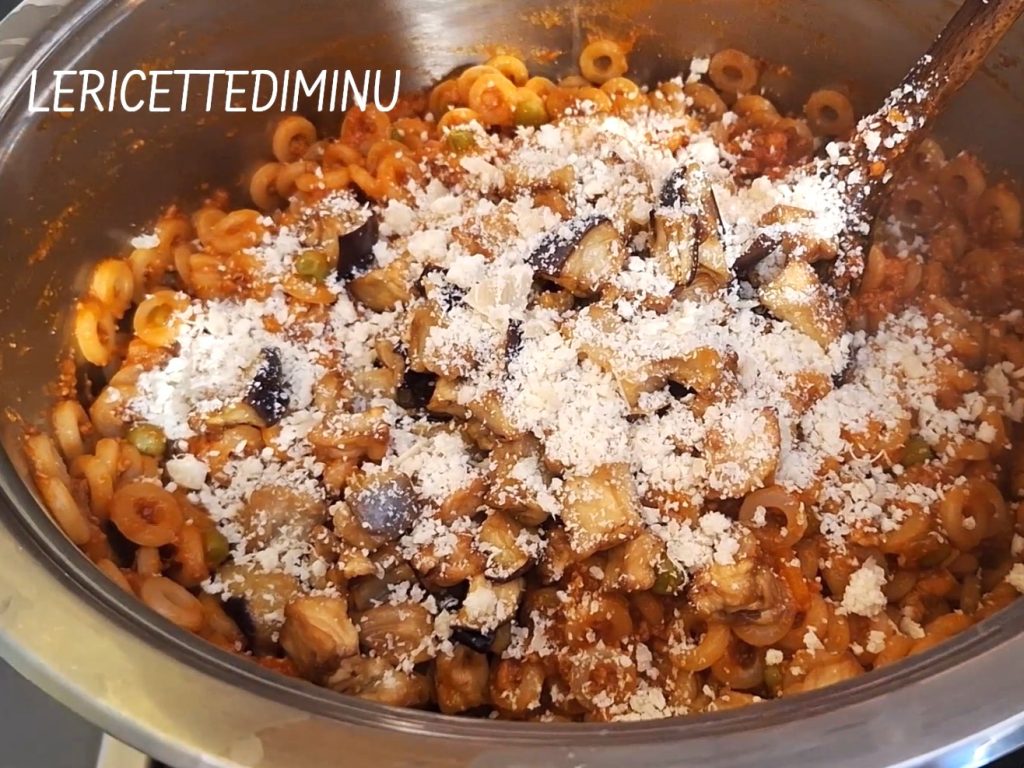
Flavor with two heaping handfuls of grated pecorino or Parmesan, a third of the fried eggplants, and a third of the cheeses in pieces.
Stir gently.
Generously butter a baking dish both at the base and sides, then sprinkle with about 3 tablespoons of breadcrumbs.
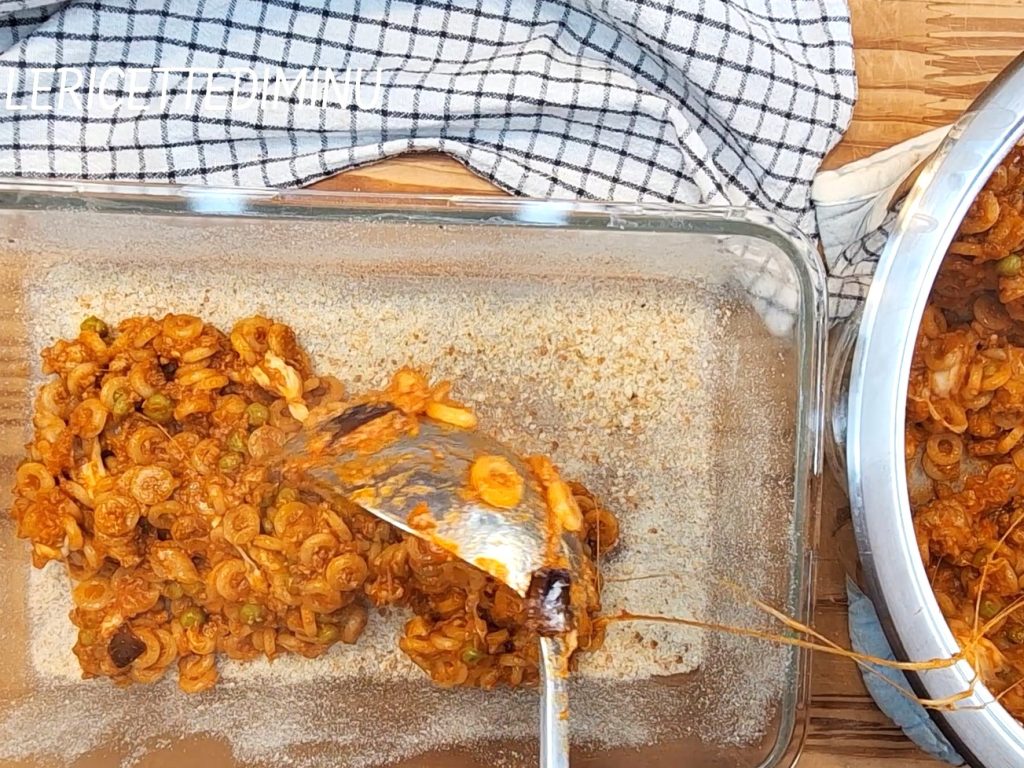
Place a third of the pasta in the dish and level it, pressing lightly and creating a higher side border with it.
Those who want can also add half the reserved ragù.
I, however, since it’s already richly seasoned, prefer to leave it for the surface.
Sprinkle the pasta evenly with half the ham, half the remaining eggplants, and half the cheeses in pieces.
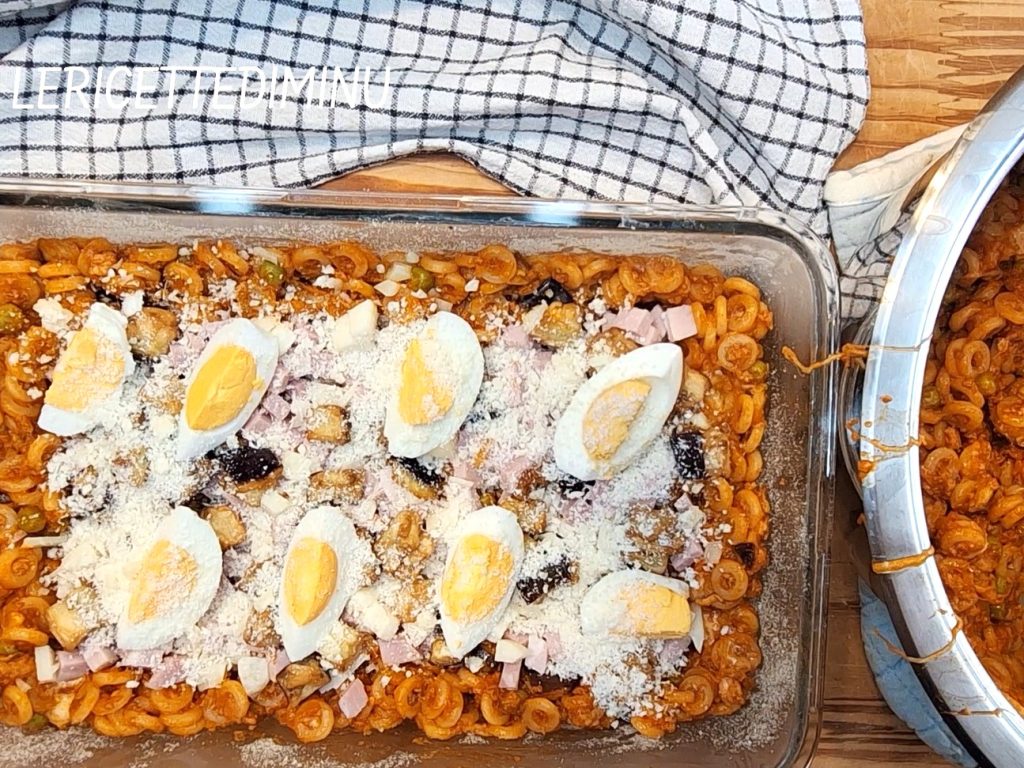
Finish with 8 egg wedges and a few tablespoons of grated pecorino or Parmesan.
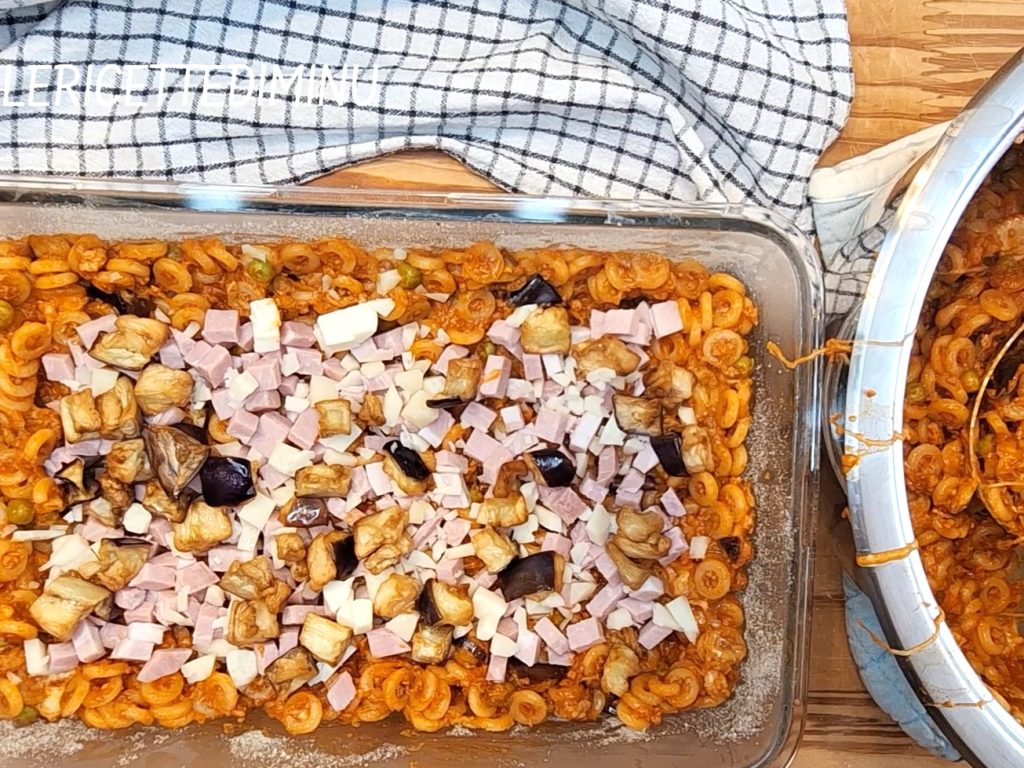
Add another layer of pasta on top, compact it, and fill this new layer as in the previous one, finishing the ingredients.
Finish with a layer of pasta, level by pressing.
At this point, I spread a few tablespoons of the reserved ragù on the surface, but without overdoing it.
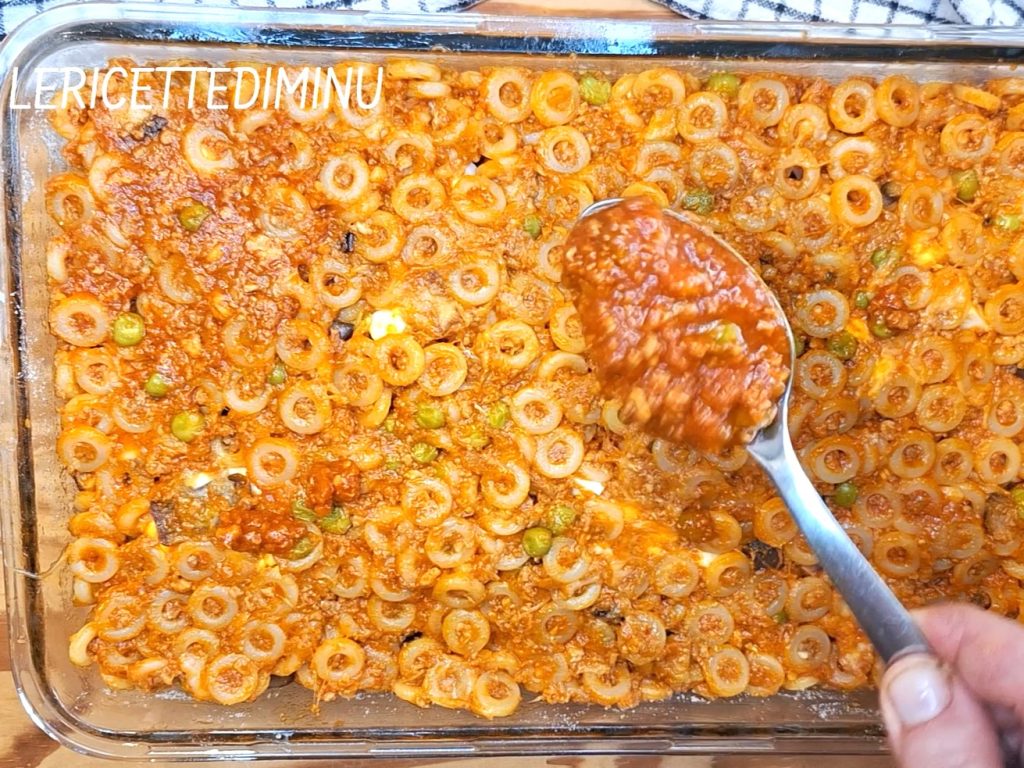
Sprinkle with breadcrumbs and distribute pieces of butter on the surface.
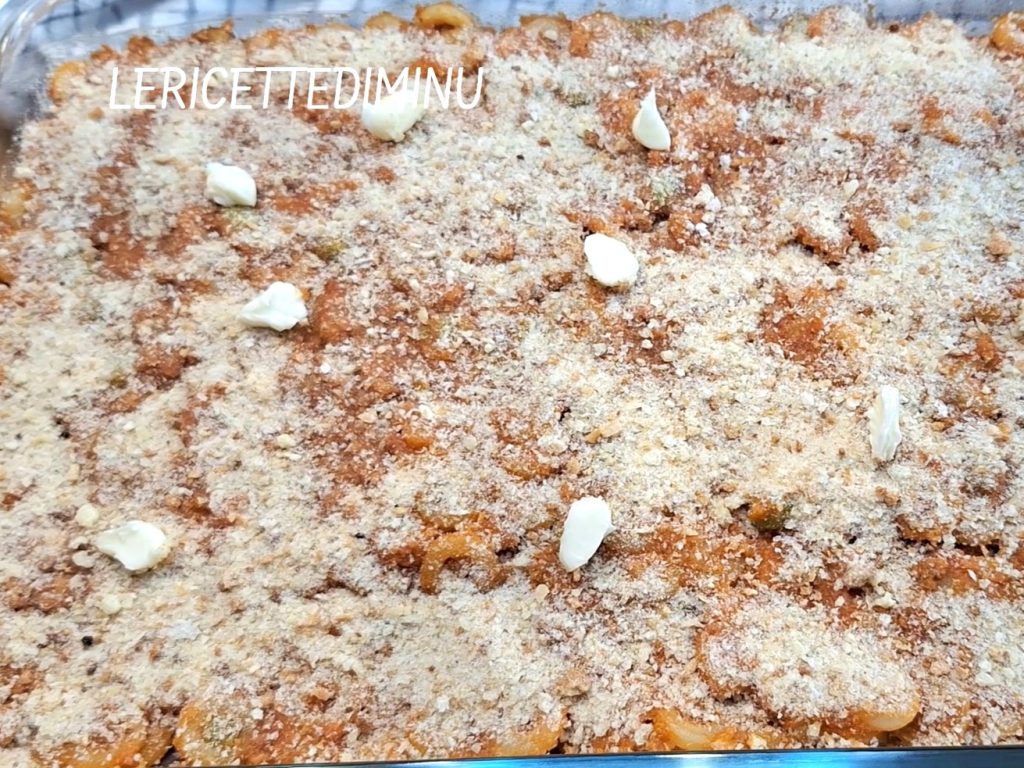
Bake at the center level of the static oven, already well hot, for about half an hour at 356°F.
In the last 5 minutes, raise the dish a level and activate the grill function to create a crispy crust on top.
Supervise this phase carefully to avoid the pasta burning on the surface.
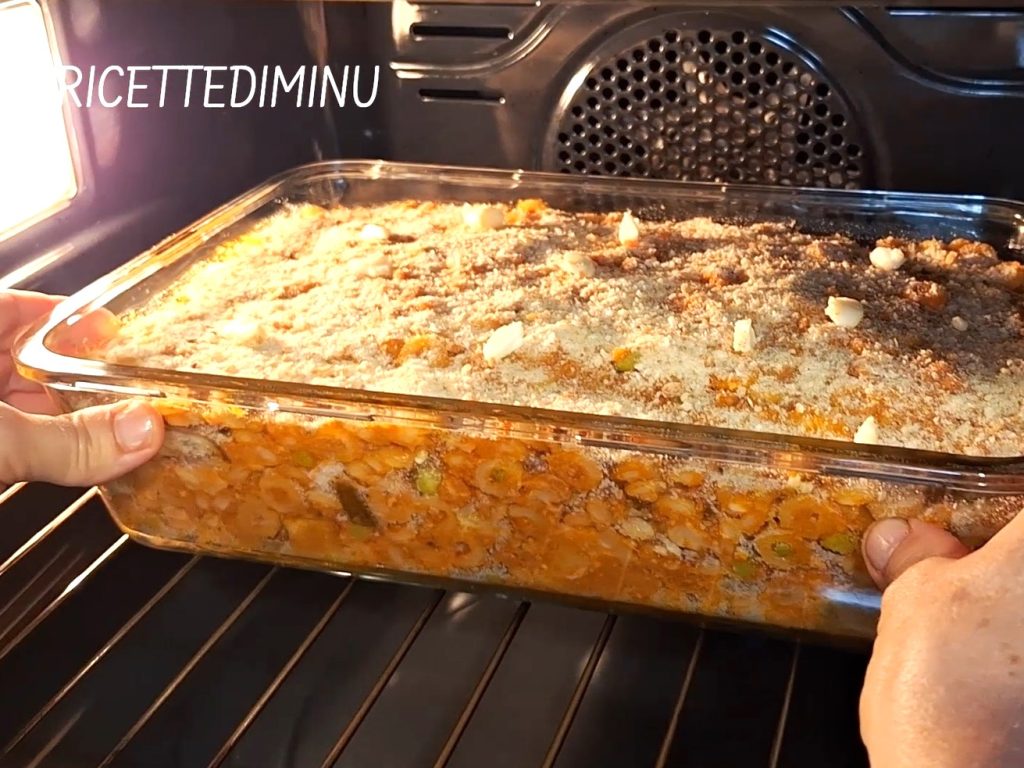
After removing the anelletti from the oven, wait at least fifteen minutes, or better yet half an hour, before slicing and serving, so they can firm up.
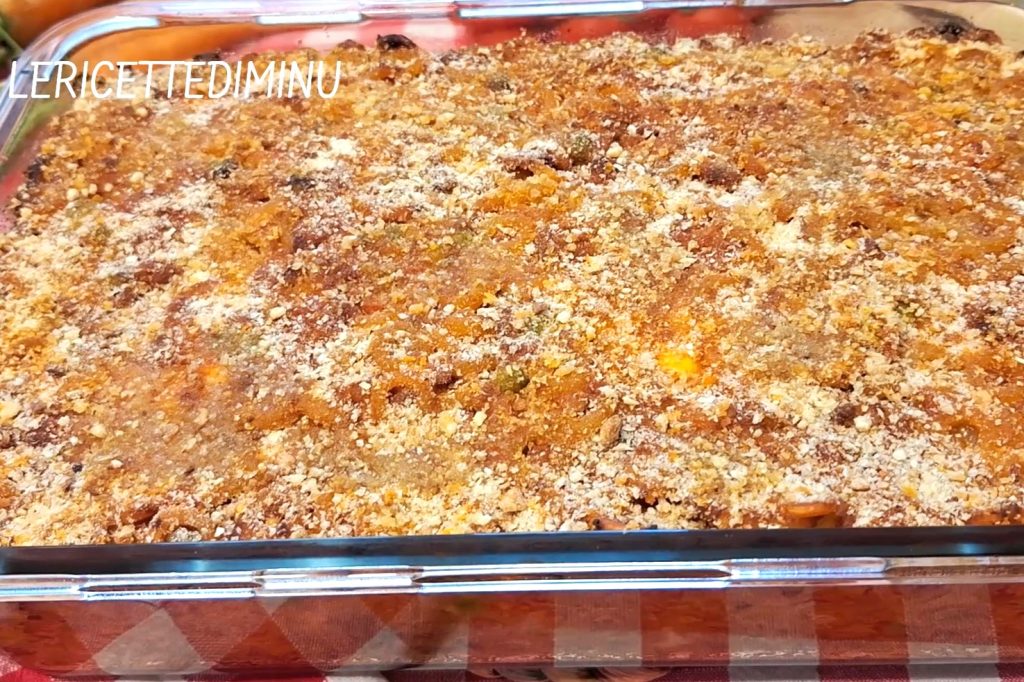
The baked Sicilian anelletti are now ready.
In the fridge, well closed in an airtight container, for a couple of days.
In the fridge, well closed in an airtight container, for a couple of days.
Here is a selection of excellent products useful in the kitchen. Many of these have been personally bought and tested by myself. The list will be constantly updated.
To view the recommended products click here.
To view the recommended products click here.
