
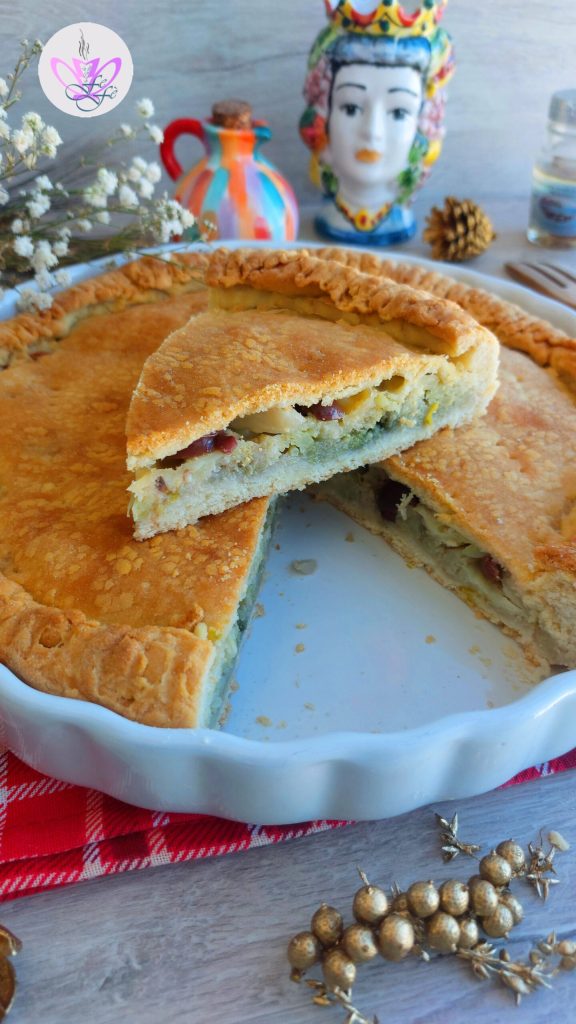
When asked which is the most quintessential dish rich in history and tradition of Catanese cuisine, I have no doubts, I answer the scacciata! This rustic savory dish made with durum wheat semolina like the cucciddatu, has indeed become a real symbol of Sicilian gastronomy, appreciated for its versatility and adaptability to any convivial occasion, and for its undeniable goodness! It presents itself as a sort of stuffed focaccia, made with simple Mediterranean ingredients, but well combined together and with a strong flavor like potatoes, broccoli or spinach, beets, tomatoes, cheese, anchovies, oregano, etc. A must-have, in short, that can never be missing from the Sicilian table, especially during the Christmas holidays! Its preparation, like all leavened products, requires a bit of time and patience, but the end result will definitely be worth it! The choice of fillings can vary greatly, from the use of local vegetables to the use of typical cheeses and cured meats. I’ll show you the different specialties over time, for now, I propose the version I love the most, the one with Sicilian purple cauliflower and anchovies in oil! After baking it, you can enjoy it both hot or cold, cut into slices and served as an appetizer or second course. You’ll fall in love with it! And if you love Catanese specialties, don’t miss the recipe for the rice zeppole, they are irresistible!
If you love typical Sicilian dishes, you absolutely must try these irresistible recipes from my land:
- Difficulty: Medium
- Cost: Medium
- Rest time: 4 Hours 50 Minutes
- Preparation time: 25 Minutes
- Portions: 26-28 inch pan
- Cooking methods: Oven, Electric Oven
- Cuisine: Italian
- Seasonality: Autumn, Winter, Christmas
Ingredients
- 1.1 lbs remilled durum wheat semolina
- 1 cup water (lukewarm)
- 0.4 oz fresh yeast
- 1/2 teaspoon sugar (or malt)
- 2.7 tbsp extra virgin olive oil
- 0.28 oz salt
- 0.9 lbs Sicilian cauliflower (already cleaned and cut into florets)
- 3 fresh spring onions
- 5.3 oz fresh pepato cheese (or other semi-soft cheese like tuma)
- 1.8 oz black olives (from Etna)
- 4 anchovies in oil
- 2 tablespoons extra virgin olive oil
- 1 pinch salt
- to taste pepper
Tools
⚠ THIS RECIPE CONTAINS ONE OR MORE AFFILIATION LINKS. The products I recommend are the same ones I use in my recipes; buying them through my blog helps support me and my work, while it won’t cost you any more!
- 1 Bowl
- 1 Basin
- 1 Wooden spoon
- 1 Dishcloth
- 1 Pan
- 1 Pot
- 1 Colander
- 1 Lid
- 1 Rolling pin
- 1 Fork
- 1 Cake pan
Steps
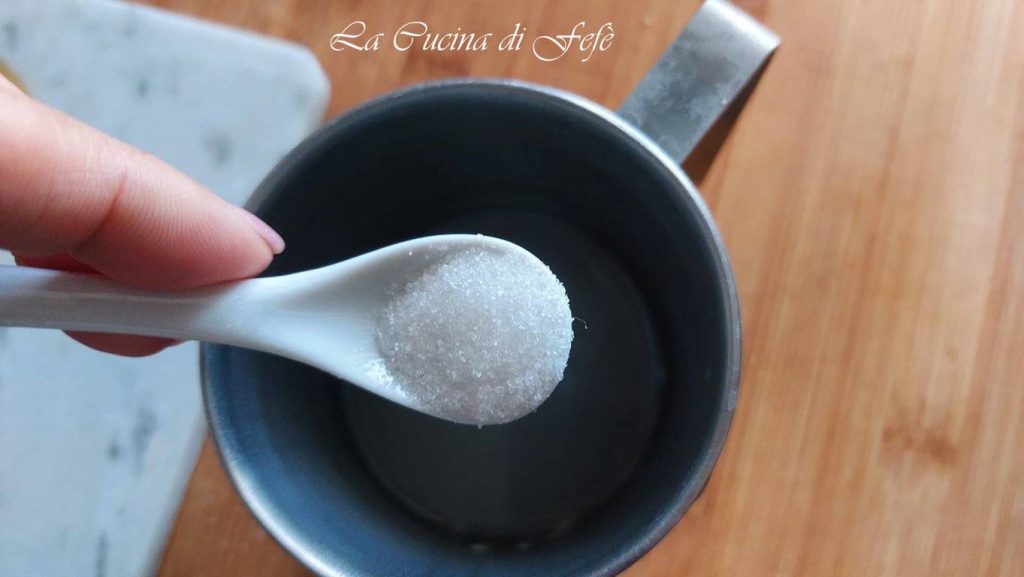
In a bowl or small pan, dissolve the crumbled yeast in 125 ml of room temperature water along with the sugar and mix well.
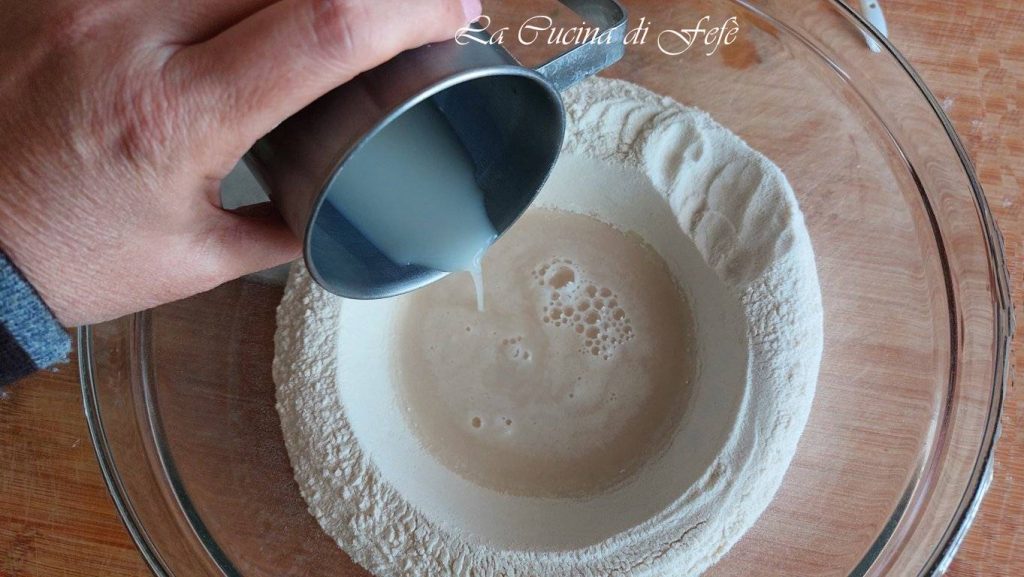
In a large basin, pour the semolina except for 20 grams that you will use for the work surface, create a well in the center and add the water with the dissolved yeast.
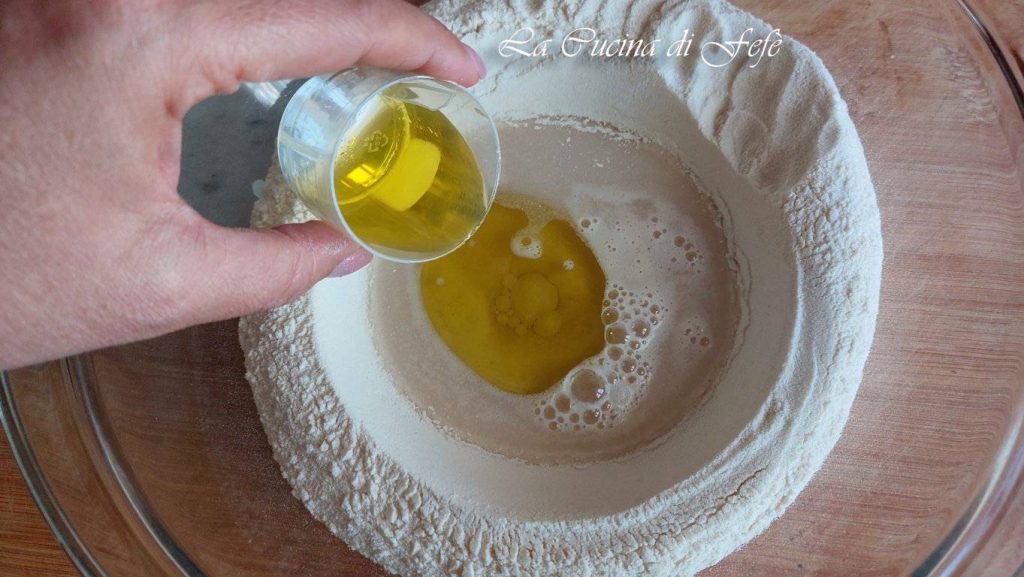
Add the remaining water and the oil in a stream, then start working the dough with the help of a wooden spoon.
When you have obtained a single dough, finally add the salt.
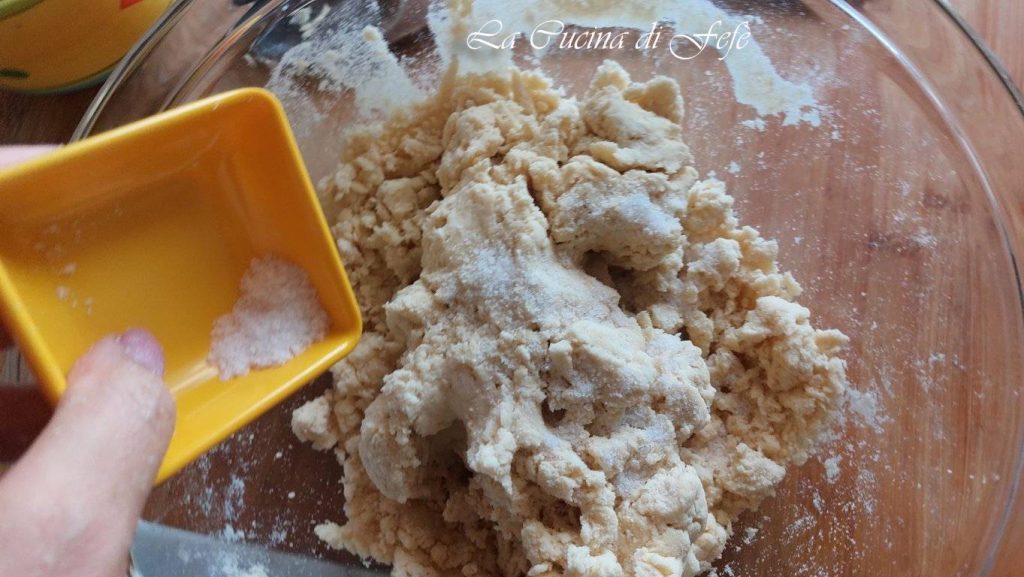
Continue working and then transfer the dough to the work surface and knead for about 8-10 minutes.
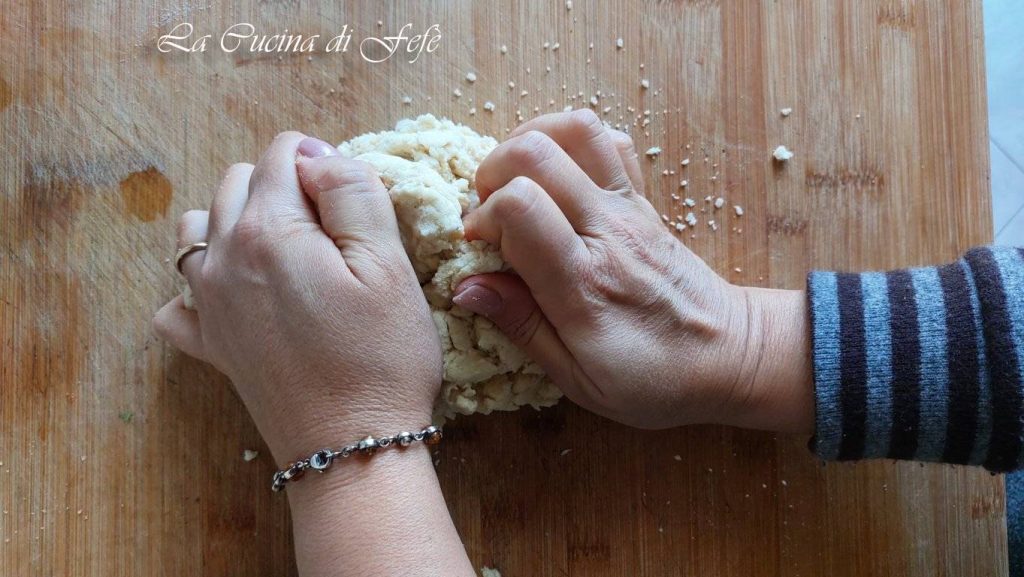
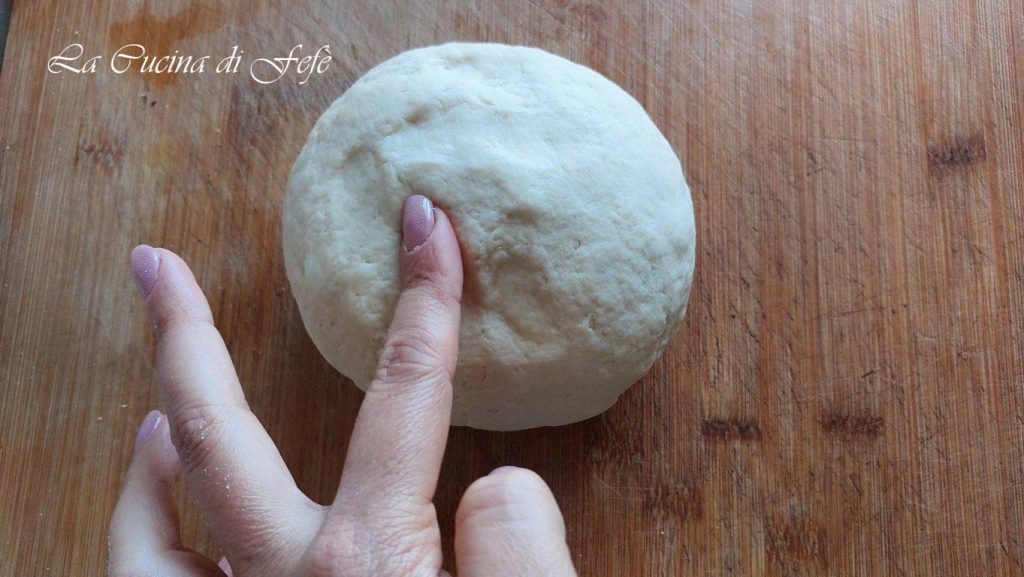
You should obtain a smooth dough that doesn’t stick to your hands.
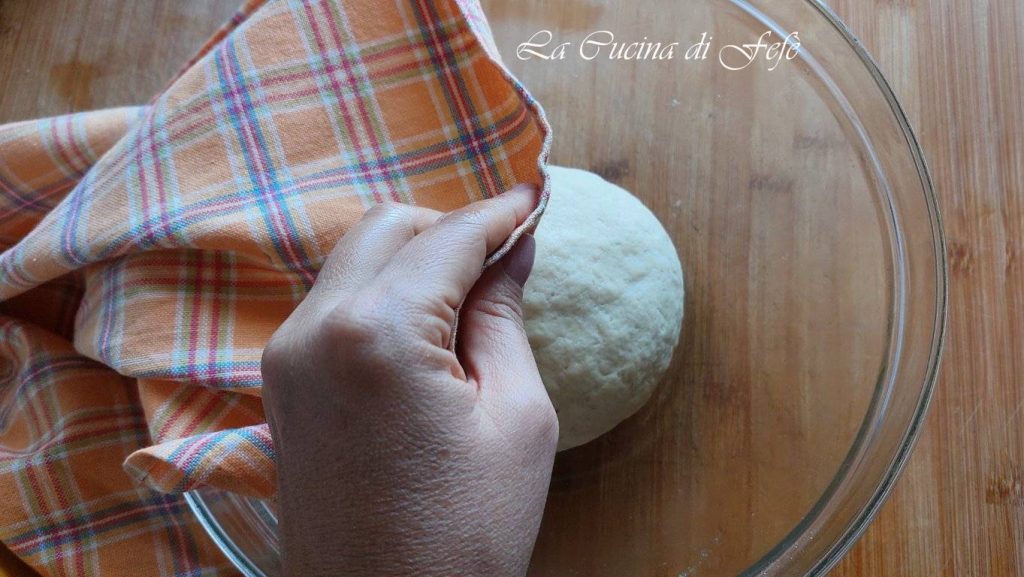
Place the dough in a bowl greased with some oil, cover with a dishcloth (I also add an old blanket or a plaid) and let it rise for 3-4 hours or until it doubles in volume inside the turned-off oven with the internal light on.
Meanwhile, after rinsing the cauliflower florets well under running water, blanch them for 5 minutes in salted boiling water.
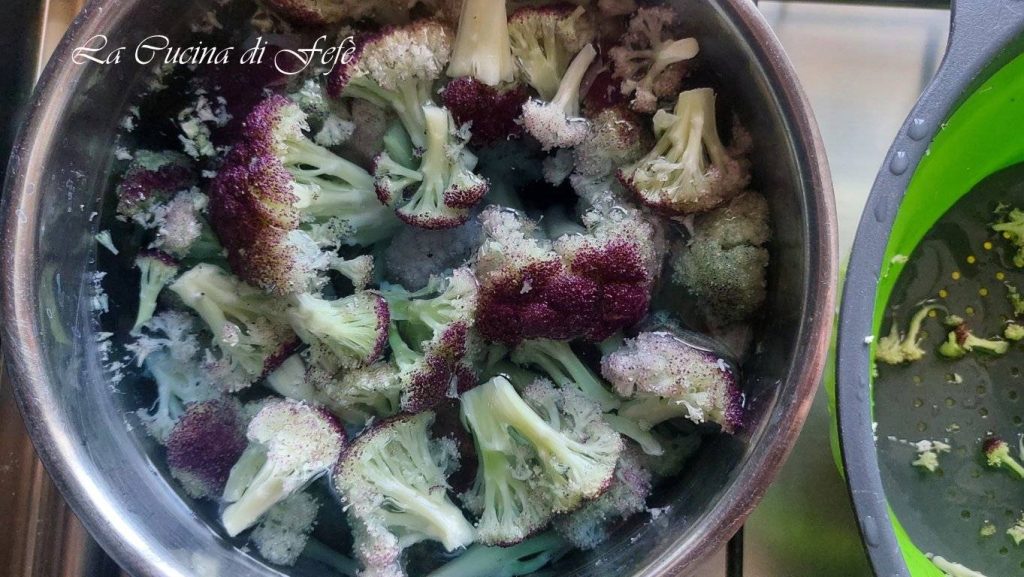
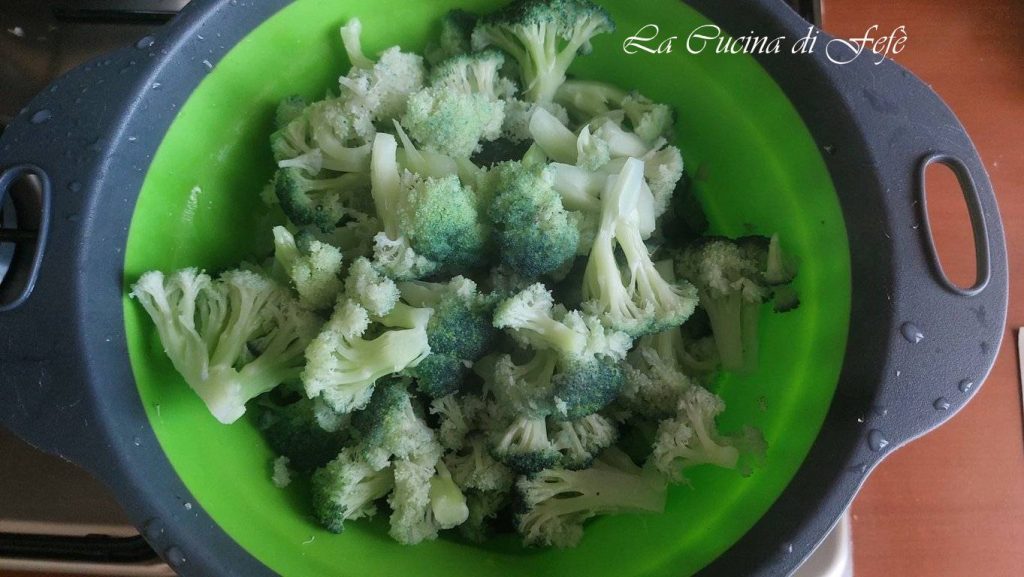
After this time, transfer them to a colander to drain and cool.
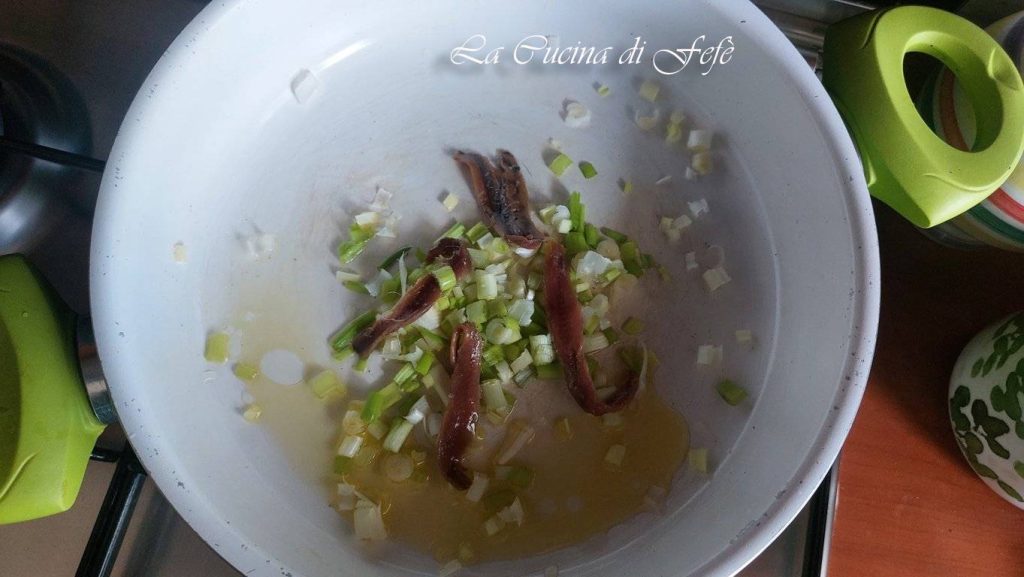
In a large non-stick pan, brown the fresh spring onions sliced into rings with 2 generous tablespoons of oil, also add the anchovies and let them melt over low heat for a couple of minutes.
Add the cauliflower florets and cook over medium heat for 8-10 minutes with a lid, adding a little cooking water only if necessary. At the end of cooking, they should have absorbed all the broth and be dry.
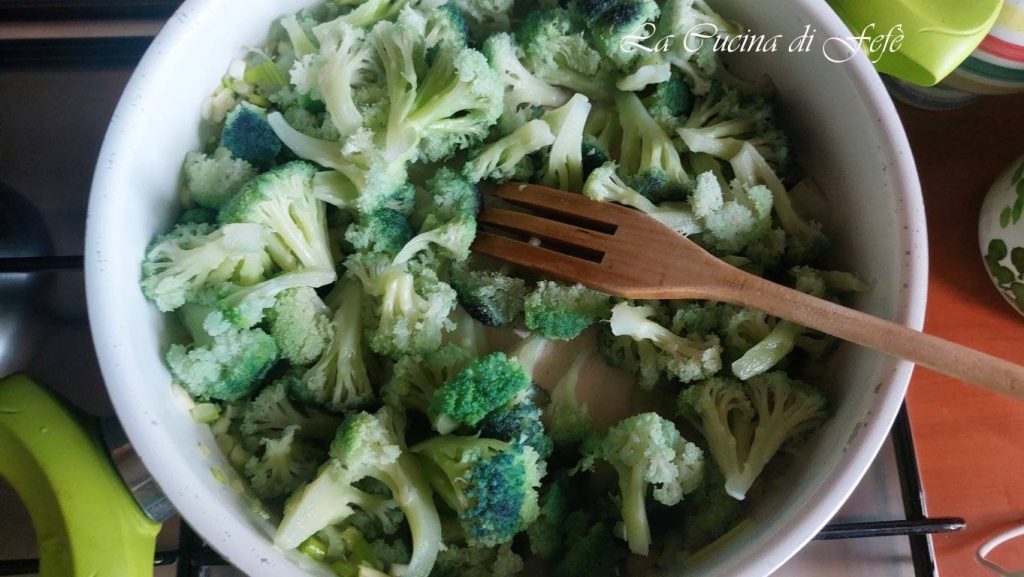
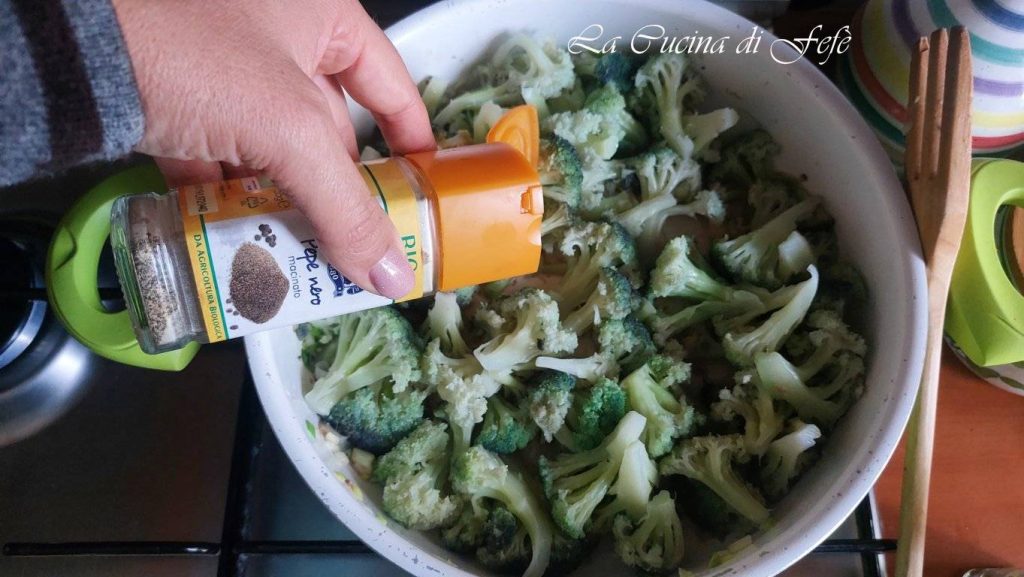
Adjust with salt and pepper, stir, and turn off the heat.
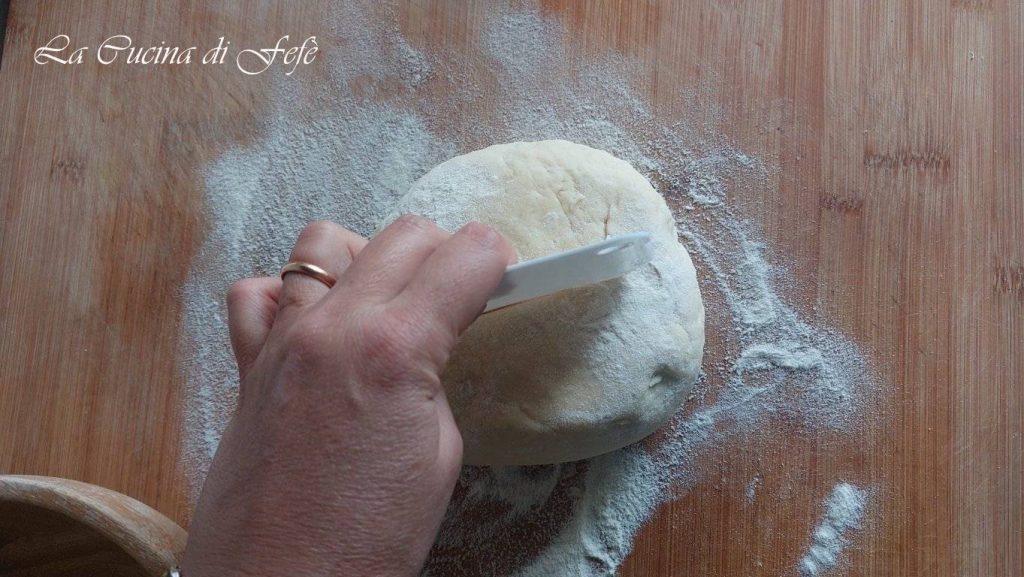
After the rising time, transfer the dough to the work surface with the reserved semolina, work it with your hands to deflate it and divide it into 2 parts, one slightly larger than the other.
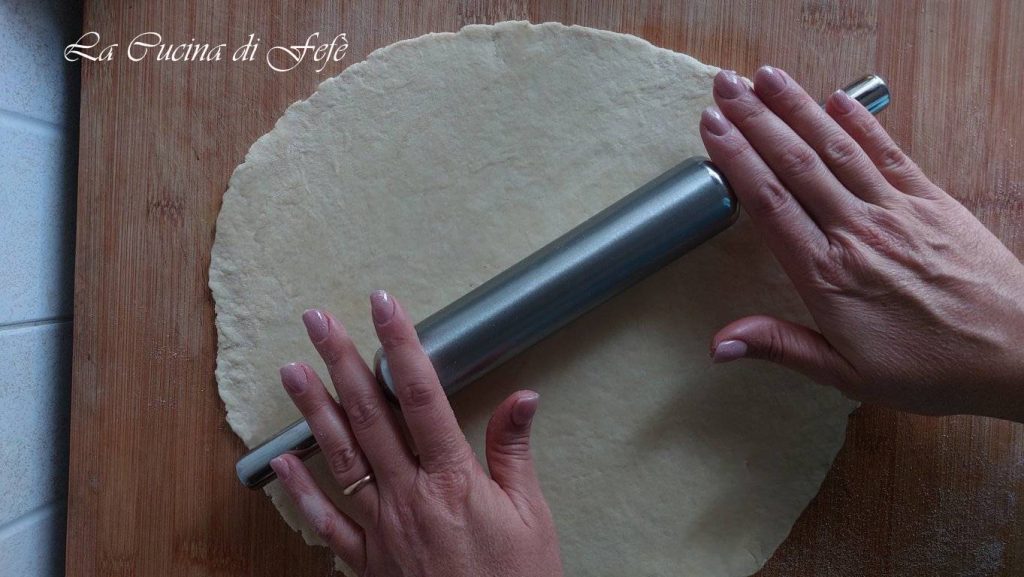
With the help of a rolling pin, roll out the larger dough until you create a thin sheet.
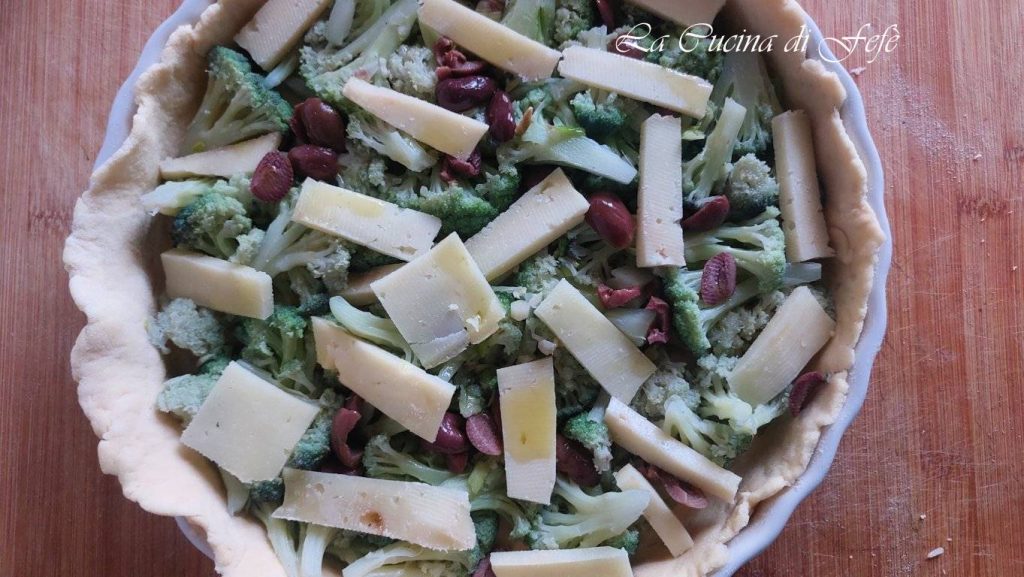
Place the dough on a pan brushed with olive oil and prick the bottom with the prongs of a fork. Fill with half of the cheese sliced, the cauliflower, the previously pitted olives, and the remaining cheese on top.
Roll out the second dough to create the sheet to cover the scacciata. Fold the edges to form a cord and seal with the prongs of a fork.
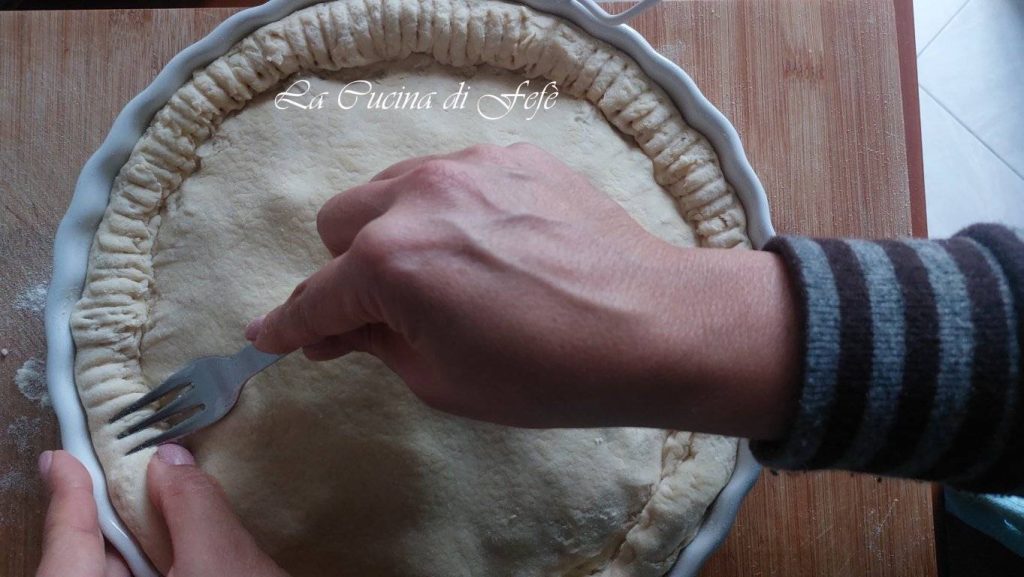
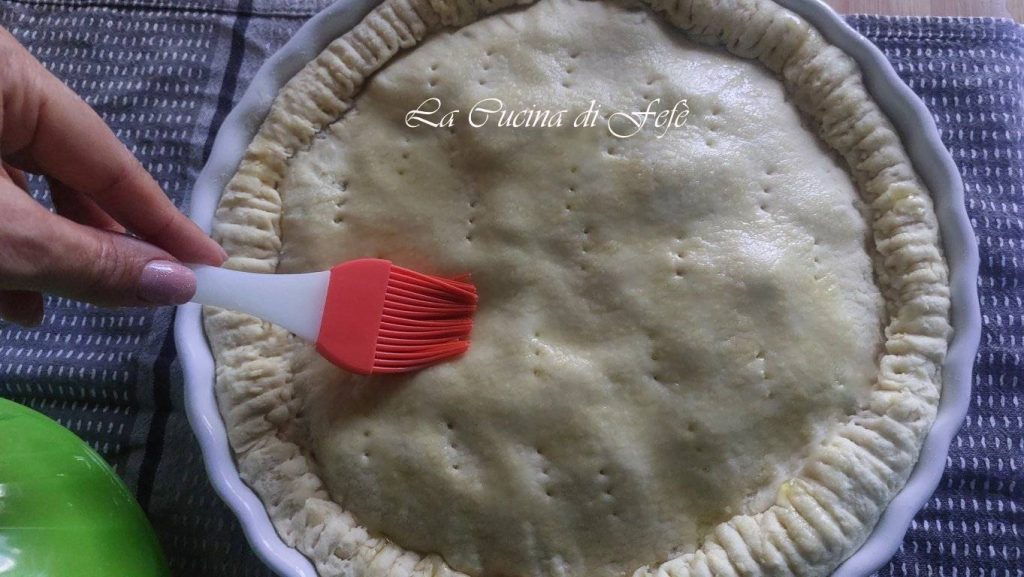
Prick the surface of the scacciata again with the prongs of a fork (some make a half-centimeter hole in the center). Cover and let it rise for 40-50 minutes. After this time, brush the surface well with some oil and bake in a static oven preheated to 375°F for 35 minutes, then use the grill mode (top-only cooking) for another 5 minutes or until it is well golden on the surface too.
Remove from oven and let cool.
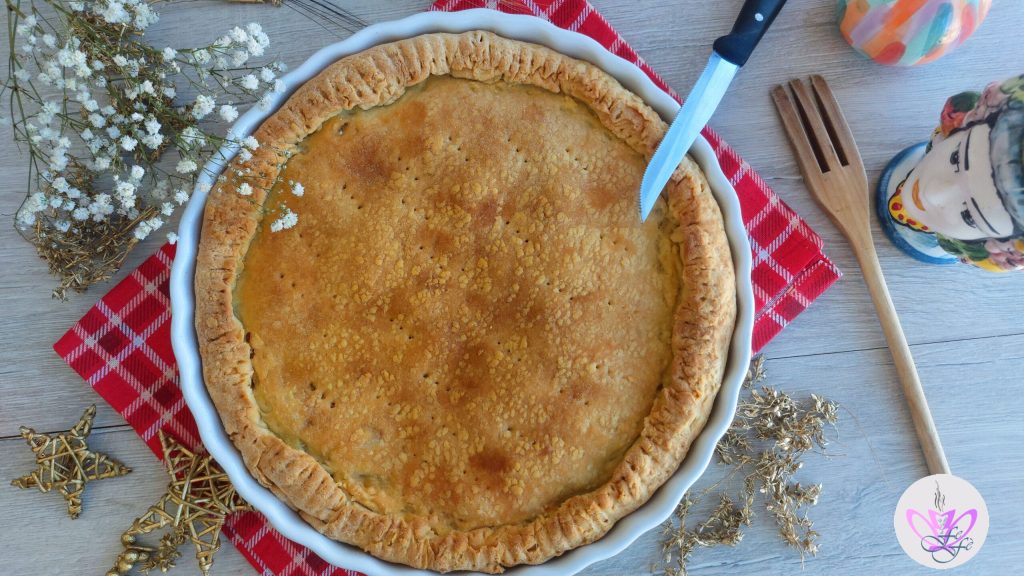
And voilà… the Catanese scacciata is ready to be enjoyed!
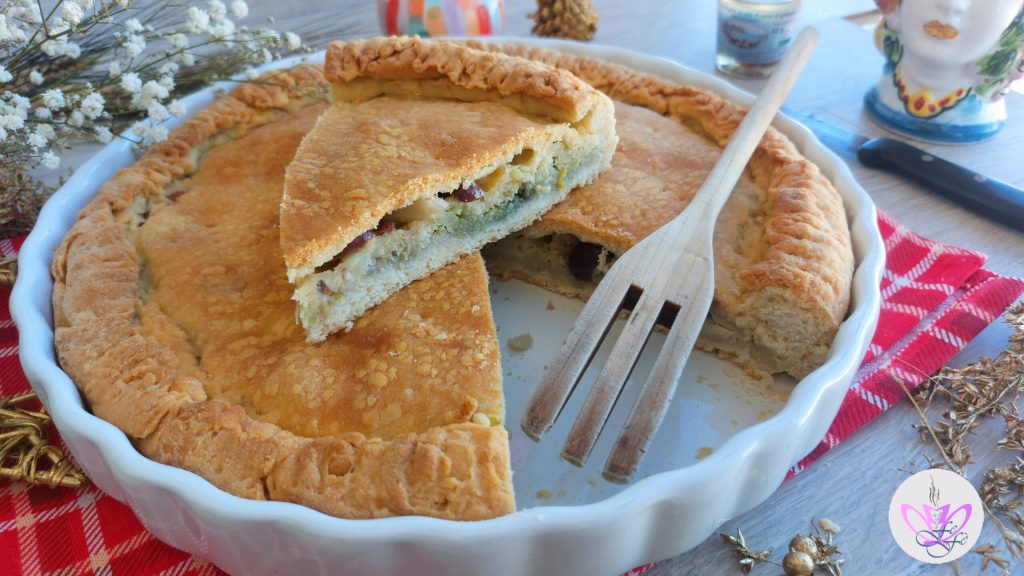
Bon Appétit from La Cucina di FeFè!
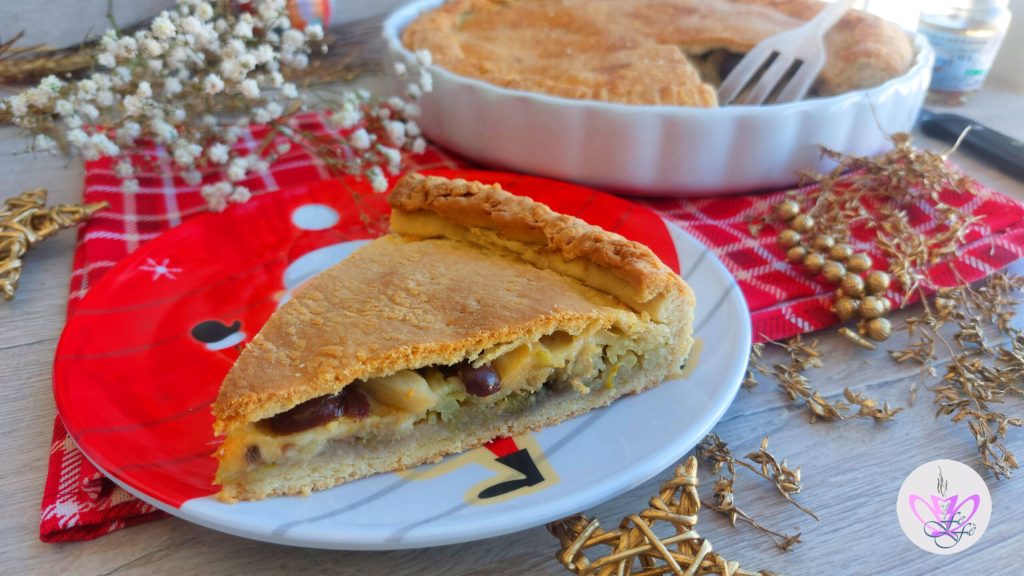
👉 To best enjoy the Catanese scacciata, it is preferable to eat it the next day if you can resist! You can store it in the refrigerator in containers suitable for refrigeration for 2-3 days.
🟣 As an alternative to cauliflower, you can add other vegetables sautéed in a pan like spinach, chard, turnip greens or broccoli!
🟣For an even saltier taste, you can add the anchovies directly raw to the filling
FAQ (Questions and Answers)
What should those without an electric oven do?
Those with a gas oven should maintain the same temperature, shortening the times a bit.
If I can’t find fresh pepato cheese, what other cheese can I use?
Fresh pepato is a soft sheep cheese, lightly aged and slightly salty like primo sale pecorino (a Tuma), another fresh Sicilian sheep cheese, less salty and more neutral. Both are the only cheeses used to fill the famous Catanese scacciata. However, being typical Sicilian products, they can be difficult to find outside the Sicily region. Replacing them will somewhat alter the recipe, but there are cheeses that can remind of the flavor, such as semi-aged pecorino (available at Eurospin). The important thing is that they are non-cow cheeses but sheep cheeses, not too salty.
