
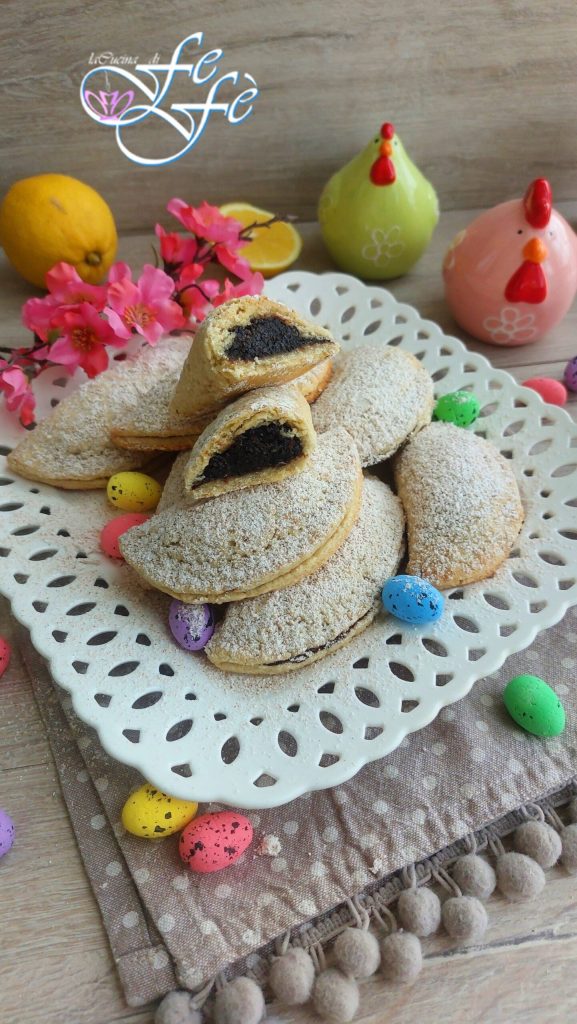
Those who follow me on social media know that recently I had the pleasure of spending a day exploring a small Sicilian village in the province of Enna, recognized among the most beautiful in Italy, Agira! There, besides the wealth of historical, archaeological, and artistic heritage, they prepare true gastronomic delights, including the famous cassatelle of Agira, baked sweets from the Enna cuisine with very ancient origins, which were once prepared for Christmas and Easter holidays. However, today you can find them all year round in Enna’s pastry shops and bars, as well as in many restaurants in eastern Sicily. They come in the form of delicate half-moons of crumbly and soft pastry, known as “pasta tenerina”! Inside, there’s a delicious filling, not the ricotta and chocolate-based one they are most popularly known for, but rather a filling made from quality raw materials such as ground almonds, cocoa, Sicilian lemon peels, chickpea flour, sugar, and cinnamon. It’s precisely for this reason they have conquered my palate, and with it, my desire to replicate them at home to always have them available! Their preparation requires a certain manual skill, but if you carefully follow all the steps I will leave you in the recipe, you’ll see that you too will be able to bake truly exquisite cassatelle with guaranteed success! The process is a bit long; I managed to make about 15 all in one day, but it took a good 7 hours, so for convenience, I recommend preparing at least the filling in advance the day before assembly. I assure you, the wait will be worth it, and in the end, you will bring to the table one of the most delicious and melt-in-the-mouth sweets of my beloved land!
CURIOSITY: Regarding the origins of this sweet, oral tradition reveals that the cassatella evolved from another dessert: the pasticciotto, which had a circular shape and a button in the center. Certainly, we know that Spanish culture greatly influenced the pastry of Agira and that probably, pastoral and baronial elements were added to it later. Indeed, both the rich and the poor would turn to the pastry chef to brighten their Sundays or the most important occasions such as a birthday, a birth, or a wedding, etc. It is precisely from this background of flavors, smells, and cravings that local pastry chefs probably developed the recipe for the current cassatelle.
[Source: Cassatella di Agira: history and recipe of the 100% Sicilian specialty (siciliafan.it) ]
If you love Sicily and its typical sweets, I recommend taking a look at these typical recipes:
- Difficulty: Easy
- Cost: Medium
- Preparation time: 20 Minutes
- Portions: 15
- Cooking methods: Stove, Electric Oven
- Cuisine: Italian
- Seasonality: Fall, Winter, and Spring
What you need:
- 1.2 lbs all-purpose flour
- 1 cup raw cane sugar
- 7 oz butter (or lard)
- 1 egg
- 1 yolk
- 3.5 oz water (warm)
- 10.5 oz blanched almonds
- 1 cup brown sugar
- 2 cups water
- 1.4 oz chickpea flour
- 1.75 oz unsweetened cocoa powder
- 2 lemons (untreated peels)
- 1 tsp ground cinnamon
- to taste powdered sugar
- 1 tsp ground cinnamon
Tools:
⚠ THIS RECIPE CONTAINS ONE OR MORE AFFILIATE LINKS. The products I recommend are the ones I use in my recipes; purchasing them through my blog helps support me and my work, while it won’t cost you anything extra!
- 1 Pan
- 1 Mixer
- 1 Pot
- 1 Ladle
- 1 Teaspoon
- 1 Mixing bowl
- 1 Sieve
- 1 Bowl
- 1 Grater
- 1 Rolling pin
- 1 Cookie cutter
- 1 Fork
- 1 Baking tray
- 1 Baking mat
- 1 Cooling rack
Steps:
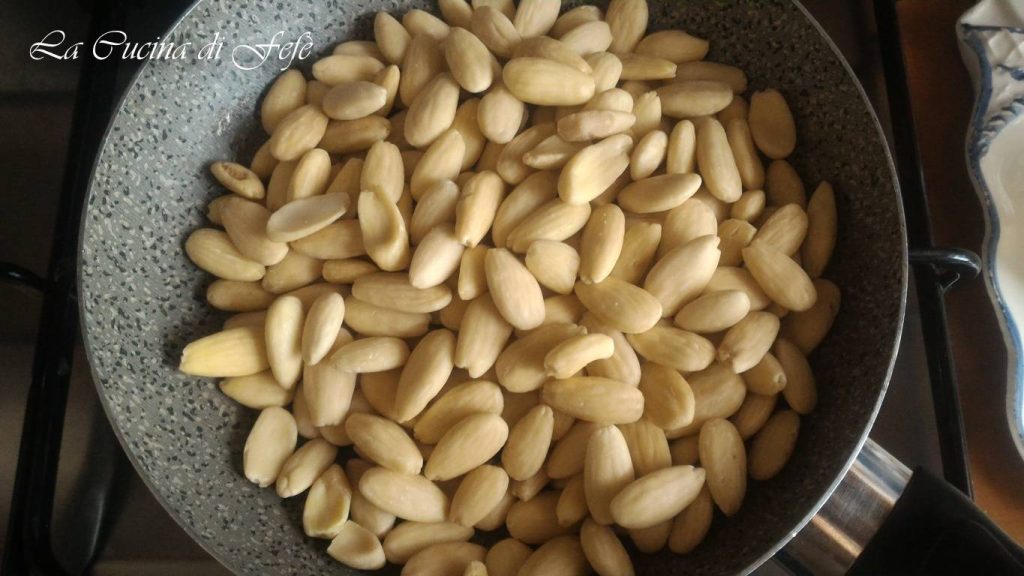
In a non-stick pan, toast the blanched almonds constantly stirring to prevent burning, then let them cool slightly.
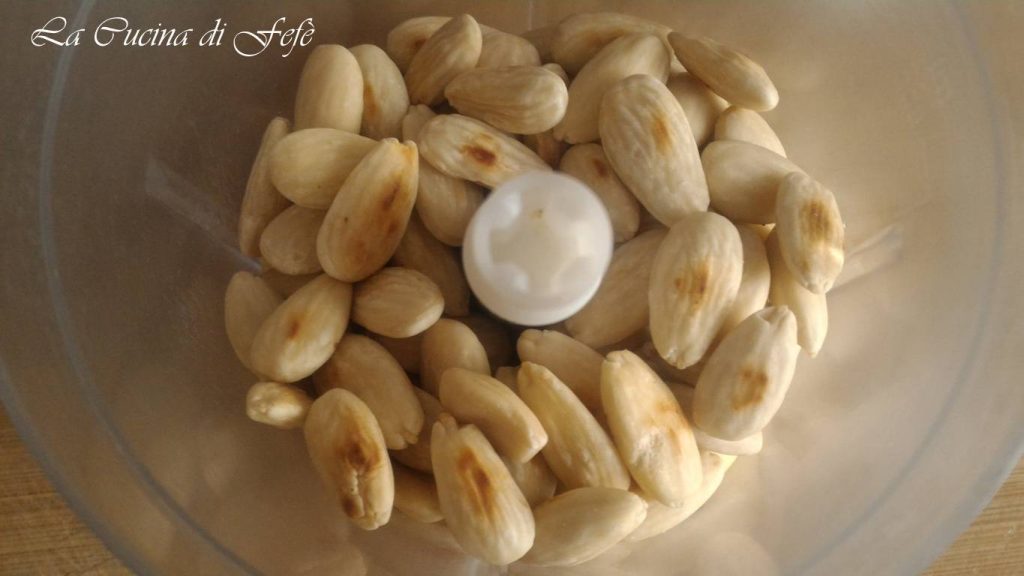
Finely grind them with the mixer using short bursts to avoid releasing the oil they contain.
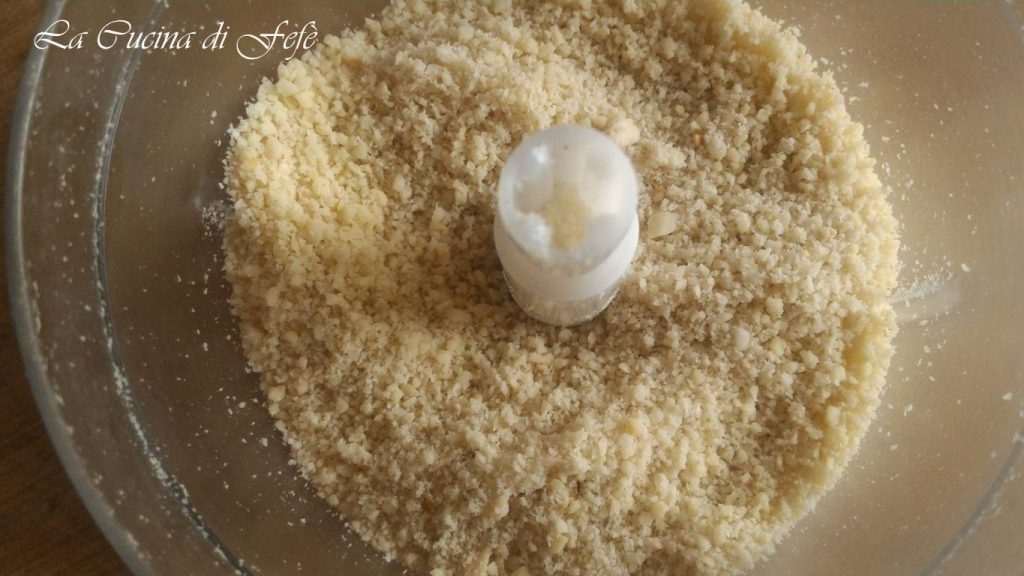
You should achieve a fairly fine flour.
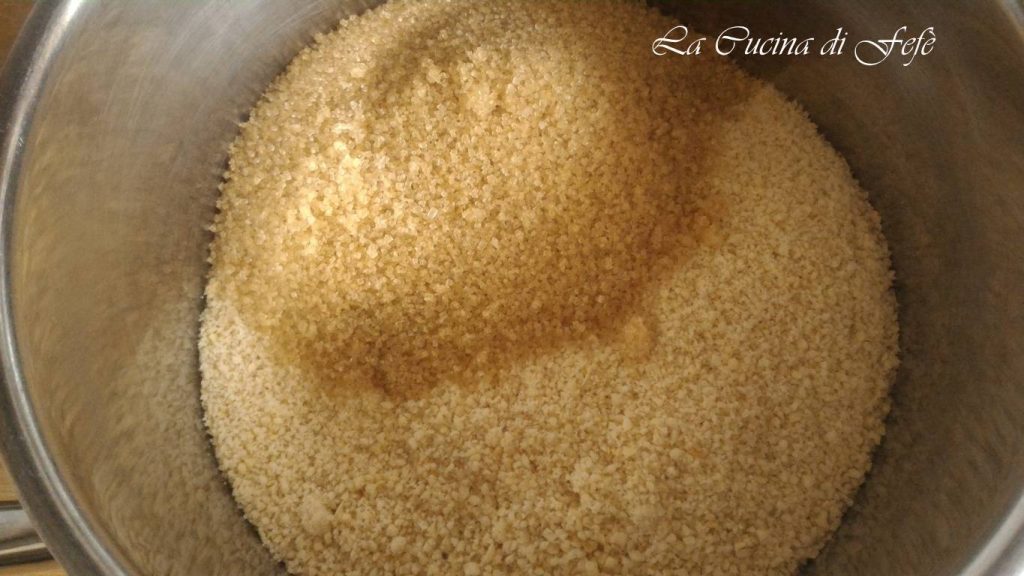
Transfer the almond flour to a large pot, preferably non-stick, and add the brown sugar.
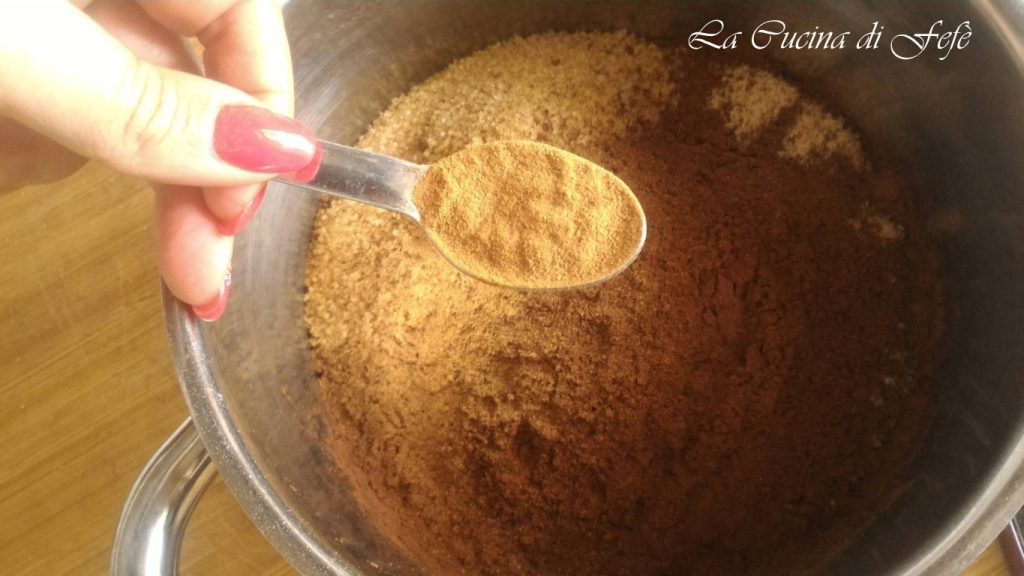
Add the sifted cocoa and cinnamon.
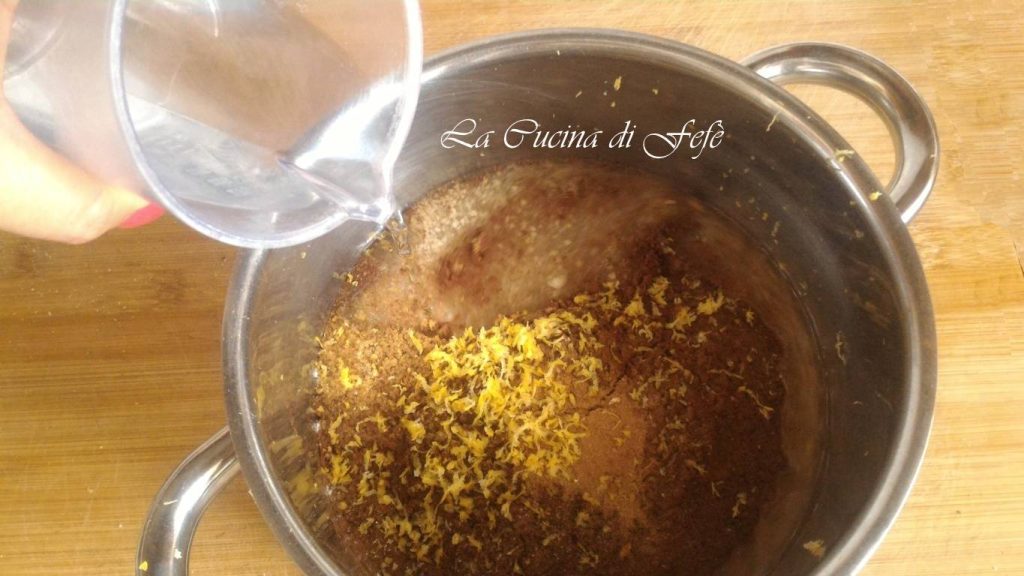
Finally, flavor with the lemon peel and pour in the water.
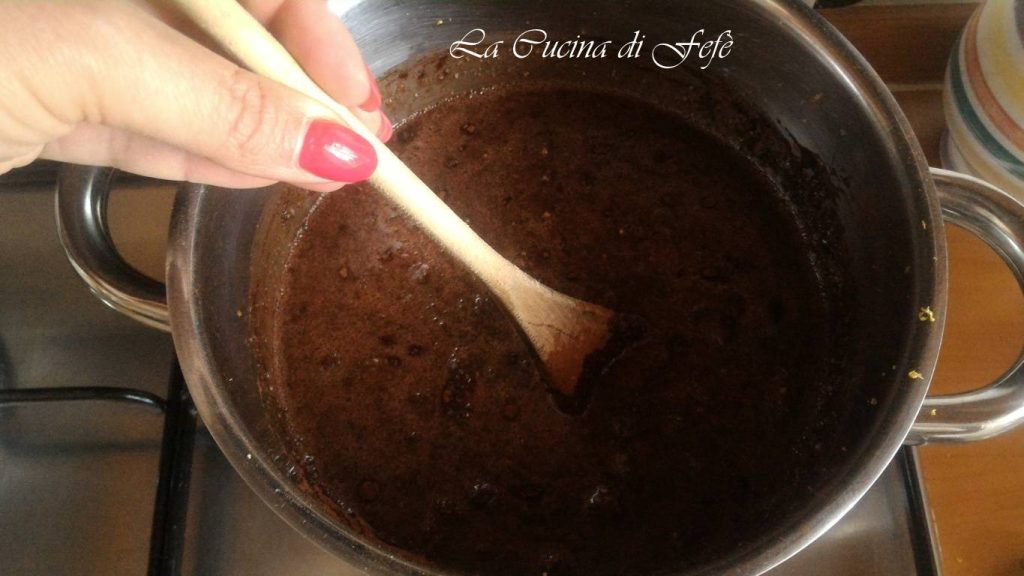
Bring to a boil over low heat, stirring constantly with a wooden spoon.
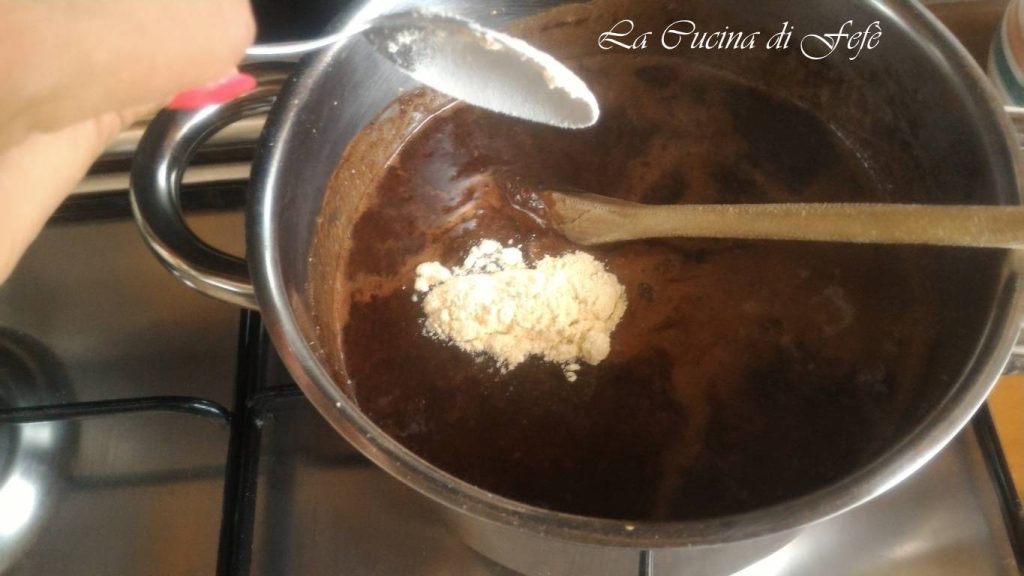
Then, gradually add the sifted chickpea flour, continuing to stir to prevent lumps.
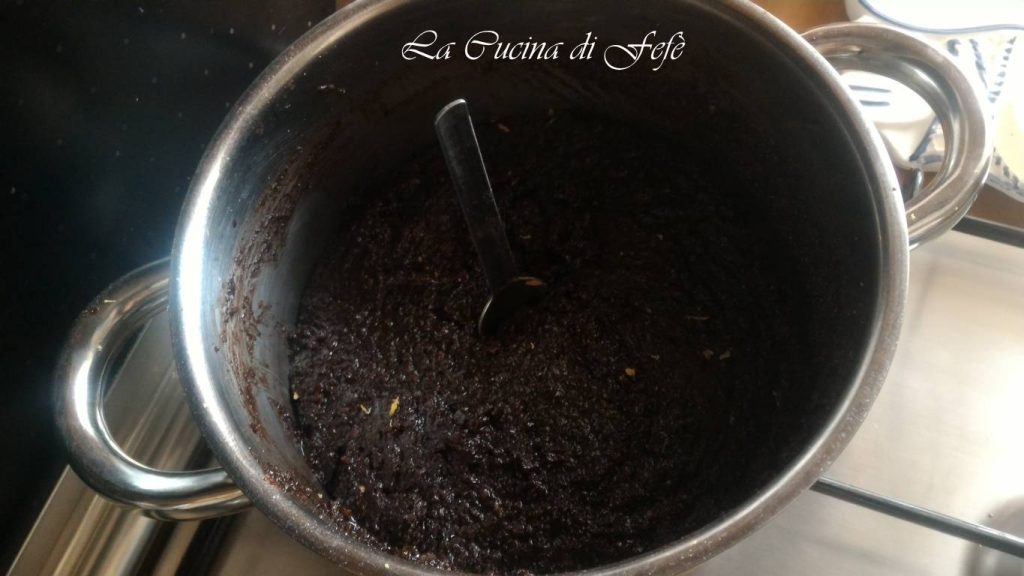
The mixture will start to thicken but remain fairly soft. It will be ready when placing a teaspoon in the center, it remains stationary without falling. This will take about 10 minutes.
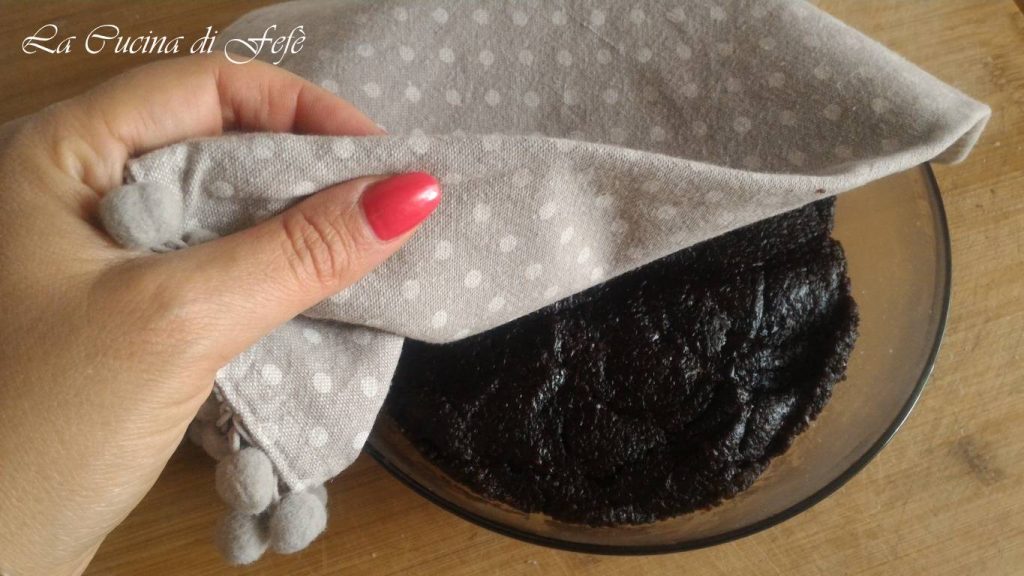
At this point, transfer the mixture to a bowl to cool, covering with a cloth.
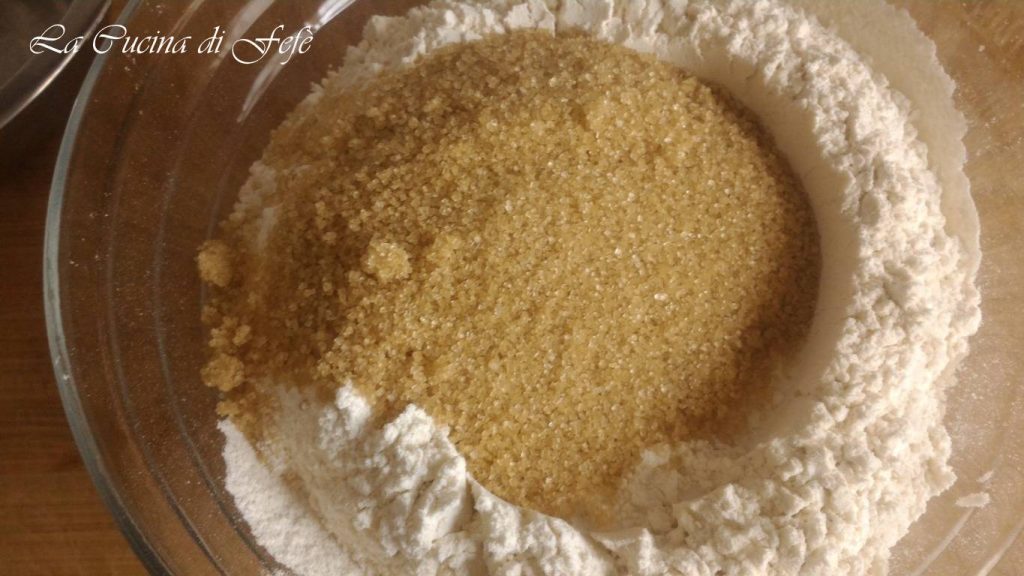
In a large bowl, mix the flour with the sugar.
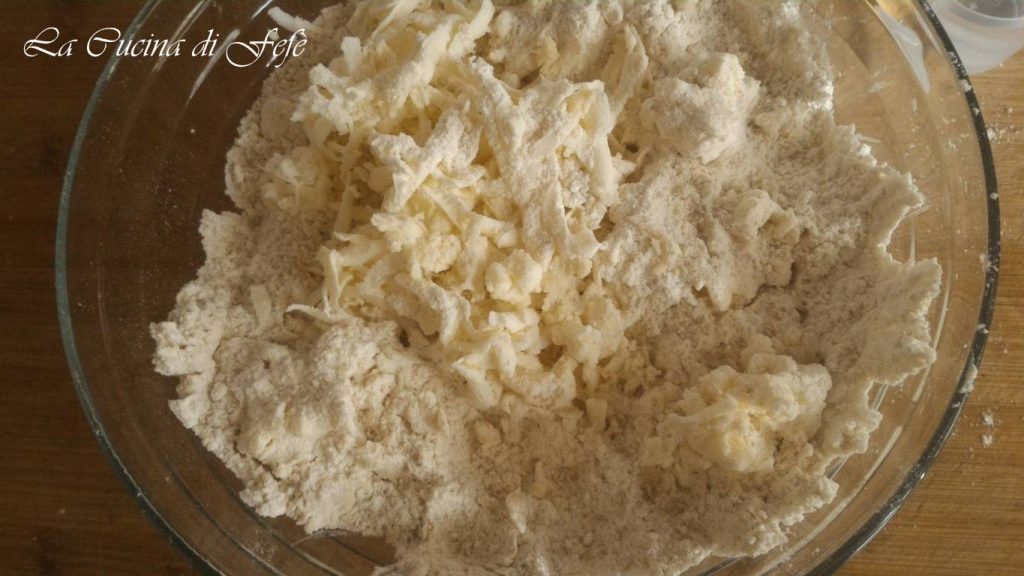
Create a well and grate the butter inside it. Mix with the flour, pinching with your fingers until you get a sandy mixture.
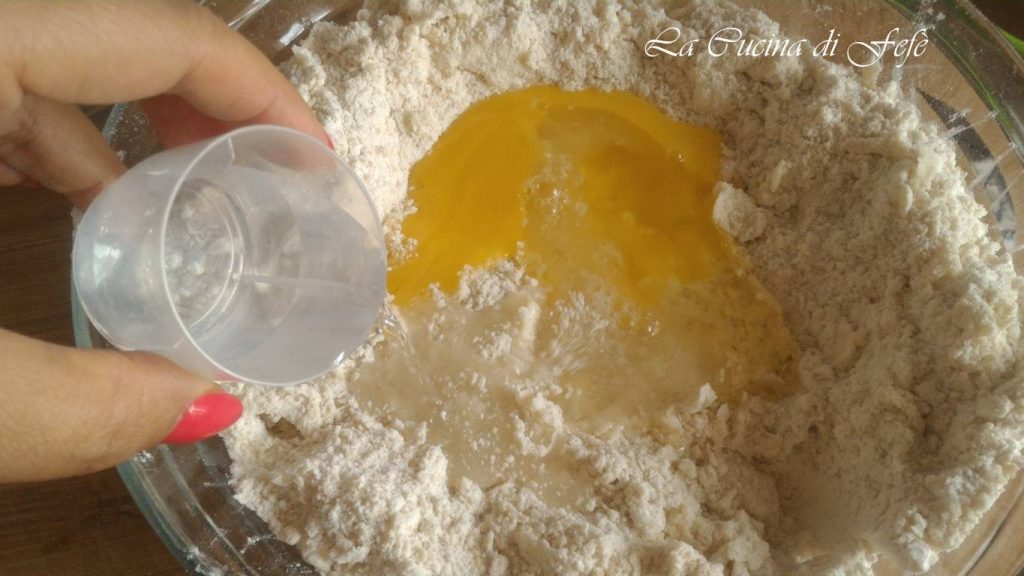
Then add the egg, the yolk, and the warm water gradually.
Knead everything first in the bowl and then transferring the dough to the work surface.
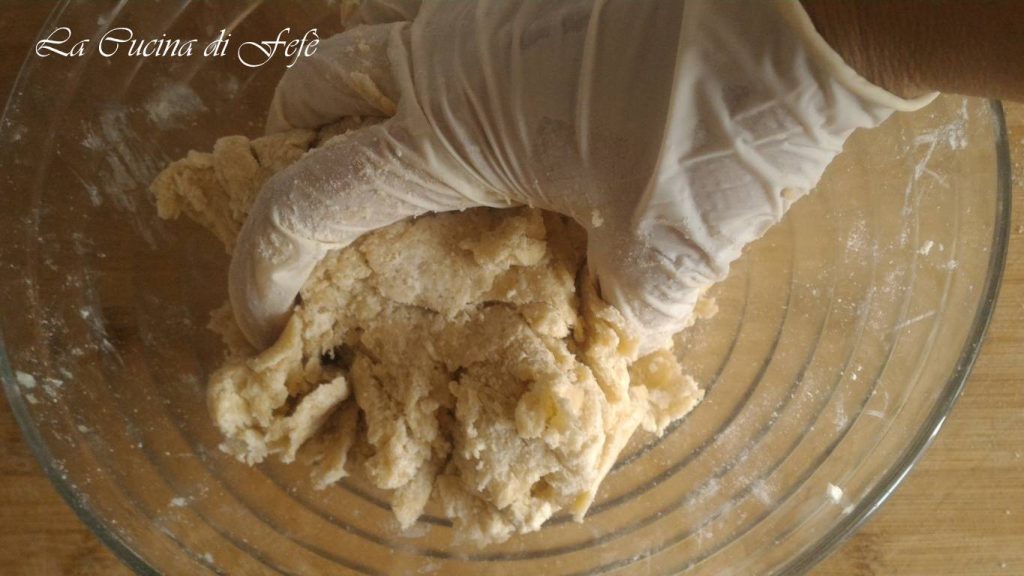
Work quickly until the dough is smooth and homogeneous.
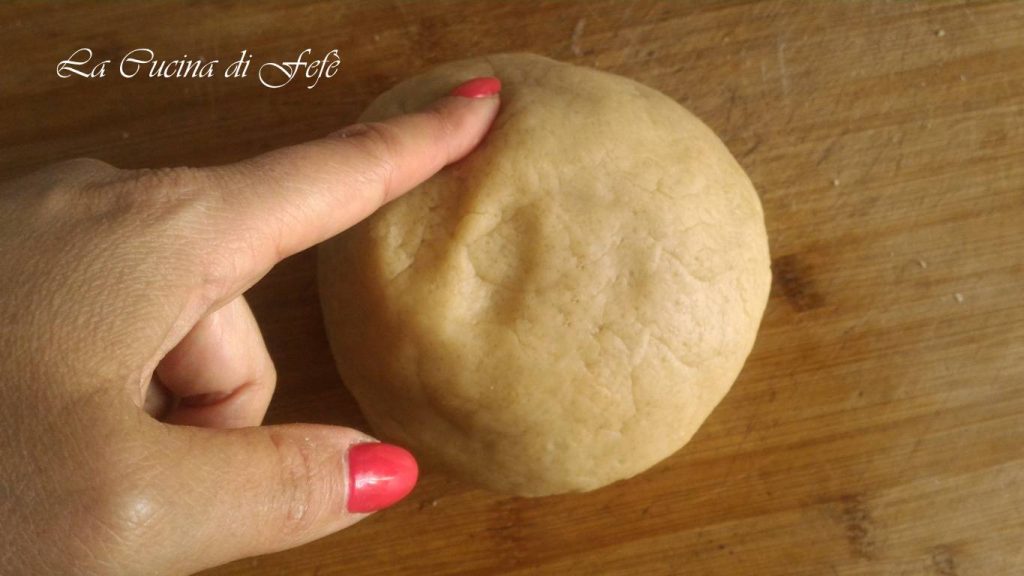
With the help of a rolling pin, roll out the dough on a well-floured work surface to a thickness of about 0.16 inches.
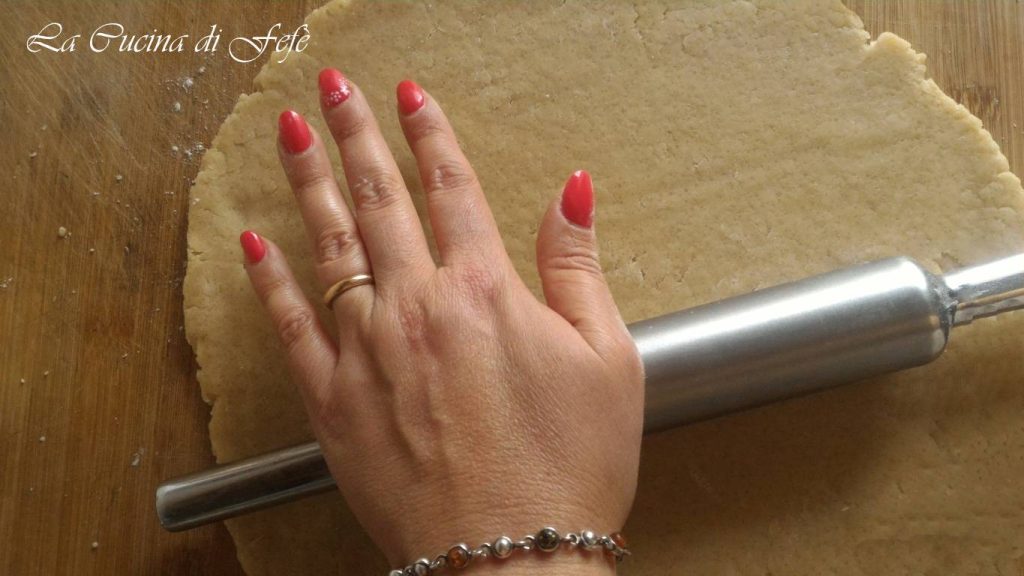
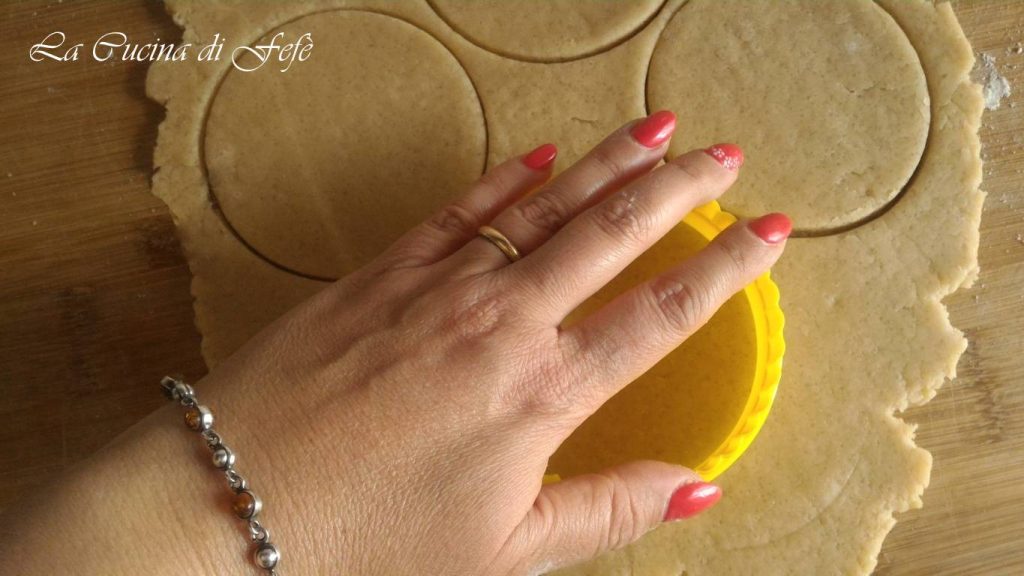
Cut out circles of dough with a diameter of 4.75 inches.
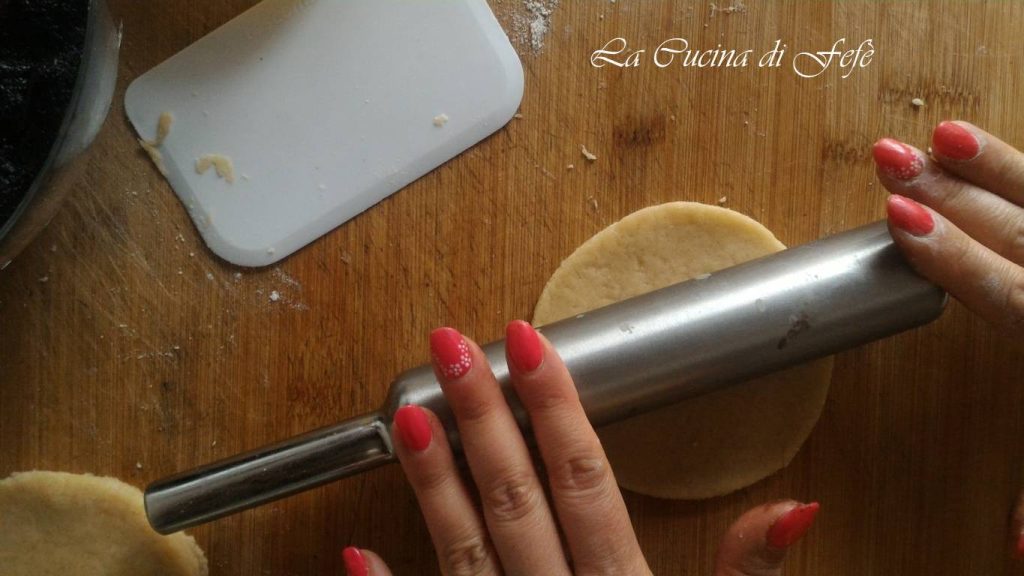
Slightly widen them and make them thinner with the rolling pin.
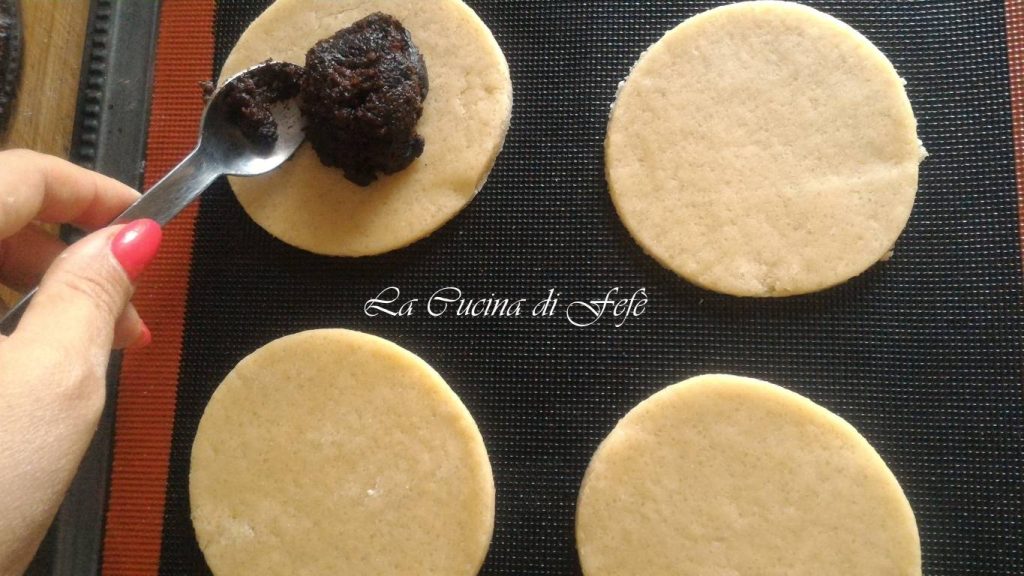
On each dough circle, place about a heaping teaspoon of the filling, now well chilled and firm.
Fold over itself into a half-moon, gently pressing to match the edges (no need to wet).
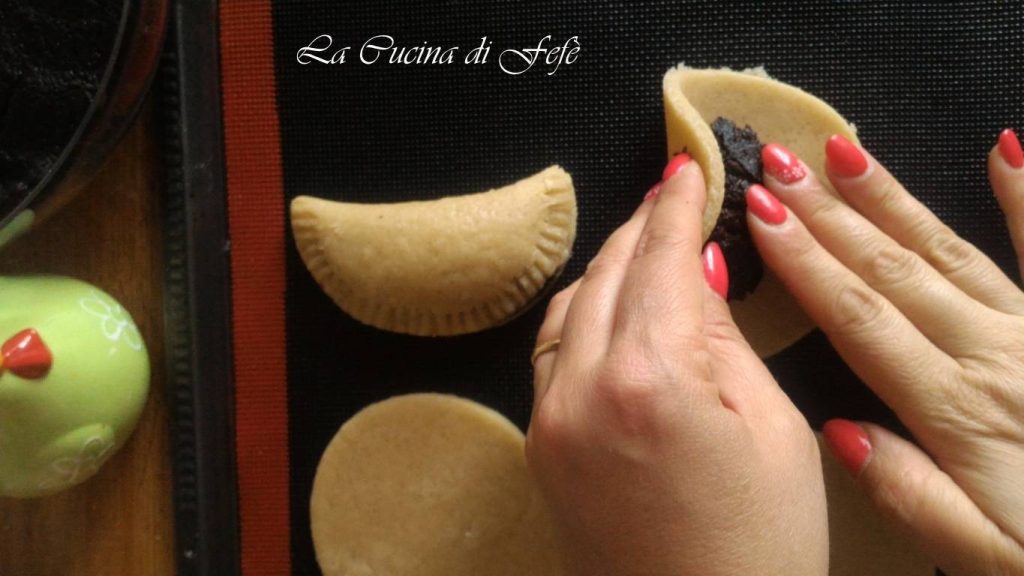
Finally, seal the edges with the typical artisanal mold for cassatelle* or, alternatively, with the tines of a fork or a fluted pastry wheel.
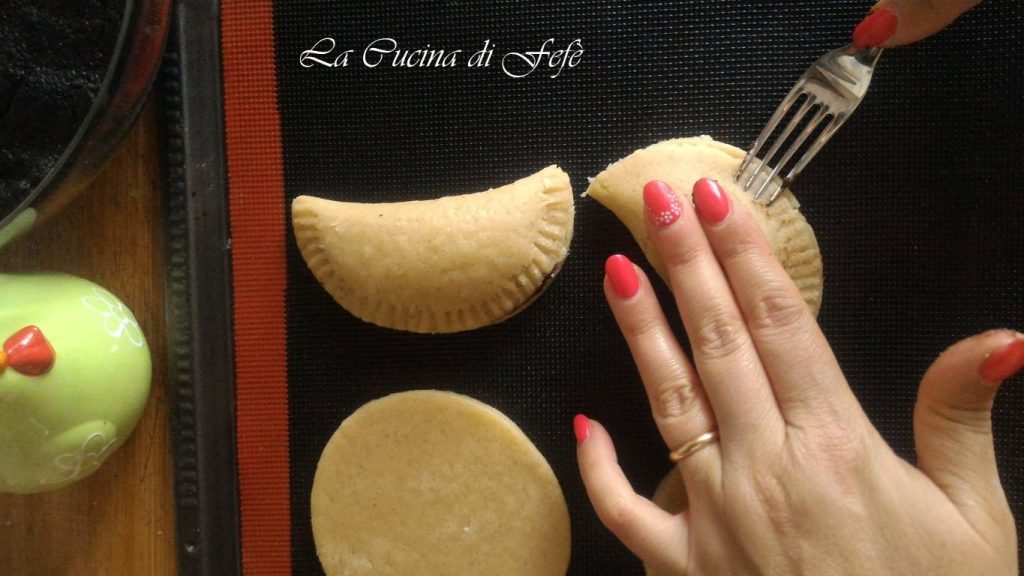
Repeat for all other dough discs, trying to speed up the rolling operation to prevent the dough from drying out too much. Transfer the cassatelle to a baking tray lined with a recyclable perforated baking mat or alternatively parchment paper.
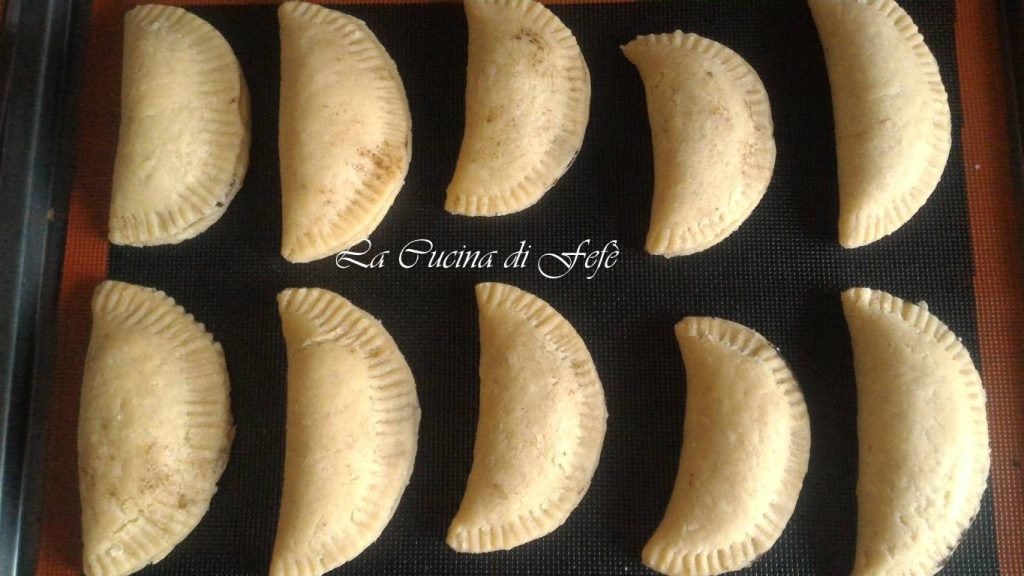
Bake in a preheated oven at 392°F for about 12 minutes, but it depends on the oven, so check that the underside is just slightly golden, while the top should remain very light. Remove from the oven and let the cassatelle of Agira cool on a rack, then dust them with a mix of powdered sugar and ground cinnamon.

And voilà… your Sicilian cassatelle of Agira are ready to be enjoyed!
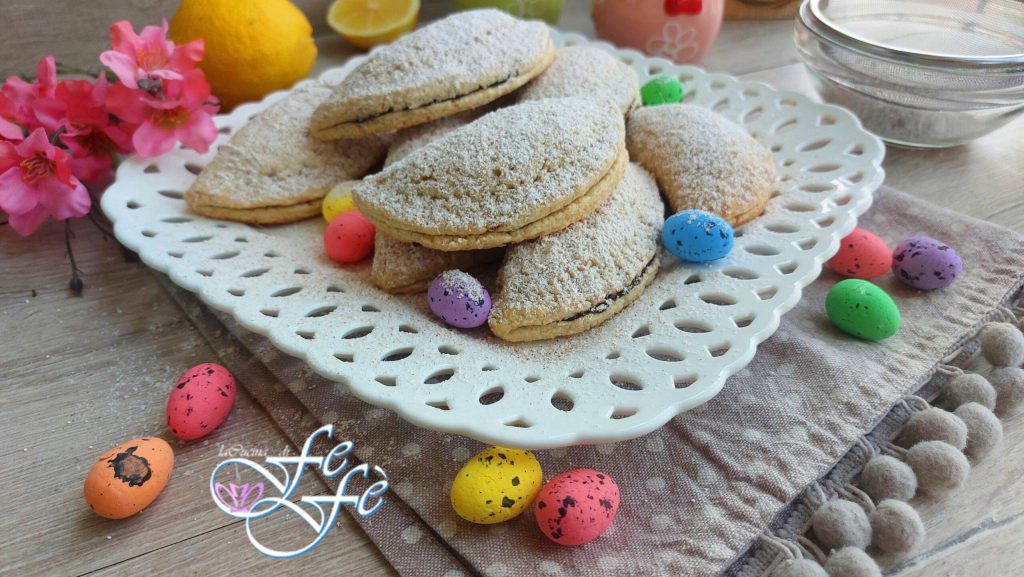
Enjoy your meal from La Cucina di FeFè!
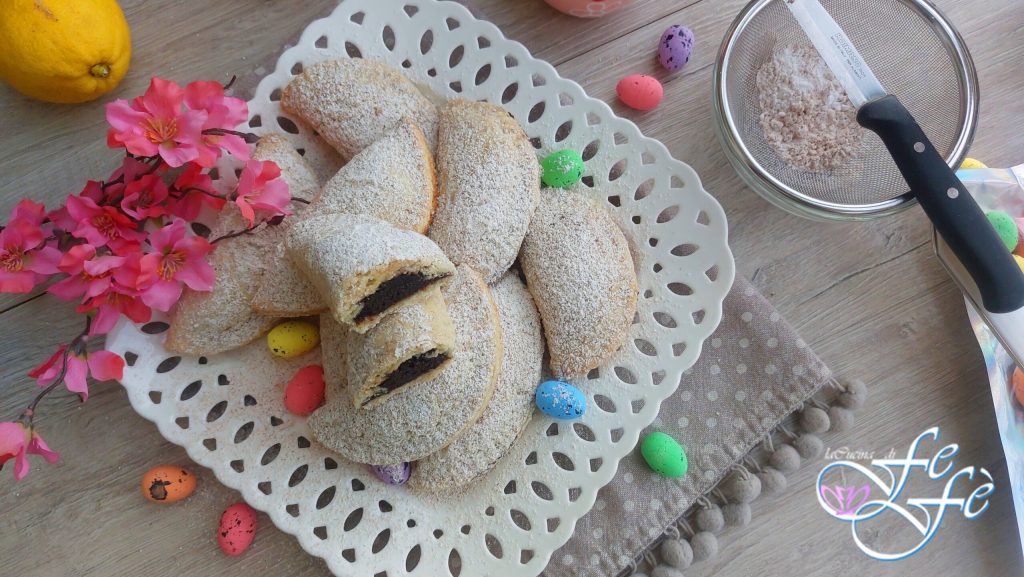
Other detailed shots
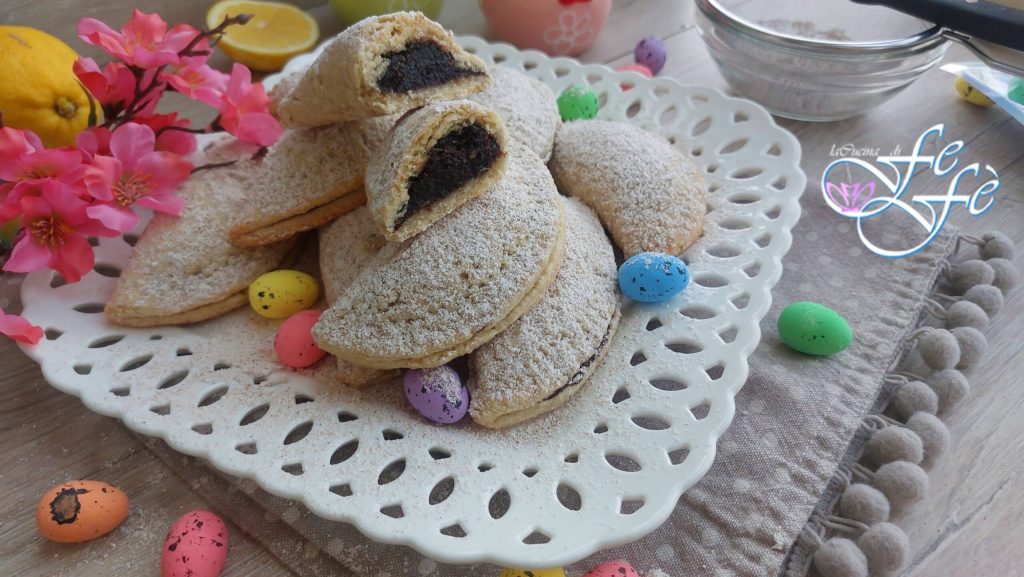
Storage
👉 The cassatelle of Agira, once cooled, can be stored at room temperature or in a cool, dry place for several days.
Tips, notes, variations, and suggestions
🟣 *Traditional cassatelle of Agira must have the semi-circular shape with the scalloped edge, necessarily made with a mold you can purchase only in Agira at hardware stores and not kitchenware stores as you might assume, since it’s a hand-crafted steel item. So if you want to buy one, contact a local hardware store and ask them to ship it to you. Alternatively, you can easily replicate them using a simple fork or a fluted pastry wheel to trim the edge.
🟣 Usually in the traditional recipe, as in many other Sicilian sweets, lard is used. However, I preferred to replace it with butter because, although there are very few nutritional differences between these two elements, lard has a higher percentage of cholesterol and a greater amount of lipids, particularly saturated fats, compared to butter. These are entirely personal choices, but if you want to strictly follow the recipe, use lard.
🟣 If any filling is left over, no worries, you can keep it in the fridge in an airtight glass container, and it will last for weeks. You can enjoy it on its own as a spoon dessert, or use it in the following days as a filling for other types of cookies, such as Linzer cookies or soft filled cookies with oil shortcrust.
🟣 If any filling is left over, no worries, you can keep it in the fridge in an airtight glass container, and it will last for weeks. You can enjoy it on its own as a spoon dessert, or use it in the following days as a filling for other types of cookies, such as Linzer cookies or soft filled cookies with oil shortcrust.
