
Today, I finally experimented with my cast iron pot for the first time almost a year after buying it! Yes, because I had been searching for it for so long without ever finding it, with the sole desire to bake bread inside it, even though I already had a baking stone for this purpose! And when this desire finally materialized, the excessively hot temperatures of the following months made me set the idea aside! I kept the pot in its original packaging in the garage until today when the much less oppressive weather brought back the craving for homemade bread. And here I am, sharing a recipe that immediately won us over! A loaf of bread made with a potato dough and lots of good fresh rosemary, which will give an incredible fragrance to every slice! The pot baking method gave it a nice crunchy crust on the outside and a soft crumb inside. And the beauty of this leavened bread is that it involves a no-knead dough; it sounds like a play on words, but it simply means that no special skills are needed to make it, just a large bowl and a spoon! A true blessing for all those who have little time or patience to knead dough, don’t you think? Moreover, it stays soft even the next day, so for me, it’s the ultimate! Try it because you will fall in love with it; it will be perfect for breakfast sliced and spread with jams, honey, or spreads at snack time. Or simply enjoyed on its own with a side dish as well.
If you love quick and clever bread recipes, try these too:

- Difficulty: Easy
- Cost: Very cheap
- Rest time: 3 Hours 30 Minutes
- Preparation time: 20 Minutes
- Cooking methods: Electric oven
- Cuisine: Italian
- Seasonality: All seasons
Ingredients:
- 4 1/2 cups Manitoba flour
- 2 potatoes
- 1 3/4 cups water (warm)
- 2 1/4 tsp active dry yeast
- 1 1/2 tsp salt
- 2 sprigs rosemary
Tools:
- 1 Pan
- 1 Potato masher
- 2 Bowls
- 1 Spoon
- 1 Plate
- 1 Cast iron pot
- 1 Parchment paper
Steps:
First, wash the potatoes and place them in a pan, covering with cold water. From the start of boiling, cook for 20 minutes or until the prongs of a fork, when inserted, penetrate easily. Then drain and pass them through a potato masher to obtain a nice puree.
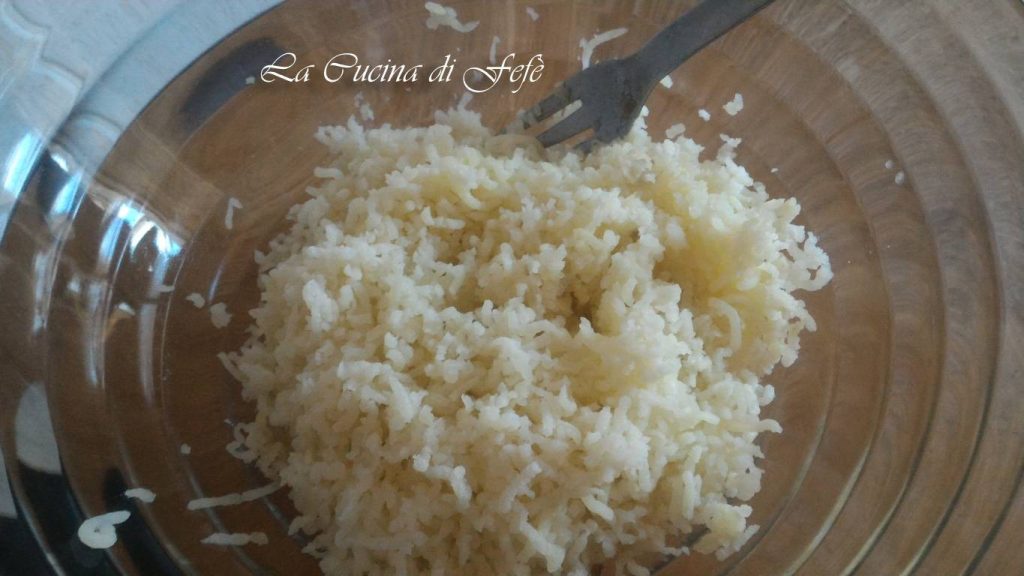
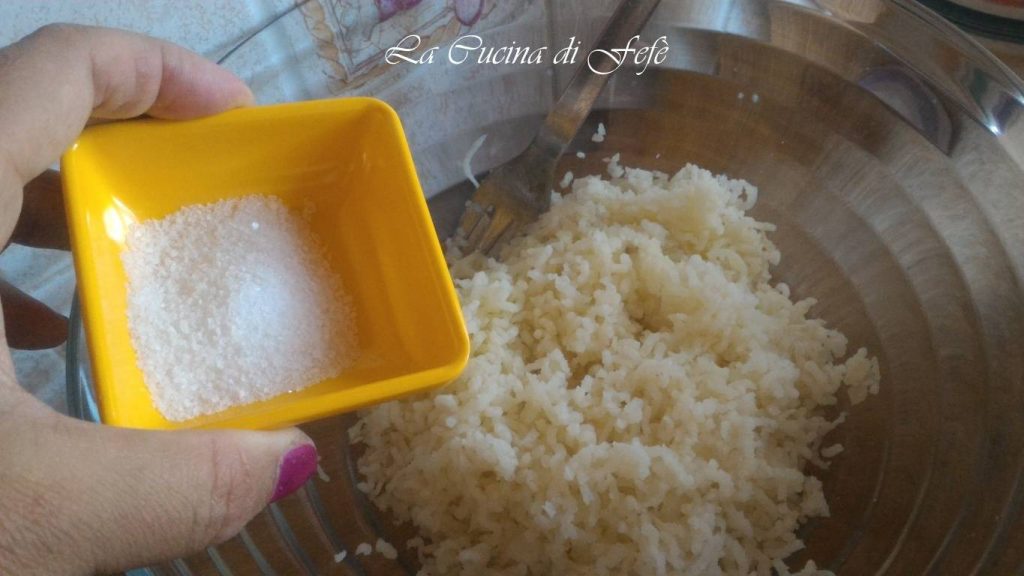
Add the salt and mix.
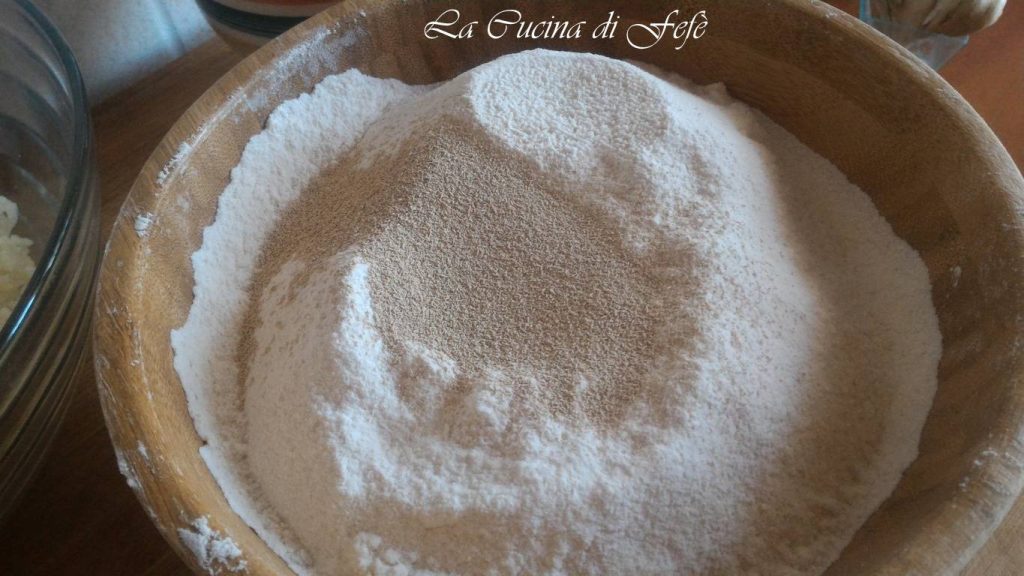
Sift the Manitoba flour with the yeast in a large bowl.
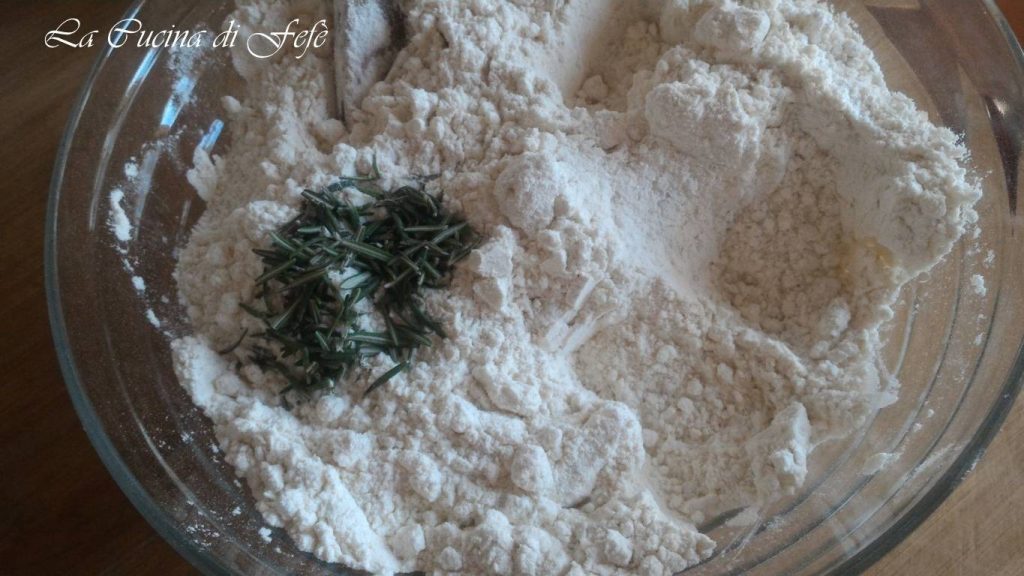
Add the mashed potatoes and rosemary leaves chopped with a knife, then mix with a spoon.
Finally, pour the warm water slowly and start working the mixture with the spoon.
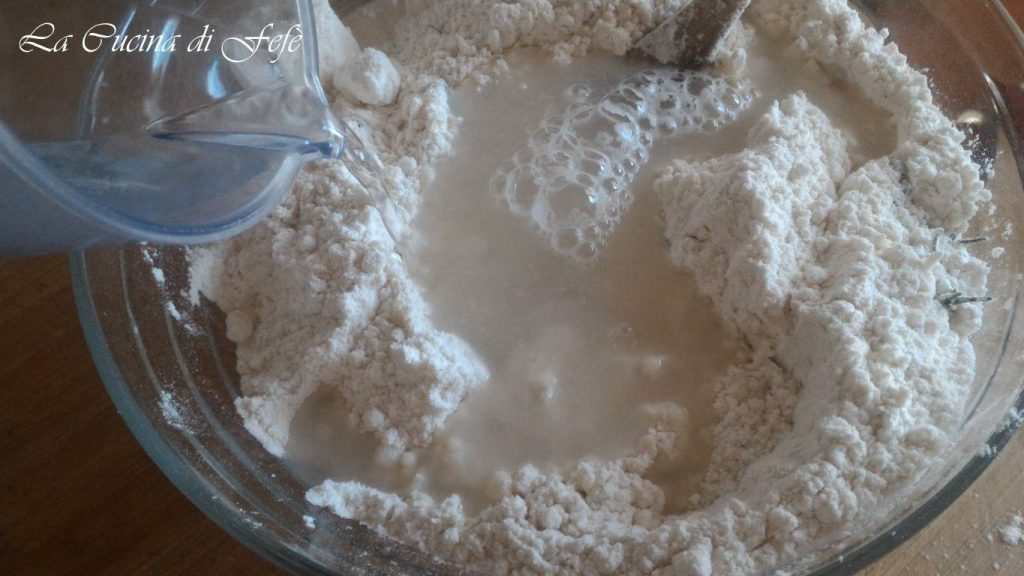
Lift the dough from the bottom to the top to form a rough but compact dough ball.
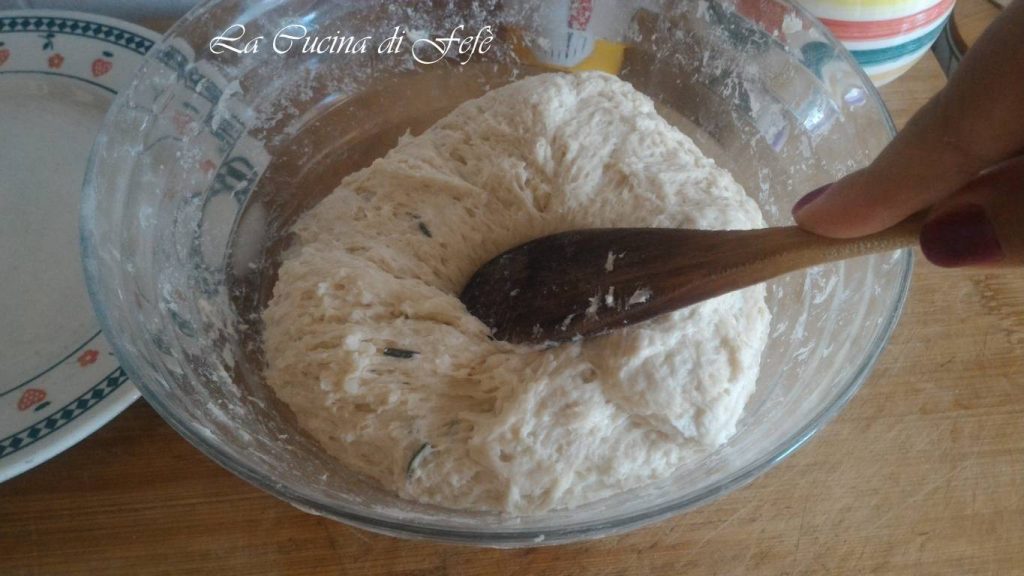
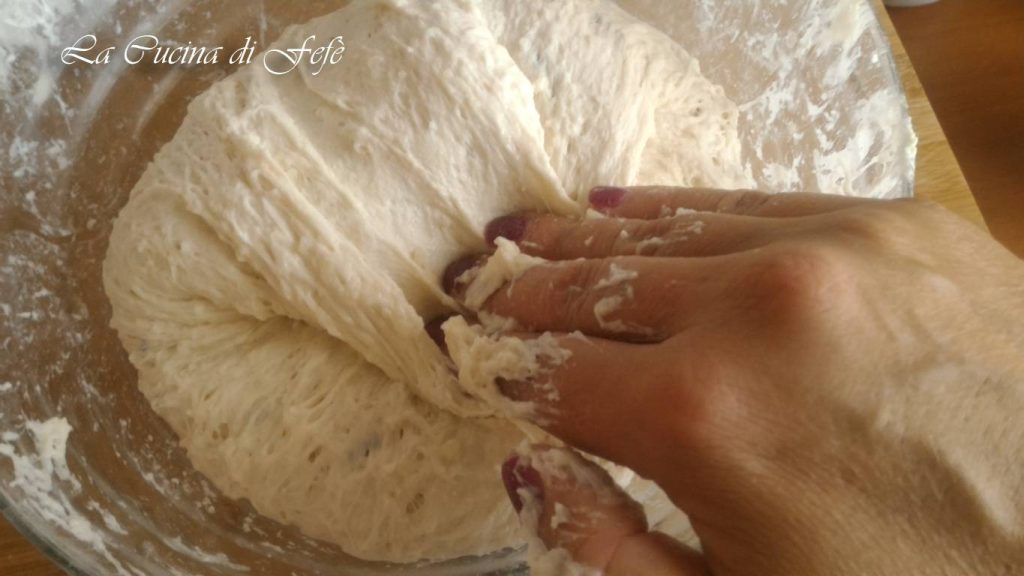
Cover with a plate and let rise for 3 hours. After this time, the dough will have doubled in volume, so transfer it to a floured surface and make a couple of folds to give structure to the dough.
With the help of a scraper, try to give it a slightly oval shape.
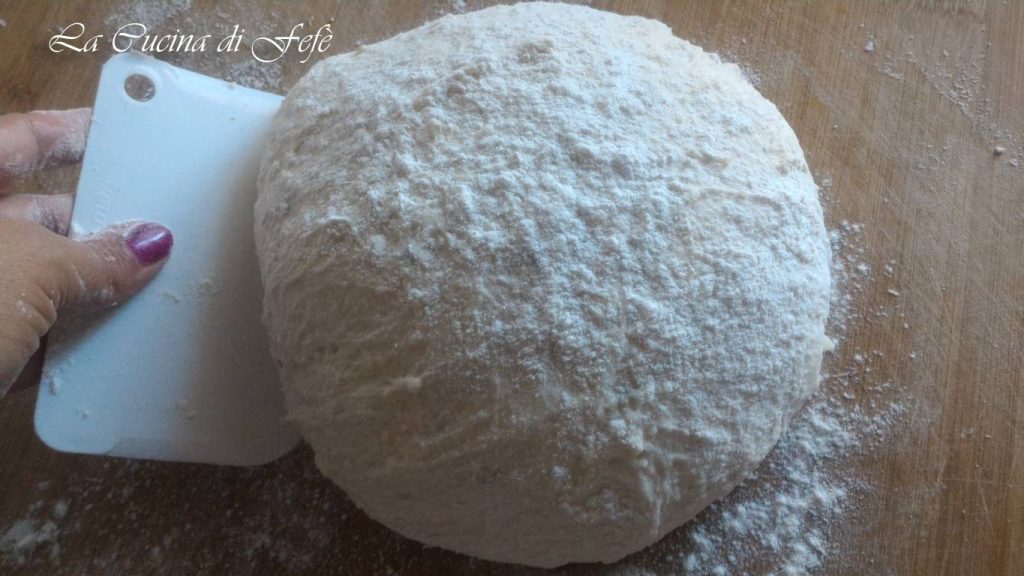
Then place the dough on a sheet of parchment paper.
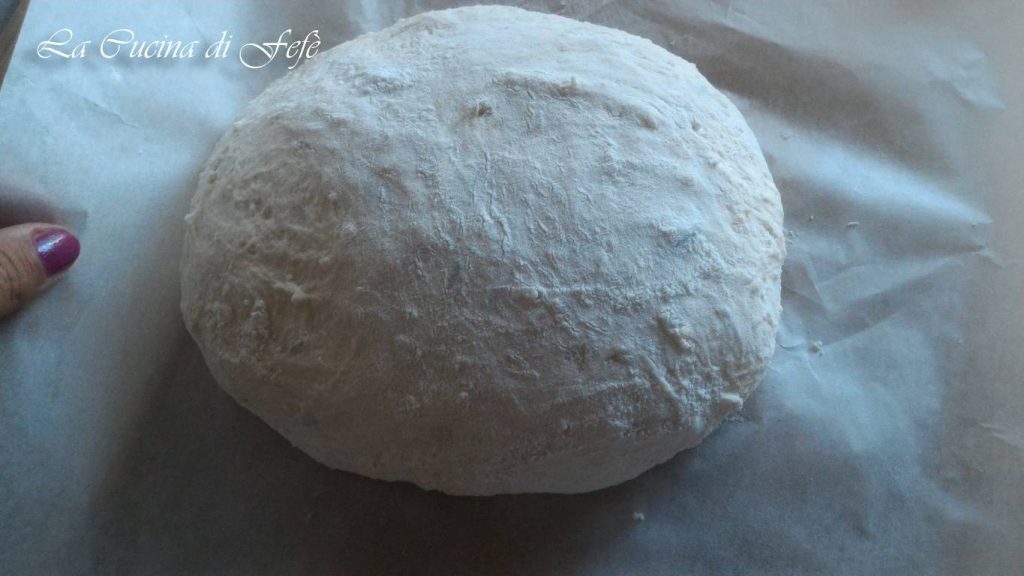
Cover it with a container like a salad bowl and let it rise for another 30 minutes until it doubles in volume.
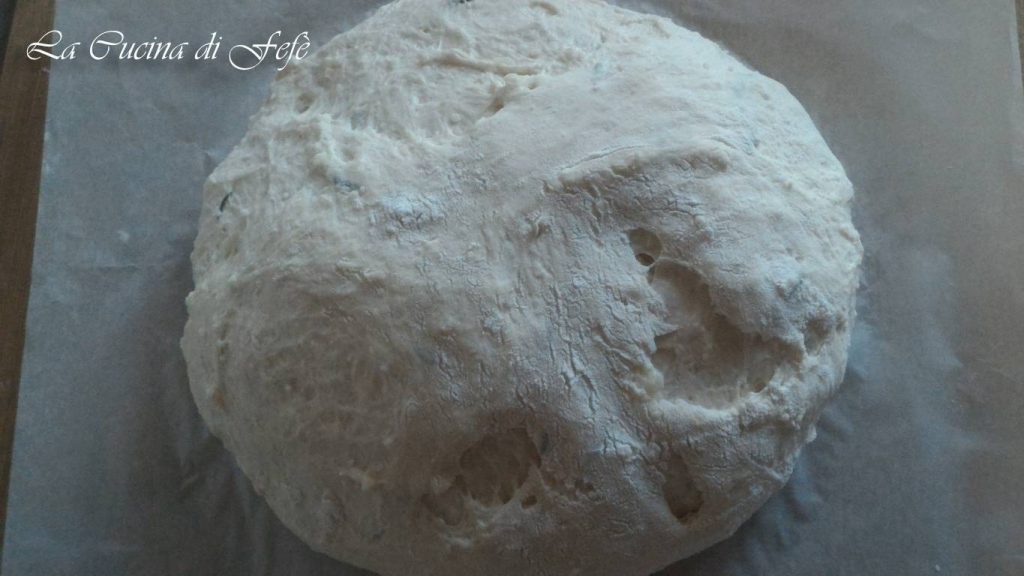
In the meantime, preheat the oven to 410°F (210°C) and transfer your dough into the pot, also preheated in the oven, and flavor the surface with some chopped rosemary needles.
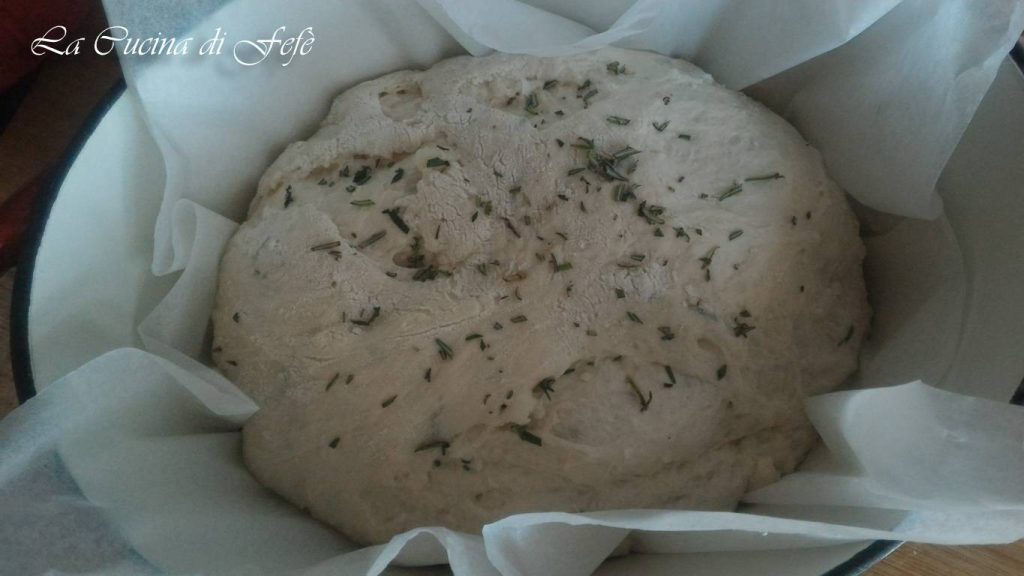
Bake with the lid on, adding 2 small pots of water to the lower part of the oven to create steam. Bake for about 35 minutes, then remove the lid and continue baking, lowering the temperature to 390°F (200°C) for another 30 minutes or until a nice crunchy crust forms.
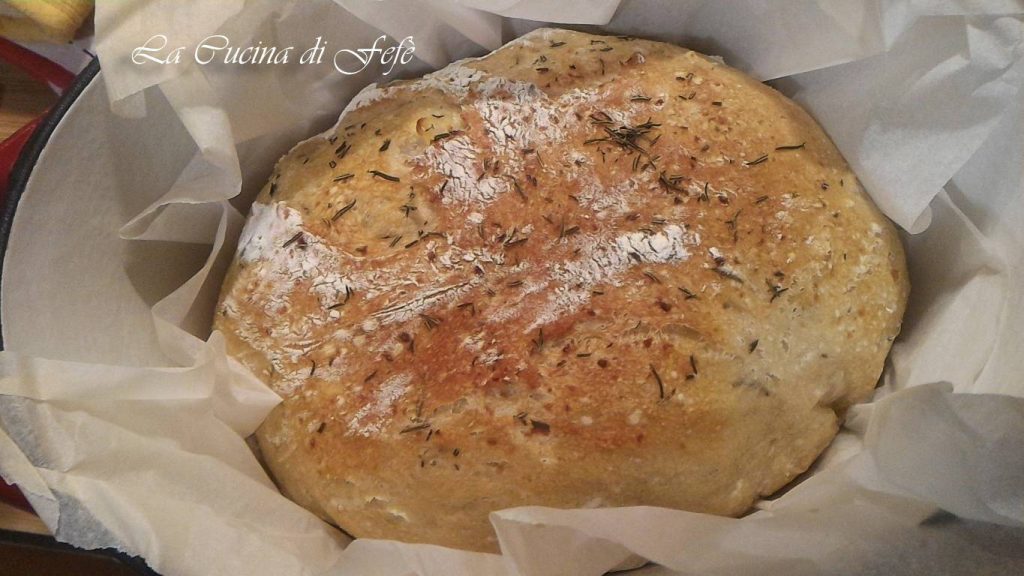
Remove from the oven and let cool before slicing.
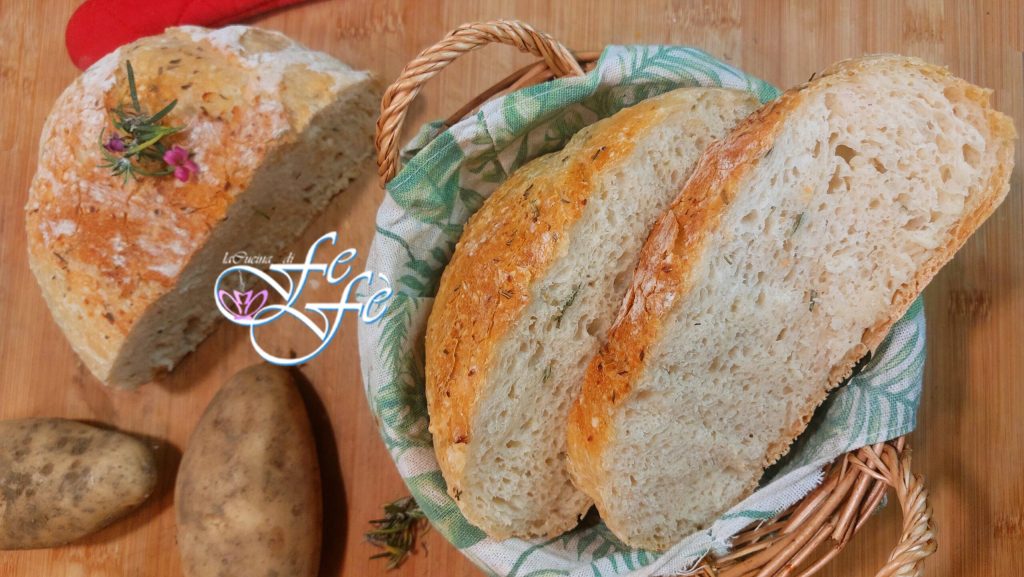
And voilà… your potato and rosemary bread baked in a pot is ready to be enjoyed!
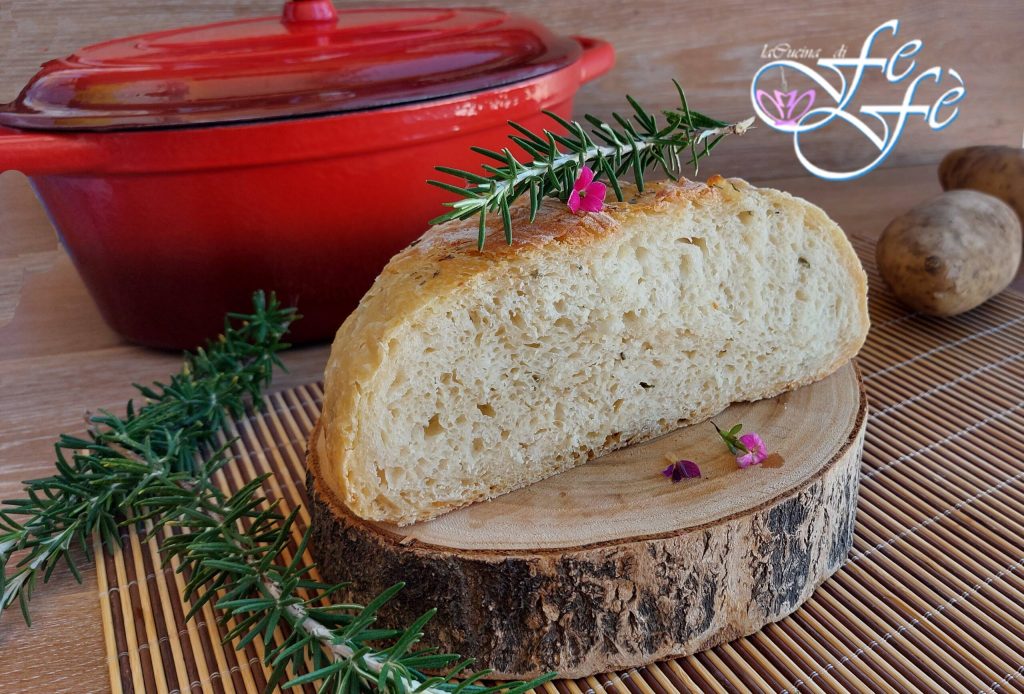
Bon Appétit from La Cucina di FeFè!
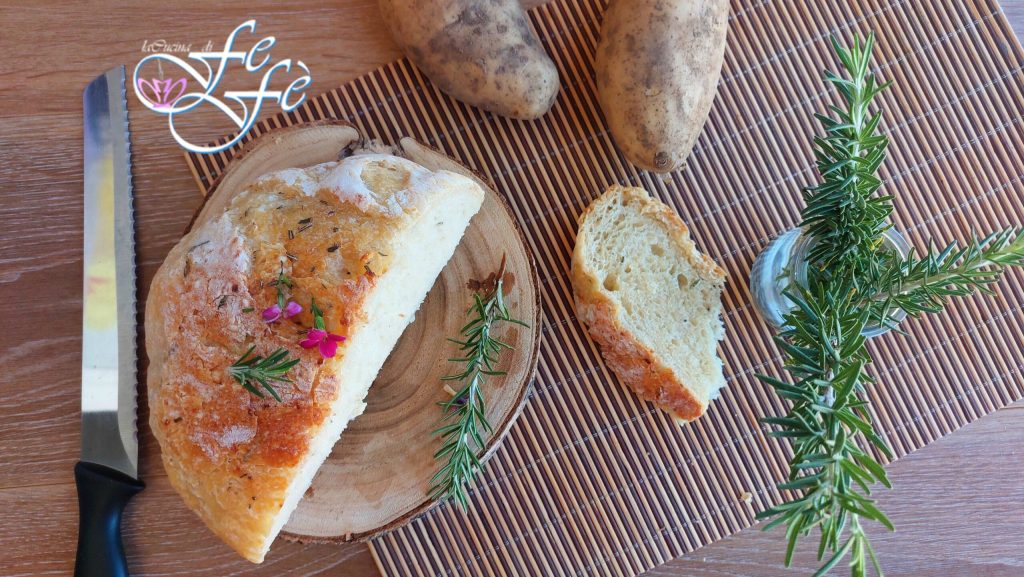
Storage
👉 You can store your potato bread in a tightly closed paper bag for up to 2 days; it will remain soft until the next day, but just before consuming it, you just need to keep it in a well-heated oven for 5 minutes, and it will return to being crispy as before.
Tips, notes, variations, and suggestions
🟣 If you don’t have a cast iron pot available, you can use any oven-safe baking dish or pot and cover your bread with a lid or a sheet of parchment paper first, then aluminum foil on top to prevent the latter from releasing particles that can migrate and remain on its surface.
