
Baked cabbage rolls: the alternative recipe with tuna and potatoes
If you’re looking for an original winter main course that’s nutritious and tasty, these cabbage rolls (or savoy cabbage) are the perfect solution. Soft, flavorful parcels that make an excellent alternative to classic meat or rice rolls.
Why try these cabbage rolls?
This recipe combines the sweetness of potatoes with the savory notes of tuna fillets, made melty in the center by a core of cheese. It’s a complete meal, ideal for those who want to stay fit without giving up taste.
Ingredients and variations
The base is made from the largest outer leaves of the cabbage gently sautéed in a pan, but the versatility is the strong point of this dish. The preparation is simple and visually appealing, and lends itself to many variations—feel free to be creative, because these will always disappear quickly!
Other tasty recipe ideas according to season that might interest you:
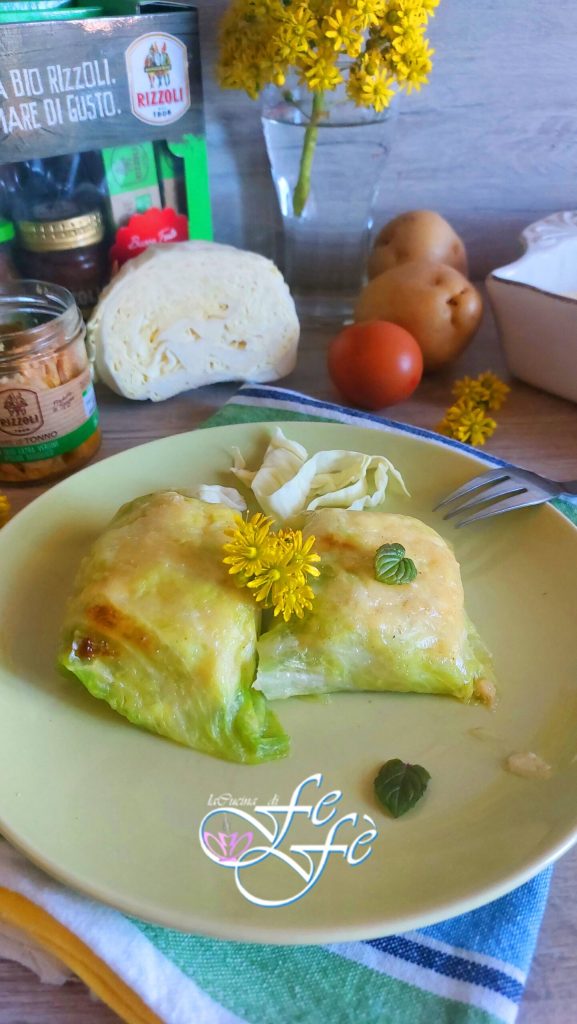
- Difficulty: Easy
- Cost: Medium
- Preparation time: 50 Minutes
- Portions: 9 rolls
- Cooking methods: Electric oven
- Cuisine: Italian
- Seasonality: Autumn, Winter and Spring
Ingredients
⚠ THIS RECIPE CONTAINS ONE OR MORE AFFILIATE LINKS. The products I recommend are the same ones I use in my recipes; purchasing them through my blog helps support me and my work, at no extra cost to you!
- 1/2 green cabbage (half head) (+ 8 whole outer leaves)
- 2 potatoes (medium)
- 70 oz tuna in olive oil (Organic specialty)
- 1 egg
- 100 oz scamorza cheese (or mild provola)
- 1 tablespoon ricotta
- 50 oz grated Parmesan
- 1 teaspoon ground nutmeg
- 1 clove garlic
- 20 tbsp extra virgin olive oil (+ to taste)
- to taste salt
- to taste pepper
Tools
- 1 Knife
- 1 Pan
- 1 Skimmer
- 1 Colander
- 1 Saucepan
- 1 Tongs
- 1 Potato masher
- 1 Mixing bowl
- 1 Spoon
- 1 Baking dish
- Paper towels
Preparation
Start by peeling the potatoes, cut them in half and then into chunks.
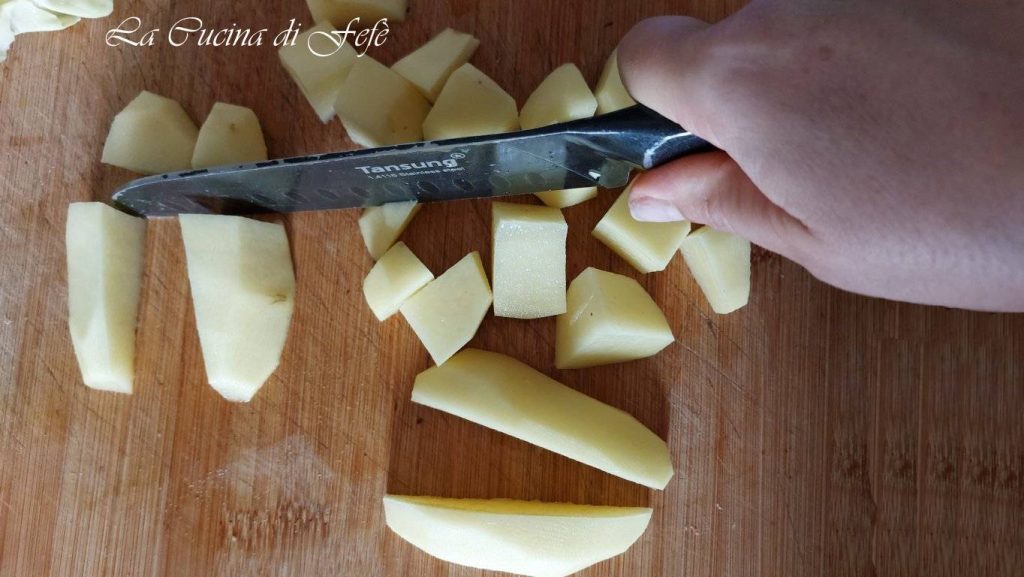
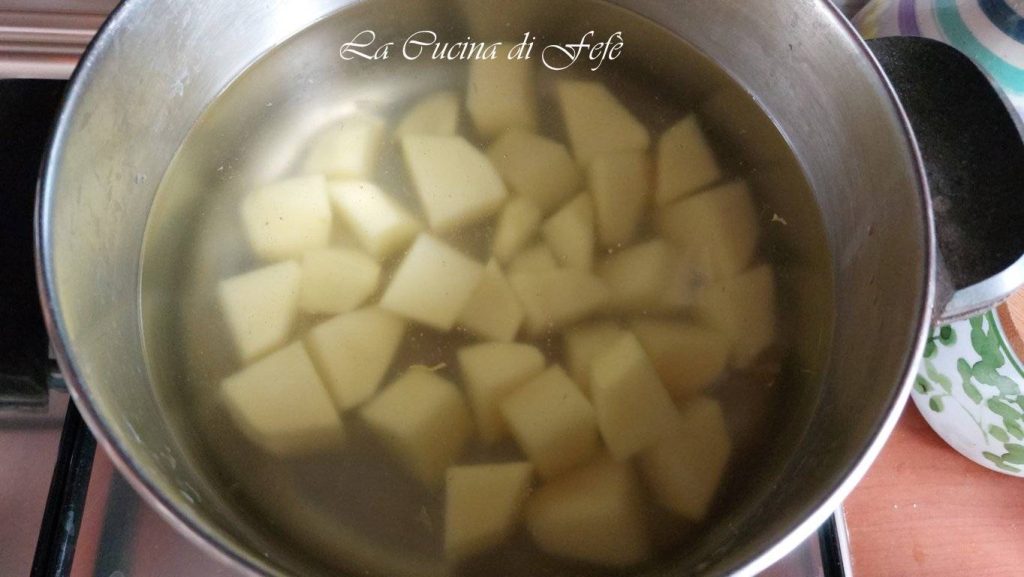
Cook them in a saucepan in boiling salted water for 12-13 minutes or until soft.
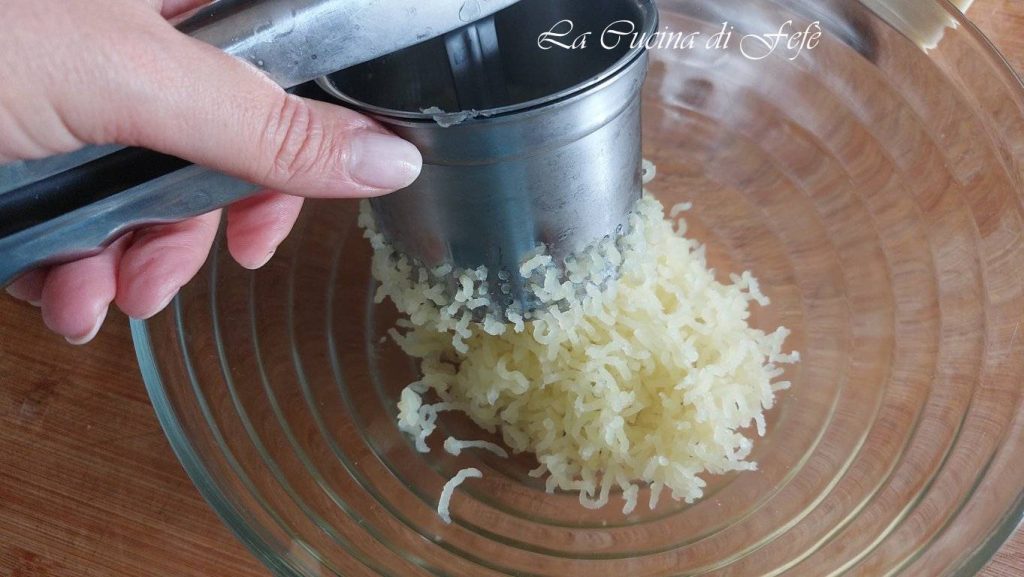
Once cooked, scoop them out with a skimmer without discarding the cooking water and mash them directly into a large bowl with a potato masher until they become a purée, then let cool slightly.
Meanwhile, prepare the cabbage: choose 8 of the largest outer cabbage leaves*. Gently wash them to avoid tearing, blanch them for 3 minutes in the same potato cooking water, then lift them out with tongs and let them drain well.
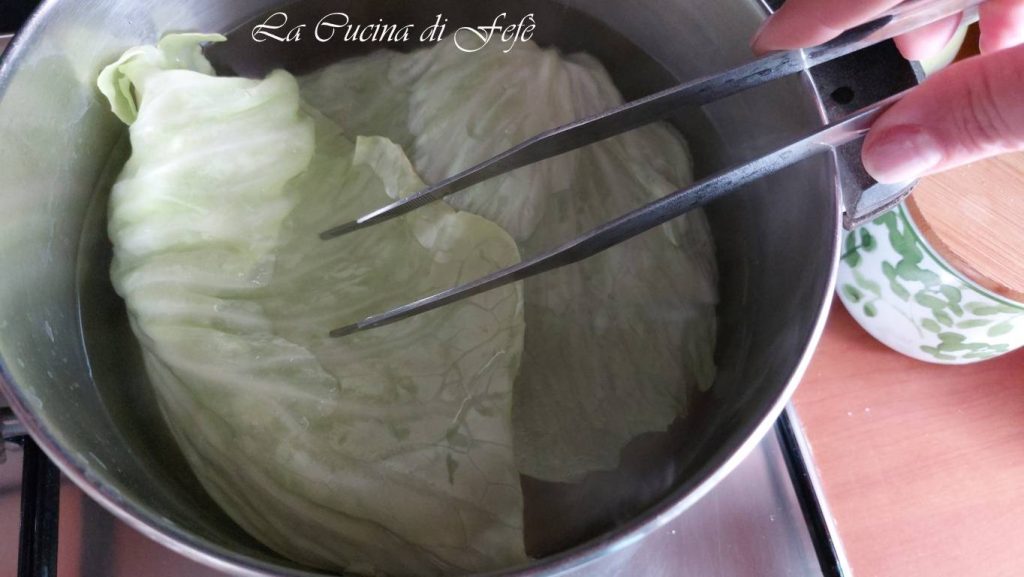
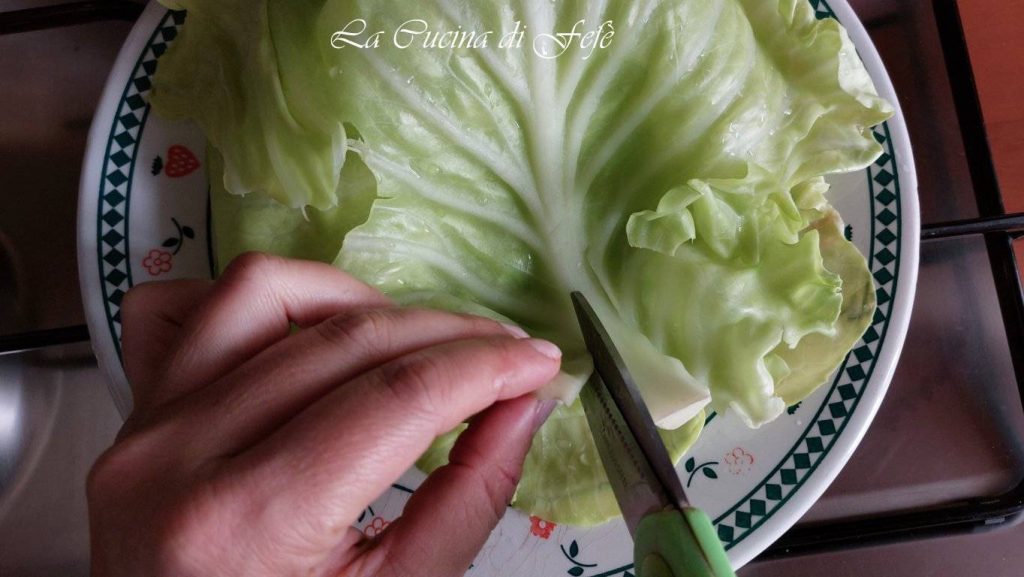
Once lukewarm, remove the tougher base of the central rib with kitchen scissors or a knife, and set aside.
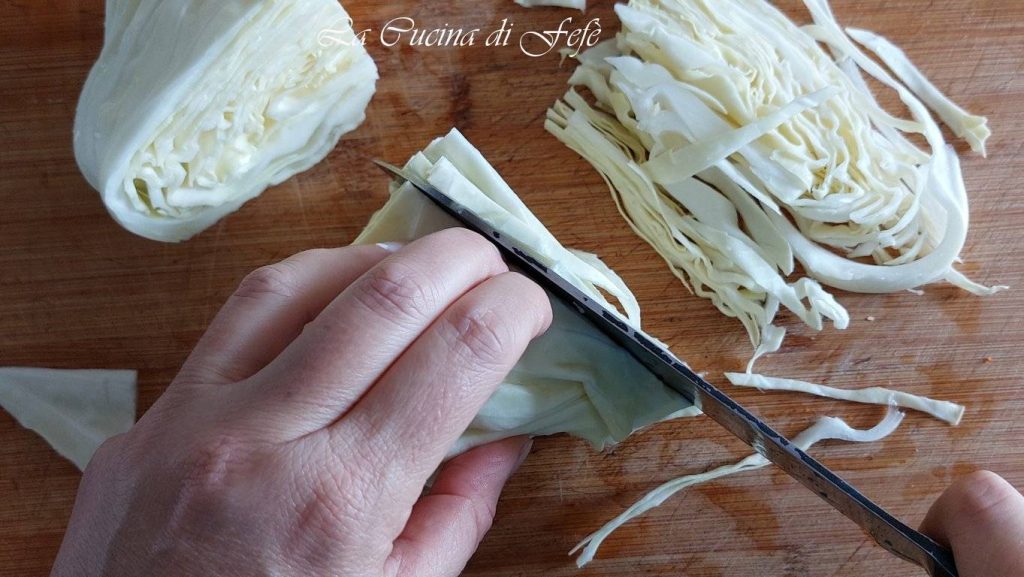
Now you can cut the cabbage in half and use only one half. Slice it into thin julienne strips.
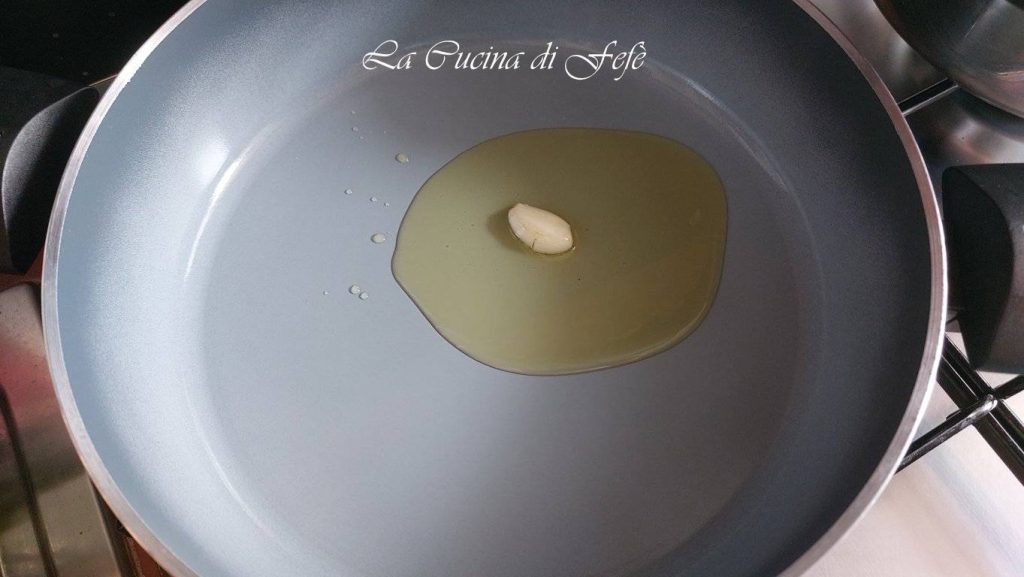
In a pan, brown the garlic with a generous drizzle of oil over high heat for a couple of minutes.
Add the cabbage and sauté for another minute to flavor it.
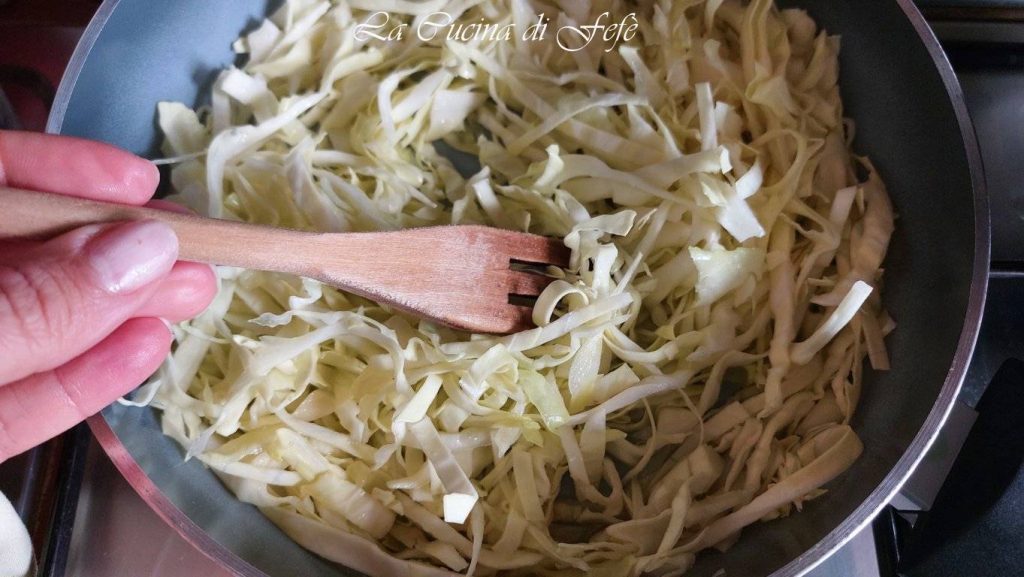
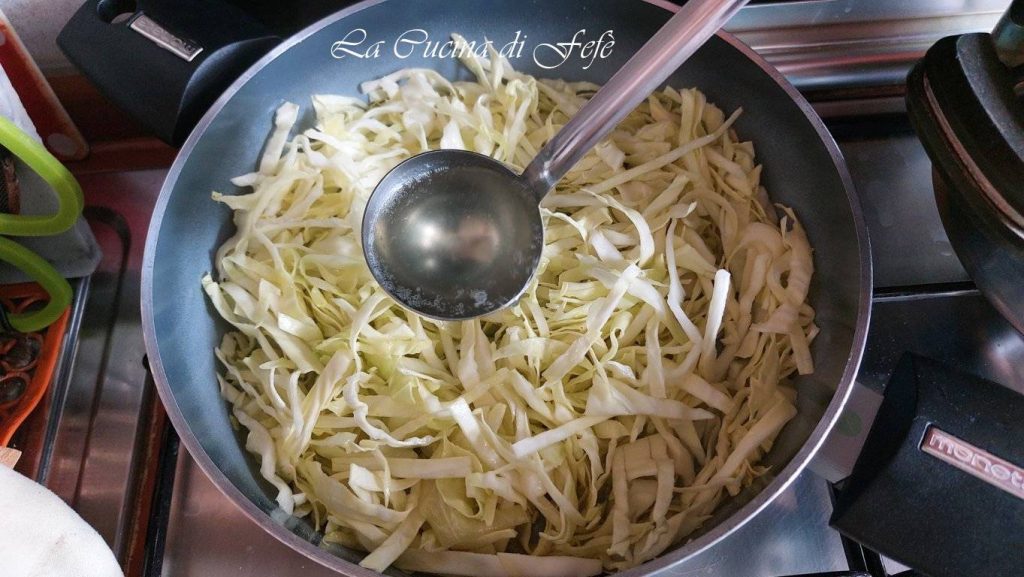
Pour in 2 ladles of the cabbage’s cooking broth and simmer for about 10 minutes over low heat, covered with a lid.
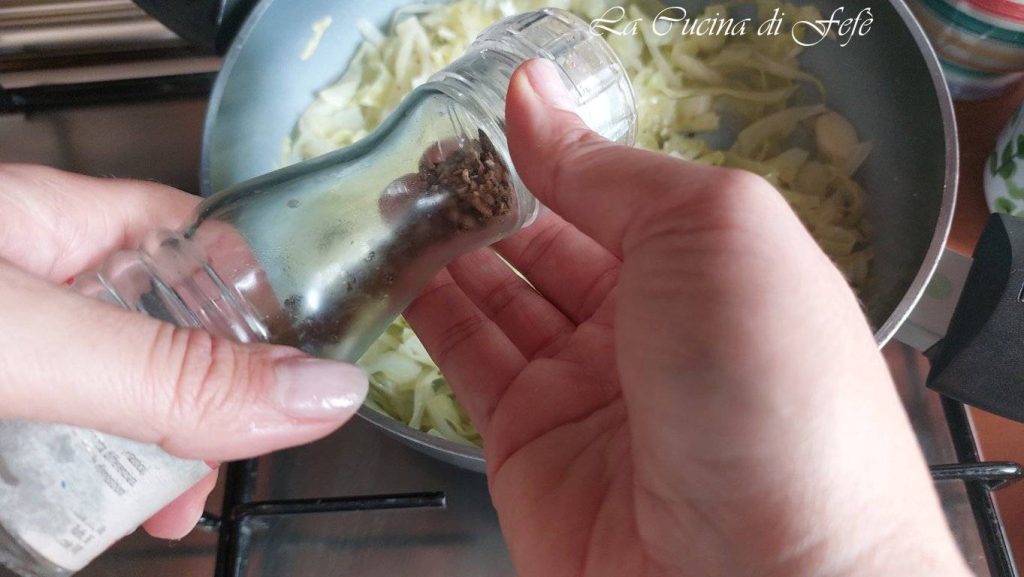
After this time, remove the lid and let any remaining liquid evaporate by cooking for another 5 minutes, then season with salt and pepper..
Turn off the heat and transfer to a colander so the cabbage can drain well from any excess broth that hasn’t evaporated.
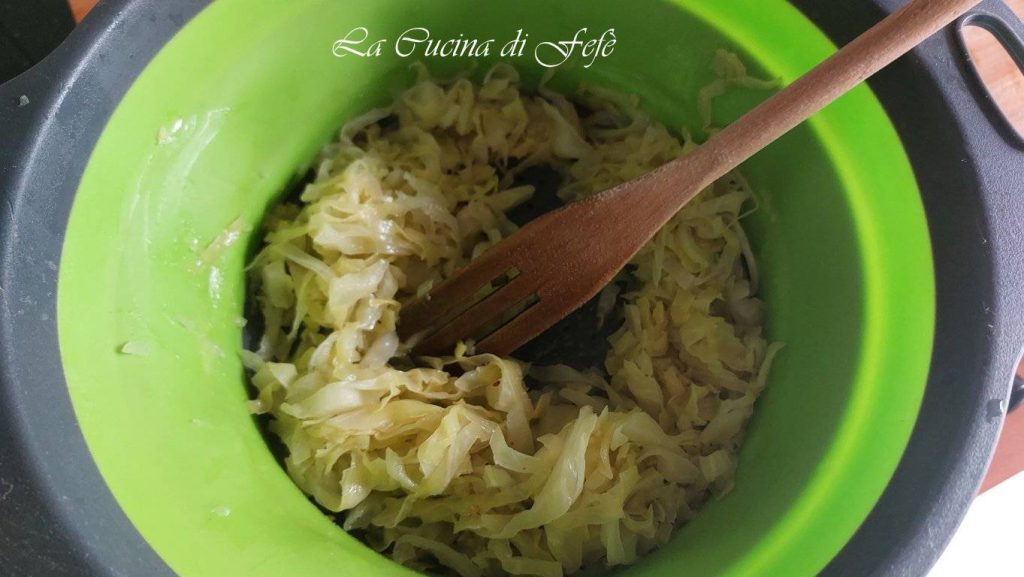
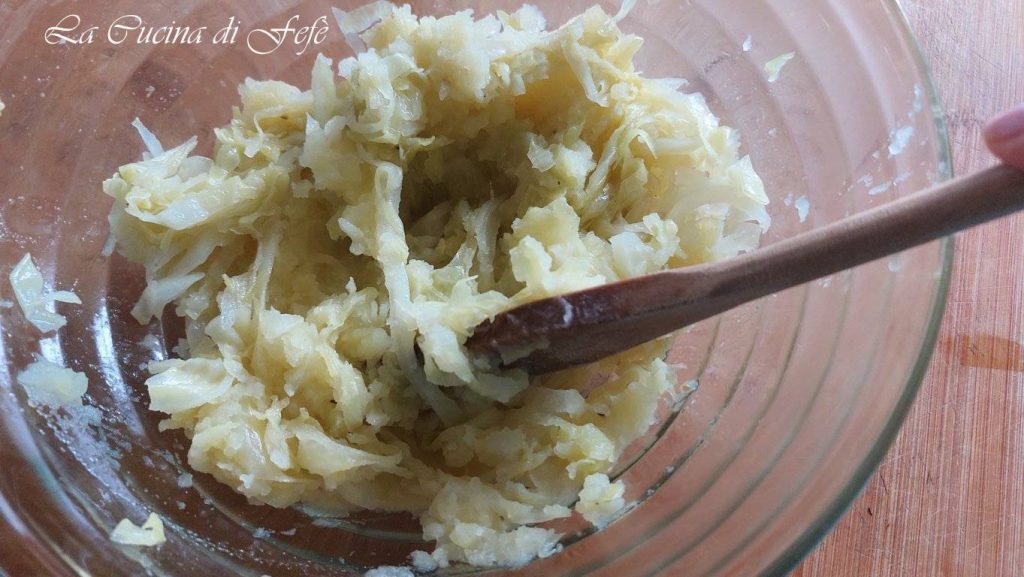
Once well drained, add the stewed cabbage to the potato purée and mix.
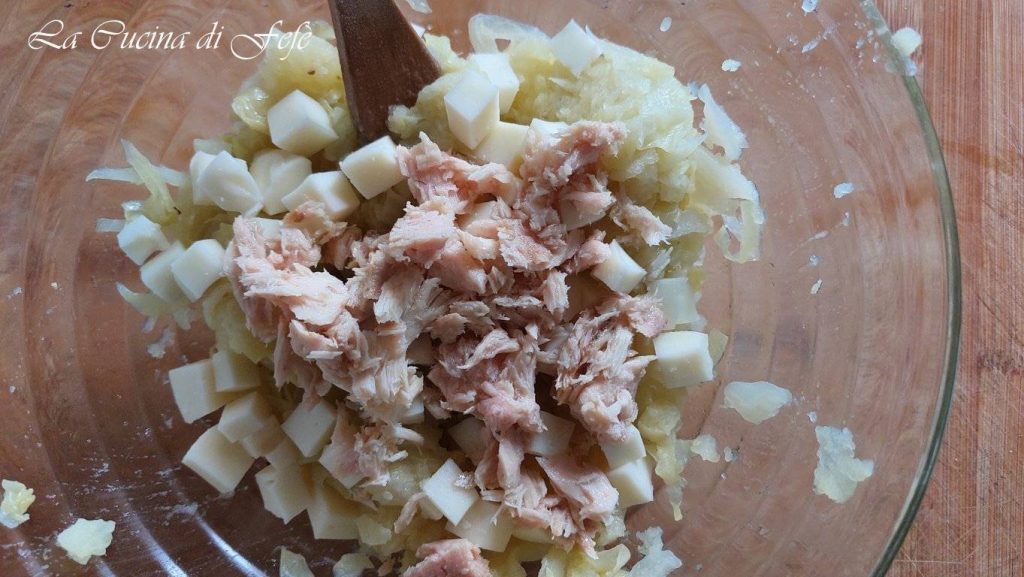
Add the mild provola cubed and the well-drained tuna fillets, mixing everything evenly.
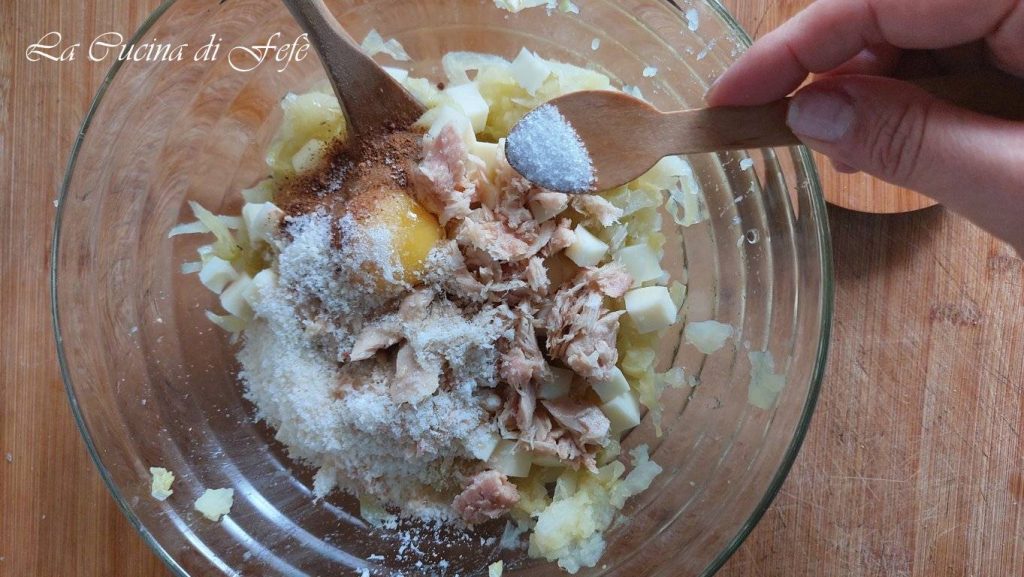
Finish by adding the egg, the ricotta (optional), half of the grated Parmesan, the nutmeg and season with salt.
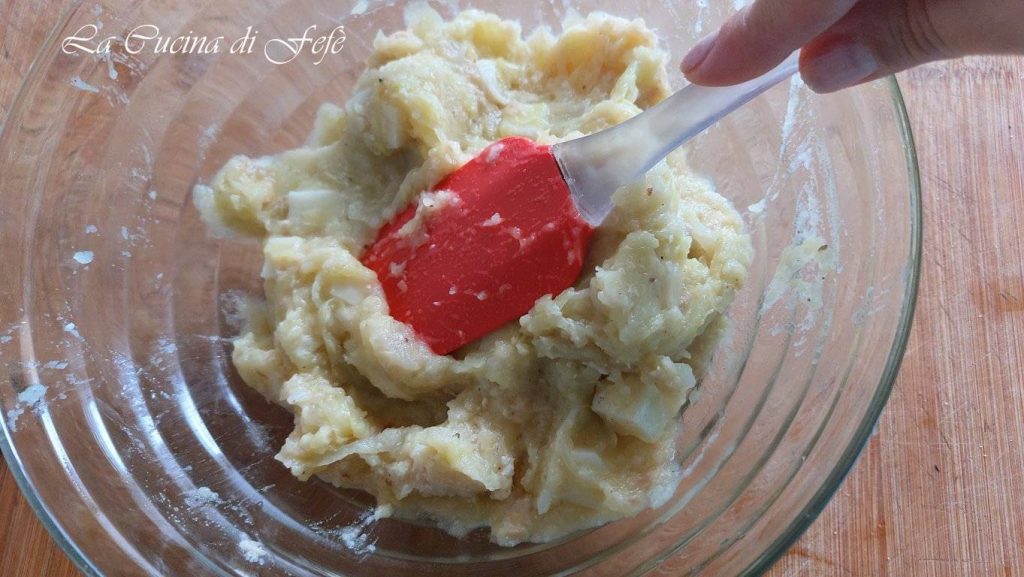
Mix and compact everything with a spatula.
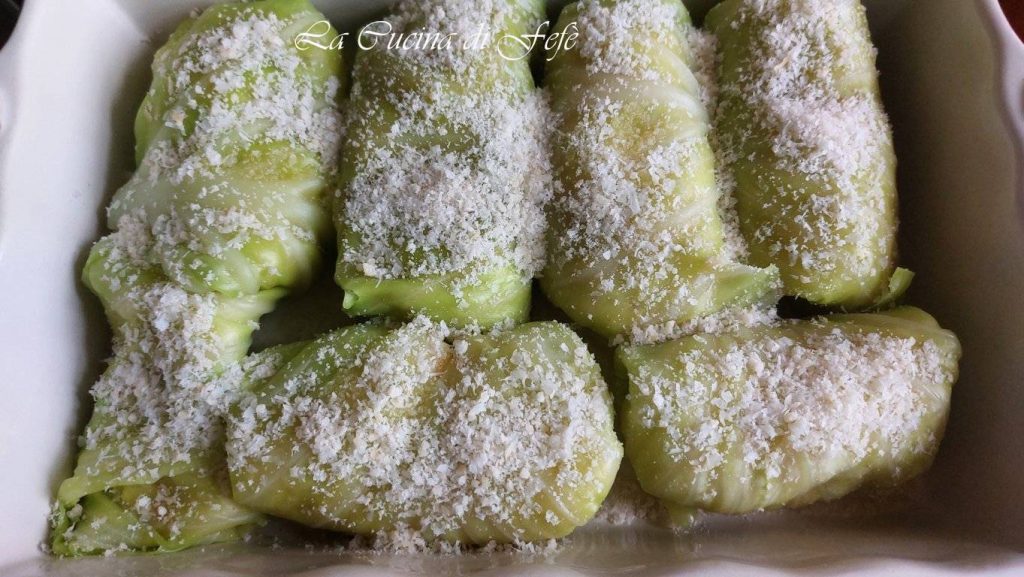
Pat the blanched cabbage leaves dry with paper towels and lay them out one at a time on a cutting board. Place a large spoonful of filling at one end of each leaf.
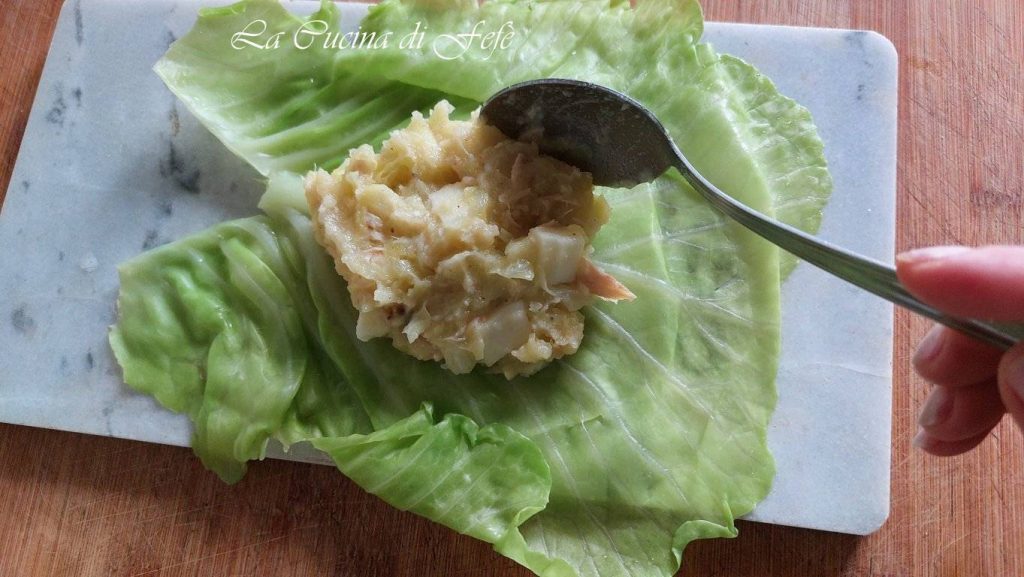
Roll them up, first folding the outer flap in, then folding the side flaps in.
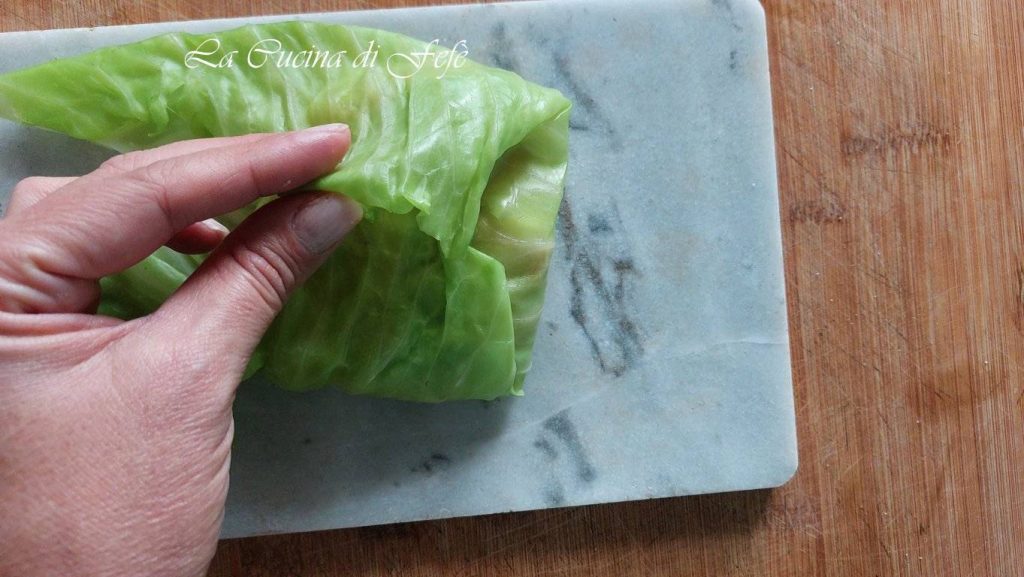
Finish by sealing well around the filling.
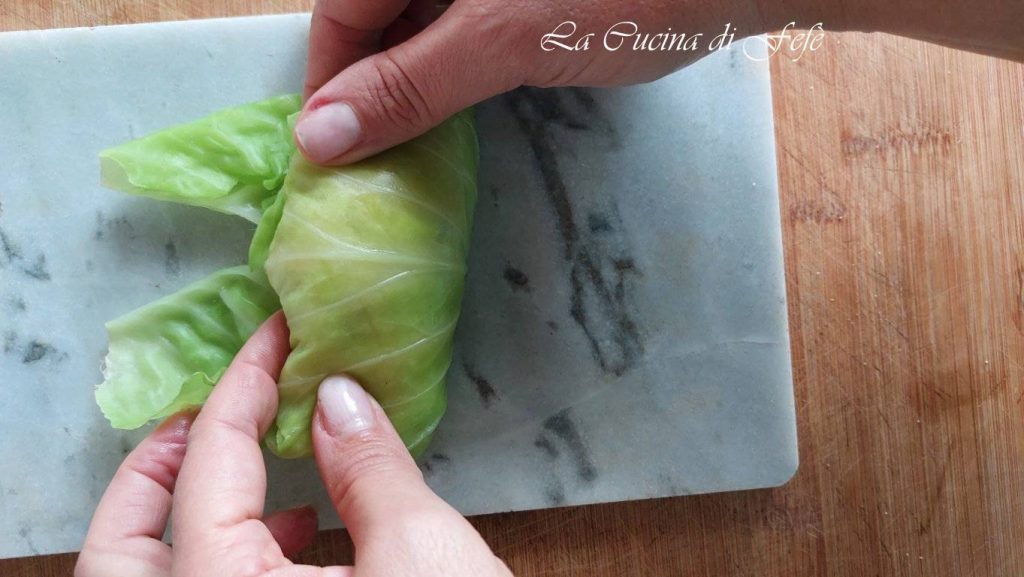
Continue until all the filling is used, placing the rolls seam-side down in a baking dish with 2-3 tablespoons of oil, a small ladle of the reserved cooking water, and a light drizzle of oil on top too.
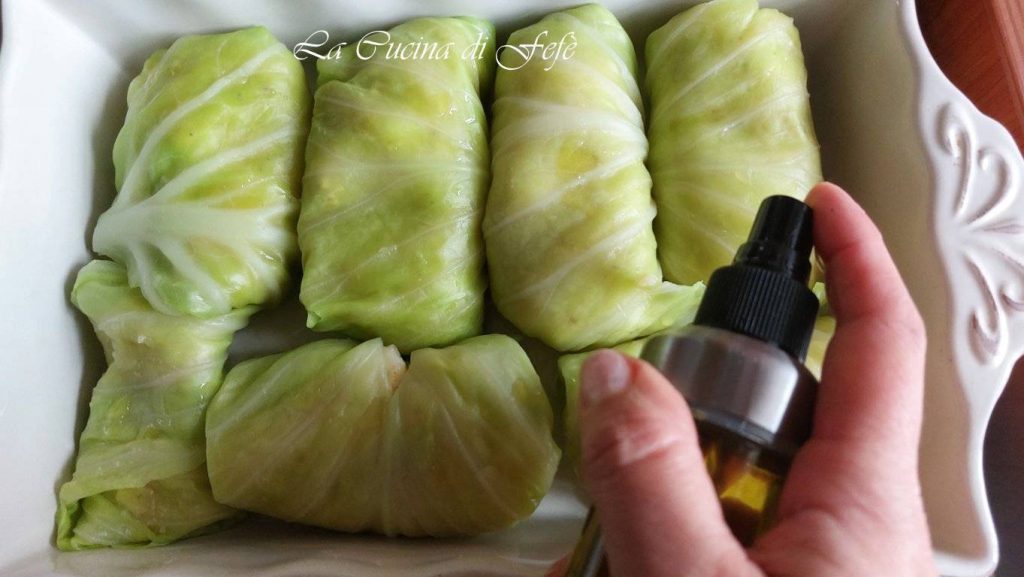
Sprinkle with the remaining half of the grated Parmesan and place in a preheated conventional oven at 374°F for 30 minutes or until fully golden.
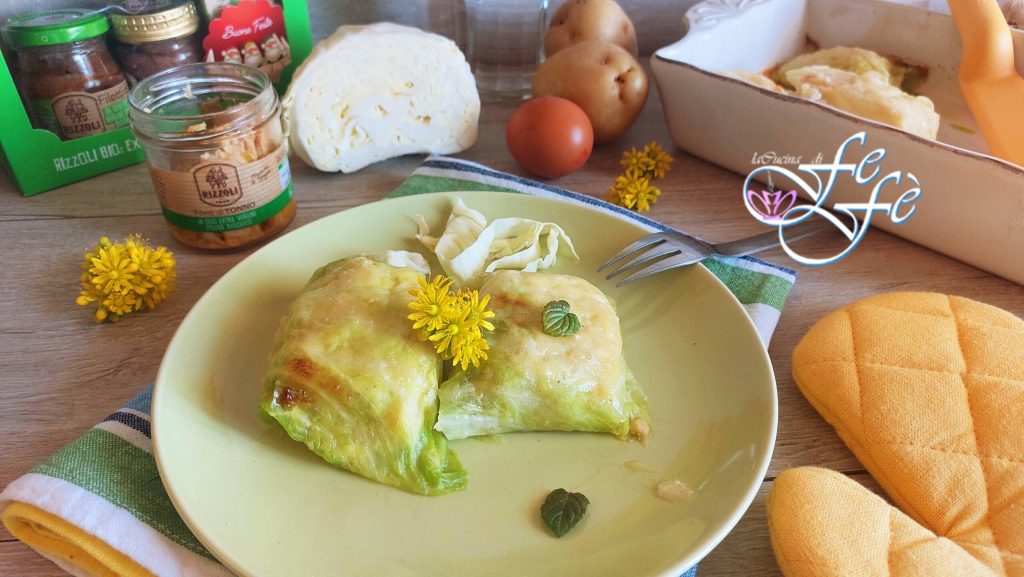
Serve warm or at room temperature
And there you have it… the cabbage rolls with tuna and potatoes are ready to enjoy!
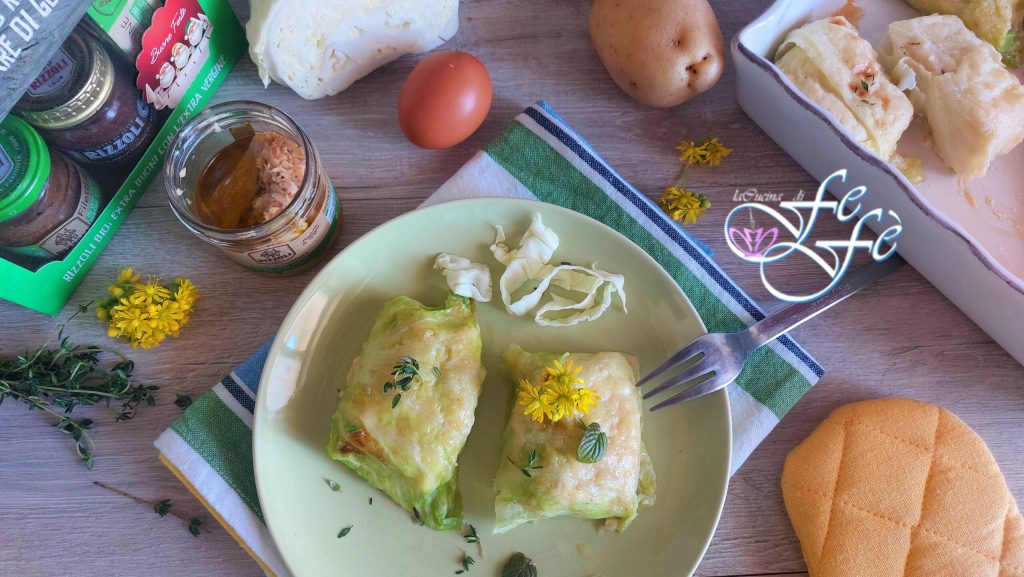
Enjoy your meal from La Cucina di FeFè!
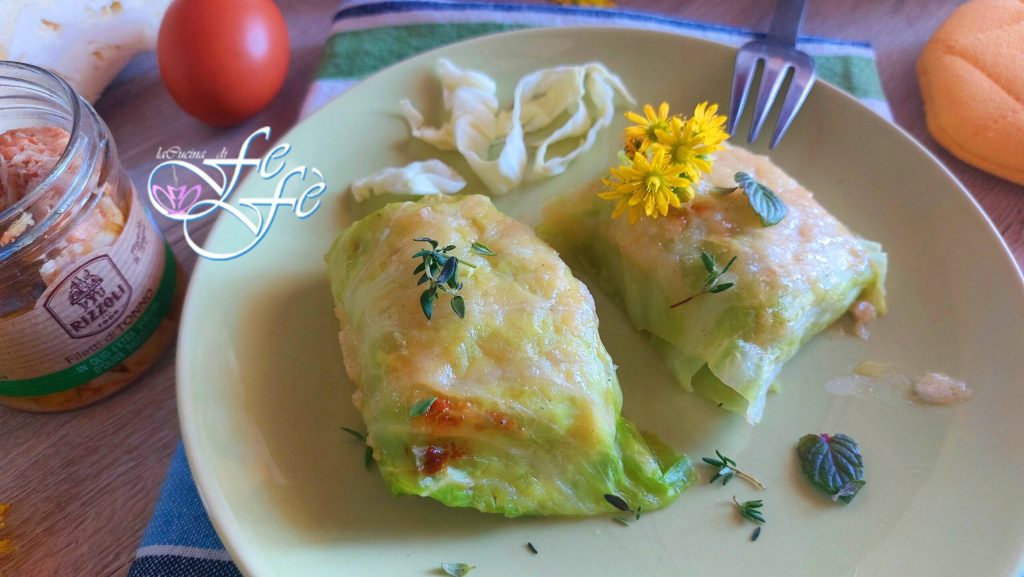
Storage
👉 You can store leftover rolls in the refrigerator in airtight containers or covered with plastic wrap for 1-2 days.
Tips, notes, variations and suggestions
🟣* If the cabbage leaves are too small, consider using 2 overlapping leaves to form a single roll; if they are too large, cut them in half later.
🟣Alternatives: you can replace the stretched cheese with the same amount of ricotta or make the wrappers of these rolls with savoy cabbage leaves instead of green cabbage. For an even more indulgent version, add a few mozzarella or scamorza cubes on top a few minutes before the end of cooking so they melt.
🟣To make the meal even more complete and balanced, you can serve the rolls with light sauces like my yogurt and mustard sauce, ideal to contrast the sweetness of the potato and pairing very well with the tuna. Alternatively, a homemade light mayonnaise will be fantastic.
Seasonal sides: To keep it “fit”, serve with a fennel and orange salad (which cleanses the palate) or oven-roasted confit cherry tomatoes roasted alongside the rolls.
FAQ (Questions & Answers)
1. How can I make the rolls crispier?
For a crunchy crust, sprinkle the surface with a mix of breadcrumbs and Parmesan (or crushed corn flakes, like in the fish sticks I will show you soon) and add a drizzle of extra virgin olive oil before baking.
2. Can I prepare the rolls in advance?
Yes, you can assemble them in the morning for the evening or the day before. Keep them in the refrigerator covered with plastic wrap and bake them only when you’re ready to serve to maintain the ideal texture. If you use a glass or ceramic baking dish, do not put it straight into a hot oven as thermal shock may crack it—let it come to room temperature for about 2 hours first.
3. Is there a vegetarian version of this recipe?
Certainly. For a vegetarian variant, replace the tuna fillets with smoked tofu cubes, legumes (like mashed chickpeas) or simply increase the amount of cheese and sautéed vegetables.
