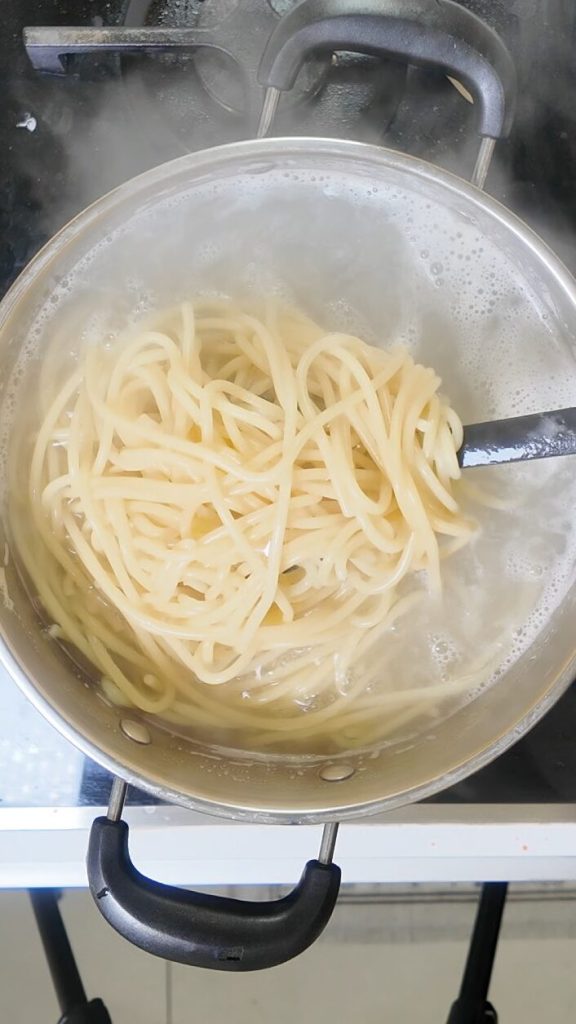
Hello everyone and welcome!
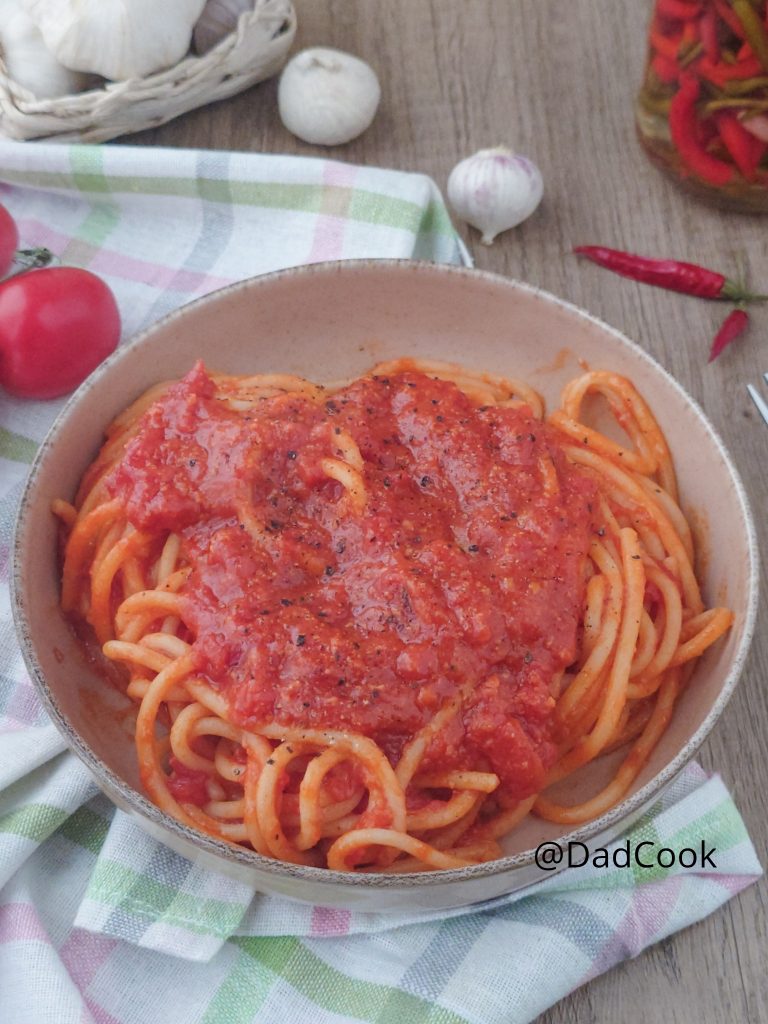
Today, let’s get straight to the point and prepare a dish I love: the legendary Pici all’Aglione!
From Tuscan tradition, I’ll show you the original recipe, the real one, with very few ingredients: Pici, tomato, and the absolute protagonist, Aglione.
If you want to start with a light appetizer to pair, here is the link to my Crostoni with eggplant in oil, tomatoes, and cooked beef, (perfect for cleansing the palate before the pasta!).
This sauce is incredibly creamy, easy to make, and, trust me, much more digestible than classic garlic.
Perfect if you’re looking for a quick first course with an unforgettable flavor, ideal for a surprising dinner!
And after this first masterpiece?
As a second course, I recommend my baked turbot with potatoes.
The pairing is fantastic!
On this page, you’ll find all the secrets to getting the velvety sauce, perfect doses, and step-by-step procedure.
And, to end on a sweet note, don’t forget a sweet touch!
Here you can find my chocolate mousse!
Let’s get to the stove and start cooking right away!
- Spaghetti with black garlic and Salva Cremasco: a creamy delight
- Assassin's Spaghetti: how to make them crispy and perfect
- BEEF HAMMER | Beer-Braised Beef Shank: Perfect and Succulent
- 🌰 Soft and Simple Castagnaccio: Perfect Recipe for Gluten-Free Lombard Patùna (with Tricks)
- Soft Mandarin Yogurt Cake
- Difficulty: Very easy
- Cost: Very cheap
- Rest time: 5 Minutes
- Preparation time: 15 Minutes
- Cooking methods: Stovetop
- Cuisine: Italian
- Seasonality: Summer, Autumn, Spring, Summer, and Autumn
- Energy 416.08 (Kcal)
- Carbohydrates 42.64 (g) of which sugars 5.68 (g)
- Proteins 8.30 (g)
- Fat 25.25 (g) of which saturated 4.36 (g)of which unsaturated 4.16 (g)
- Fibers 5.78 (g)
- Sodium 1,251.78 (mg)
Indicative values for a portion of 400 g processed in an automated way starting from the nutritional information available on the CREA* and FoodData Central** databases. It is not food and / or nutritional advice.
* CREATES Food and Nutrition Research Center: https://www.crea.gov.it/alimenti-e-nutrizione https://www.alimentinutrizione.it ** U.S. Department of Agriculture, Agricultural Research Service. FoodData Central, 2019. https://fdc.nal.usda.gov
Ingredients
- 14 oz pici
- 8 cloves aglione
- 28 oz peeled tomatoes
- 1/3 cup extra virgin olive oil
- to taste coarse salt
- 1 pinch black pepper
- 1 hot chili pepper (Optional)
Tools
- 1 Pot Royal Norfolk
- 1 Pan Aeternum
- 1 Immersion Blender Cocotec
Steps
Preparation and Cutting of Aglione
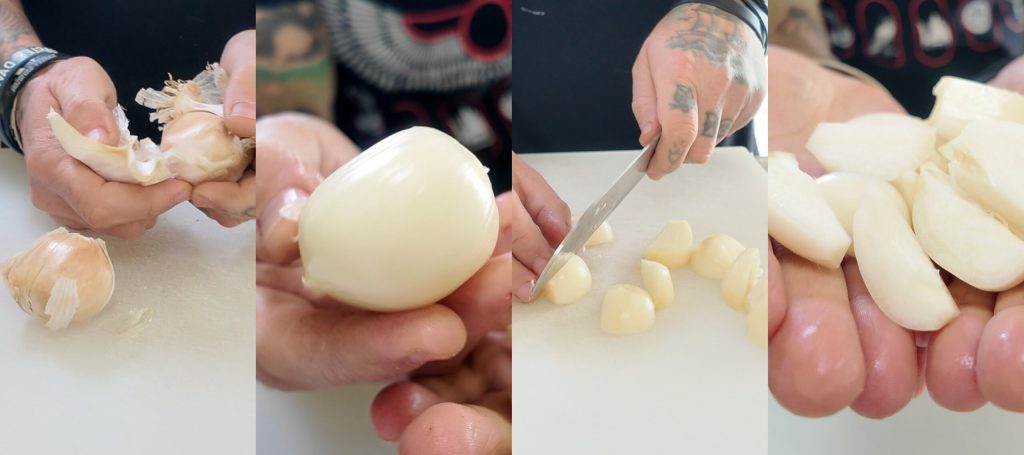
Peel and Cut: Take the Aglione, carefully peel each clove, removing all residual skin.
Slice: Cut the peeled cloves in half lengthwise and then in half again, creating quarters of aglione.
This will reduce the blending time and help achieve the cream.
Creating the Aglione Cream
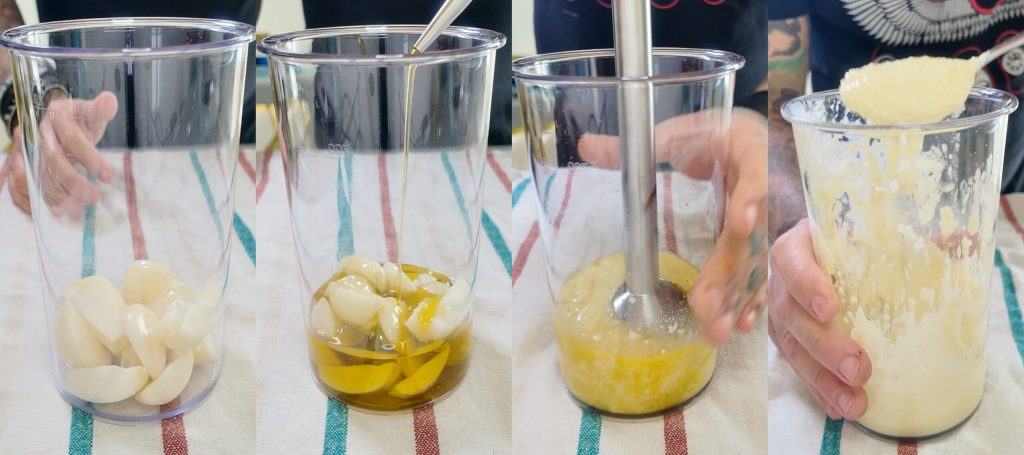
Blend with Oil: Transfer all the aglione quarters into the immersion blender container (or food processor).Add Oil: Cover the cloves with plenty of Extra Virgin Olive Oil, just as you would for a pesto.
Pulse Blend: Blend intermittently (with short pauses) to avoid heating the ingredients too much.
Continue blending until you achieve a thick, homogeneous, and velvety cream.
The texture should be similar to a coarse pesto.
Cooking the Sauté and Adding the Tomato
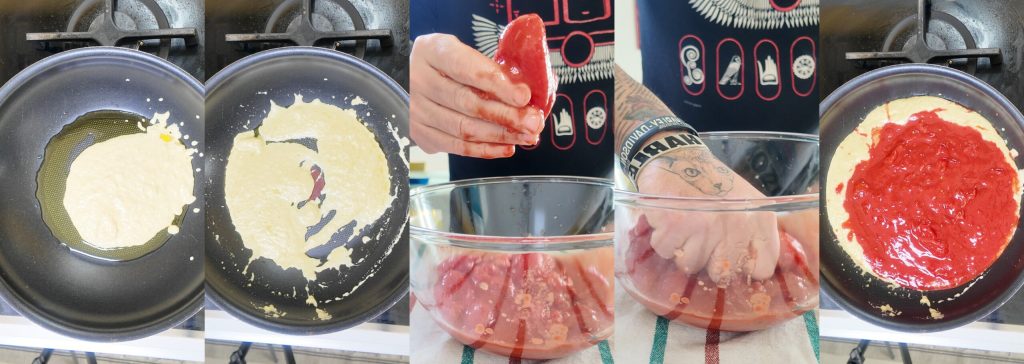
Base Sauté: Transfer the aglione and oil cream to a large saucepan or pan.Add 2 extra tablespoons of Extra Virgin Olive Oil.
Slow Cooking: Turn the heat to low and let the cream cook for 5-7 minutes.
This step is crucial to blend and sweeten the Aglione without burning it.
Adding the Tomato: Meanwhile, crush the peeled tomatoes with your hands or a fork directly in a bowl (if you prefer a smoother sauce, you can blend them briefly).
Complete the Sauce: Add the crushed tomatoes directly to the sautéed aglione.Season with salt, black pepper, and if using chili pepper, add a pinch.
Cooking and Creaming the Pasta
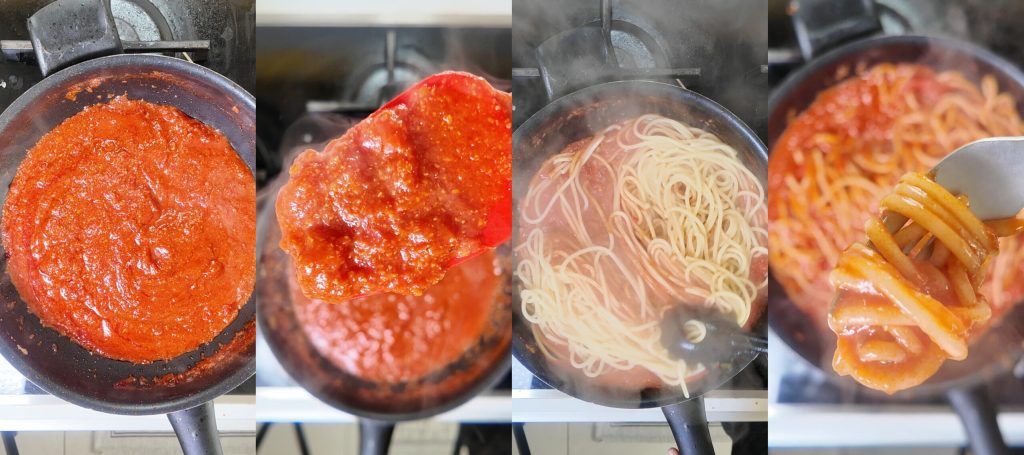
Cooking Time: Cook the sauce on low heat and let it reduce until it reaches the desired consistency (about 20-25 minutes).
Cook the Pici: Bring salted water to a boil for the pasta and cook the Pici.
Drain them well al dente, reserving a ladle of cooking water.
Final Creaming: Transfer the drained Pici directly to the pan with the Aglione sauce.Turn the heat to medium.
Mix and Rest: Stir vigorously for a minute, adding a tablespoon of cooking water if necessary to create that velvety cream.
Turn off the heat and let the Pici rest in the sauce for 1-2 minutes: this way, the flavors will intensify and the creaming will be perfect.
Plating and Tasting
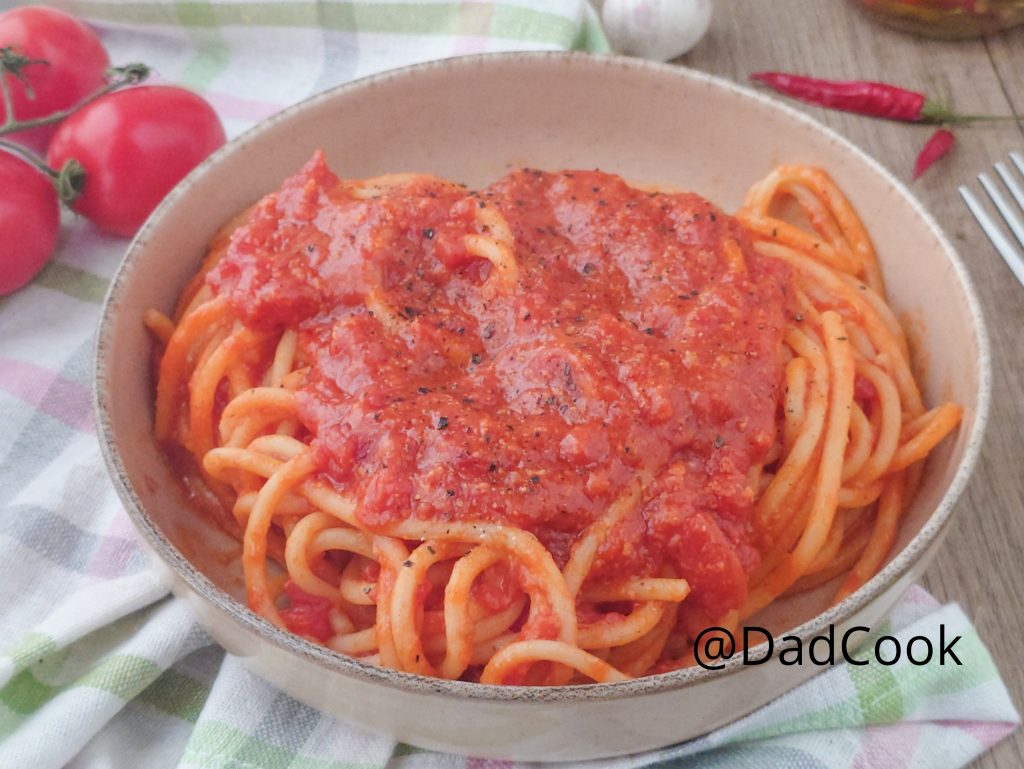
Serve Hot: Plate the Pici immediately, creating “nests” with the help of a fork and a ladle.
Garnish: Complete each serving with a drizzle of raw Extra Virgin Olive Oil and a grind of fresh black pepper.Taste: Serve immediately and enjoy!
🍽️ Storage, Tips, and Variations
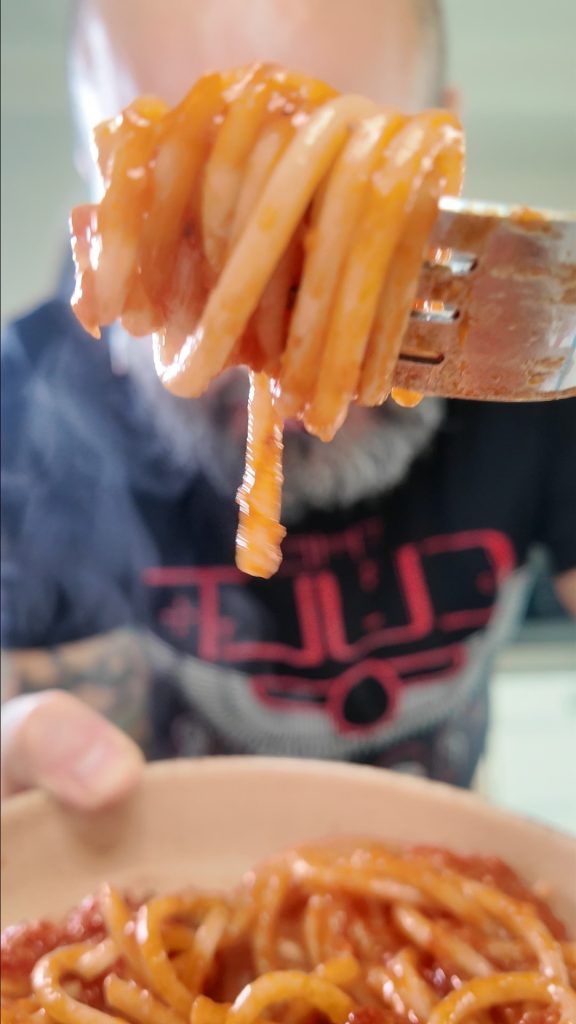
My first tip is always to enjoy the Pici all’Aglione immediately, as soon as it’s ready, to savor the maximum creaminess!
But if there’s any leftover, here’s what to do.
How to Store:
If there’s leftover Finished Dish, you can put it in an airtight container in the fridge, but don’t go beyond one day.
Keep in mind that, like all creamed pasta, the next day the pici will have absorbed most of the sauce.
If you only have leftover Aglione Sauce, it keeps much better!
You can keep it in the fridge for 2-3 days or freeze it.
This way you’ll have a fantastic base ready for next time.
My Secrets for a Perfect Dish
Don’t Rush with the Base: The crucial phase is the cooking of the Aglione.
Cooking the cream on very low heat for those 5-7 minutes is the secret to sweeten its flavor, ensuring the dish is digestible and never bitter.
Cooking Water is Essential:
Remember to always set aside a ladle of the water in which you cook the pasta.
This starchy water is the real magic for the creaming!
Add it little by little to the sauce to get that velvety consistency that binds the pici sublimely.
Rest Gives Flavor: Once the creaming is complete and the heat is off, let the dish rest for a minute.
This brief moment allows the flavors to settle and intensify, making the final dish even richer.
Variations on the Theme:
The original recipe is wonderful, but sometimes it’s nice to experiment:
Summer Touch: If you’re in full season and love fresher flavors, you can add halved fresh cherry tomatoes and let them wilt in the sauce.
For Flavor Lovers: For a more robust and less traditional taste, try sautéing some diced pancetta or guanciale before adding the Aglione cream.
A Touch of Freshness:
A pinch of fresh chopped parsley at the end of cooking can add a touch of color and extra aroma, although it’s not included in the classic version.
A Recipe for Everyone: Remember, if you make the pici with just water and flour, this recipe is also naturally vegan!
❓ FAQ – Frequently Asked Questions about Pici all’Aglione
What is the difference between Aglione and common garlic?
Aglione from Valdichiana is a giant garlic variety.
The main difference is in taste and digestibility: Aglione is much more delicate, sweet, and aromatic, and does not leave the strong aftertaste and intense odor typical of common garlic, making it much more digestible.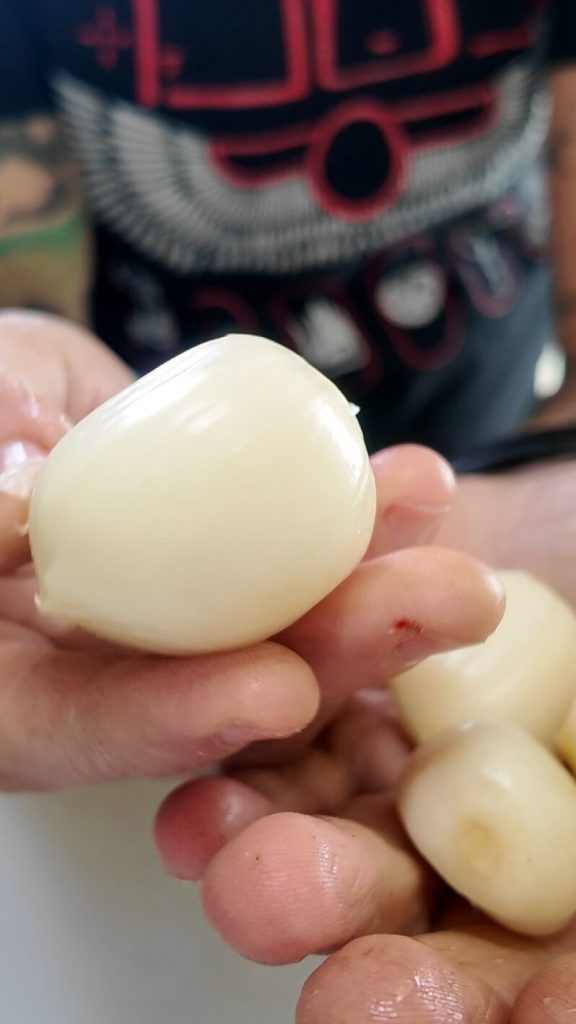
Can I use common garlic if I can’t find Aglione?
Yes, you can substitute it, but with precautions.
Use less quantity (about half) and make sure to remove the inner germ (the green sprout) from each clove.
This will help mitigate its intensity and make it more digestible.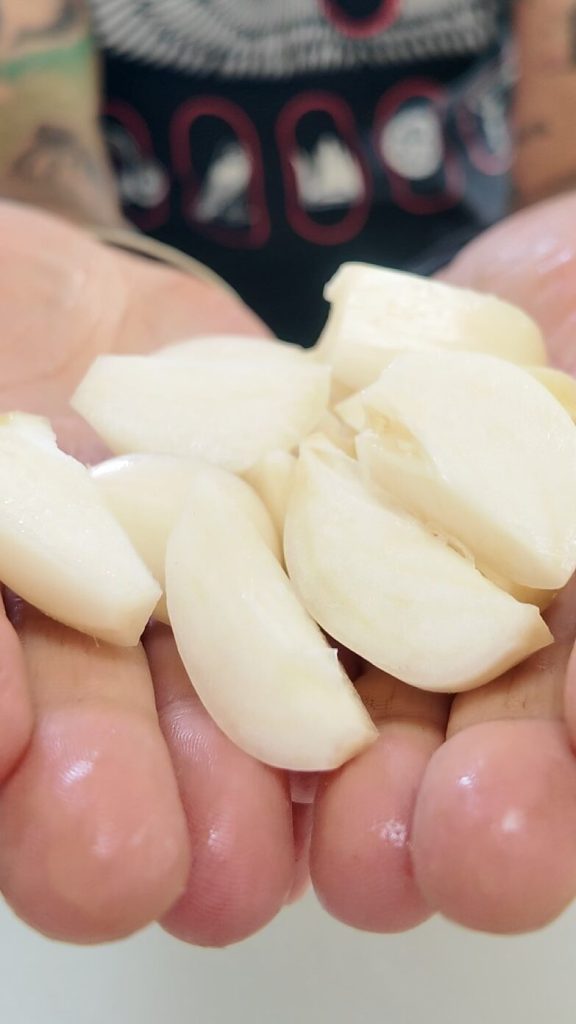
Are Pici all’Aglione a spicy dish?
Traditionally, they are not spicy.
The dominant flavor is the sweet-aromatic taste of Aglione.
However, many add a small pinch of chili pepper to the sauce for a flavor kick, but it is an optional addition.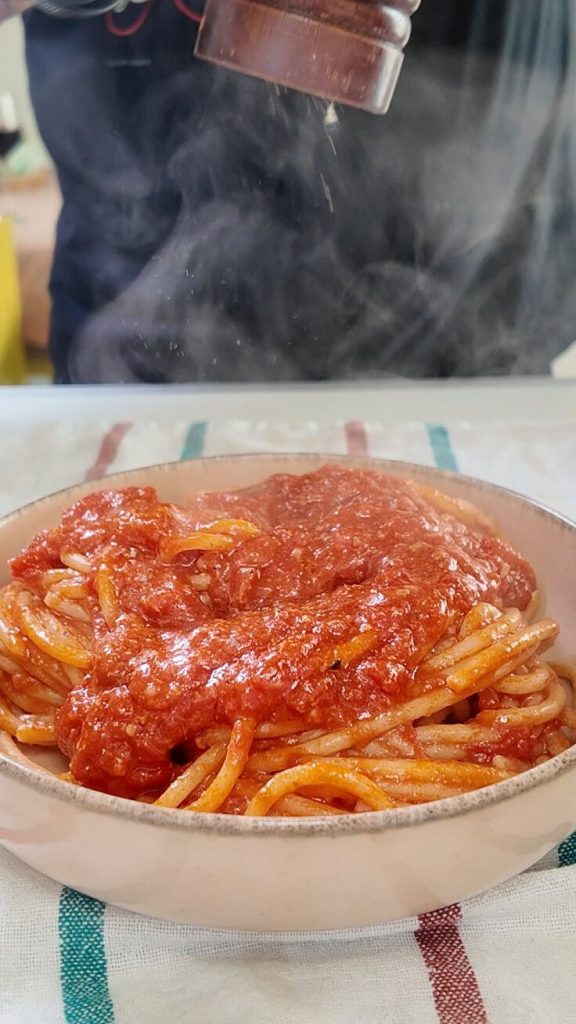
If I make Pici at home, what ingredients do I need for the pasta?
Traditional Pici are a type of poor pasta and are made simply with soft wheat flour, water, and a pinch of salt, sometimes with a drop of oil, but usually without eggs.