
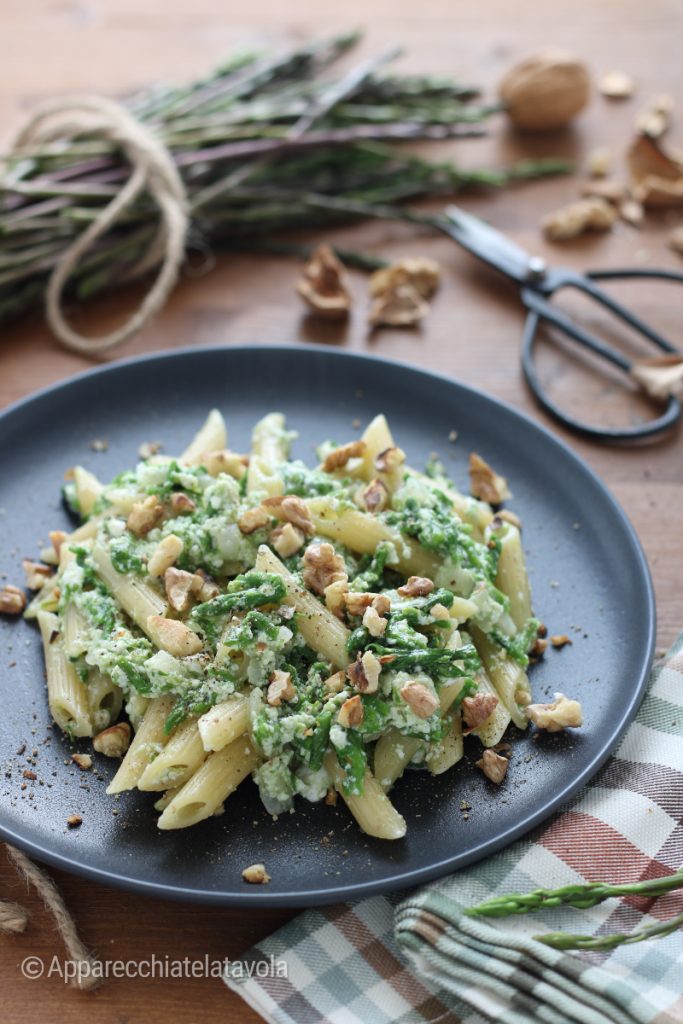
Creamy recipe: pasta with wild asparagus and fresh ricotta with walnut kernels, with a more intense and aromatic flavor compared to the traditional pasta with asparagus cultivated. Every year, I am fortunate to receive a nice bunch of wild asparagus from dear friends, gathered with passion and patience. I always take advantage to prepare not only pasta, but other tasty dishes, from the classic rice to the simple omelet with wild asparagus.
I love wild asparagus, they have a stronger flavor, with more bitter notes and greater intensity than cultivated asparagus. The latter tend to be sweeter and more delicate.
The wild asparagus, which grow spontaneously in nature, also have a thinner texture and a more pronounced woody part, which can add a certain rusticity to the dish. On the other hand, cultivated asparagus are generally more tender and easier to work with, with a taste that suits simpler preparations. If you want a dish with an authentic and “rustic” flavor, you absolutely cannot miss my pasta with wild asparagus!
See you in the next recipe!!!
TRY ALSO:
- Difficulty: Very easy
- Cost: Very cheap
- Preparation time: 10 Minutes
- Portions: 4 People
- Cooking methods: Stovetop
- Cuisine: Italian
- Seasonality: Spring
- Energy 223.16 (Kcal)
- Carbohydrates 5.89 (g) of which sugars 2.43 (g)
- Proteins 9.91 (g)
- Fat 17.96 (g) of which saturated 5.14 (g)of which unsaturated 2.07 (g)
- Fibers 1.49 (g)
- Sodium 738.74 (mg)
Indicative values for a portion of 125 g processed in an automated way starting from the nutritional information available on the CREA* and FoodData Central** databases. It is not food and / or nutritional advice.
* CREATES Food and Nutrition Research Center: https://www.crea.gov.it/alimenti-e-nutrizione https://www.alimentinutrizione.it ** U.S. Department of Agriculture, Agricultural Research Service. FoodData Central, 2019. https://fdc.nal.usda.gov
Ingredients: pasta with wild asparagus
- 10.5 oz wild asparagus
- 9 oz ricotta
- 1 shallot
- 3 tablespoons extra virgin olive oil
- 10 walnut kernels
- to taste salt
- to taste pepper
Tools
- Frying pan
- Casserole
- Knife
- Cutting board
Recipe: pasta with wild asparagus
Here’s how to make creamy pasta with wild asparagus, a simple and natural dish!
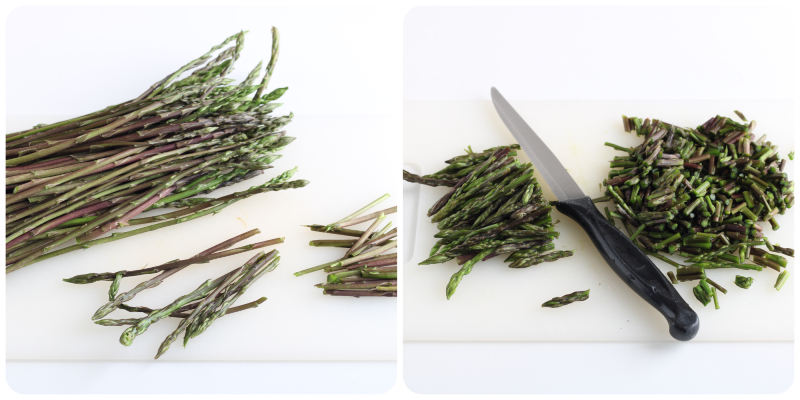
After washing the asparagus under running water, break the stalk with your hands where it becomes softer, removing the woodier end. With a knife, cut the good stalks into pieces and leave the tips whole.
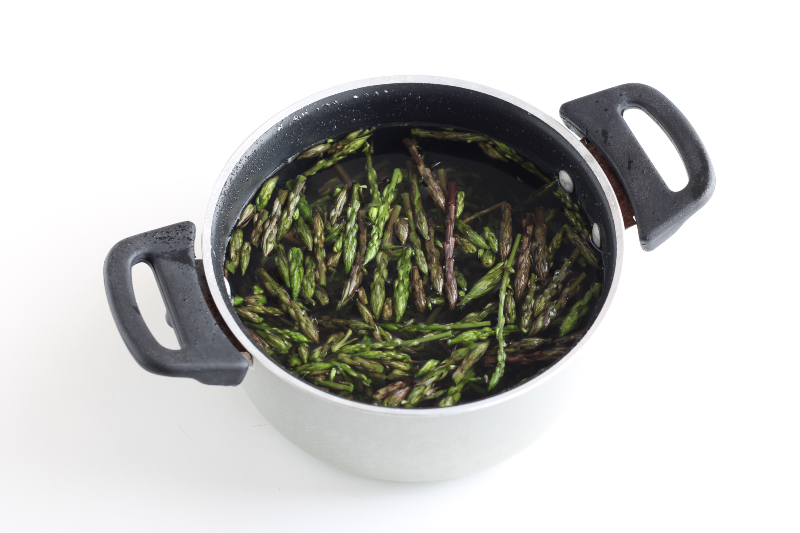
Cook them in a casserole with salted boiling water until they are soft enough, but do not overcook them, because they will continue to cook in the pan (this will take about 5 minutes). Once ready, drain them.
Important: before you start preparing the sauce for the pasta, put a pot of salted water on the stove and bring it to a boil, then pour in the chosen pasta and cook for the minutes indicated on the package.
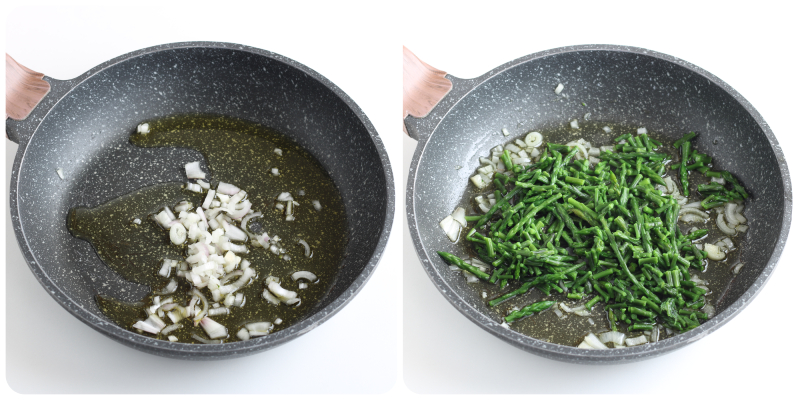
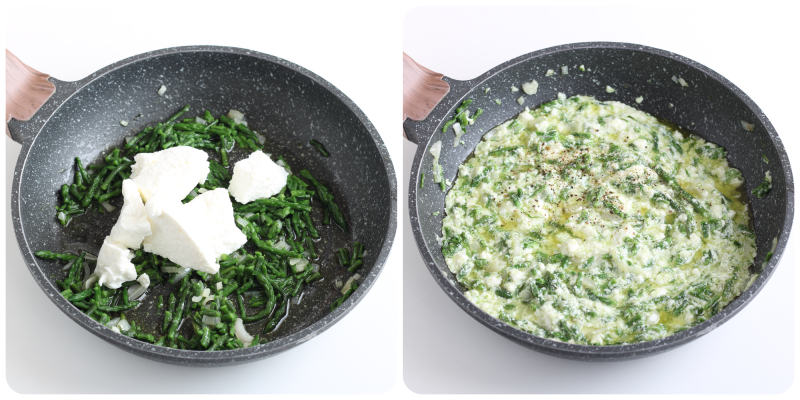
Meanwhile, deal with the sauce: in a frying pan, sauté the oil with the shallot, then add the previously blanched asparagus and let them sauté for a few minutes.
Add the fresh ricotta, a few tablespoons of cooking water, salt, pepper, and mix everything well. Once the pasta is cooked, drain it and transfer it directly into the pan with the sauce.
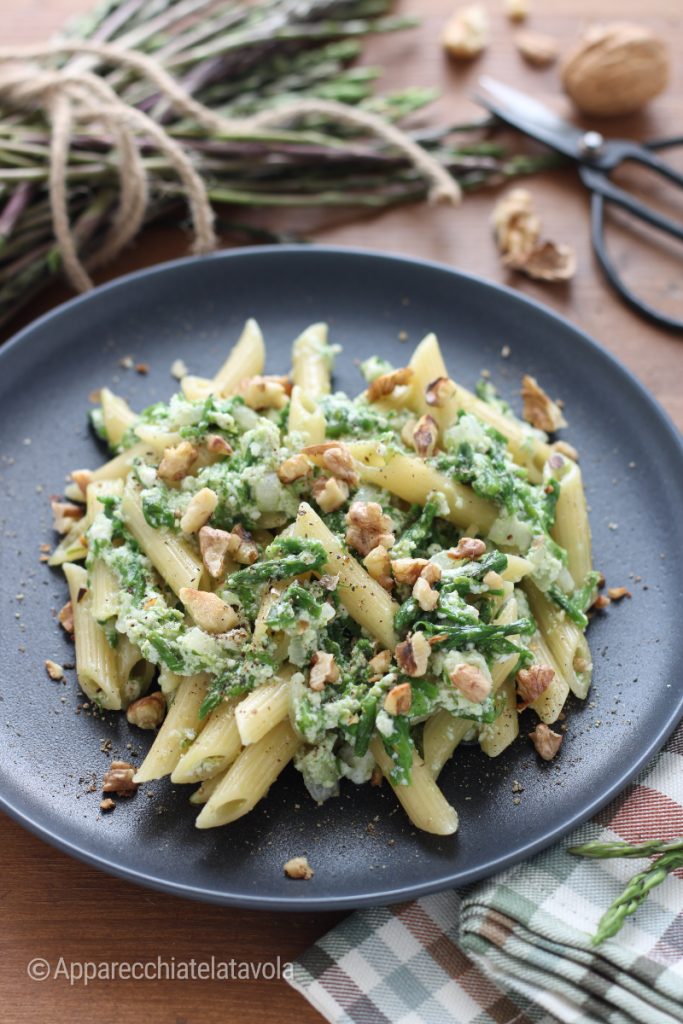
It’s time to plate the pasta and serve it: transfer it to a serving dish, sprinkle with broken and toasted walnut kernels, add freshly ground black pepper if you like. Enjoy your meal!
Storage and Tips:
Storage: asparagus and ricotta pasta can be stored in the refrigerator for up to 1-2 days. It is important to store it in an airtight container to keep it fresh. When reheating the pasta, do it gently in a pan with a bit of water or broth to prevent it from drying out too much.
Tips: you can enrich the pasta with a bit of grated lemon zest for freshness or add some parmesan shavings for an extra touch. You can also make this recipe with other vegetables such as zucchini or spinach.
FAQ
I don’t have wild asparagus, can I use cultivated ones?
Of course, you can safely use cultivated asparagus instead of wild ones. Wild asparagus has a more intense flavor and a thinner texture, but common asparagus will still give a good result.
What can I substitute for ricotta?
If you don’t have ricotta, you can replace it with another creamy cheese, such as robiola, mascarpone, or cream cheese.
