
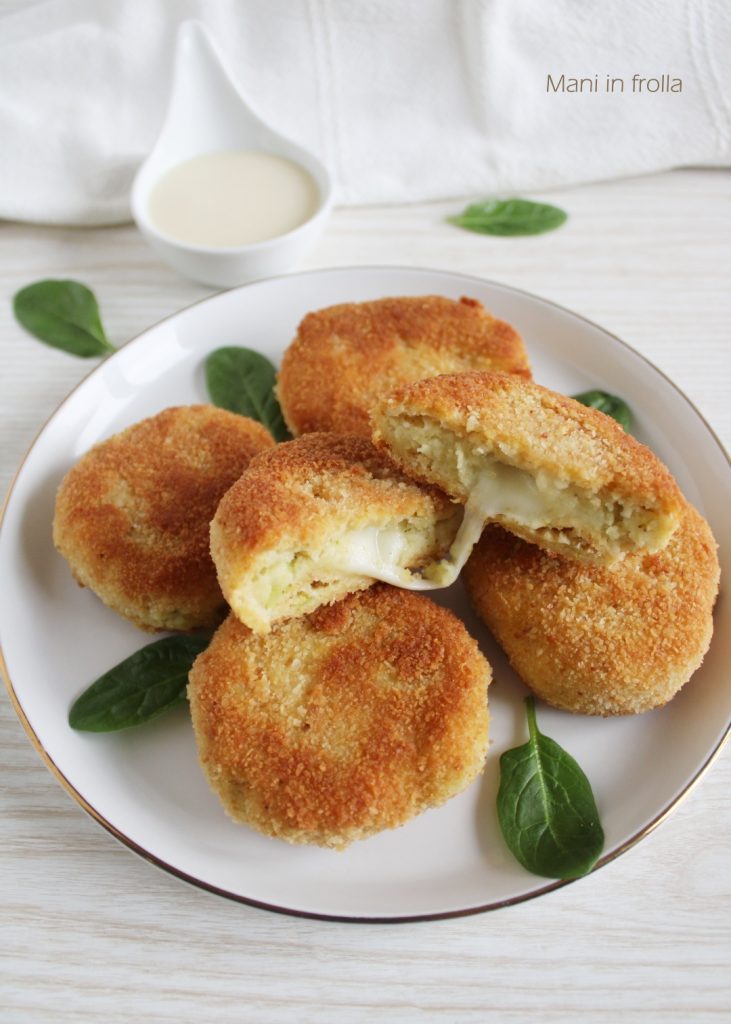
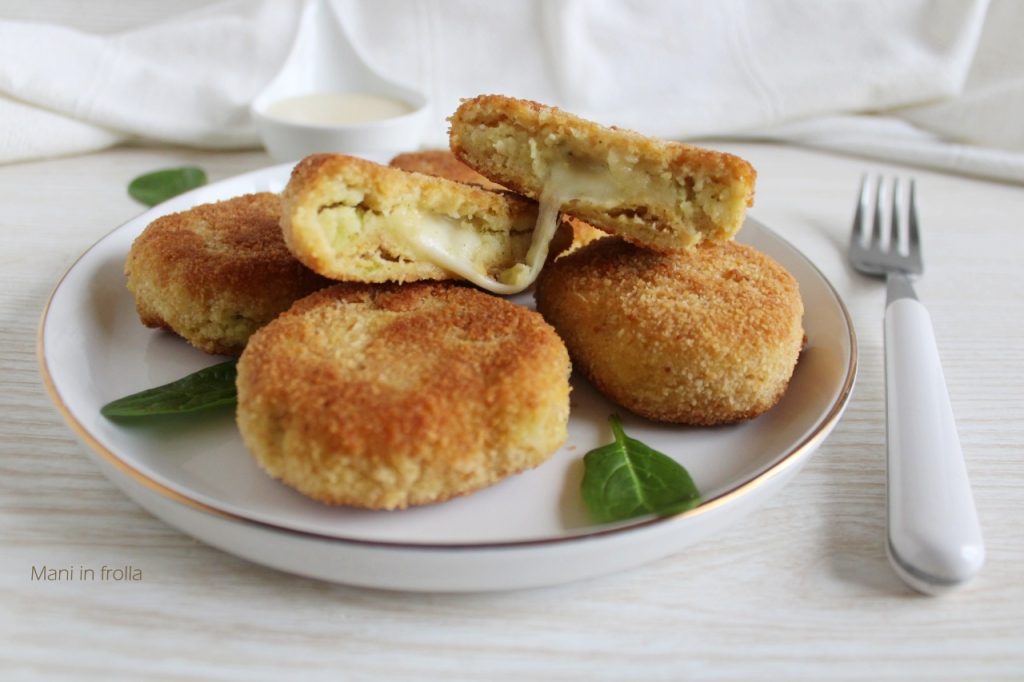
Skillet Potato and Broccoli Medallions, filled with melty cheese: a delicious and surprising main course, perfect to get kids to eat broccoli (and make adults fall in love).
The trick to making the whole family love broccoli? Put them inside a golden and crispy medallion with a gooey heart that melts at the first bite! These potato and broccoli medallions are the perfect solution for a healthy, quick, and fuss-free dinner.
First, I cooked the potatoes and broccoli until they were very tender, then mashed the potatoes with a potato ricer and the broccoli with a fork. I added an egg, grated Parmesan cheese, and a handful of breadcrumbs to make the mixture firm but light.
After forming balls, I placed a cube of cheese in the center and sealed them carefully. After flattening them, I did a double breading and then fried them in a pan: a few minutes per side with a drizzle of oil until they became golden and crispy. In the recipe, I explain the trick to cooking them perfectly.
The final touch? I served the medallions with a warm Parmesan cream that enhances the delicate flavor of the broccoli. Simply delicious!
Broccoli are often looked at with skepticism by the little ones, but transformed into small golden cakes with a melty cheese filling, they become the most requested dish of the week. A simple, genuine recipe perfect for those looking for a vegetarian main course that is both nutritious and tasty.
And how do you get your little ones to eat their vegetables? Try these medallions and let me know in the comments if they disappeared from the plate in a flash!
Simple to prepare in a skillet and impossible to resist. Save the recipe for your next dinner!
But now, let’s see how to make the recipe for Skillet Potato and Broccoli Medallions. Prepare the ingredients and let’s get started!
And if you try them, don’t forget to let me know in the comments on my Facebook page HERE. If you want, give a Like to the page: it would make me really happy. I look forward to it.
Gabriella
Other delicious recipes to try:
- Difficulty: Easy
- Cost: Cheap
- Preparation time: 15 Minutes
- Portions: 4
- Cooking methods: Stovetop
- Cuisine: Italian
- Seasonality: All seasons
Ingredients
- 14 oz potatoes (about 2 medium-sized)
- 10.5 oz broccoli (amount to taste)
- 1.75 oz grated Parmesan cheese
- 1 egg
- 3 tbsp breadcrumbs (or 4, add a little at a time)
- 3.5 oz cheese (provola, scamorza or mozzarella for pizza)
- to taste salt
- to taste black pepper
- 2 eggs
- to taste breadcrumbs (or cream)
- to taste extra virgin olive oil (or olive oil, for frying)
- 1.75 oz grated Parmesan cheese
- 1/3 cup milk (or cooking cream)
Tools
- 1 Potato Peeler
- 1 Pot
- 1 Potato Masher
- 1 Bowl
- 2 Plates
- 1 Skillet
- 1 Small Pot
Steps
First, peel the potatoes and cut them into small cubes; divide the broccoli into florets and rinse them under running water. Steam them for about 10-12 minutes (or boil them in salted water). It is essential that they are very tender. Drain and let them steam for a few minutes, allowing them to shed excess moisture.
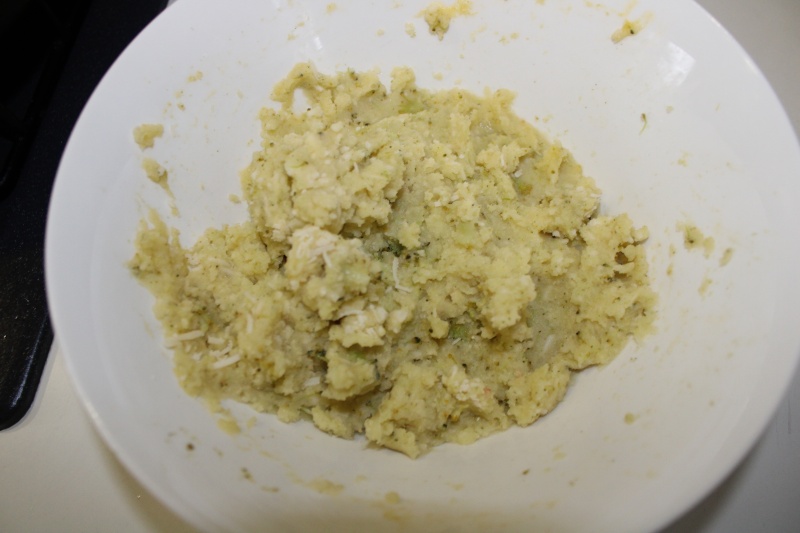
In a large bowl, mash the potatoes and broccoli (both still hot) with a fork or potato masher. Add the egg, Parmesan, salt, and pepper (you can also add nutmeg if you like). Mix in the breadcrumbs one tablespoon at a time until the mixture is easily workable by hand.
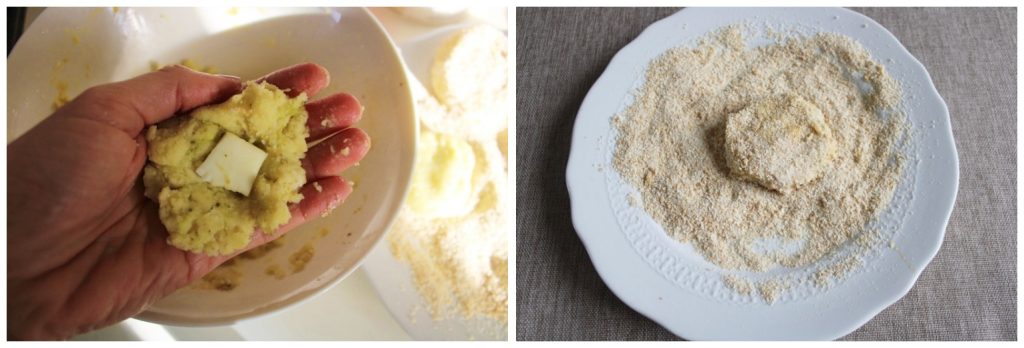
Take a portion of the mixture, press it into the palm of your hand, and insert a cheese cube in the center. Seal it well, forming a ball, then flatten it slightly to form a medallion (this helps it cook better).
Pass each piece in breadcrumbs, pressing well to adhere, then in egg, and again in breadcrumbs (double breading).
If you have time, put the breaded medallions in the fridge for 30 minutes. If you’re in a hurry, skip this step.
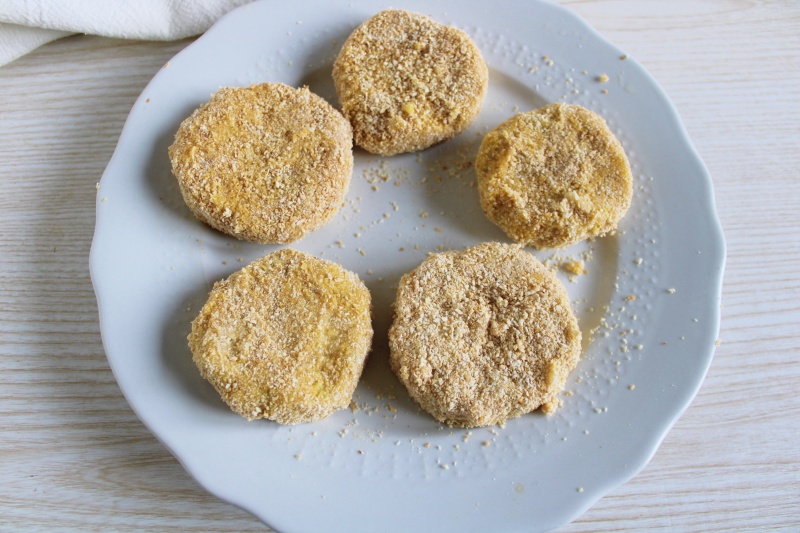
Heat the oil in a non-stick skillet. Place the medallions in the pan, cover, and start cooking for about 2 minutes over medium-low heat (this allows the heat to penetrate and the cheese to start melting).
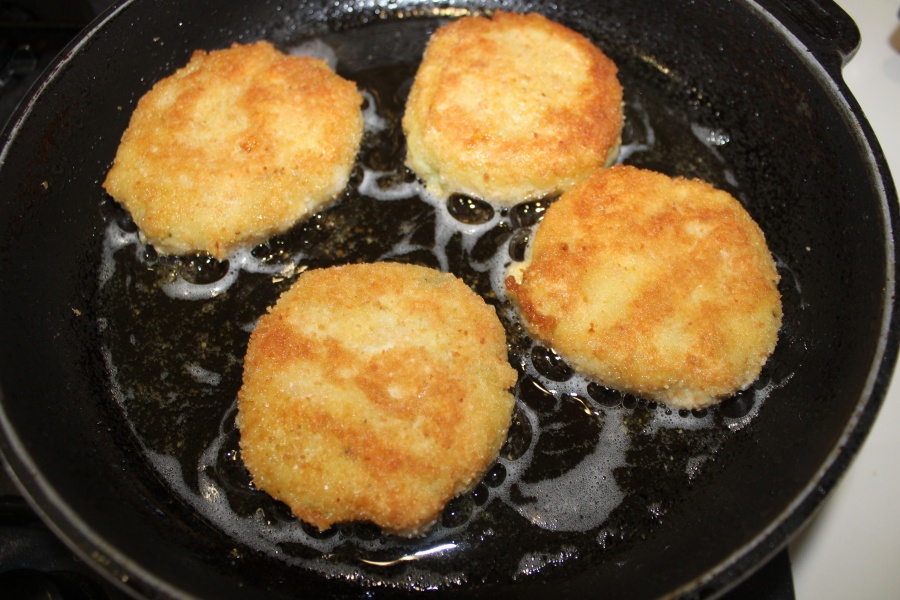
Remove from the heat, take off the lid (careful not to let condensation water drip into the pan, to prevent splatters from condensation), flip the medallions, and finish cooking uncovered.
While the medallions brown, heat the milk in a small pot. Turn off the heat just before it starts to boil and incorporate the Parmesan with a whisk until you get a velvety cream.
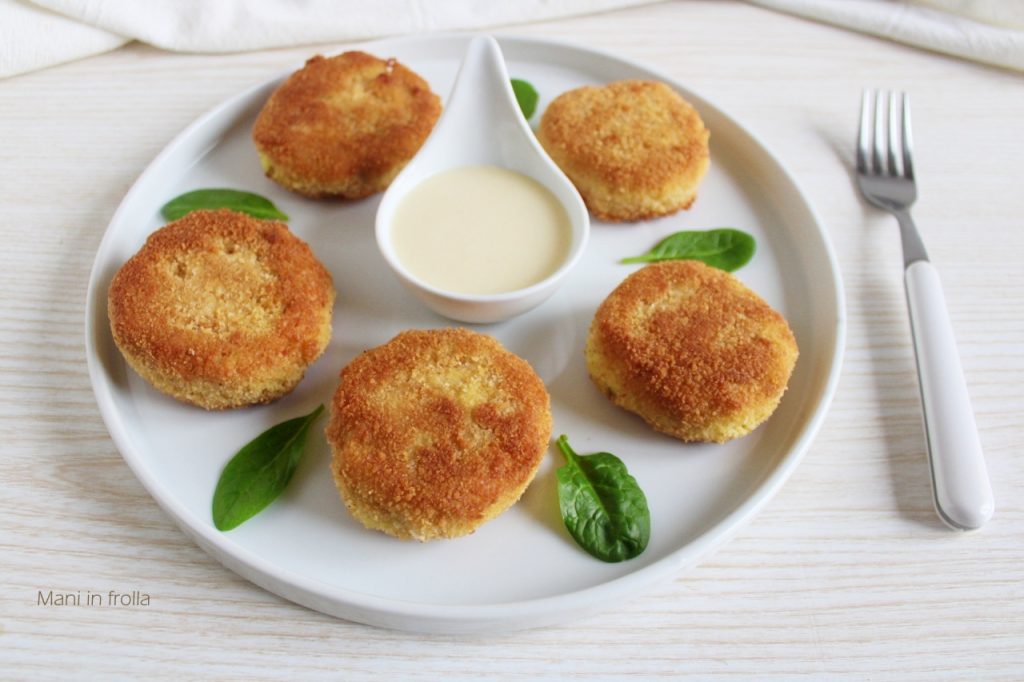
Once golden and crispy, drain the medallions and place them for a few moments on kitchen paper to remove excess moisture. Serve them still hot and steaming, accompanied by the Parmesan velouté. Here are the Skillet Potato and Broccoli Medallions ready. Enjoy your meal!
Until the next recipe
Storage
You can keep the cooked Potato and Broccoli Medallions in the fridge for about 2-3 days. To restore their crispiness, reheat them in a skillet with a drizzle of oil or in an air fryer; avoid the microwave if you want them to stay crunchy.
If you prepare them in advance, you can keep them (uncooked) in the fridge for 24 hours well covered with cling film. I recommend breading them just before cooking to prevent the breadcrumbs from becoming too moist.
You can also freeze them as follows:
– Uncooked: place them on a tray well spaced and put them in the freezer for a couple of hours. Once frozen, you can transfer them to a freezer bag. They last for 2 months.
How to cook them frozen: no need to defrost! Place them directly in a skillet over low heat with the lid on, or in the oven/air fryer, increasing the cooking time by about 5-8 minutes.
Tips and Suggestions
– If you want perfectly shaped and identical medallions, you can scoop a portion of the mixture with an ice cream scoop, insert the cheese cube in the center, and then lightly press it with your palm to shape it into a medallion. You’ll have identical portions in just a few seconds.
– Another method is to weigh the mixture (for example, 60-70 grams per medallion) to ensure they all have the same thickness. This is important not only for aesthetics but also to ensure even cooking in the skillet.
– Once shaped, place them in the fridge for 15-20 minutes before cooking. This step helps firm up the mixture, and the medallions will retain their perfect shape without opening or flattening too much when flipped in the skillet.
– To save time, cook the vegetables the day before (or in the morning for the evening) and store them in the fridge. In this case, preparation time is reduced to just 15-20 minutes total, just enough time to mix and cook in the skillet!
– A little anti-waste trick: if you have leftover mixture but no more cheese for the filling, you can form small croquettes and serve them as an appetizer along with the remaining cream!
Variations
– Pumpkin and broccoli variation: replace half of the potatoes with steamed pumpkin. Its sweetness perfectly balances the taste of broccoli.
– If you like, you can add sliced speck, chopped cooked ham, or crispy bacon to the mixture for a more savory touch.
– Crunchy variation: pass the medallions in a mix of breadcrumbs and sesame seeds, or use cornmeal for an extra-crunchy coating.
– Replace the melty core with crumbled feta and add chopped black olives directly into the mixture.
– Cooking method: instead of the skillet, bake them in a convection oven at 392°F for 20 minutes or in an air fryer at 374°F for about 12-15 minutes.
– Gluten-Free variation: use gluten-free breadcrumbs or chickpea flour to bind the mixture and for the external coating.
– Gluten-Free variation: use gluten-free breadcrumbs or chickpea flour to bind the mixture and for the external coating.
IF YOU LIKE MY RECIPES, YOU CAN ALSO FOLLOW ME ON MY FACEBOOK PAGE HERE OR ON PINTEREST HERE OR EVEN ON INSTAGRAM HERE
And to not miss the latest updates, add a big ‘Like’ to my Facebook page, it would make me so happy! Thank you very much!
FAQ (Frequently Asked Questions)
Why do a double breading?
The double breading creates a more resistant “shield.” This prevents the melty cheese from leaking out during cooking and ensures a much more pronounced external crunchiness, ideal for contrast with the Parmesan cream.
Can I prepare the mixture the day before?
Yes, it is actually recommended! Resting in the fridge stabilizes the potato starch, making the medallions much easier to form and less likely to break in the pan.
What if the mixture is too soft?
If you can’t form the medallions, add an extra tablespoon of Parmesan or breadcrumbs. However, don’t overdo it with breadcrumbs to avoid making the center too dry.
The Parmesan cream became too thick, how do I fix it?
No worries! Cheese tends to thicken as it cools. Put the pot back on very low heat and add one or two tablespoons of warm milk, stirring with a whisk until it becomes fluid and velvety again.
Can I replace broccoli with other vegetables?
Absolutely. This base works great with spinach (well-drained), cauliflower, or grated zucchini (sautéed in a pan first to remove water).
