
Homemade Vegan Burgers: The Healthy, Gluten-Free, and Anti-Waste Recipe
Today, we often hear about vegan burgers as a “green” alternative to meat, but are we sure that industrial products are truly healthy? If we analyze the labels of commercial meat substitutes, we often find long lists of additives, preservatives, and chemical processes that are far from natural.
My invitation is to return to genuineness: preparing burgers at home is not only an ecological and anti-waste choice, but a true act of love for your health. With just a few extra minutes at the stove, you’ll bring a nutritious, economical, and 100% natural dish to the table.
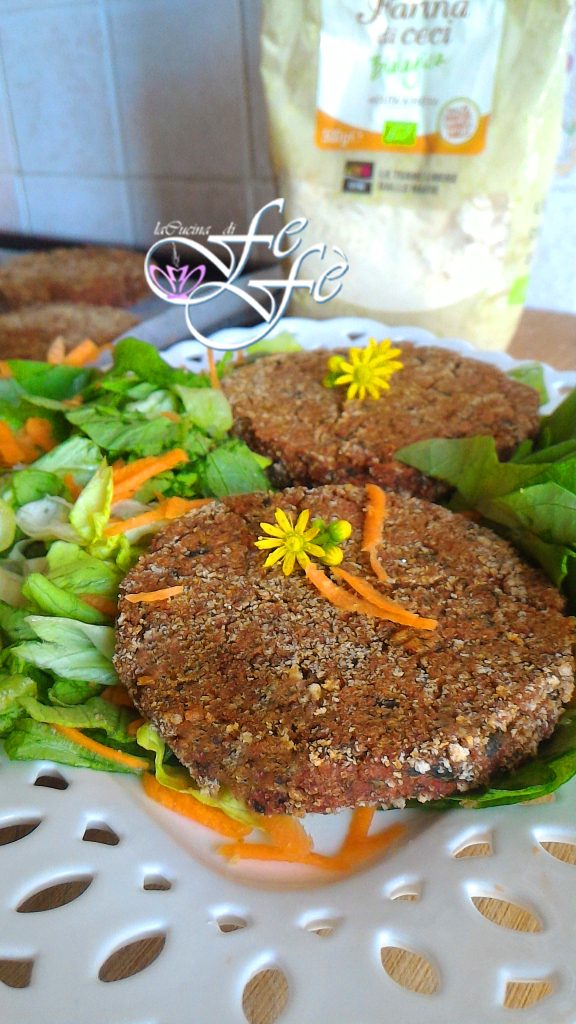
Chickpea, Spinach, and Beet Burgers: Protein and Color
The recipe I propose today is a health explosion. These burgers are vegan, lactose-free, and gluten-free, ideal for those seeking a complete and balanced vegetable main course.
Why are these ingredients special?
Firstly, chickpeas and chickpea flour are an excellent source of plant proteins and fibers, essential for satiety and energy. The beet, on the other hand, provides valuable antioxidants and gives the burgers an intense color reminiscent of meat hamburgers, making them visually appealing. Finally, spinach, a concentrate of iron and vitamins, perfect for integrating seasonal vegetables into the daily diet.
Easy Cooking and Kid-Friendly
Making these burgers is very simple: all you need is a blender or food processor. It’s the most fun way to get kids to eat legumes and vegetables, disguising them in a form they love.
Other 100% vegetable burgers you might be interested in:
- Difficulty: Easy
- Cost: Medium
- Rest time: 30 Minutes
- Preparation time: 15 Minutes
- Portions: 9 burgers
- Cooking methods: Oven
- Cuisine: Italian
Ingredients:
- 7.8 oz cooked chickpeas
- 5.3 oz baby spinach (fresh)
- 8.8 oz red beets, cooked, boiled
- 3.5 oz chickpea flour
- 1/3 cup chickpea broth
- 5 tbsps gluten-free breadcrumbs (+ as needed for breading)
- 2 tbsps extra virgin olive oil
- 1 pinch salt
Steps:
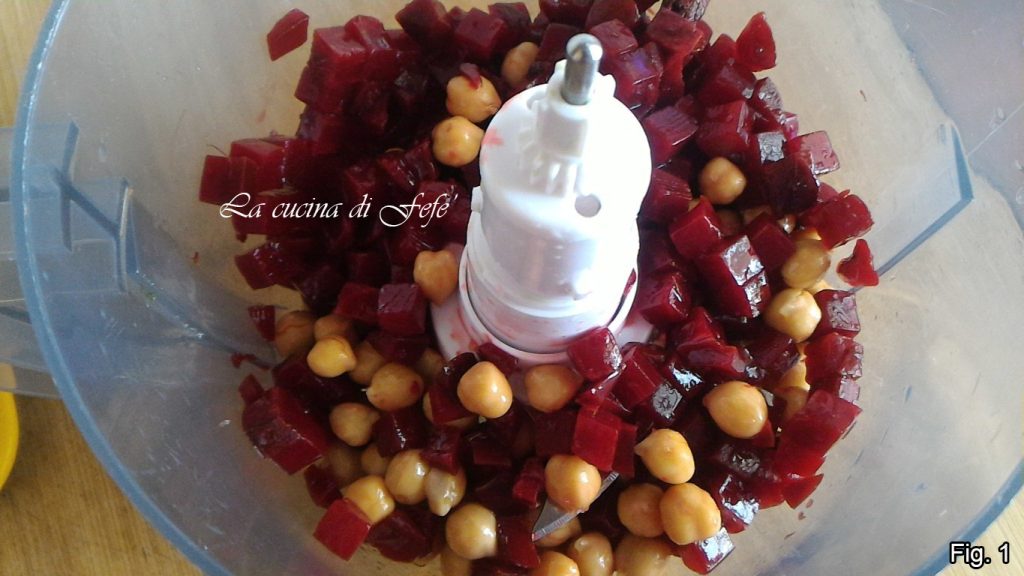
In a blender or food processor, combine the cooked chickpeas and beets, previously drained, reserving the chickpea cooking liquid for later (fig. 1).
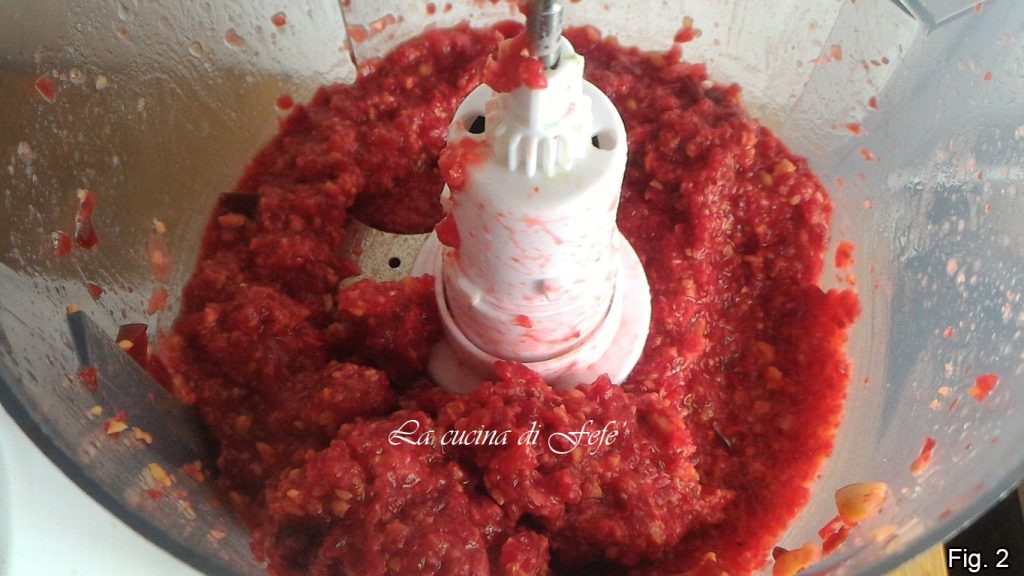
Blend in pulses until you obtain a smooth and soft mixture (fig. 2).
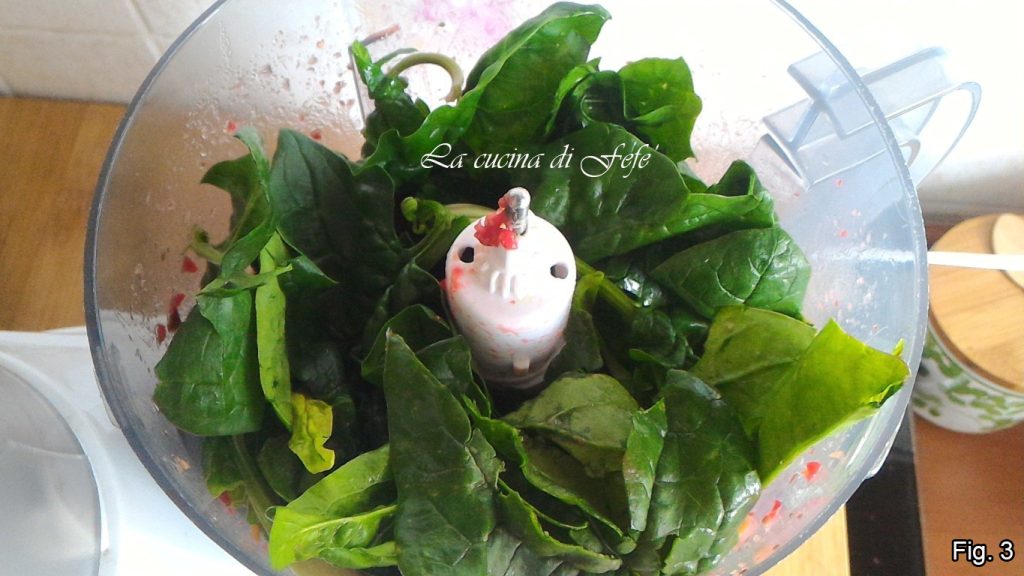
At this point, gradually add the previously washed spinach. If you prefer, you can first sauté them in a pan for a few minutes with a drizzle of olive oil, then add them to the mixture, well-drained (fig. 3).
Slowly pour in the chickpea cooking liquid. In this step, you may need less, so adjust by blending and adding a little at a time (fig. 4).
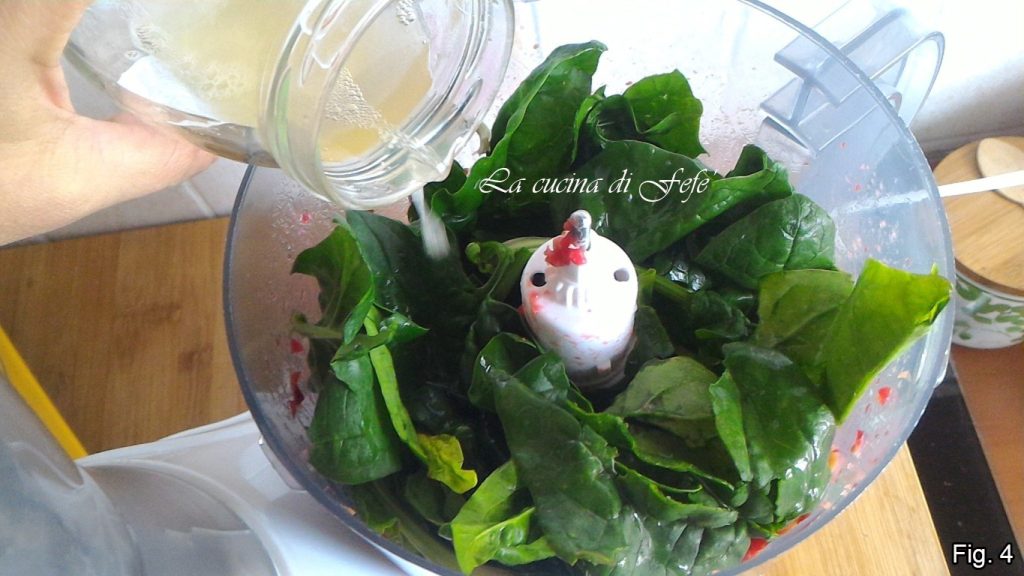
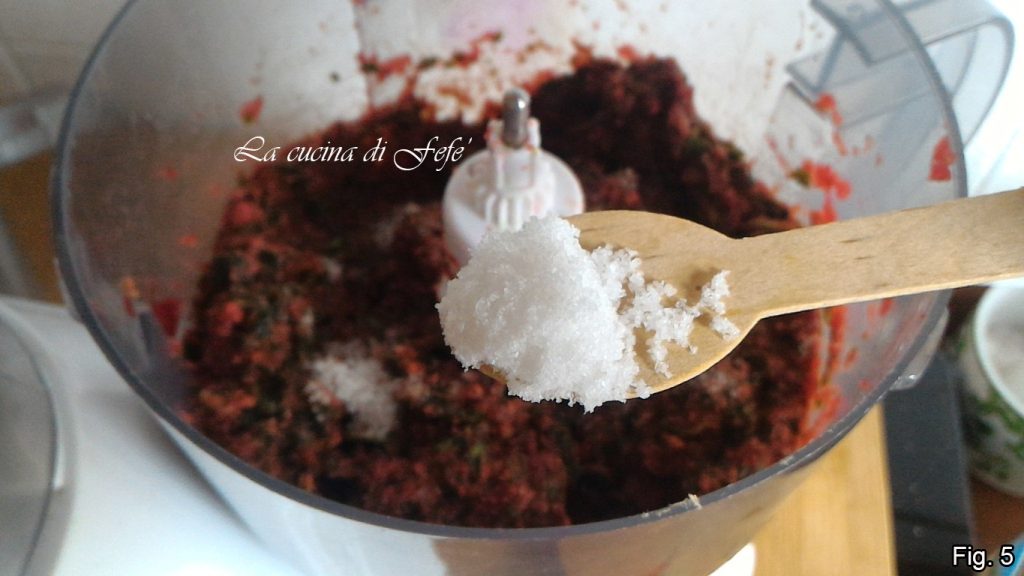
Blend until you obtain a consistently smooth and homogeneous mixture. Salt and blend one last time (fig. 5).
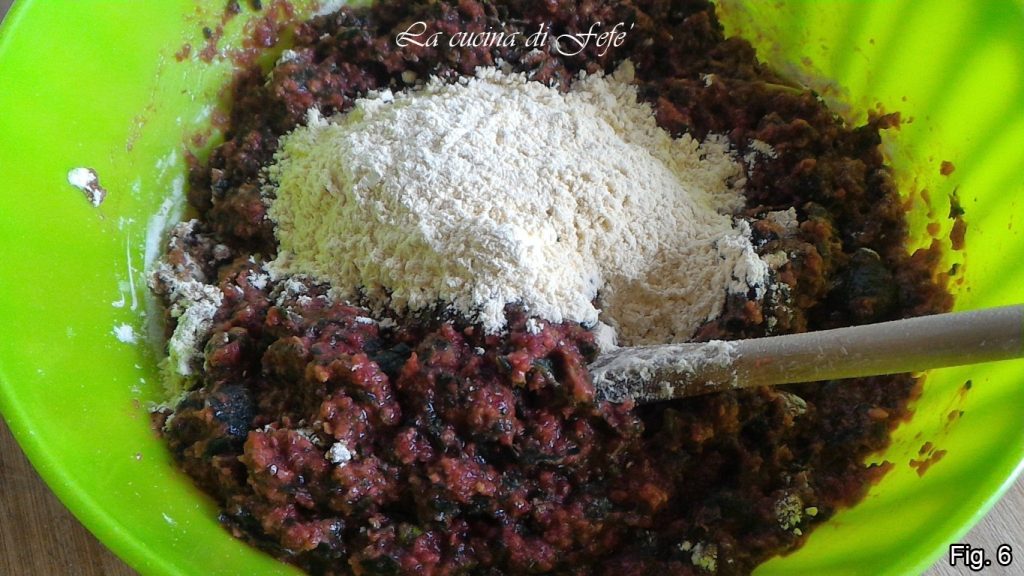
Transfer the mixture to a bowl and add the chickpea flour (fig. 6).
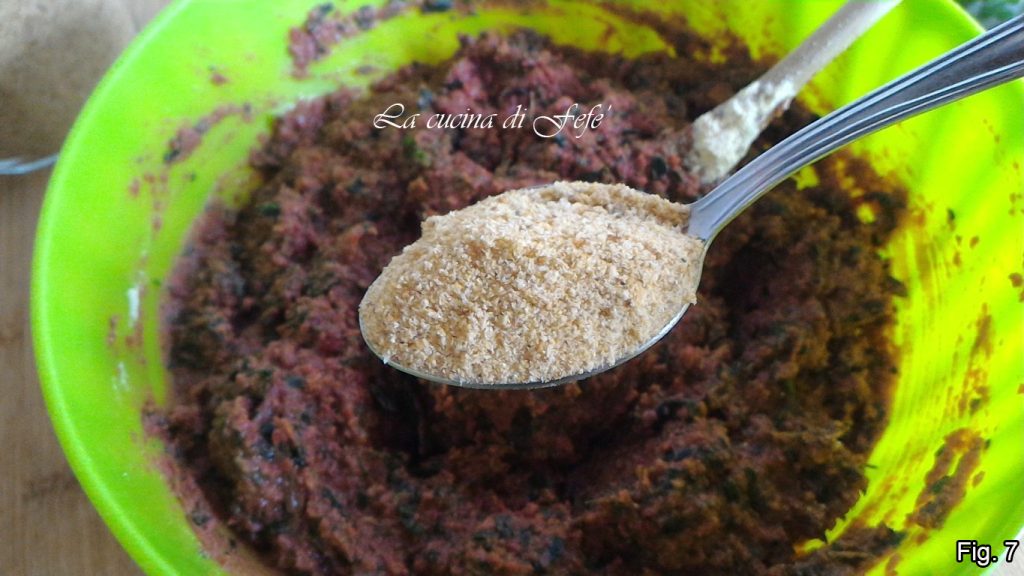
Mix and add the gluten-free breadcrumbs until you achieve the right consistency (fig. 7).
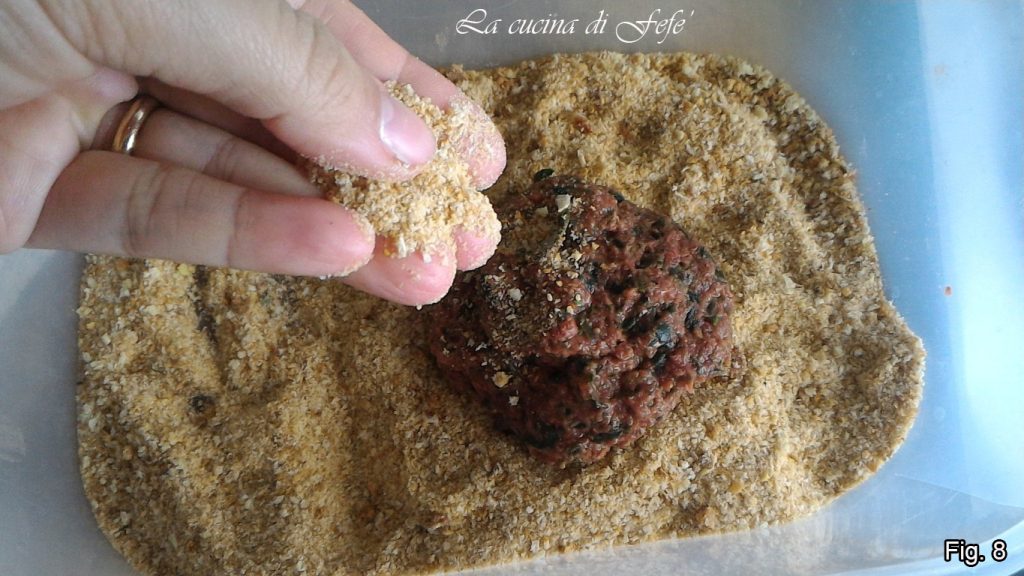
Note that the mixture will still be quite soft, which is perfectly normal. This ensures that once cooked, they will be crispy on the outside but soft on the inside. Let rest in the fridge for 30 minutes, then take about two tablespoons of this mixture and transfer them to a container with high sides where you have added more breadcrumbs. Coat on both sides as you would for meatballs (fig. 8).
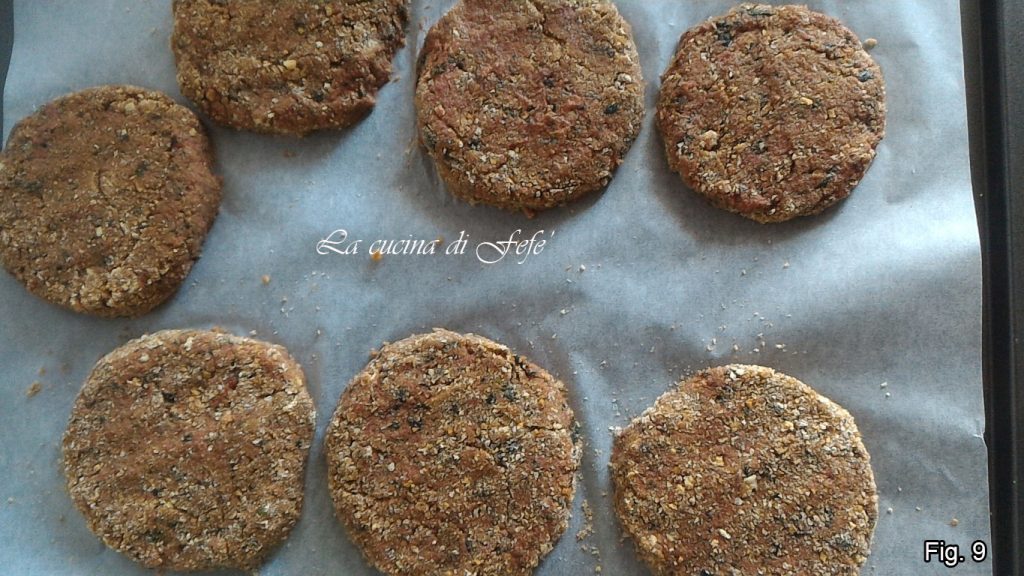
With your hands, flatten and round them, giving them the shape of a hamburger, and place them on a baking sheet lined with parchment paper (fig. 9).
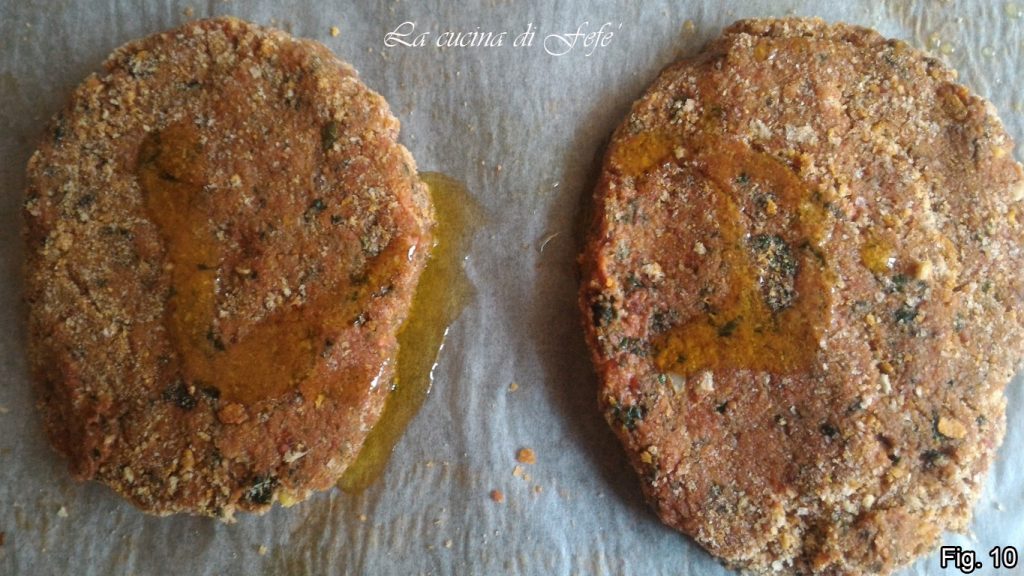
Drizzle with a bit of raw olive oil and bake in a preheated oven at 375°F for 20 minutes, then flip them and let cook for another 5 minutes (fig. 10).
Turn off the oven and let them cool for 5 minutes before serving. Accompany them with a fresh salad, they will be excellent, super healthy, and protein-packed!
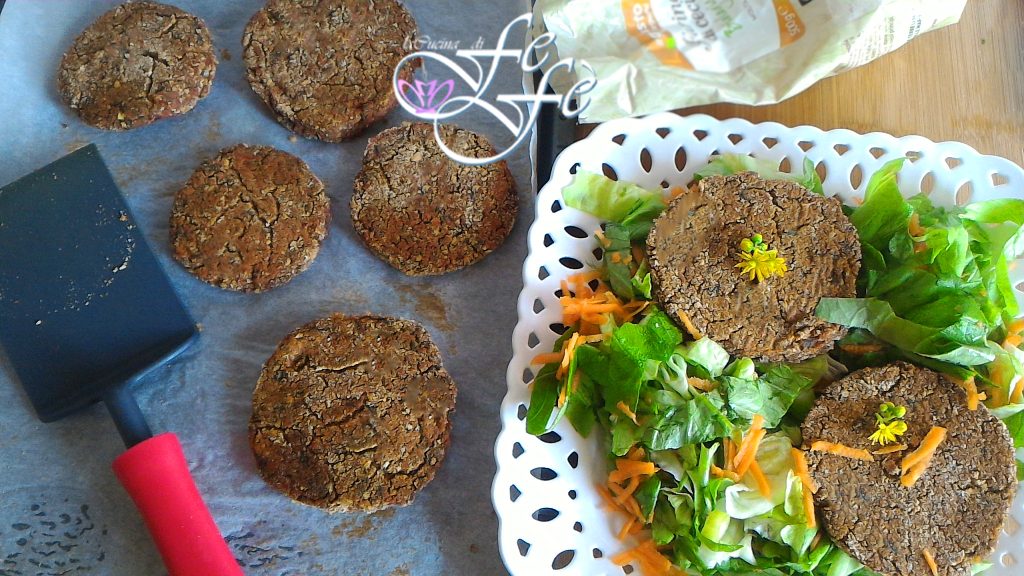
And voilà… your chickpea, beet, and spinach faux burgers are ready to be enjoyed!
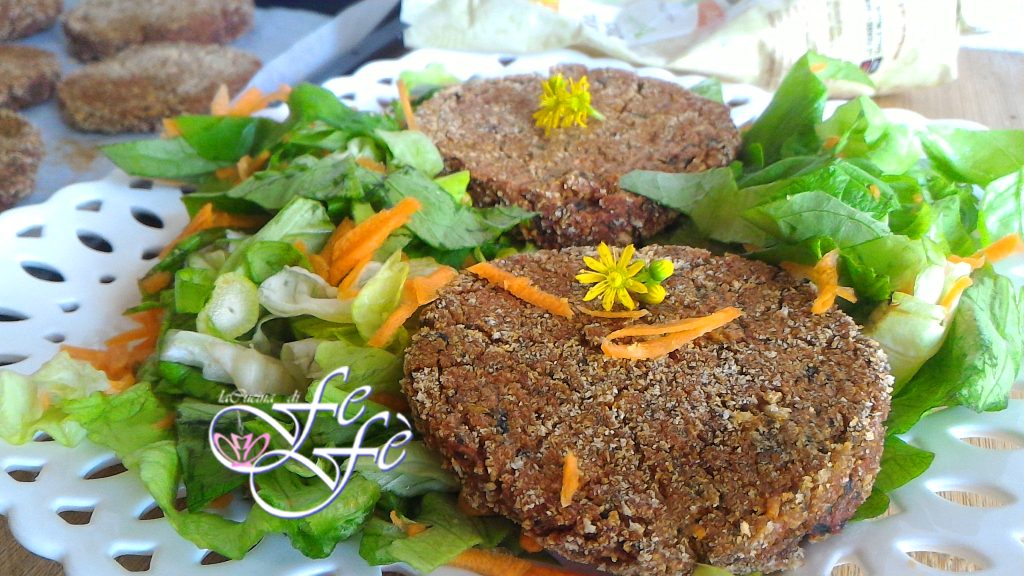
Bon Appétit from FeFè’s kitchen!
Storage
👉 You can store the faux burgers in the fridge for 2-3 days.
Sommelier Francesco Spada’s Suggestions
🟣 A flavorful vegan recipe that pairs well with a fresh, light, and savory wine. I recommend three wines from different regions: a Sicilian wine, the Damarino from Donnafugata, or a Marche wine, the Pecorino Fiobbo, or also an Alto Adige wine, the Pinot Grigio from Elena Walch.
🟣 A flavorful vegan recipe that pairs well with a fresh, light, and savory wine. I recommend three wines from different regions: a Sicilian wine, the Damarino from Donnafugata, or a Marche wine, the Pecorino Fiobbo, or also an Alto Adige wine, the Pinot Grigio from Elena Walch.
