
If the cold bites outside and you’re looking for a hug that warms your soul, this bean and escarole soup is the answer. Few ingredients, slow cooking, and authentic flavor. When temperatures drop, this soup is the rustic cuddle that never disappoints. Simple, nutritious, essential.”
It all started last Saturday at Manigo: among the stalls of the zero-mile market, there it was. A emerald green escarole with ivory nuances, so beautiful it seemed to speak to me and say: ‘buy me, take me home with you’.
As soon as I got home, my thoughts immediately went to that marvel that my mother-in-law always prepares with her life-filled hands.
I took out my notes from the agenda and set to the stove, determined to cook it following her every precious tip.
This recipe is a family treasure that speaks of slow times and wise gestures; it’s the scent of my home when the windows fog up with steam and the sky outside is gray.
It’s a preparation born from the wise art of recovery: here nothing is wasted.
Following her old advice, I used good quality oil, added that cheese rind that gives savoriness, and let garlic and chili pepper sauté to give character to the dish.
The old bread becomes the beating heart, and the bean water turns into liquid gold.
Every time I cook it, it feels like she’s still here, reminding me that to be happy, you need little: respect for the earth and the warmth of a tradition that is passed down.
The bean and escarole soup is a one-pot meal, great eaten hot; if there’s any left, you can reheat it the next day, and it won’t lose its goodness, in fact, it will gain more flavor.
Despite the presence of beans, I managed to make even my husband, who usually doesn’t like them, appreciate it, so you just have to try it too. I’m sure it will win you over.
Try it, it won’t disappoint you: you’ll go for seconds just like everyone at my house does, including my little grandchildren who even lick their whiskers!“
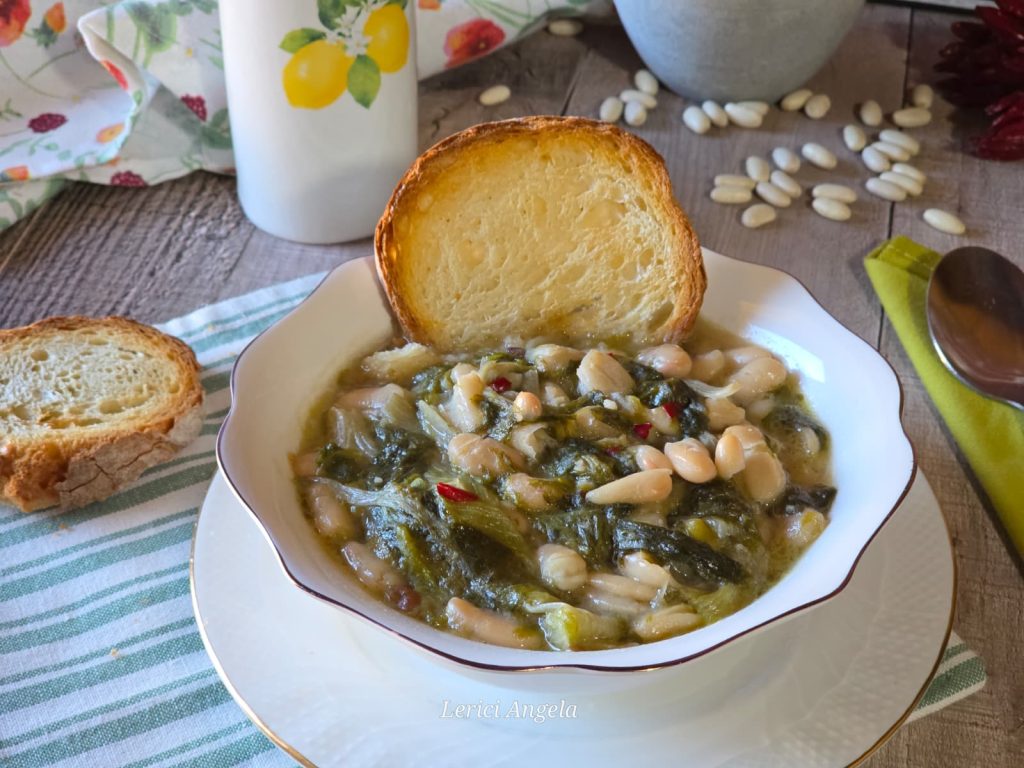
- Difficulty: Very Easy
- Cost: Economical
- Preparation time: 15 Minutes
- Portions: 4 People
- Cooking methods: Stovetop
- Cuisine: Italian
- Seasonality: Autumn, Winter, and Spring
Ingredients
Bean and Escarole Soup
- 2 heads smooth escarole (large)
- 10.5 oz white beans (cannellini) (dry or 2 jars of good quality (preferably glass) if you're in a hurry.)
- 4 slices rustic bread
- 2 cloves garlic
- to taste chili pepper
- to taste extra virgin olive oil
- salt
- 2 parmesan rind (optional)
Tools
- Saucepan
Steps
Bean and Escarole Soup
Let’s cook the beans.
To prepare beans and escarole, start by soaking the dried cannellini beans for 12 hours in plenty of water; it’s important that the water level is well above the beans, not just at the surface.
Once rehydrated, rinse the cannellini and boil them in plenty of already hot water until fully cooked, which will take about an hour.
If using precooked: Following the agenda notes, rinse them well but keep aside some vegetable broth or their water if of good quality.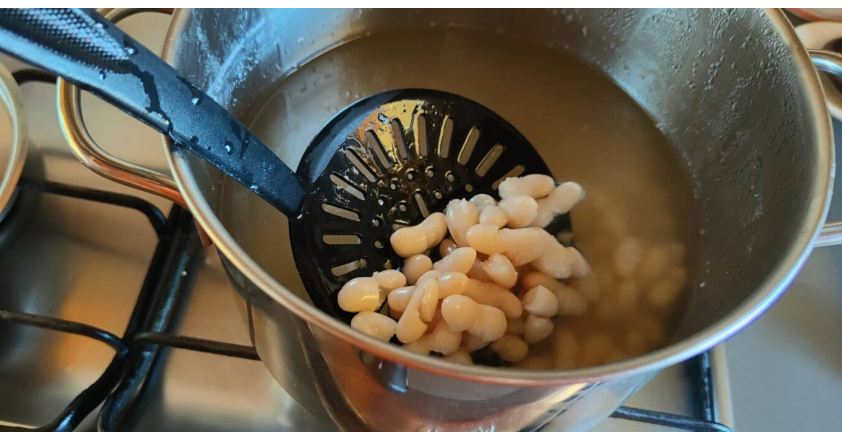
In the meantime.
Clean the escarole well, removing the core.
Chop it coarsely and rinse it in plenty of water.
Blanch it in salted boiling water for about 4-5 minutes: it should remain al dente to maintain a nice color.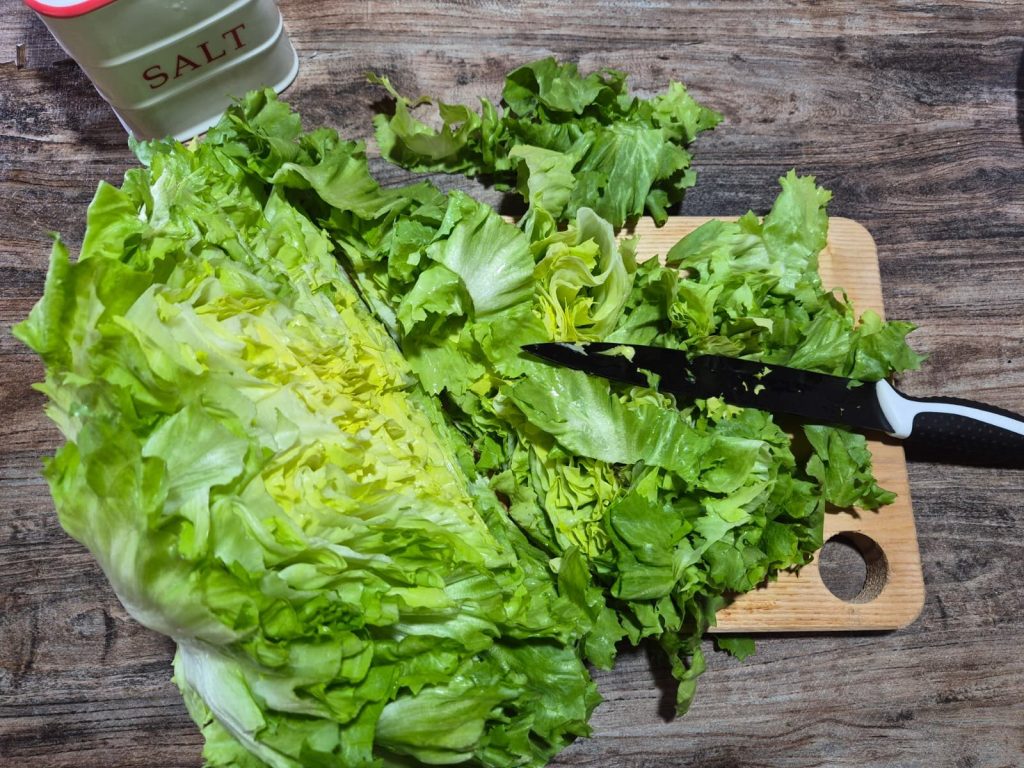
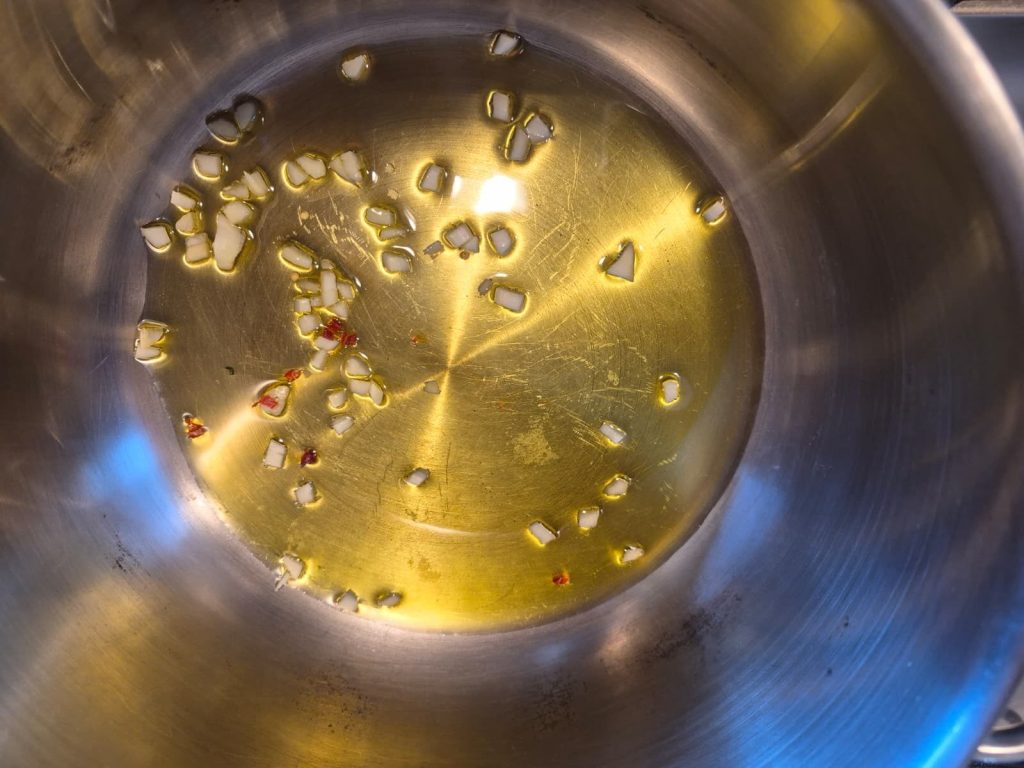
Sauté a clove of garlic with a bit of chili pepper in plenty of extra virgin olive oil.
Put the escarole directly in the pot.Let it wilt for a few minutes until it decreases in volume.
Add the beans and cover just barely with hot water or vegetable broth.
Add the cleaned parmesan rind.
Let it simmer for about 20 minutes on low heat.
Rub a slice of rustic bread with a bit of garlic, toast it then place it at the bottom of a dish and pour the hot soup over it.
A drizzle of raw olive oil and you’re in heaven.
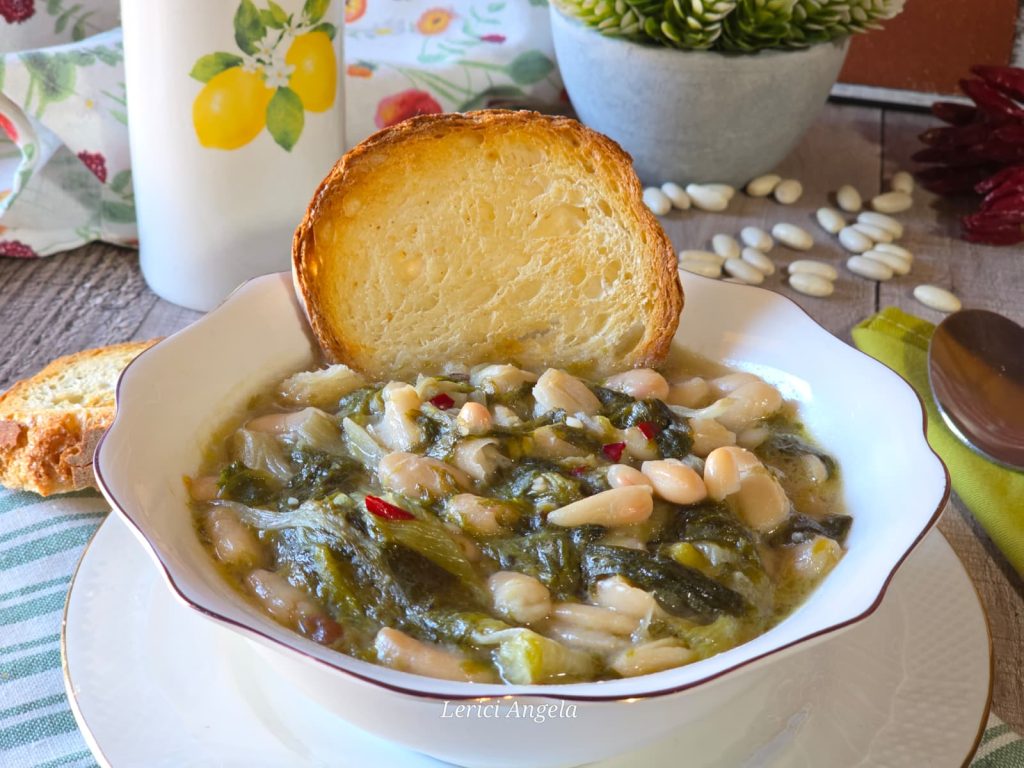
Enjoy your meal
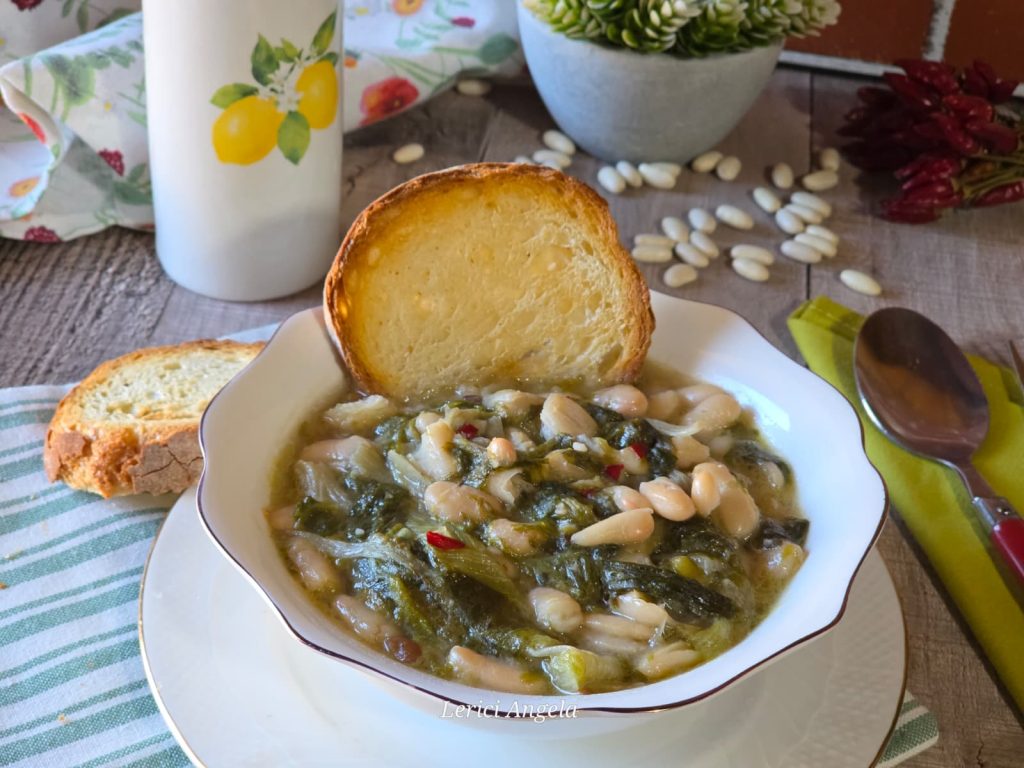
Advice
The Parmesan Rind: Never throw it away! Scrape the outer part with a knife to clean it and toss it into the soup while it boils. It will become soft and release incredible flavors.
The Bean Water: If you use home-cooked beans, use their cooking water to moisten the escarole. It’s rich in starch and will make everything creamier. If using canned ones, it’s better to rinse them (to remove excess salt and preservatives).
The double cooking of escarole: If the escarole is very bitter or tough, blanch it in salted water before passing it in the pan with the beans. If it’s tender, throw it directly “raw” into the sauté to maintain all the properties.
Beans and escarole tend to concentrate flavor during cooking. Salt only at the end, after tasting, especially if you used the parmesan rind.
Curiosities or Variants
The “Red” version: Add 2 or 3 piennolo tomatoes or a tablespoon of tomato paste to the sauté. It changes the color and adds a hint of acidity.
The crunchy touch: Instead of mixing the bread, serve it in pan-toasted cubes with oil and rosemary, to add only at the last second over the dish.
Extra protein: If you’re not vegetarian, some cubed pancetta or crumbled sausage browned at the start make the soup a very hearty one-pot meal.
Storage
The bean and escarole soup is one of those dishes that, paradoxically, is even better the next day because the flavors have time to blend perfectly. However, being a mix of legumes and leafy vegetables, it requires some care to avoid fermentation.
Here’s how to manage it best:
1. In the Refrigerator
You can store it for 2-3 days at most.
Quick cooling: Don’t put it in the fridge when it’s still boiling, but don’t leave it at room temperature for hours either. As soon as it cools, transfer it.
Container: Use a glass container with an airtight seal. Glass does not absorb odors (unlike plastic) and better maintains the freshness of the escarole.
2. In the Freezer
Yes, you can freeze it, but with a small “price” to pay on the texture.
Duration: It keeps well for 2-3 months.
The escarole: After thawing, the vegetable will be much softer and almost “mushy.” The flavor will remain excellent, but it will lose a bit of structure.
Advice: Freeze in single portions, so you only thaw what you need.
3. How to Reheat it (The secret of revival)
When you decide to eat it, don’t just rely on the microwave if you want the best:
Add a tablespoon of water or broth because the beans, resting, will have absorbed all the liquid, and the soup will be very thick.
Heat gently to avoid burning the bottom.
Add a drizzle of extra virgin oil raw just before serving. Fresh oil revives the flavors that the fridge’s cold has “put to sleep.”
FAQ (Frequently Asked Questions)
How to tell if beans are still good after being cooked?
Beans are delicate. If you smell a slightly sour odor or see bubbles on the surface while reheating, it means fermentation has started. In that case, it’s better not to risk it and throw it away.
What beans can I use?
Cannellini: They are the traditional choice. With their thin skin and very floury flesh, they tend to break down slightly, creating that natural cream that binds perfectly with the escarole leaf.
Spanish Beans (Corona): If you love “meaty” texture. They are giant and very scenic; each bite is satisfying and they remain more intact than cannellini.
2. Tasty Alternatives
Borlotti: They make the soup more “rustic” and darker. They have a more intense flavor, almost chestnut-like, which contrasts well with the escarole’s slight bitterness. Great if you add a bit of tomato.
Black-eyed Peas: Widely used in traditional poor cuisine. They are small and cook faster than others, with a very distinctive taste that goes well with bitter greens.
