
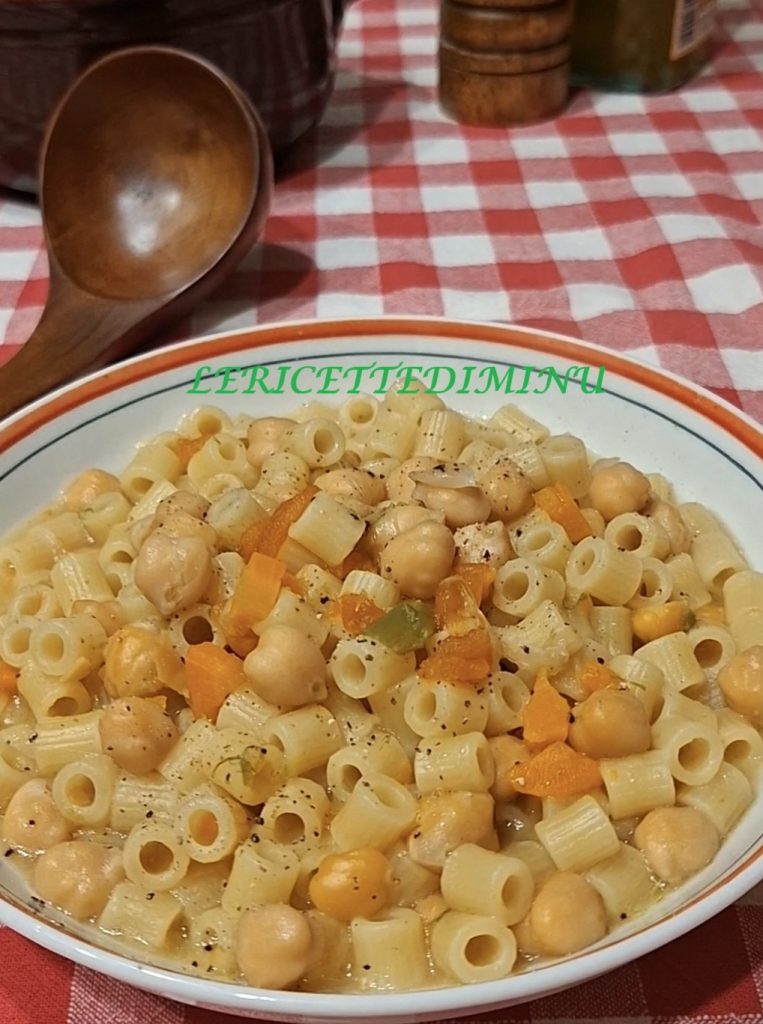
The pasta with chickpeas I propose is a genuine, nutritious dish that is surprisingly simple to prepare.
This is a traditional recipe that always wins everyone over, young and old, thanks to its enveloping texture and delicate flavor.
The method I suggest gives you soft, creamy chickpeas without using heavy frying, making the dish lighter while still full of taste.
Pasta and chickpeas make a perfect one-dish meal, ideal for colder days or when you want something warm, comforting, and healthy on the table.
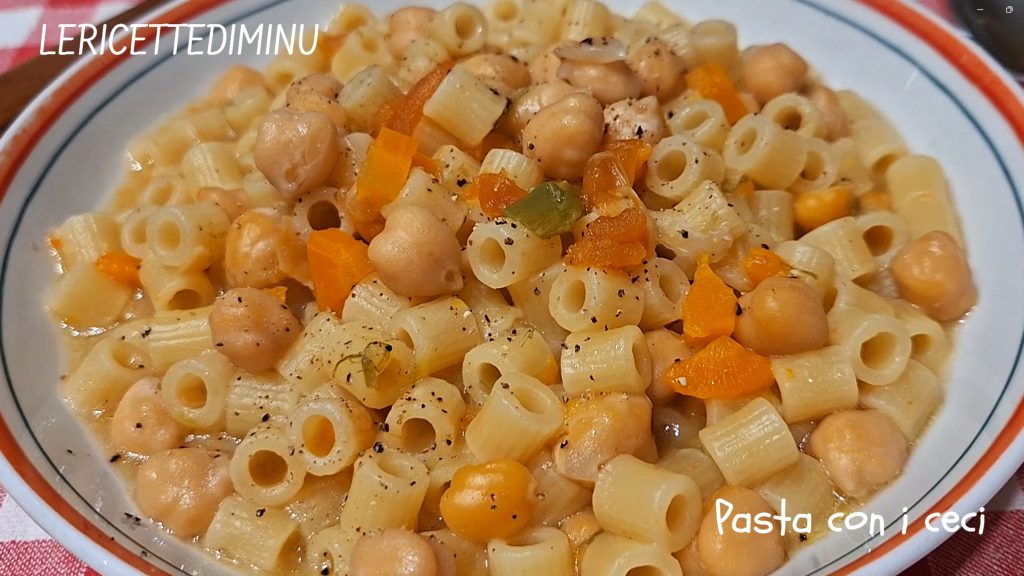
Served with a drizzle of extra virgin olive oil and, if desired, freshly ground black pepper, it becomes a real treat for the palate and a dish that combines simplicity and tradition.
Including legumes in your diet at least three times a week is a valuable habit for the well-being of the whole family.
Chickpeas, in particular, are an excellent source of plant protein, fiber, vitamins, and minerals, essential for a balanced diet.
Serving them as pasta and chickpeas is also a great way to help children get used to eating legumes, thanks to the creamy texture and delicate flavor that make them especially appealing.
Another aspect not to be underestimated is the convenience of this dish: with a few simple and inexpensive ingredients you can create a complete, healthy dish that satisfies with great taste.
- Difficulty: Easy
- Cost: Economical
- Preparation time: 10 Minutes
- Portions: 4 Servings
- Cooking methods: Stovetop
- Cuisine: Italian
- Seasonality: All seasons
- Energy 368.29 (Kcal)
- Carbohydrates 61.27 (g) of which sugars 8.36 (g)
- Proteins 15.67 (g)
- Fat 7.46 (g) of which saturated 0.98 (g)of which unsaturated 2.52 (g)
- Fibers 9.06 (g)
- Sodium 1,545.59 (mg)
Indicative values for a portion of 188 g processed in an automated way starting from the nutritional information available on the CREA* and FoodData Central** databases. It is not food and / or nutritional advice.
* CREATES Food and Nutrition Research Center: https://www.crea.gov.it/alimenti-e-nutrizione https://www.alimentinutrizione.it ** U.S. Department of Agriculture, Agricultural Research Service. FoodData Central, 2019. https://fdc.nal.usda.gov
Ingredients
- 1 cup dried chickpeas
- to taste coarse salt
- 1 teaspoon baking soda
- 1 onion (red)
- 1 carrot
- 1/2 stalk celery
- 2 leaves bay leaf
- 6 tomatoes (ripe)
- as needed water
- 11 oz short pasta
- to taste extra virgin olive oil
- to taste black pepper
Tools
- 1 Bowl large glass
- 1 Pot tall, heavy-bottomed
- 1 Skimmer
Steps
To prepare pasta with chickpeas, first soak the dried chickpeas for about 17–18 hours.
I usually soak them around 4:00 PM, then start cooking them around 10:00 AM the next morning.
Weigh the chickpeas and place them in moderately warm water, adding a handful of coarse salt and one teaspoon of baking soda.
Stir and leave them like this. After 8 hours, change the water and add a small amount of salt and baking soda again.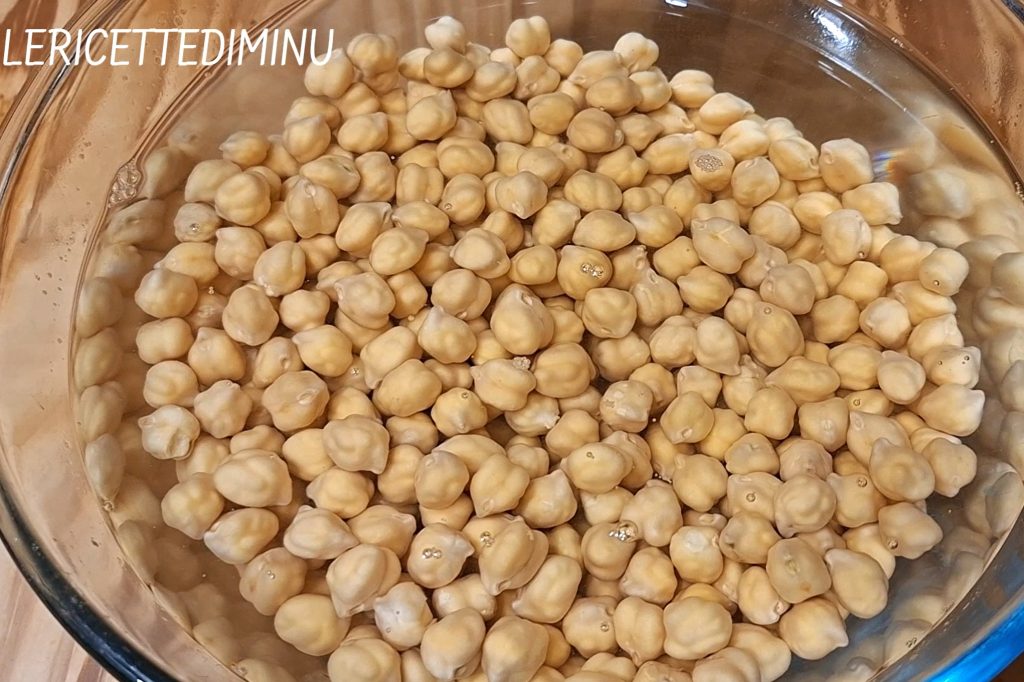
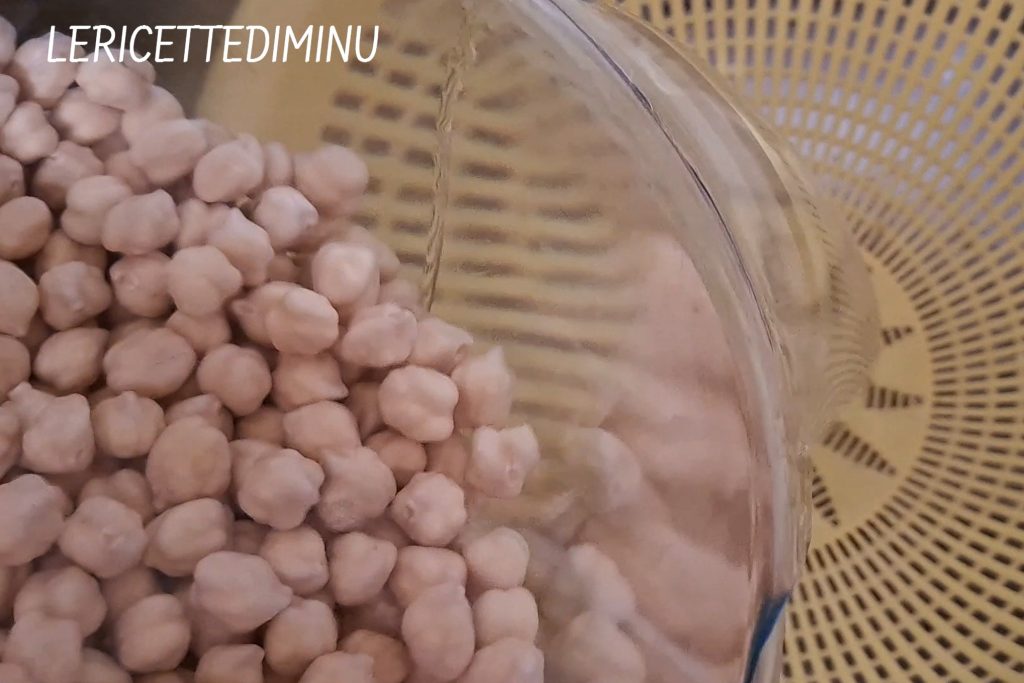
The next morning, after the indicated time, rinse the chickpeas well under running water and put them into a tall pot.
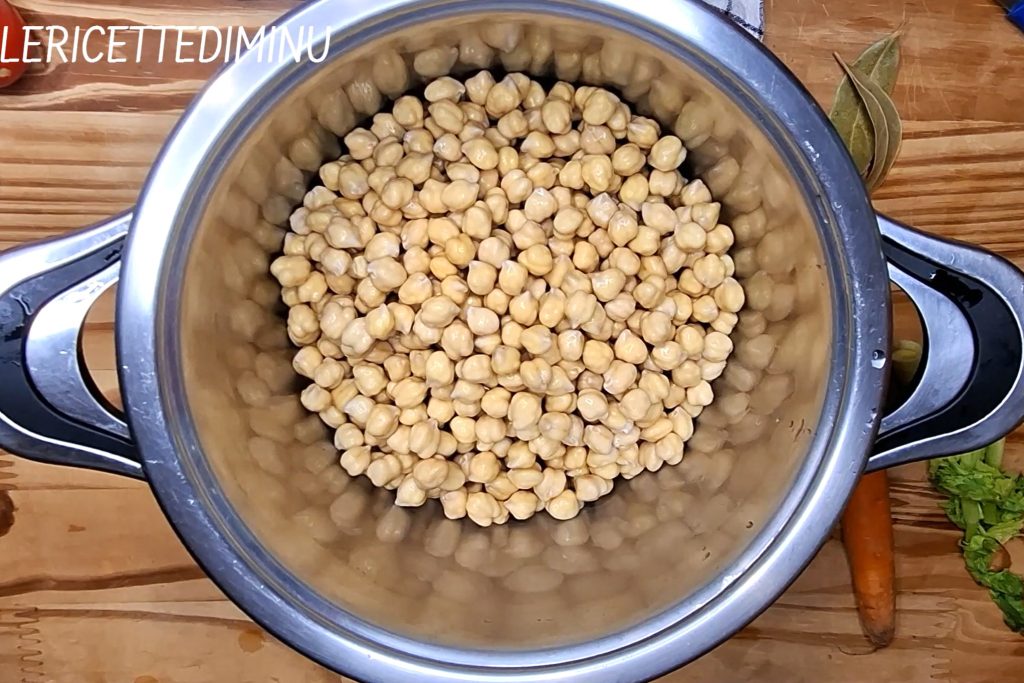
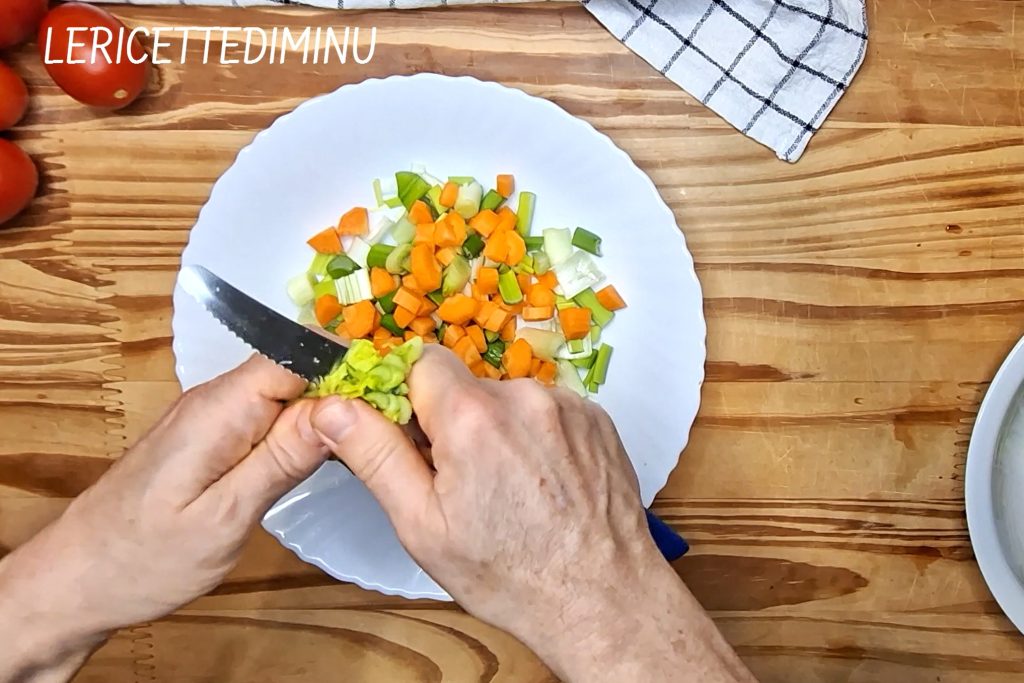
Wash the onion, celery and carrot and, after trimming, chop them into small pieces.
Peel the tomatoes, remove the seeds and chop them into pieces.
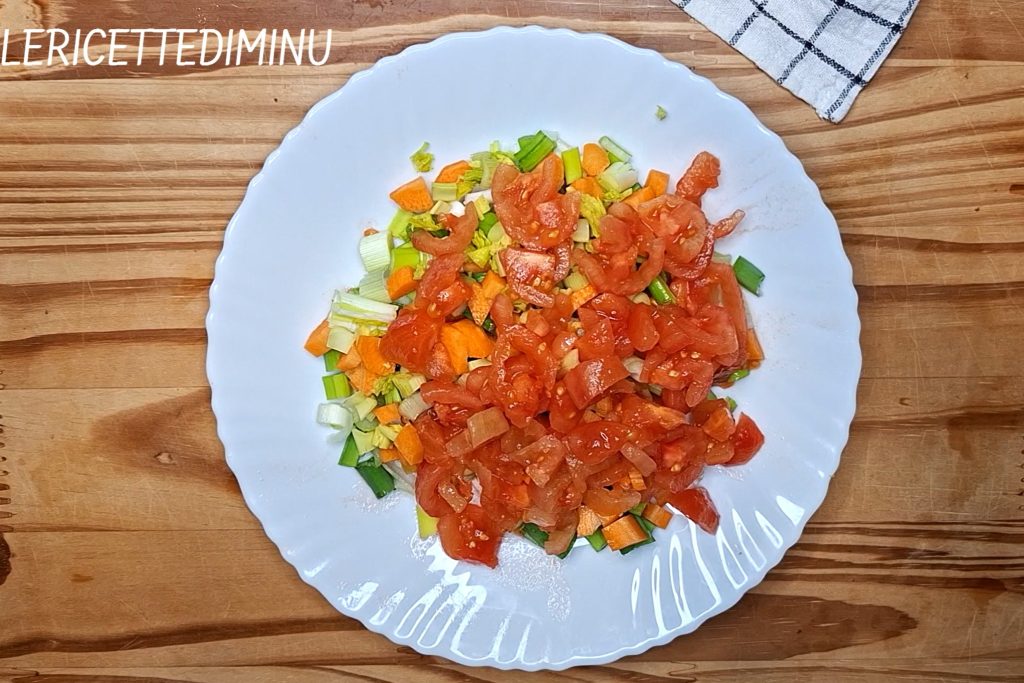
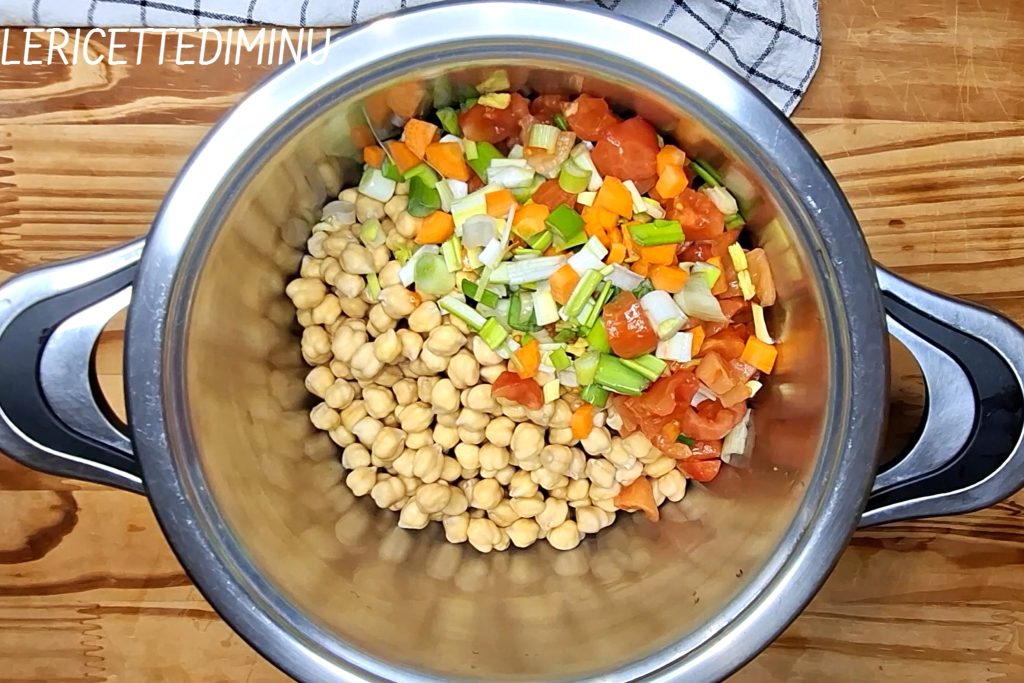
Add the chopped onion, carrot and celery to the pot, along with the tomatoes.
Cover with water so it exceeds the level of the chickpeas by about 5 finger-widths.
Add 2 bay leaves.
Place over high heat, cover with a lid and bring to a boil over a high flame.
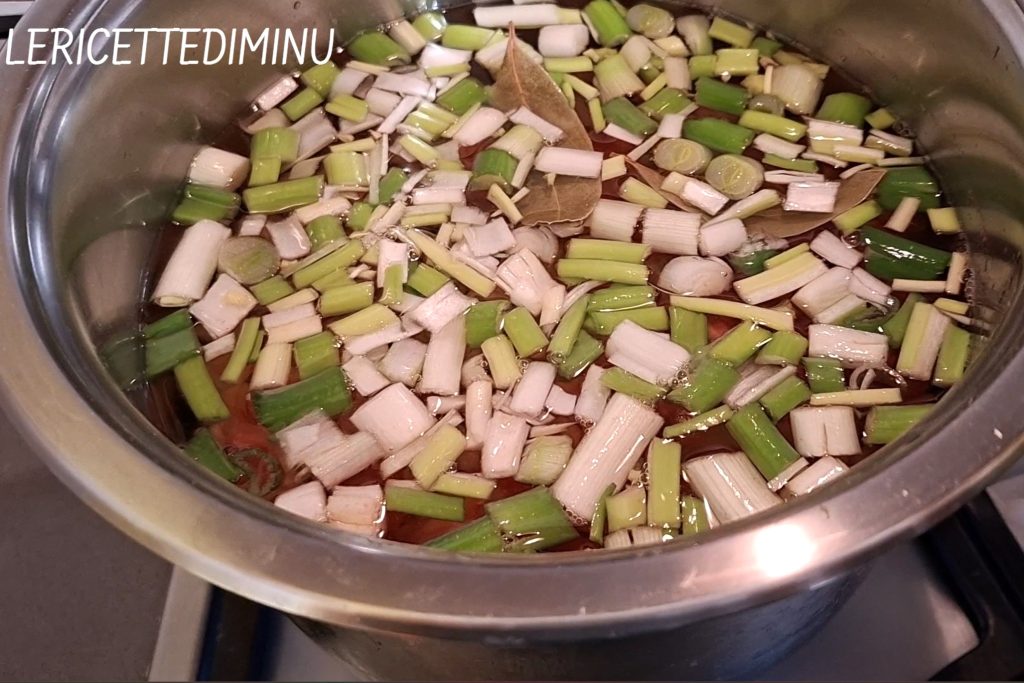
At this point, use a skimmer to remove all the foam that has formed on the surface.
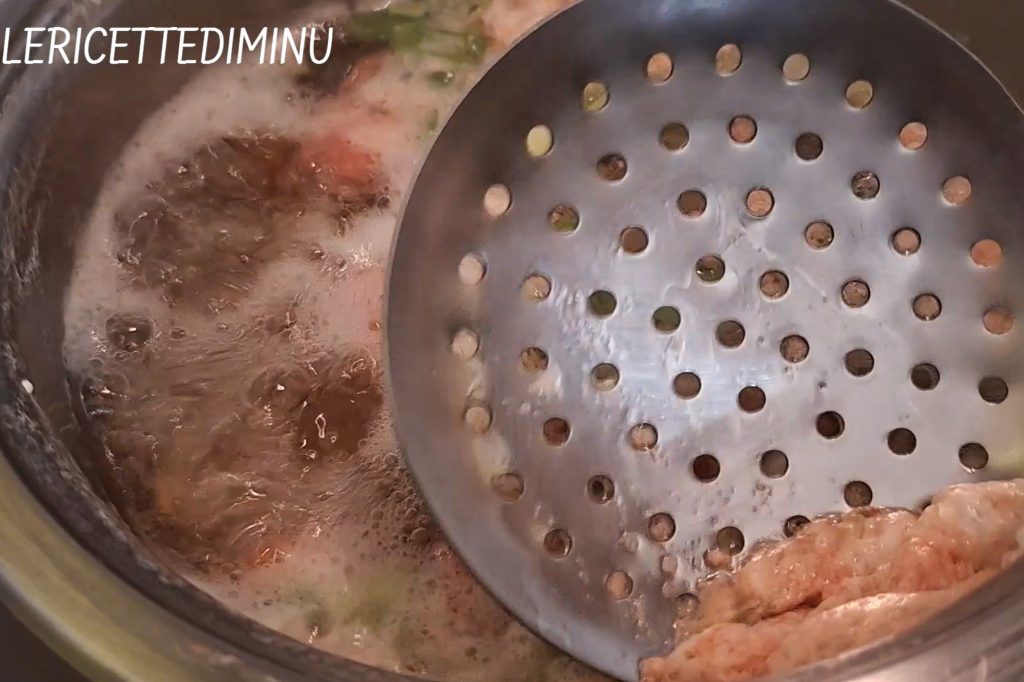
Lower the heat to the minimum, but keep the liquid at a gentle simmer so it does not stop boiling entirely.
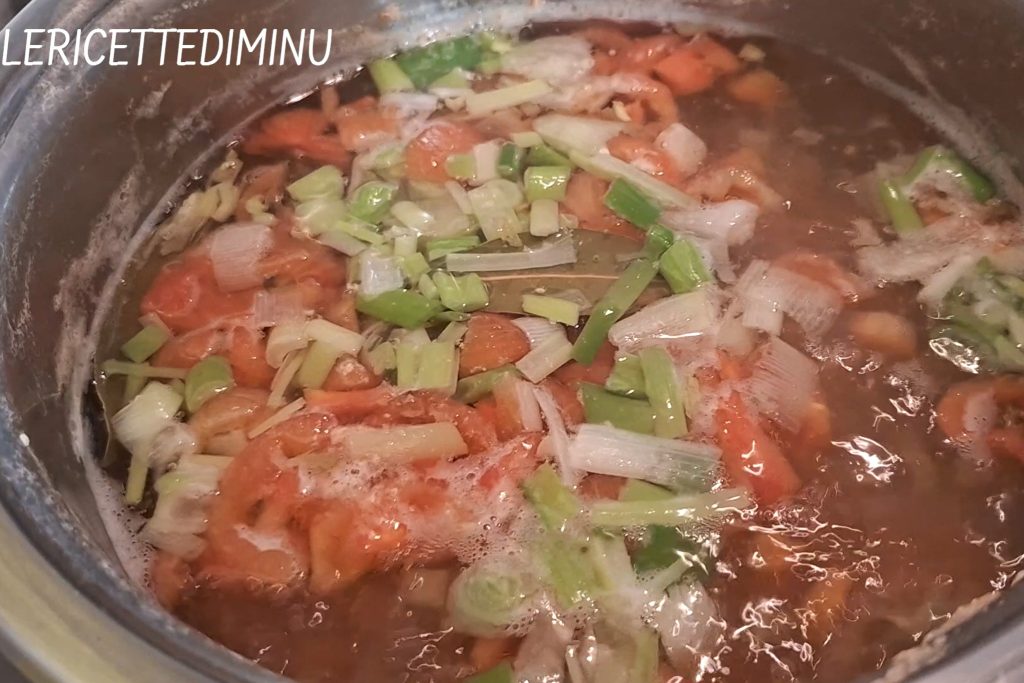
Leave the lid slightly ajar to allow a vent and cook, stirring occasionally, for about 2½ hours.
Adjust the time as needed by checking the tenderness reached and, if necessary, extend the cooking time.
If you need more water, heat it separately and add it to the chickpeas only when it is hot.
About ten minutes before the end of cooking, taste the chickpeas and their broth to check the salt level, since they absorb salt from the soaking water and then release it during cooking.This will help you decide how much additional salt to add.
In some cases, you may not need to add any at all.
Finally, remove the bay leaves.
If the liquid is too reduced at this point, pour a little hot water into the pot to start cooking the pasta.
Raise the heat and, once boiling, add the short pasta you chose and stir.
Once it returns to a boil, lower the heat and cook, stirring frequently, always checking that there is enough liquid for the pasta to cook properly.If needed, add hot water a little at a time so that the pasta does not end up diluted.
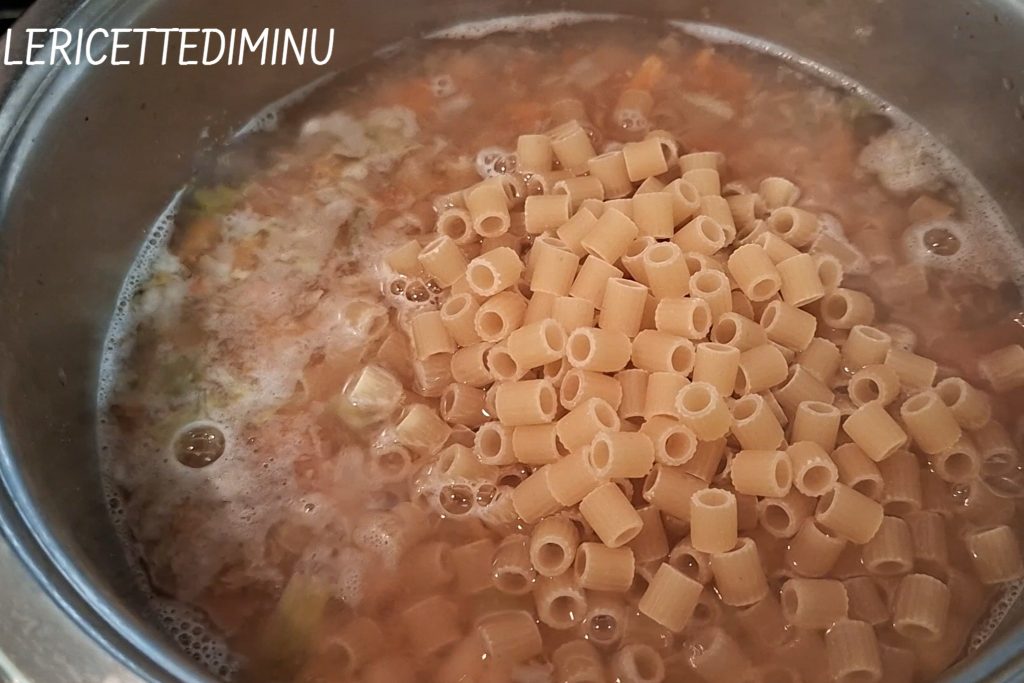
Follow the cooking time indicated on the package. Before turning off the heat, adjust the salt.
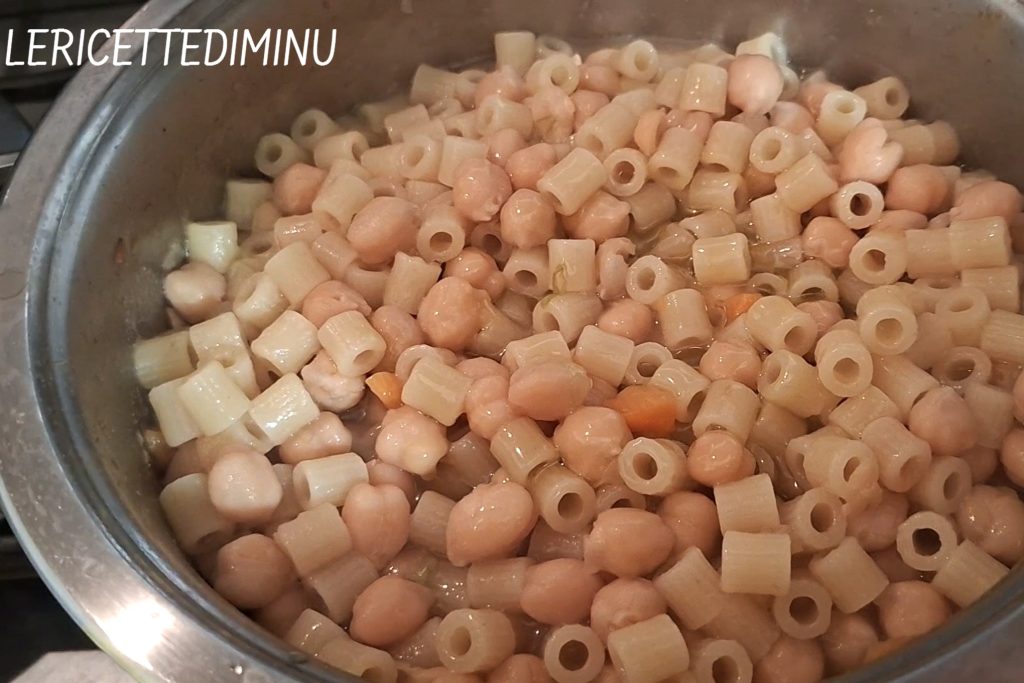
Serve immediately with extra virgin olive oil drizzled raw.
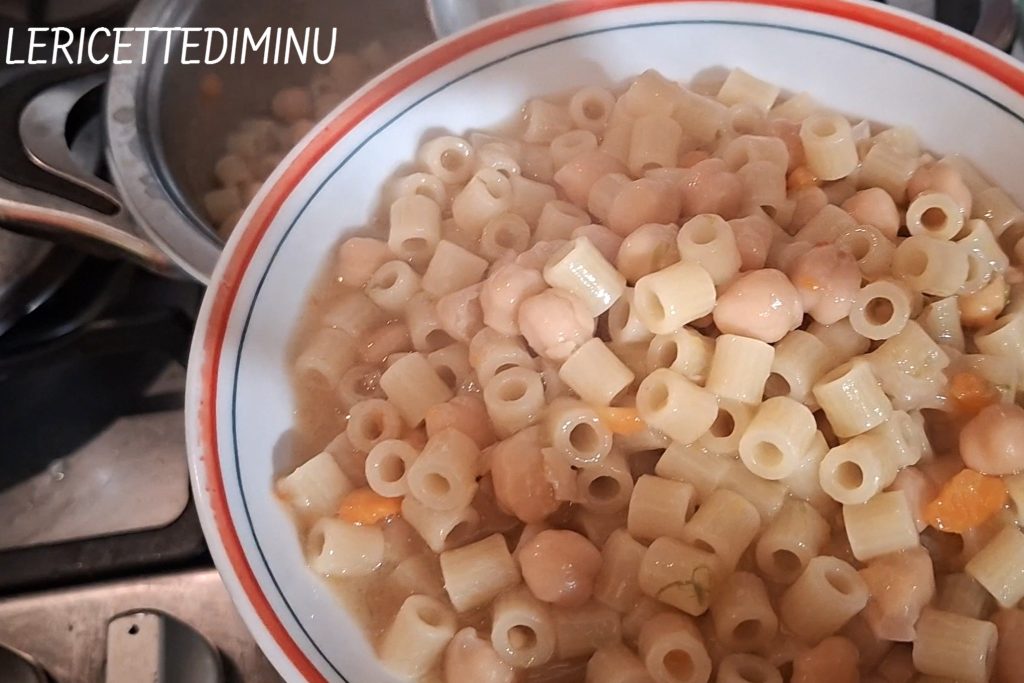
For adults, a good grind of black pepper on top is excellent.
The pasta with chickpeas is now ready.
Storage
Cooked pasta should be eaten immediately. Cooked chickpeas alone can be stored in an airtight container in the refrigerator for about 3 days.
Once cooled to room temperature, they can be frozen.
