
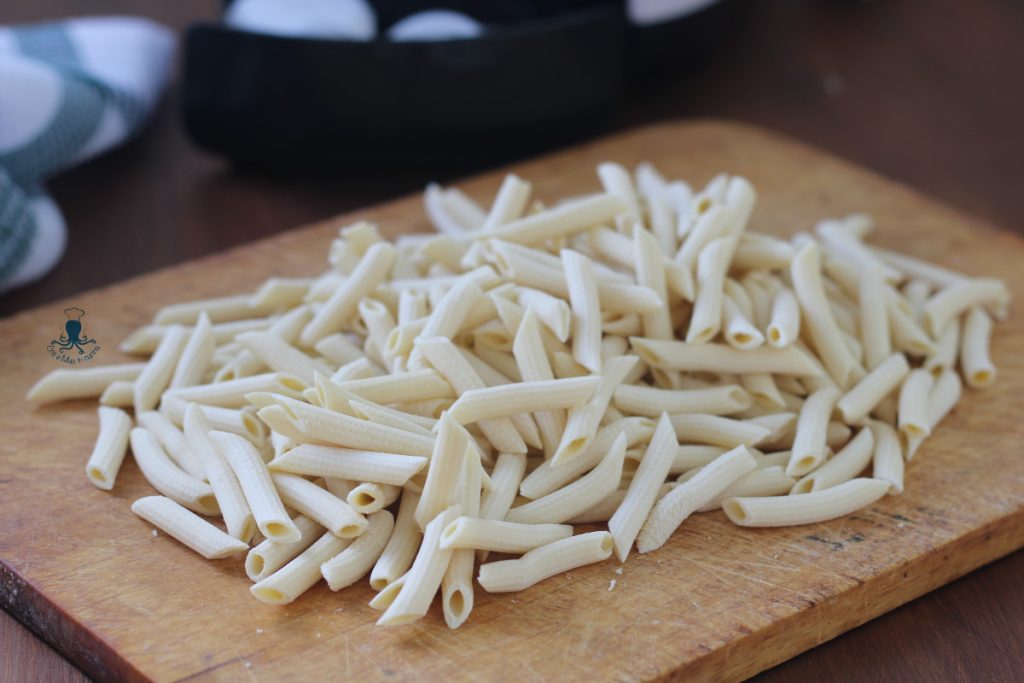
The remilled durum wheat pasta with a pasta machine is the perfect base for making fresh, genuine pasta with impeccable texture at home. Using the Classe Italy Pastaio pasta machine, the dough is worked uniformly and precisely, ensuring a consistent and professional result even without experience.
With the Classe Italy Pastaio, it only takes a few minutes to obtain a balanced dough, ready to be extruded into the format you prefer: penne, fusilli, twists, or long pasta like tagliolini and spaghetti. The automatic process allows you to correctly dose water and flour, avoiding mistakes and making the preparation simple and relaxing.
This dough, made solely from remilled durum wheat semolina and water, is ideal for those who love tradition because it maintains the typical structure of Italian pasta, holds its cooking perfectly, and suits any type of sauce, from the simplest to the richest.
- Difficulty: Very easy
- Cost: Very economical
- Preparation time: 15 Minutes
- Portions: 3 people
- Cooking methods: No cooking
- Cuisine: Italian
- Seasonality: All seasons
Ingredients for remilled durum wheat pasta with pasta machine:
- 10.6 oz remilled durum wheat semolina
- cup natural water
Tools for remilled durum wheat pasta with pasta machine:
- 1 Pasta machine Classe Italy Pastaio
Steps for preparing remilled durum wheat pasta with a pasta machine:
Pour the remilled durum wheat semolina into the Classe Italy Pastaio pasta machine and select the program dedicated to water doughs “Pasta V”
Start the machine and gradually add the water as the dough begins to mix. The correct consistency should be similar to wet sand: compact when pressed between fingers but not sticky.
Let the Pastaio work until the end of the automatic cycle.For penne format:
Mount the macaroni die. During extrusion, let the pasta come out and cut it into pieces about 10-12 inches long.
Place these strands on a slightly floured surface or a rack and let them dry for about 30 minutes. This short rest allows the pasta to firm up slightly and eases subsequent cutting.
After the drying time, cut each strand diagonally to form the classic penne.
Place them back on a rack until cooking time.
For other formats:
Simply mount the desired die (you can use bronze or plastic dies to make short or long pasta) and cut the pasta to the preferred length directly during extrusion.Cooking:
Cook the pasta in plenty of salted water for about 3-4 minutes. Drain it slightly al dente and finish cooking in the sauce.
Notes:
If you use other models of pasta machines, always follow the specific instructions from the manufacturer regarding programs, commands, and ingredient input methods, as times and functions may vary.
FAQ (Questions and Answers)
Can I use less water?
In very humid environments, you can reduce the water to 110 ml
Why do the penne need to rest for 30 minutes before cutting?
The short drying time makes the pasta more compact and allows for a clean and precise cut.
Can I use this recipe for other formats as well?
Yes, by changing the die, you can make different shapes of short or long pasta.
How long does fresh pasta cook?
Long pasta cooks in about 2-3 minutes, while short pasta requires 3-4 minutes. It’s always advisable to taste it and drain it slightly al dente, as it will finish cooking directly in the sauce without losing texture.
Why isn’t salt added to the pasta dough?
Traditional semolina or durum wheat pasta is made only with flour and water, without salt. Even pasta factories do not add salt to the dough because it could alter the gluten structure and slow down drying. The flavor is adjusted by properly salting the cooking water, so the pasta absorbs salt uniformly during boiling.
The recommended amount is about 8-10 g of salt per liter of water, to be added when the water reaches a boil before pouring the pasta.
