
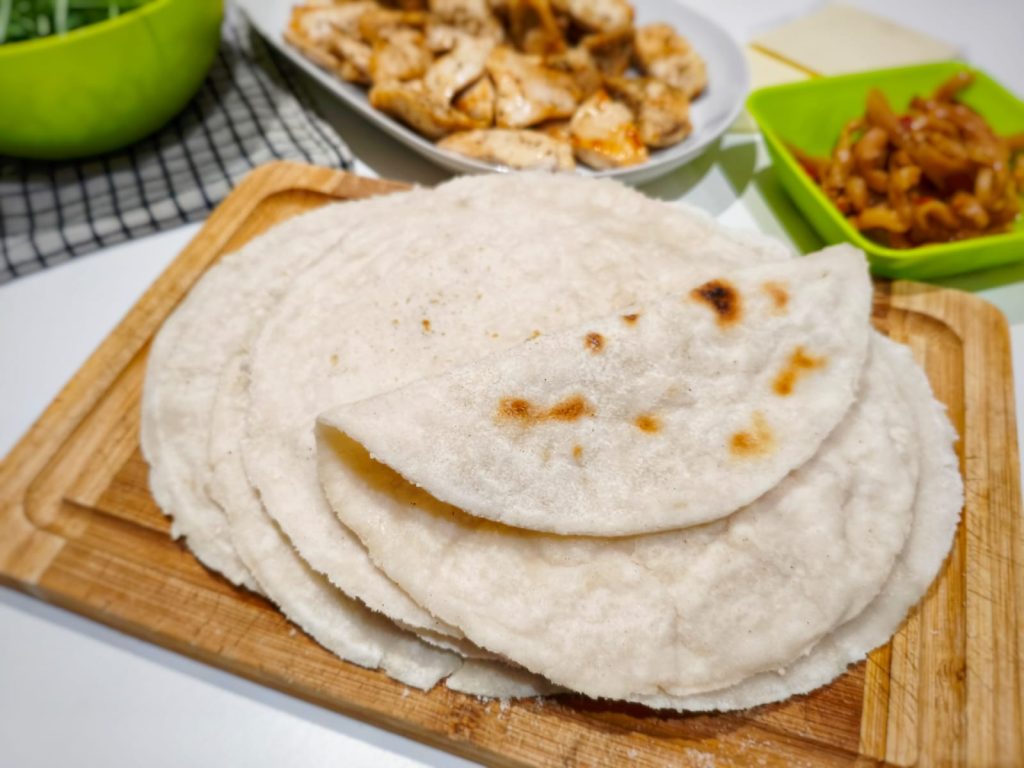
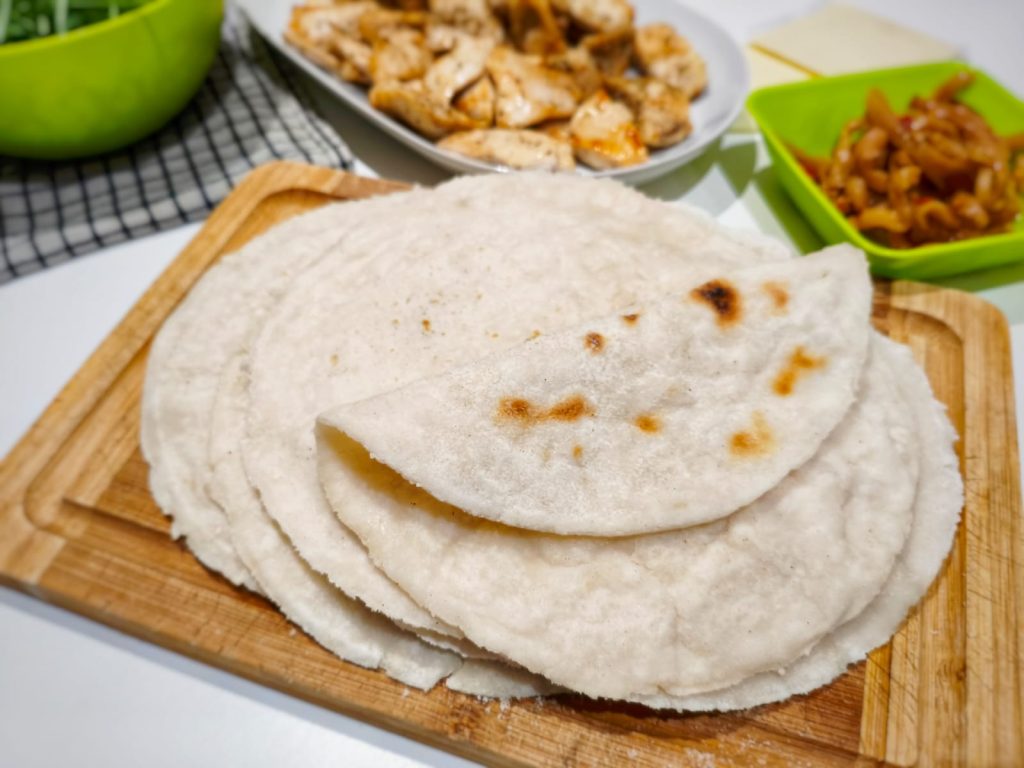
Making a truly good gluten-free piadina may seem challenging, but this version with rice flour shows that sometimes the simplest things are also the most successful. 😄😄
If you’re looking for “how to make piadina with rice flour” or “soft homemade gluten-free piadina“, this is the recipe for you!
This is an essential recipe, accessible to everyone — ideal when you want something light, quick and naturally gluten free. The texture is soft yet elastic, perfect for stuffing as you like, and the delicate flavor of rice flour pairs well with both savory and sweet fillings.
The great thing is you don’t need strange ingredients or complicated techniques: just boiling water, rice flour and a pinch of salt. Mix, let the dough cool on a cutting board and then roll it out with a rolling pin. In a few minutes you have a versatile, wholesome homemade base ready to cook in a pan. It’s the ideal recipe for those looking for an easy gluten-free piadina, for those who want to reduce gluten-containing grains, or simply for people who enjoy experimenting with lighter alternatives.
This piadina is perfect for a quick dinner, a lunch to take away, or a last-minute savory snack. It’s one of those preparations that save you when you have little time but don’t want to give up something good and homemade. And the satisfaction of seeing the dough transform into a soft, fragrant piadina is priceless.
- Difficulty: Very easy
- Cost: Very inexpensive
- Preparation time: 10 Minutes
- Cooking methods: Stovetop
- Cuisine: Italian
- Seasonality: All seasons
Ingredients
Quick gluten-free rice piadina
- 1 2/3 cups water
- 2 1/4 cups rice flour (about 10 oz / 280 g)
- 1 pinch salt
Tools
Quick gluten-free rice piadina
- 1 Pan nonstick pan
- 1 Rolling pin rolling pin
- 1 Cutting board cutting board
Steps
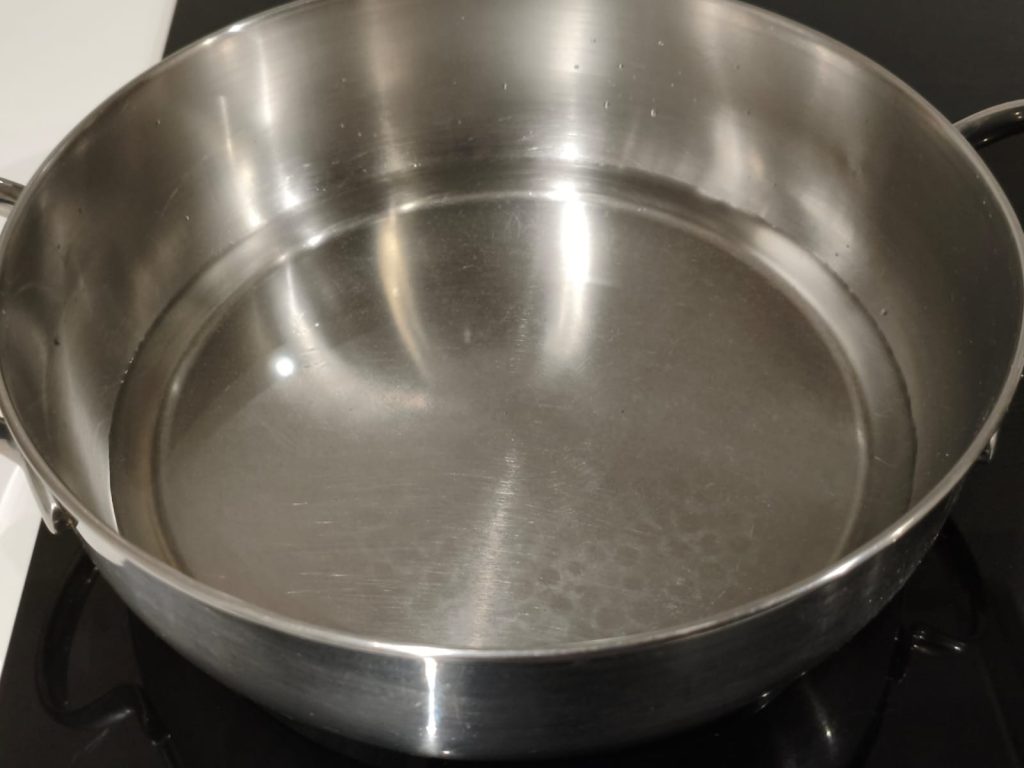
Bring the water to a boil in a pot with a pinch of salt. When it starts boiling, add the rice flour and stir immediately with a spoon: the boiling water helps the rice flour bind and become workable.
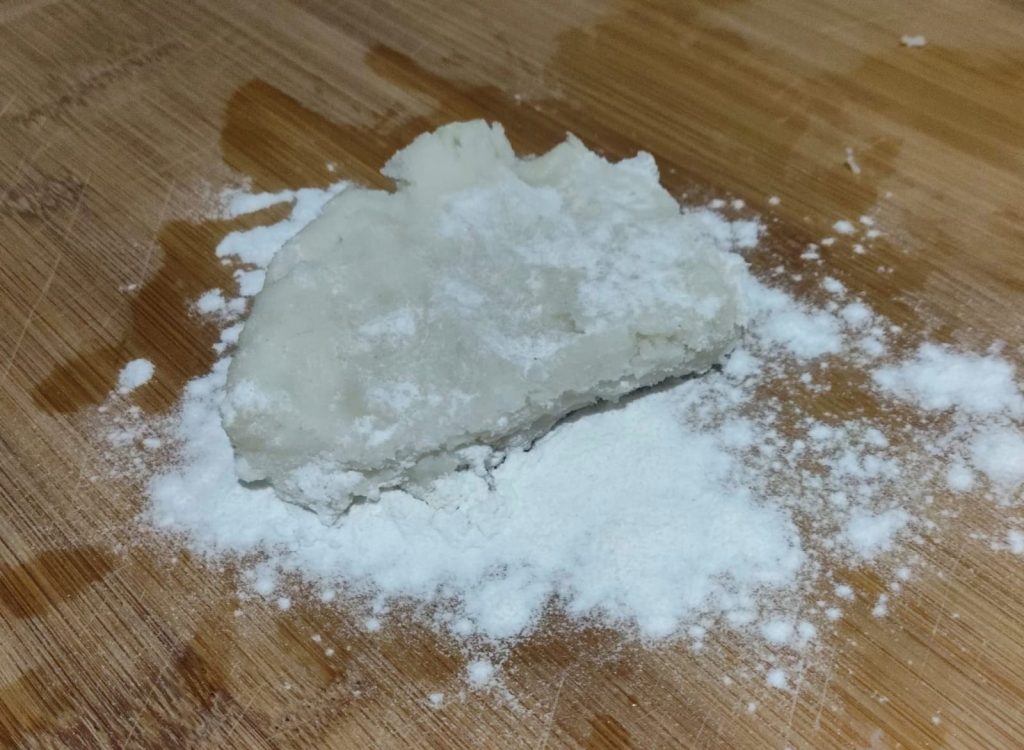
Transfer the dough to a cutting board or work surface. Let it cool for a few minutes: it will become softer and easier to handle. When it no longer feels hot, briefly work it with your hands until you get a smooth ball.
Divide the dough into several portions. Use a rolling pin to roll each piece directly on a lightly rice-floured cutting board or between two sheets of parchment paper. Aim for a thin, even disk.
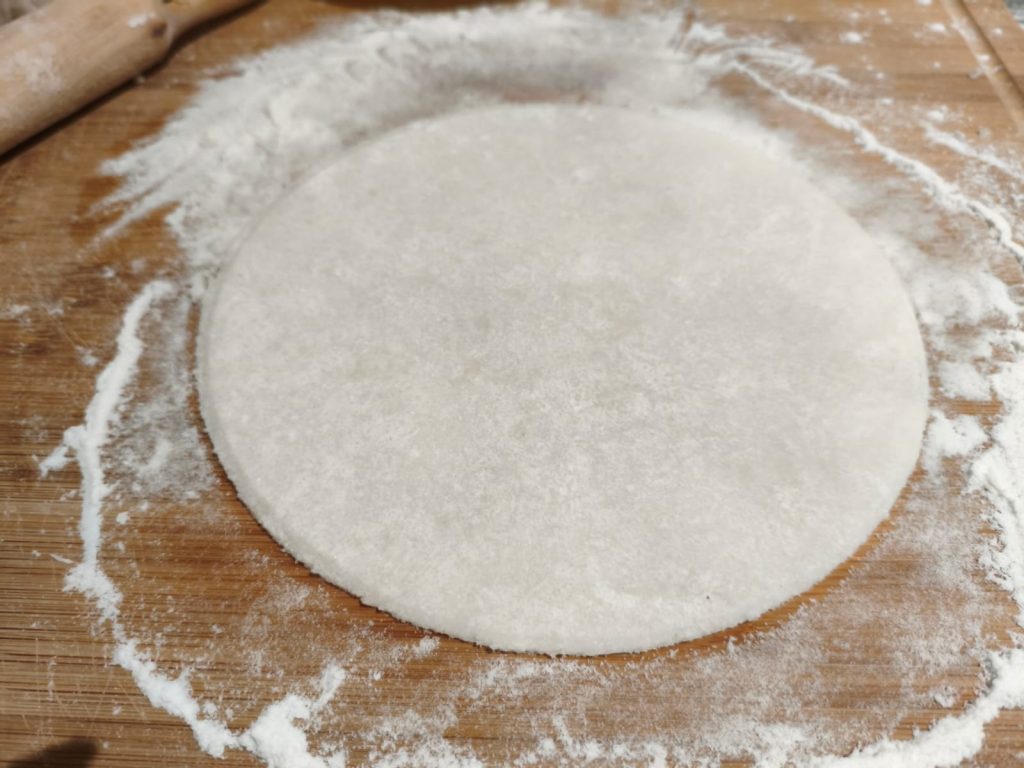
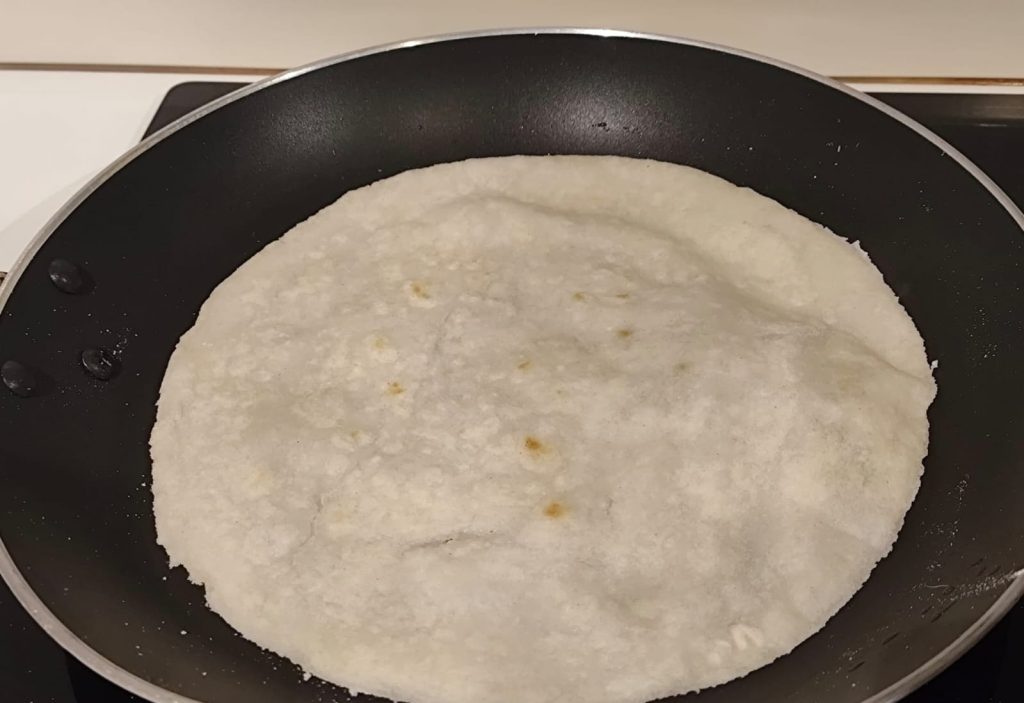
Heat a nonstick pan. When it’s very hot, cook each piadina 2–3 minutes per side, until the classic golden spots appear. If you like, you can lightly oil the pan with a drizzle of olive oil.
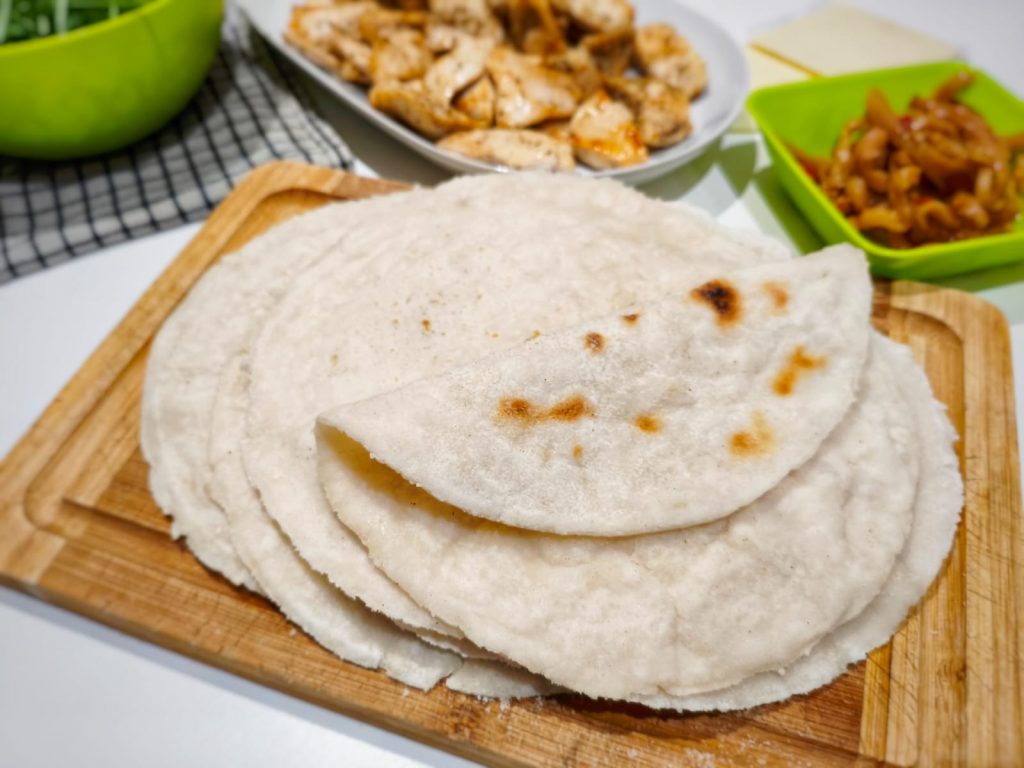
The piadina is ready to be filled: vegetables, fresh cheeses, hummus, cold cuts or whatever you prefer. 😊
FAQ (Questions & Answers)
Does the piadina made with rice flour break easily?
Rice flour is naturally gluten-free, so the dough is less elastic than traditional dough. Using boiling water helps bind it and achieve a soft piadina that doesn’t break.
Can I add other ingredients to the dough?
Yes. You can add a tablespoon of oil, herbs, or a pinch of baking soda for a softer piadina. The basic recipe, however, works perfectly as is.
Can I replace rice flour with a gluten-free mix?
Certainly. Gluten-free flour blends work well and make the dough more elastic. The final texture will be slightly different, closer to a classic piadina.
Can the dough be prepared in advance?
Yes, but it’s best to use it within a few hours. Rice flour tends to dry out: if the dough becomes hard, you can add a teaspoon of water and rework it.
How do I store cooked piadinas?
Once cooled, you can store them in the fridge for 2–3 days in an airtight container. Before eating, heat them in a pan to bring back their softness.
Can I freeze them?
Absolutely. Freeze them already cooked, separated by sheets of parchment paper. They thaw in a few minutes directly in a pan.
