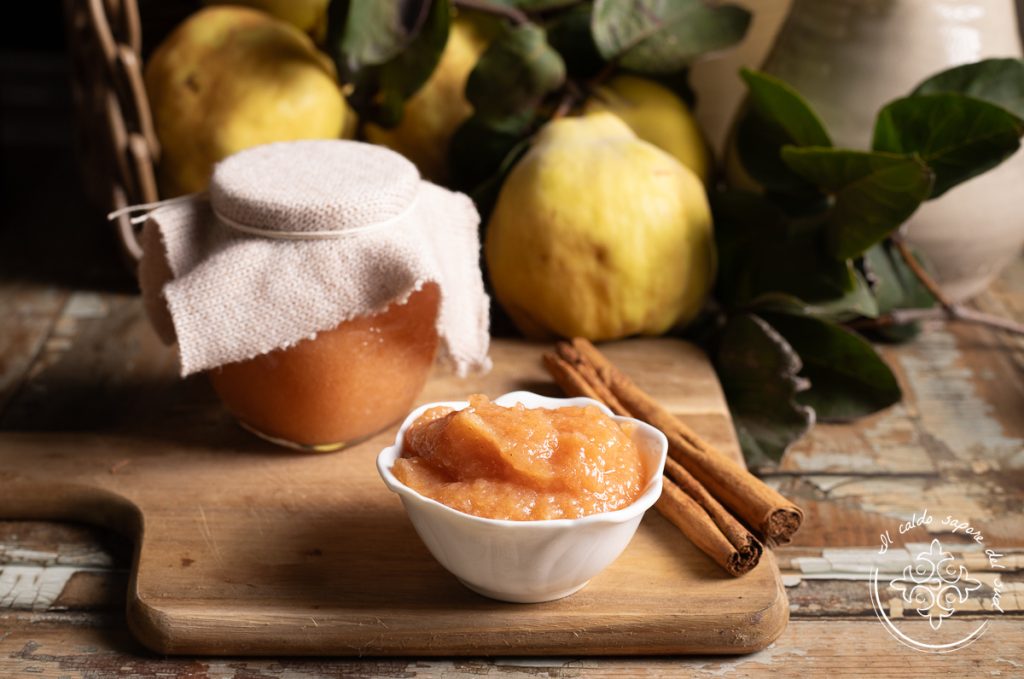
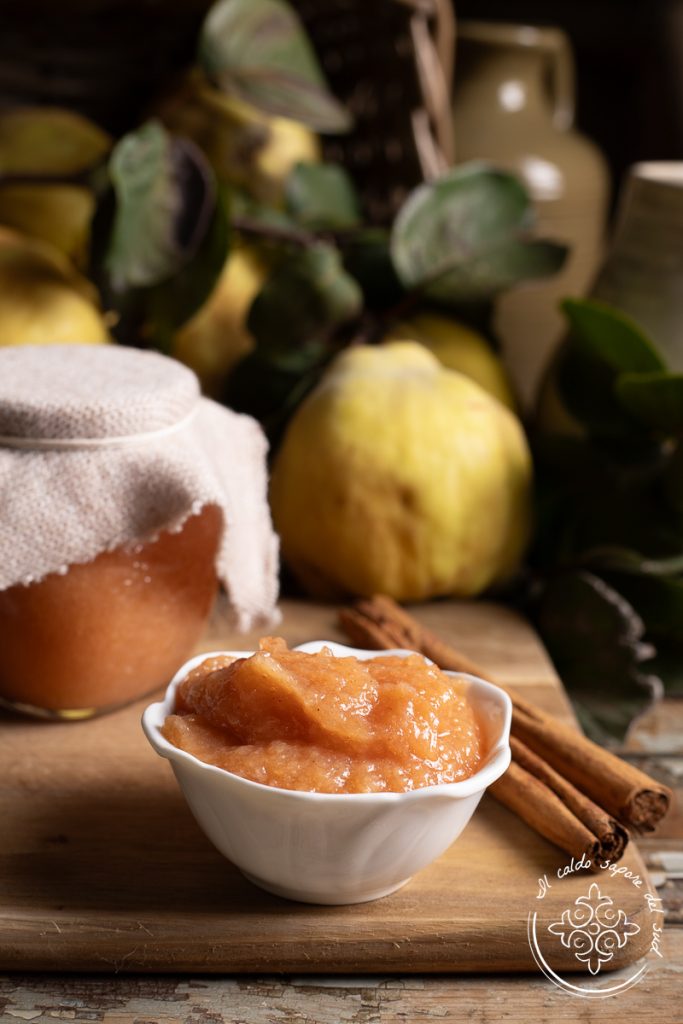
Quince jam, the grandma’s recipe for a classic autumn dessert, which is also part of our collection dedicated to Jams and preserves. Do you know the difference between marmalade and jam? Marmalade is made with citrus fruits, like lemon marmalade or orange marmalade with peel. Jam, on the other hand, is made with other fruits, such as apple jam, blueberry jam or the more classic strawberry jam. So technically “quince jam” is a jam made from quinces. But that detail doesn’t matter much — what matters is that quince jam is delicious and delightful like cotognata (its firmer cousin). It can be spread on bread, used to fill pastries and is lovely at breakfast or as a snack.
Quinces are perfect for autumn recipes; their intense aroma and versatility enrich many dishes. Practically inedible raw, once cooked they lend themselves to countless preparations, from sweet to savory, and turned into jam they can also pair wonderfully with cheeses, like fig jam for cheeses.
Are you ready to follow me in the kitchen? Let’s go discover how to make a smooth quince jam — you’ll love it at the first taste. Before rushing to the stove, remember that if you want to stay updated on new recipes you can follow my Facebook page and my Instagram profile.
Also see:
- Difficulty: Easy
- Cost: Very economical
- Preparation time: 20 Minutes
- Cooking methods: Stovetop
- Cuisine: Italian
- Seasonality: Autumn
Ingredients to make quince jam
- 2 lb 7 oz lb Quinces (Large)
- 2 1/2 cups Granulated sugar
- 1 Lemon (zest and juice)
- 1 teaspoon Ground cinnamon
- 4 Cloves (optional)
Tools
- Pot
- Sieve
How to make grandma’s quince jam
Wash the quinces thoroughly and remove the fuzz. Quarter them and remove seeds and cores; do not remove the peel, as it contains pectin necessary for a good jam.
Cut the quinces into chunks, place them in a pot and cover halfway with water, then add the juice of half a lemon. Cook until the water has evaporated and the quinces have broken down.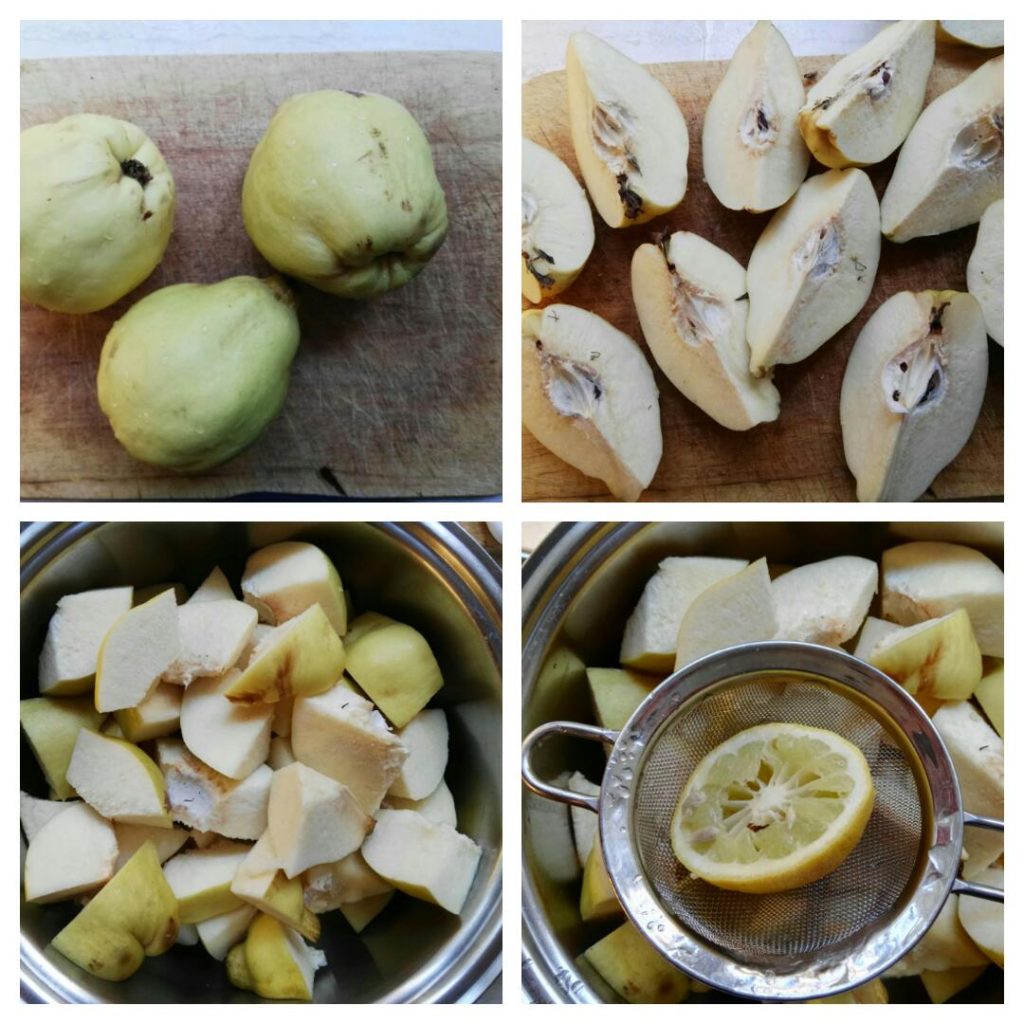
Pass the cooked quinces through a fine sieve (one with small holes) twice to obtain a smooth puree, then weigh it.
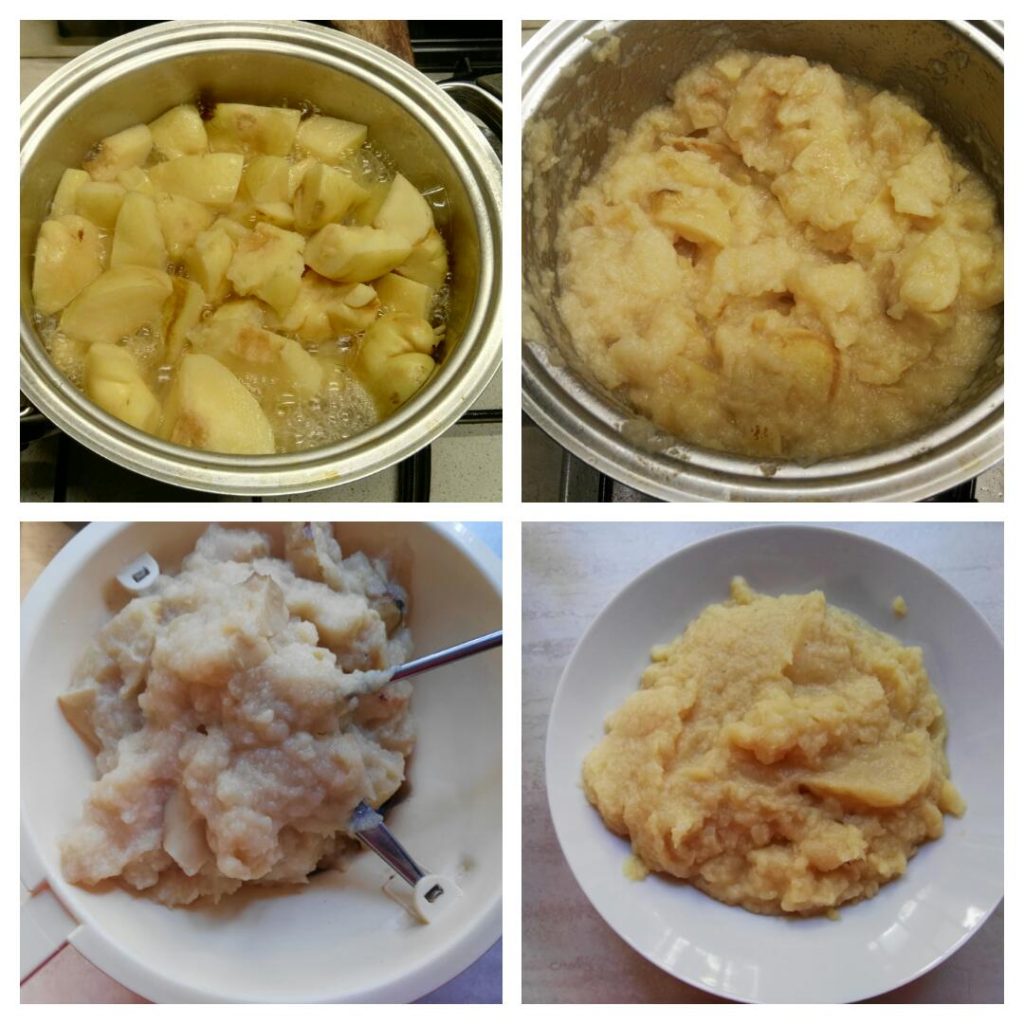
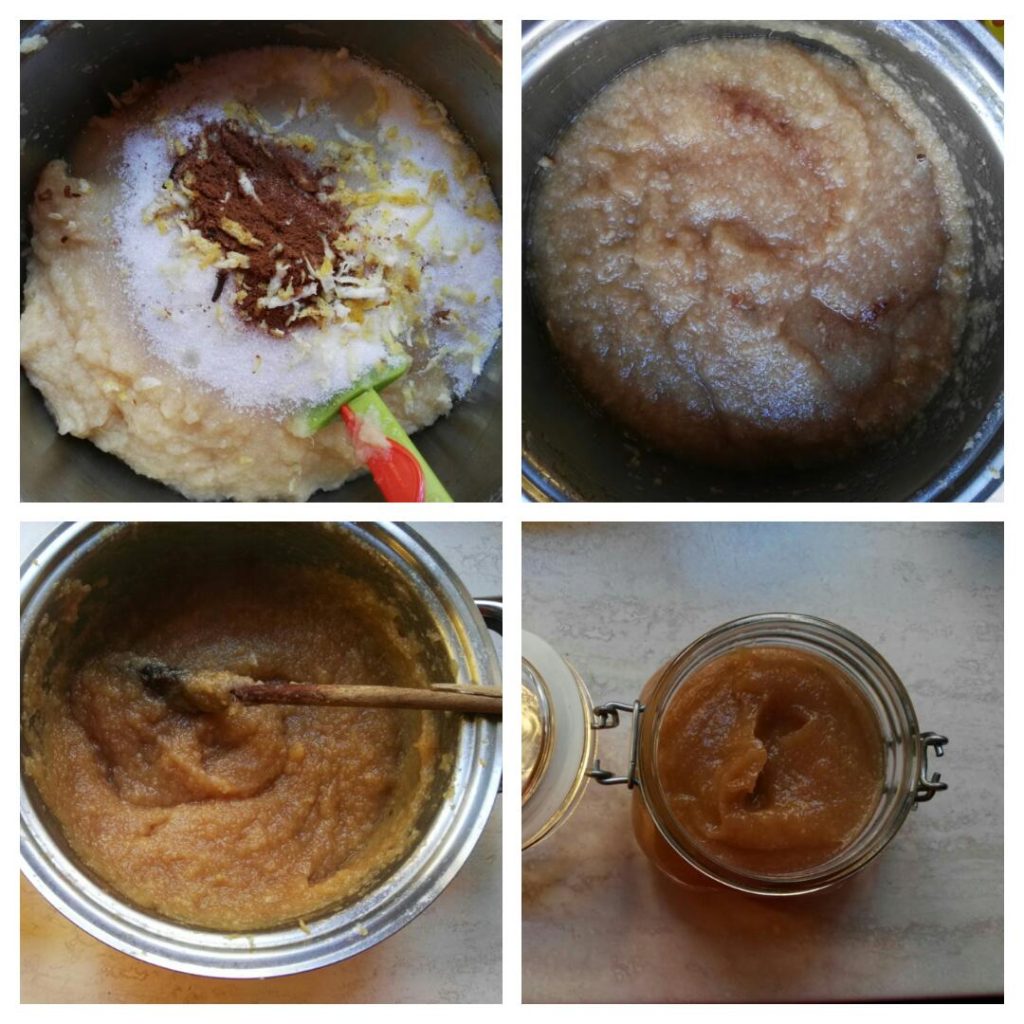
Add sugar equal to half the weight of the puree — for example, I used 2 1/2 cups (about 500 g / 1.1 lb) of sugar for roughly 2.2 lb (1 kg) of puree. Add the ground cinnamon, the cloves, the grated zest of one lemon and the juice of half a lemon.
Cook over very low heat for about 1 hour; toward the end stir frequently to prevent sticking. When cooking is finished, blend everything again with an immersion blender.
The jam is ready. If you plan to consume it within a week, pour it into a clean jar, let it cool and store it in the refrigerator.
If you want to prepare preserves for longer storage, wash the jars thoroughly, sterilize them in boiling water and let them dry.
Fill them with the hot jam leaving the last 1.5 cm free (about 5/8 inch), and close them tightly.
Place the jars in a large pot where they can be completely covered with water; put a kitchen towel on the bottom (this prevents the jars from knocking against each other), immerse the jars and bring the water to a boil for 20 minutes. Turn off the heat and leave them in the water for a couple of hours so they cool gently.
Remove the jars, turn them upside down and keep them like that for a few hours — this step also helps ensure a vacuum seal.
After this time the jars should have sealed; you’ll notice it by touching the lid, which will have a small inward dent.
If everything went well the jam will keep for up to a year; if a proper vacuum has not formed, repeat the process, possibly changing the lid or the jar.