Fried Siciliane with tuma and anchovies, original recipe…
The “siciliane” are fried calzones typical of the street food and rosticceria of Catania (I don’t know if they are called the same in other provincial capitals of the region). They are made with the classic dough of the Sicilian rosticceria , they turn out soft and are stuffed with tuma, which is a very fresh pecorino completely or almost completely bland and with only a light salting, and anchovies.
This is because tuma is a cheese that is completely or almost completely tasteless and its flavor needs to be enriched by adding a very savory ingredient to enhance its taste. Besides anchovy, you can also add baked black olives and fresh spring onion to the filling. Another characteristic of traditional siciliane is frying in lard, which I absolutely will not do, but it’s right that you know the authentic recipe.
Frying in lard, besides giving the siciliane a unique and characteristic flavor that is by no means heavy or invasive, gives them an exceptional golden color. Unfortunately I have a block and really can’t use it like frying oil, but I know for sure that it was once used excellently and indeed it was often the only ingredient used for that purpose.
But now it’s time to get your hands in the dough and start preparing our traditional siciliane!
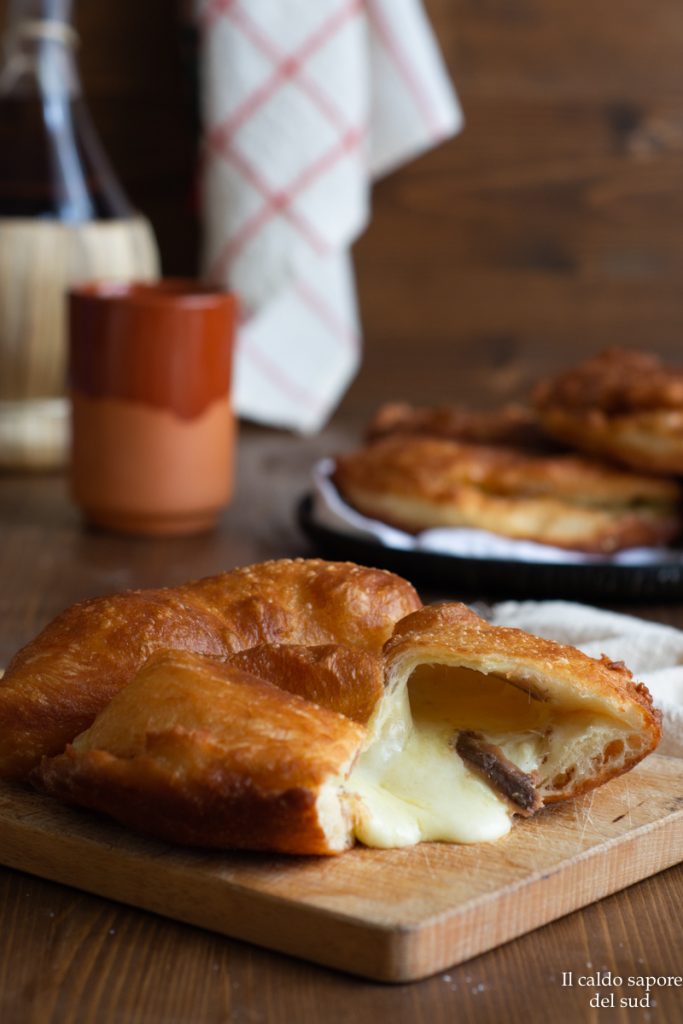
- Difficulty: Very easy
- Cost: Inexpensive
- Rest time: 3 Hours
- Preparation time: 30 Minutes
- Cooking time: 20 Minutes
- Portions: about 6
- Cuisine: Italian
Ingredients
- 2 cups type 0 flour
- 2 cups finely milled durum semolina
- 3.5 tbsp lard
- 1 1/3 cups milk (or water, or half water and half milk)
- 2 tsp salt
- 2 tbsp sugar
- 1 tsp fresh brewer's yeast (or 12 g fresh (about 0.4 oz))
- 1.1 lb tuma (Sicilian)
- 1.4 oz anchovies in oil (or salt-packed)
- to taste black pepper
- to taste oven-baked black olives (Sicilian, optional)
- to taste fresh spring onions
- to taste sunflower oil
Preparation
For the dough you can use only type 0 flour for a softer, brioche-like dough, or only semolina flour for a soft but more rustic dough.
You can replace the milk with water or do half water and half milk; milk still makes everything softer.
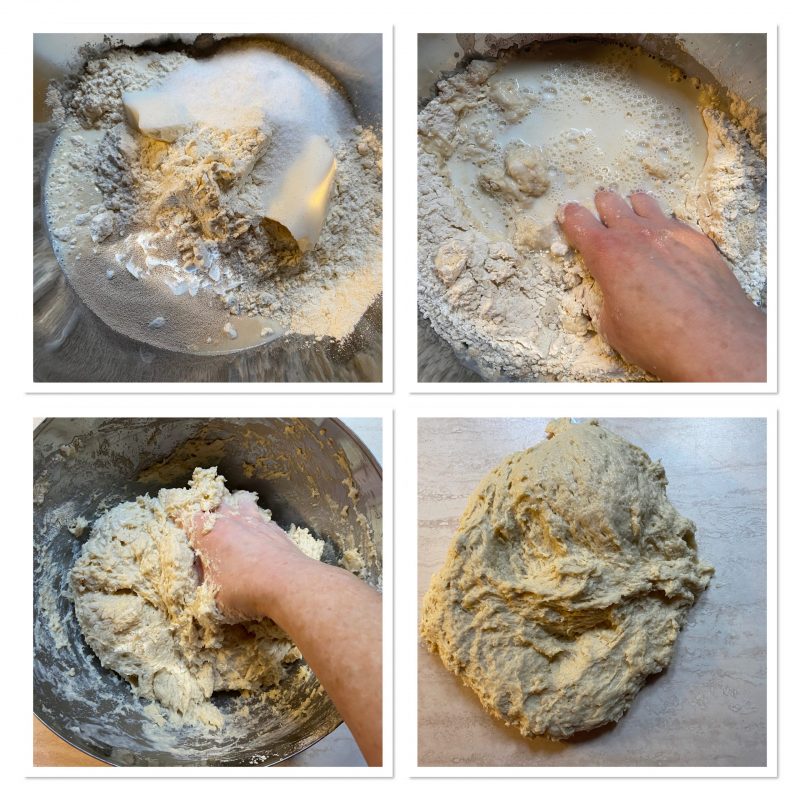
Pour the flour into a bowl, add the lukewarm milk, the yeast and the sugar.
Stir to dissolve, then add the salt and the lard.
Work the dough in the bowl, then move to the work surface and knead vigorously.
The dough, initially sticky, will gain structure little by little without adding flour.
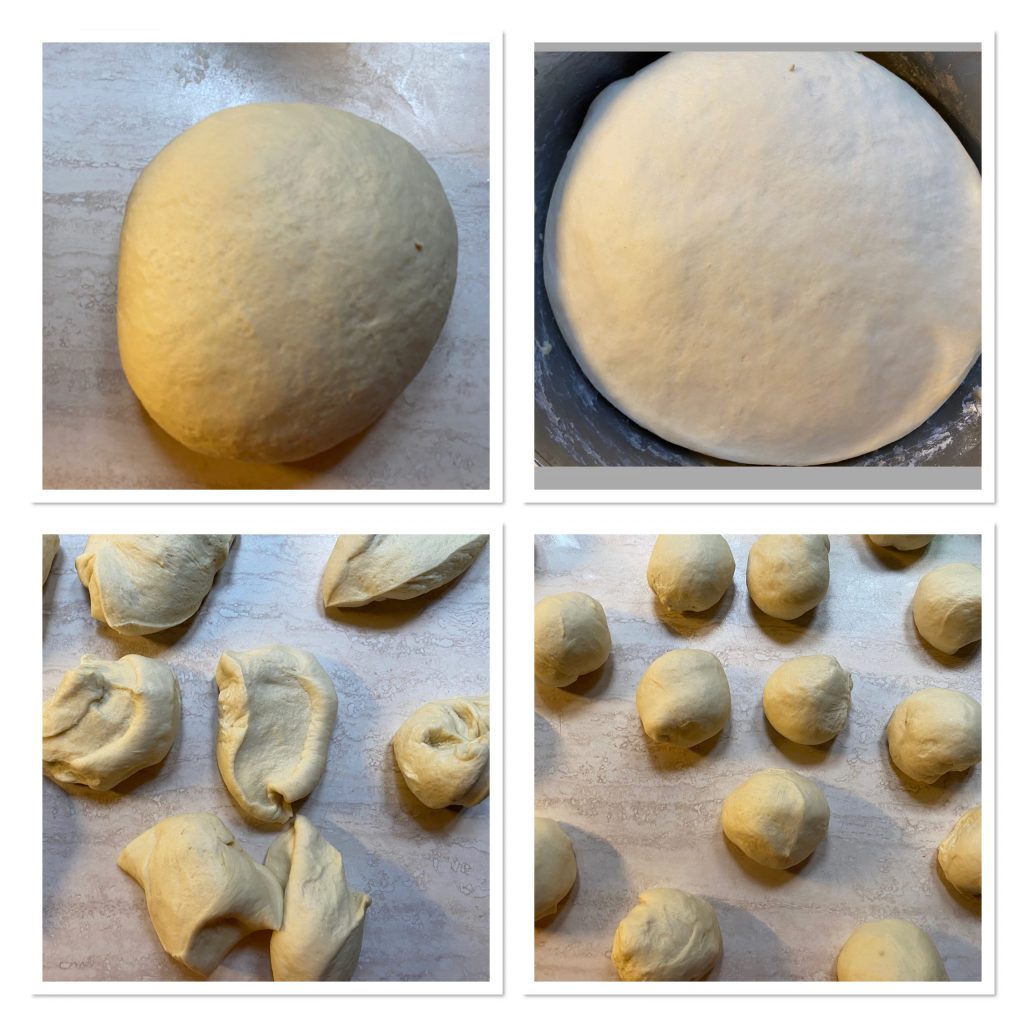
Once you obtain a smooth, homogeneous and elastic dough (this will take about 10 minutes), place it to rise in a warm spot, in the oven with the light on, until doubled in size; this will take about 90 minutes.
After rising, divide the dough into pieces of about 3–3.2 oz (80–90 g), shape them into balls and let them rise again for about 15 minutes.
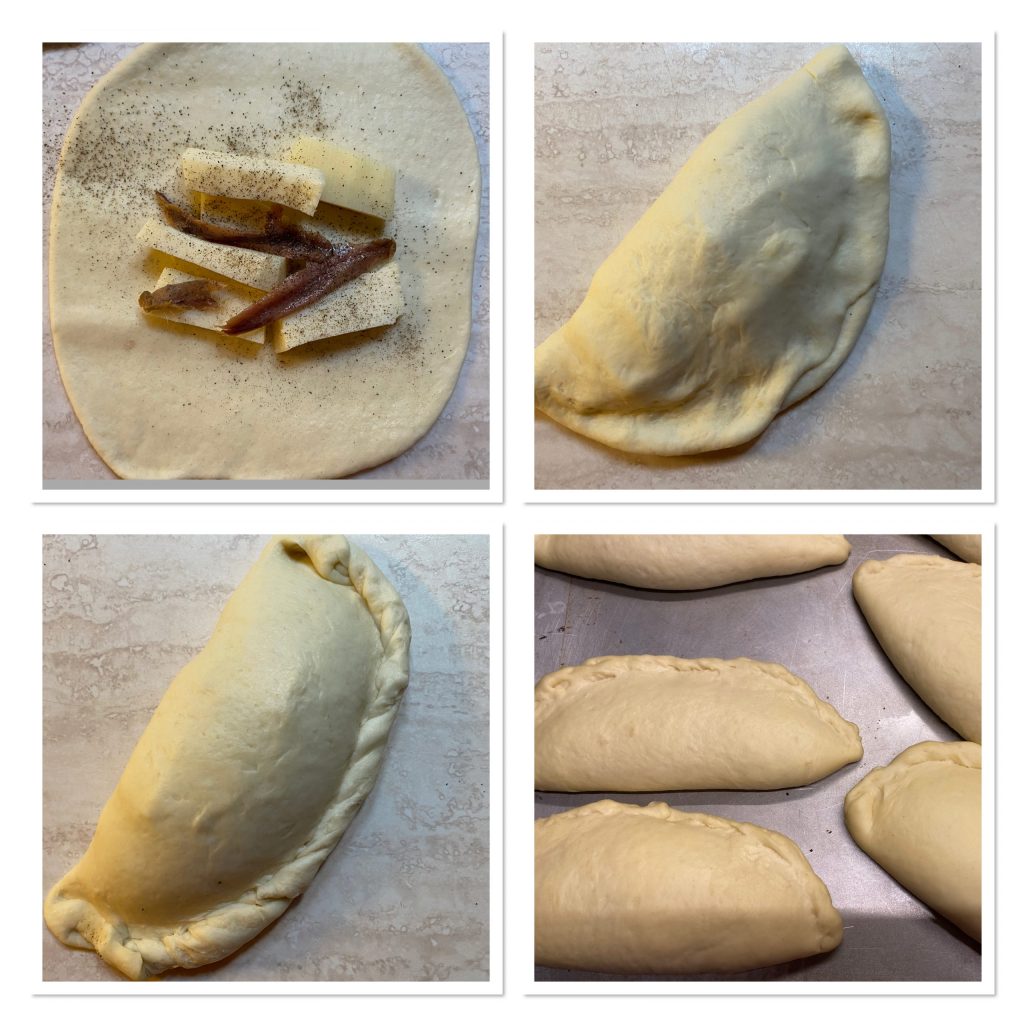
Roll each dough ball out to a thickness of about 3/16 inch (5 mm), fill with tuma cut into cubes, two anchovy fillets, black pepper to taste and, if you like, two pitted baked black olives and some spring onion.
Fold the disk in half into a half-moon and seal the edges, folding them over themselves.
Let them rise again for another ten minutes.
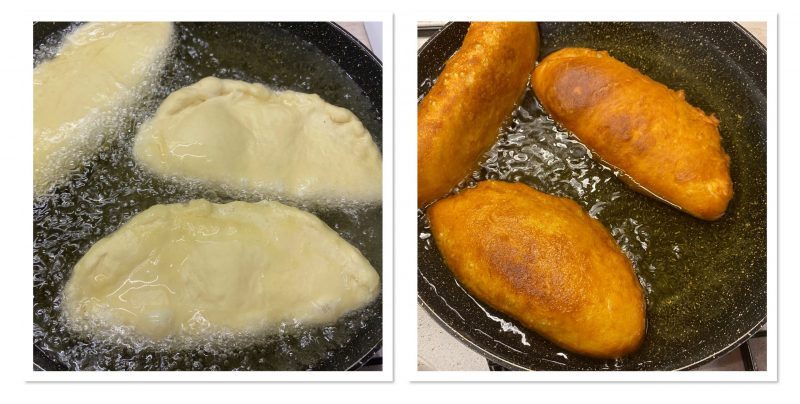
Heat the oil, dip a wooden toothpick in it — if it sizzles, you’re ready to fry the siciliane. Cook them on both sides until golden.
If you notice they are browning too quickly, lower the heat for a few minutes to avoid them being raw inside but burnt outside.
Place the cooked siciliane on absorbent paper to remove excess oil, let them cool slightly and serve.
If you liked this recipe, take a look at:
–Siciliane fried with pistachio – Sicilian rosticceria;
–Sicilian cartocciate with eggplant;
-Pizzette with Sicilian rosticceria dough;
–Sicilian cartocciate with wurstel;
–Cartocciate with ham and mozzarella – Sicilian rosticceria;
–Siciliane – fried calzones from the Catania rosticceria;
–Torciglioni with wurstel – Sicilian rosticceria;
–Bombette with ham and mozzarella – Sicilian rosticceria;
–Bolognese from a Catania tavola calda;
From here, you can return to the HOME and discover new recipes!
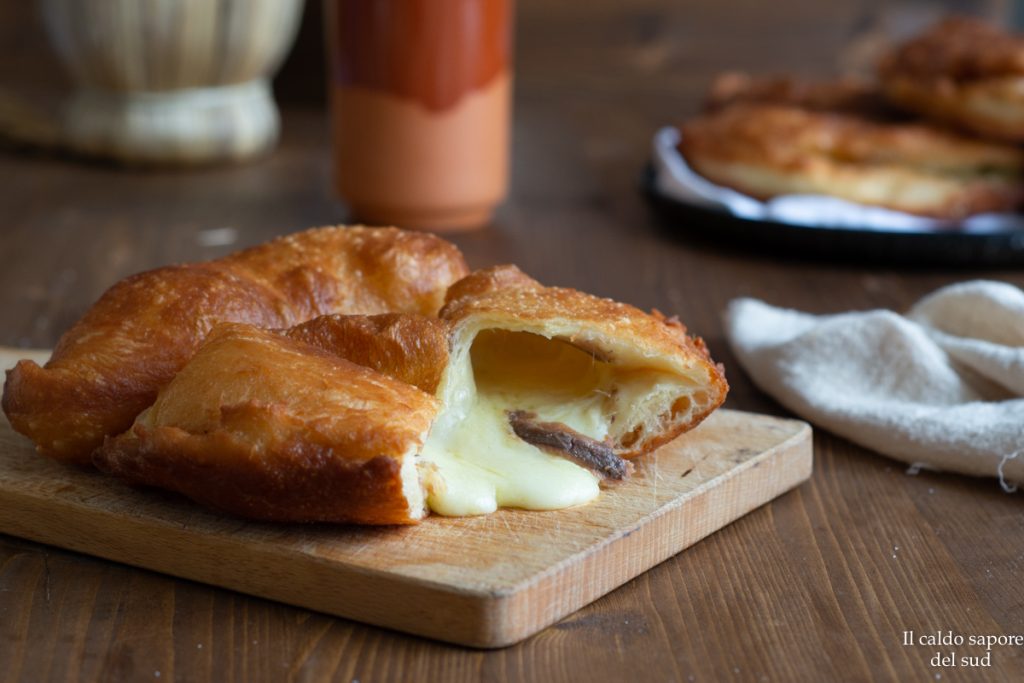
Unfortunately Sicilian tuma is hard to find outside the region and it will be difficult to find an exact substitute. If you want to make siciliane but are away from Sicily, replace tuma with a simple cheese like fresh provola.
Notes;
You can bake the siciliane after brushing them with beaten egg and turn them into delicious cartocciate.
If you want to stay updated on my recipes, follow me on: