
Matcha green tea is the real green tea used in tea ceremonies in Eastern countries. To prepare it there are special tools, such as the famous whisk called a chasen. It is a very precious and special tea that improves the health of the whole internal system—intestines, stomach, liver—and also the mind, strengthening memory and promoting a calm, happy character. Finally, the external appearance benefits as well: this green powder has a very high antioxidant power that can smooth wrinkles, spots and sagging, giving regular consumers a younger, more radiant face.
Matcha in the Diet
Matcha tea is highly recommended even during a diet. Nutritionists recommend matcha because, first, it helps us feel more satiated than usual, reducing sudden hunger attacks; second, it can speed up metabolism; and third, because it contains the polyphenol EGCG, it helps the body burn fat, producing faster results in any diet.
Matcha gives us a radiant, youthful face
Matcha is a precious green powder able to slow aging. The Japanese often appear youthful, with porcelain skin and enviable health because they use ancient foods like matcha that contribute to cell regeneration and fight free radicals, acting as powerful antioxidants. As mentioned, matcha is a green tea grown with a very particular and careful method in a healthy, shaded environment. For this reason the leaves are very rich in chlorophyll—the most powerful antioxidant available—which makes the skin more elastic, less wrinkled and free of spots, giving regular consumers a youthful appearance. Matcha is a true beauty elixir, capable of stimulating collagen, which is why it is often included in brightening, plumping and anti-wrinkle creams, since it is a concentrate of antioxidants, especially bioflavonoids, polyphenols and vitamin C.
Matcha and Health
Matcha green tea is rich in vitamins (A – B, especially vitamin C), and therefore it truly strengthens the immune system. It also contains a very high amount of chlorophyll and catechins, considered a real brake on tumor cells. I also want to reveal something not everyone knows: matcha has the property of making us feel happy, serene, calm and balanced thanks to L-theanine, which stimulates the production of serotonin and dopamine. In matcha the concentration of L-theanine is about 100 times higher than in regular green tea, thanks to the harvesting method during which leaves are kept shaded to promote high theanine development. L-theanine also counteracts the stimulating effect of caffeine, strengthens memory, concentration and mood. Matcha also helps keep blood cholesterol levels low and fights type 2 diabetes.
In conclusion
We have understood that Japanese matcha is a true elixir of long life—so why not get used to consuming it? The recommended dose is 1 to 2 cups a day. Moreover, it can help keep our stomach and intestines away from inflammation (dietary or nervous) and gastric acidity. In this period after COVID we all feel tired and weakened; often I hear people say, after vaccinations I’m not myself anymore, I have days of suffering without strength for no apparent reason. Daily matcha can also help resolve this state of physical and mental weakness: its caffeine is released slowly, so its effect is prolonged over time. This makes us feel energetic, walk faster, be more alert—a true long-term energizer.
- Difficulty: Very easy
- Cost: Inexpensive
- Preparation time: 1 Minute
- Portions: 1
- Cuisine: Italian
- Seasonality: All seasons
- Energy 0.00 (Kcal)
- Carbohydrates 0.00 (g) of which sugars 0.00 (g)
- Proteins 0.00 (g)
- Fat 0.00 (g) of which saturated 0.00 (g)of which unsaturated 0.00 (g)
- Fibers 0.00 (g)
- Sodium 9.60 (mg)
Indicative values for a portion of 252 g processed in an automated way starting from the nutritional information available on the CREA* and FoodData Central** databases. It is not food and / or nutritional advice.
* CREATES Food and Nutrition Research Center: https://www.crea.gov.it/alimenti-e-nutrizione https://www.alimentinutrizione.it ** U.S. Department of Agriculture, Agricultural Research Service. FoodData Central, 2019. https://fdc.nal.usda.gov
Ingredients for Matcha tea
- 1 cup water (≈250 g / 8.5 fl oz)
- 1 teaspoon Matcha green tea powder
Tools
Steps
Heat 1 cup (≈250 g / 8.5 fl oz) of water without bringing it to a boil; do not exceed 176°F (80°C) to avoid altering the properties of matcha tea.
Sift 1 teaspoon of powdered tea directly into the cup, add 3 tablespoons of hot water then whisk with the chasen to create a smooth paste (if you don’t have a whisk, use a teaspoon).
Then add the remaining hot water and stir.
Sift a small pinch of matcha powder over the cup (optional).
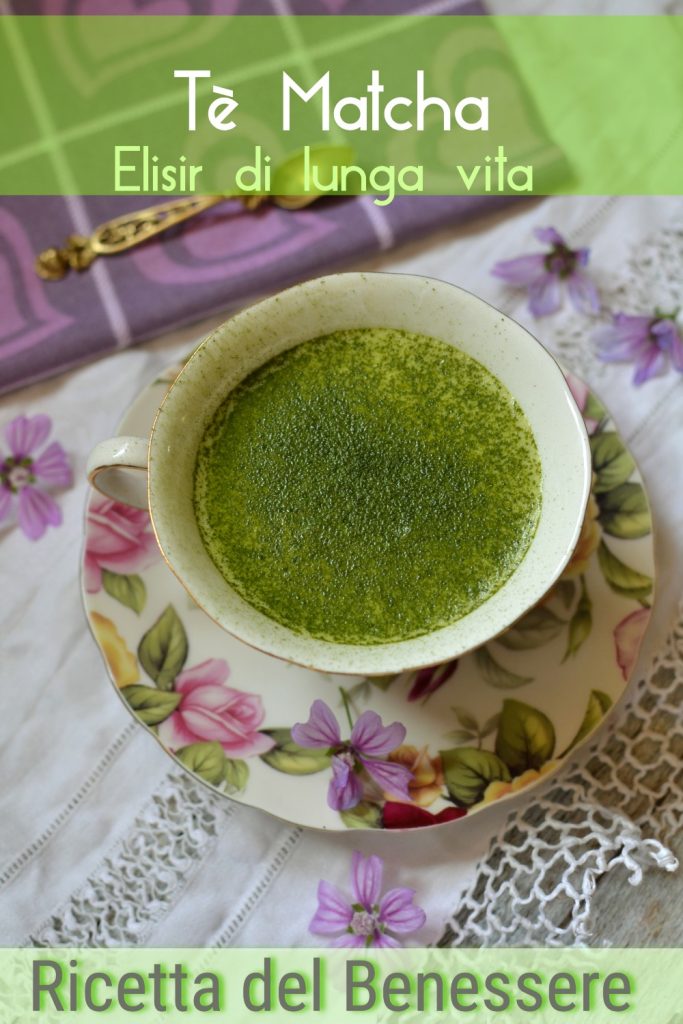
Matcha tea is ready to sip hot and enjoy all its beneficial properties.
How much Matcha tea can you consume?
You can consume 2 cups of matcha tea a day to bring significant benefits to your body, both internally and externally.
What can you add to matcha powder?
Besides the basic recipe made only with matcha and water, you can prepare many tastier variants. For example, you can add milk or any plant-based drink (such as coconut, oat, soy, hazelnut, etc.), milk cream, coconut cream, sweeteners like stevia/erythritol (zero calories), agave or honey.
Matcha: culinary, premium or ceremonial—which to choose?
Ceremonial matcha is the best: it comes from the first harvest and is very rich in properties and intense flavor.
Premium matcha (second harvest) is still a good product full of nutrients and a valid alternative to ceremonial matcha. It has a less intense flavor and is excellent for beverages like Matcha Latte, smoothies, milkshakes, as well as ice cream, granitas and sorbets.
Culinary matcha is made from leaves of later harvests and is not always stone-ground. It can be used in cooking and recipes and as a coloring ingredient.
Does matcha tea have contraindications?
In general matcha tea has no contraindications, but remember it is a tea and therefore contains some caffeine. If you experience palpitations, do not exceed recommended amounts.
Before starting to consume matcha tea regularly, it is always advisable to discuss it with your doctor or pharmacist.
The purpose of this article is purely informational and should not be considered a substitute for professional advice from your nutritionist: use of these indications is the responsibility of the reader.
