Ricotta and spinach gnudi are one of those dishes that seem simple but tell of an ancient cuisine made of patient gestures. Few ingredients, no hurry, just balance.
I love to prepare recipes with spinach; you’ll find them in my spinach bruschetta, in mozzarella and spinach in a pan and in the Sicilian spinach scacciata, because spinach is a humble ingredient that can transform into something different every time. This time, however, I wanted to leave them as the absolute protagonists, together with fresh ricotta.
Gnudi originate in Tuscany and their name literally means “naked”. They are the filling of ravioli without the fresh pasta sheet that wraps them. Just boiled and well-drained spinach, very well drained ricotta, grated cheese and an egg. That’s it.
The difficulty is not the ingredients but the texture. The spinach must be really dry. The ricotta must not release water. The dough must be soft but stable, able to stay compact when dropped into boiling water.
They are not gnocchi, although they are often confused. Gnocchi are potato-based and contain more flour. In gnudi ricotta dominates, and the texture is more delicate, almost creamy inside.
They are a vegetarian first course that needs nothing else to be remembered. Ready to make them together? Let’s head to the kitchen, but first, as always, I remind you that if you want to stay updated on all my recipes you can follow my Facebook page (here) and my Instagram profile (here).
Check out these recipes with spinach:
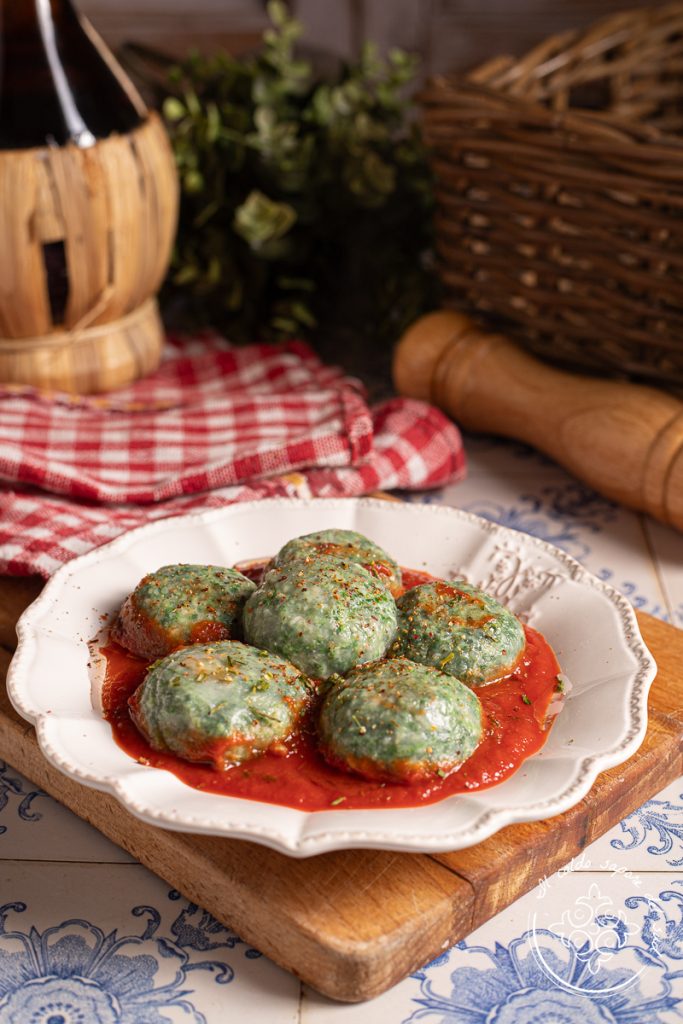
- Difficulty: Medium
- Cost: Very inexpensive
- Preparation time: 10 Minutes
- Cooking time: 2 Minutes
- Cooking methods: Stovetop
- Cuisine: Italian
- Seasonality: All seasons
Ingredients to make Tuscan ricotta and spinach gnudi
- 1 lb 2 oz lb fresh spinach
- 1 2/3 cup ricotta (sheep or cow, already very well drained)
- 1 cup grated Parmigiano-Reggiano
- to taste salt
- 1 piece egg (small)
- 5 tbsp all-purpose flour (if necessary)
- to taste freshly grated nutmeg
- to taste all-purpose flour
- 3/4 cup tomato purée (passata)
- to taste salt
- to taste extra virgin olive oil
- to taste black pepper
- basil (fresh or dried)
Tools
- Bowls
- Pots
- Slotted spoon
- Tray
- Stovetop
Steps to make Tuscan gnudi with ricotta and spinach
To make ricotta and spinach gnudi, wash fresh spinach thoroughly or use pre-washed bagged spinach. Put it in a large pot without adding water: the moisture left on the leaves will be enough. Cover and let it wilt for a few minutes until soft.
Transfer the spinach to a colander and let it cool slightly. Then squeeze it very well with your hands to remove all excess water: this is a crucial step to obtain compact, firm gnudi. Once properly squeezed, the spinach will shrink considerably, losing around half of its initial weight.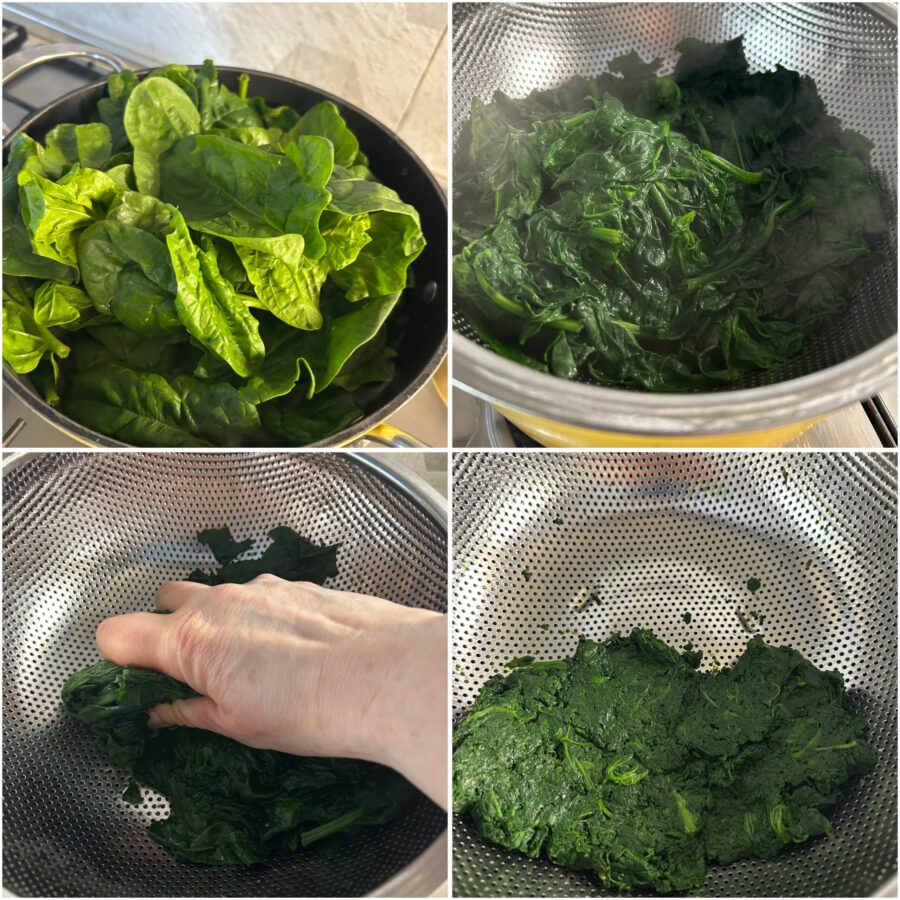
Place the spinach on a cutting board and chop it very finely with a knife until you obtain a homogeneous mixture.
In a bowl collect the well-drained ricotta and work it with a fork to make it creamy. Start from at least about 2 1/2 cups (about 600 g) of fresh ricotta and let it drain overnight so it really reduces.
Add the chopped spinach to the ricotta and mix. Add plenty of grated cheese and combine well.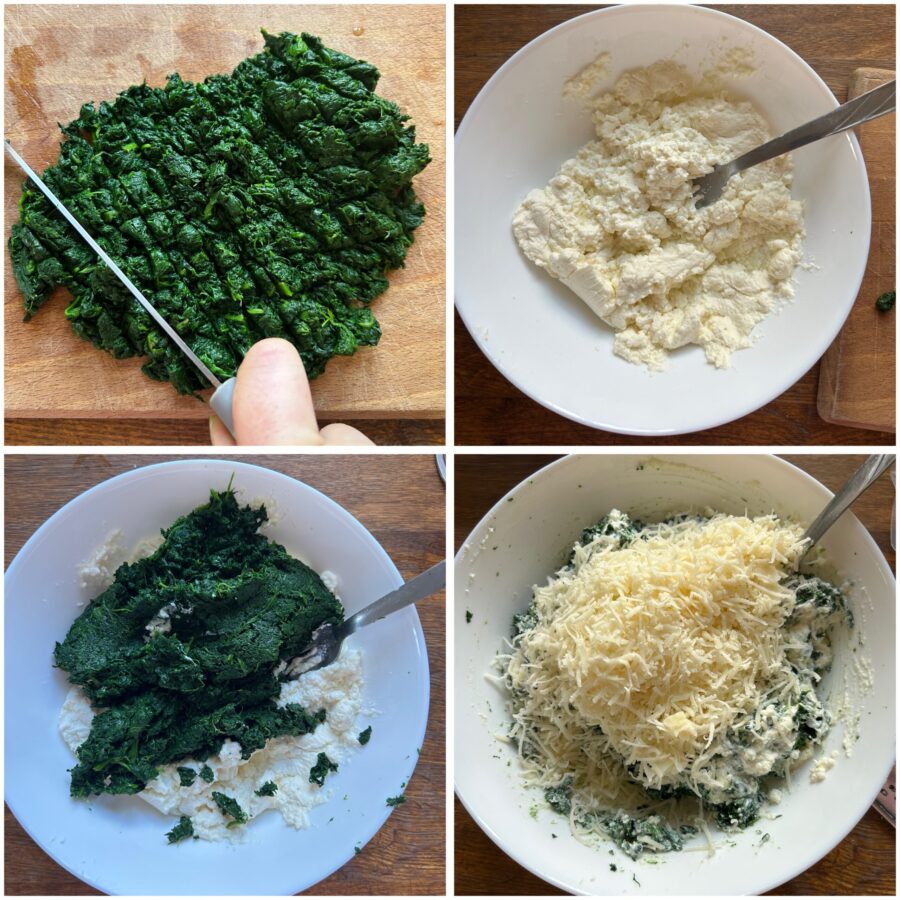
Incorporate the egg, a pinch of salt, black pepper and, if you like, a grating of nutmeg. Mix until you get a soft but shapeable dough.
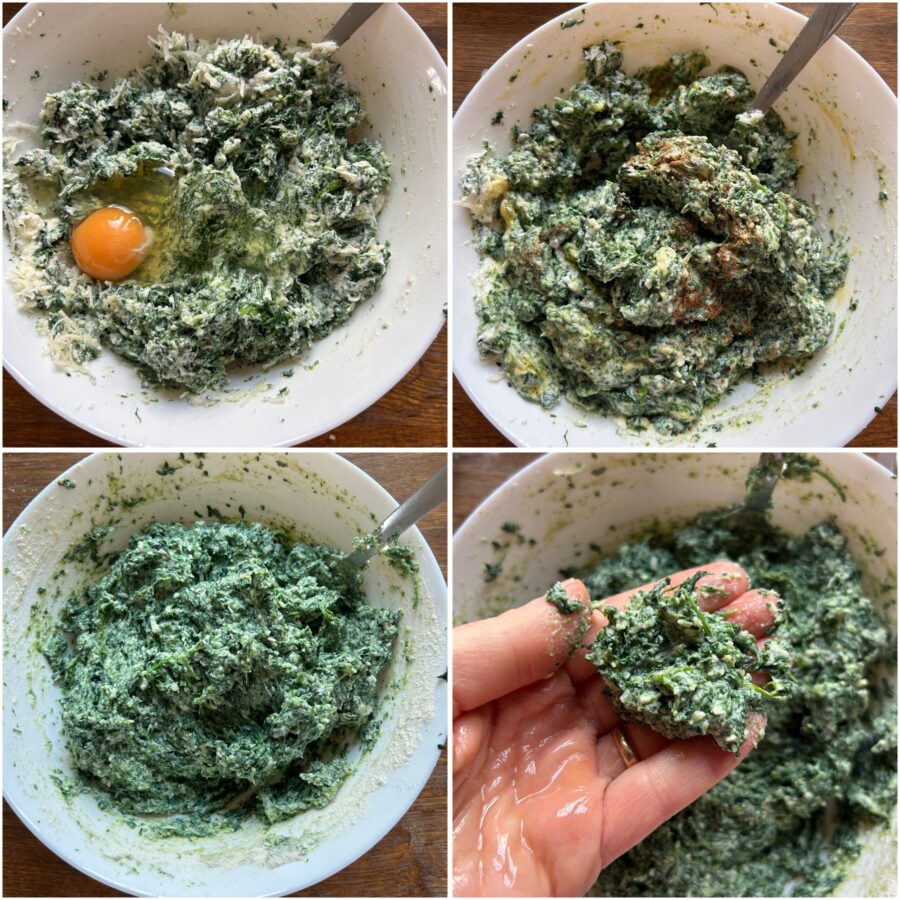
If necessary, add a tablespoon of flour or breadcrumbs to give more structure. The dough should be compact but soft. (I omitted it because my dough was already firm enough).
With slightly oiled hands, take small portions of dough and form walnut-sized balls.
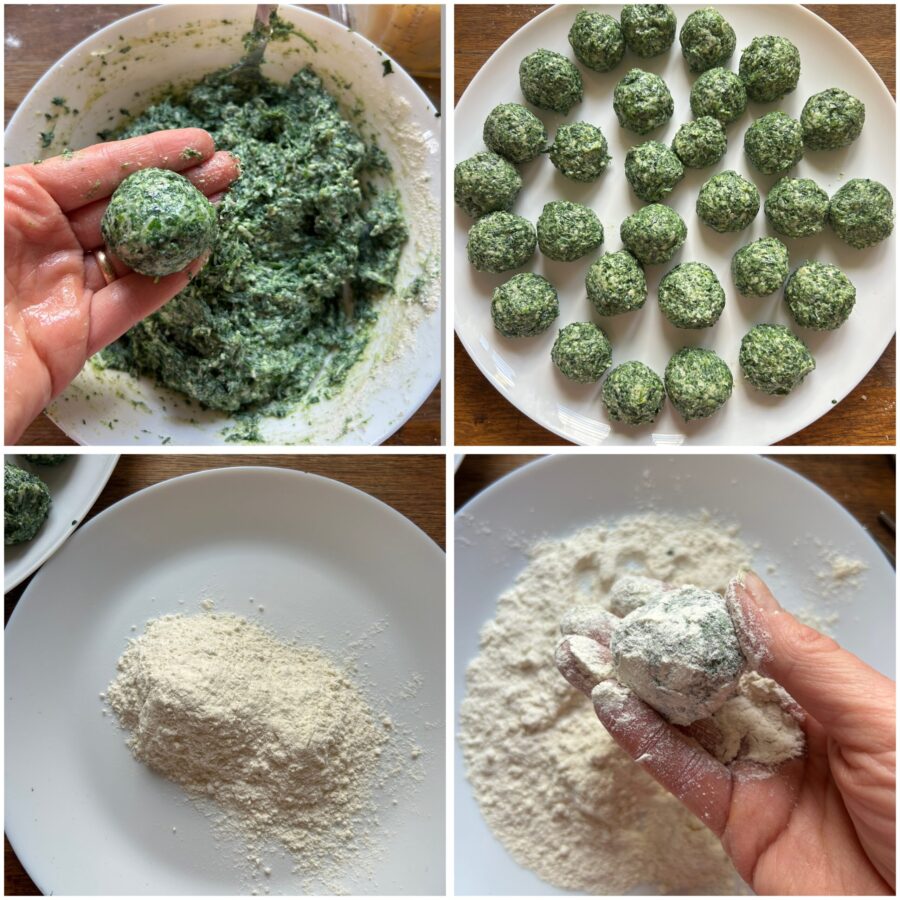
Coat each gnudo lightly with flour, shaking off the excess, and arrange them on a plate.
Bring a large pot of salted water to a boil. Gently immerse the gnudi a few at a time and cook them: when they rise to the surface they are ready.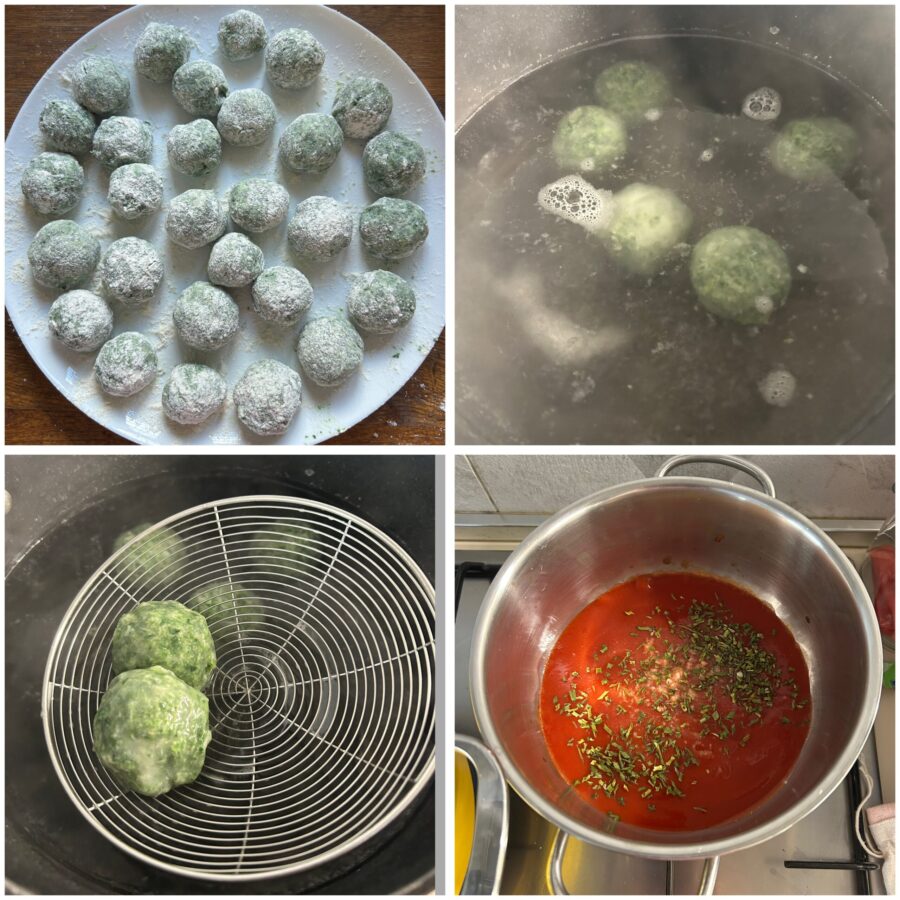
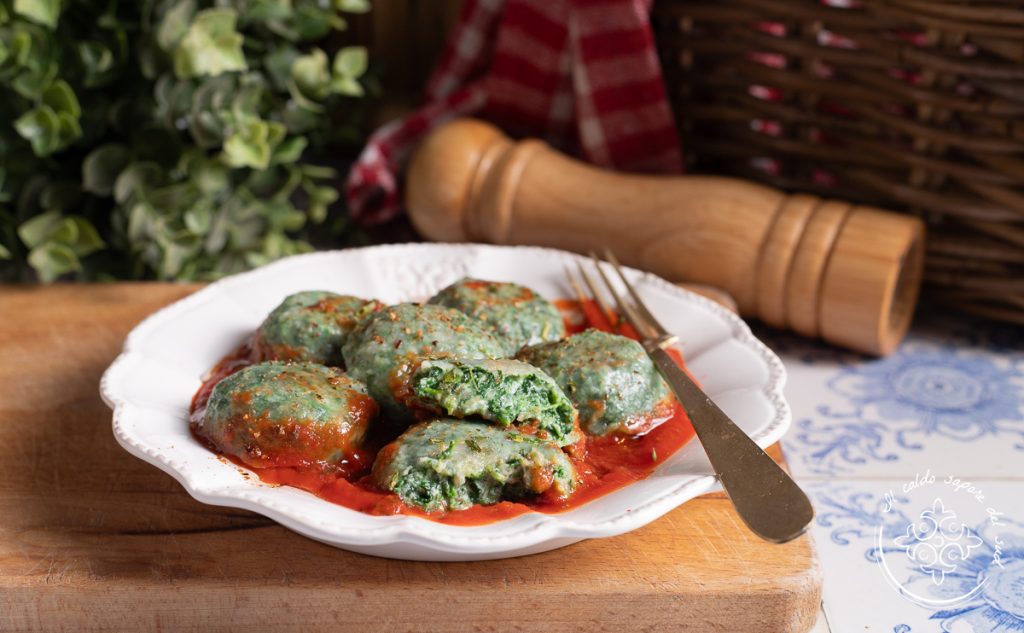
Lift them out with a slotted spoon and immediately dress them with hot tomato sauce scented with basil and a sprinkle of black pepper, or with melted butter and sage.
Storage notes and tips
Ricotta and spinach gnudi can be prepared in advance. Once formed and lightly floured, arrange them on a tray and keep them in the refrigerator covered with plastic wrap for up to 24 hours.
They can also be frozen raw: place them on a tray spaced apart, freeze until firm, then transfer to a food bag. Cook them directly from frozen in boiling water without thawing.
If after cooking they are too soft, it means the spinach was not squeezed enough or the ricotta was too wet. In that case you can add a tablespoon of flour or breadcrumbs to the dough.
For a perfect result:
– Squeeze the spinach very well.
– Use well-drained, dry ricotta.
– Don’t overdo the flour: gnudi must remain soft.
You can dress them with a simple tomato sauce and basil, butter and sage, or a light cheese cream.
If you want to stay updated on my recipes, follow me also on:
Pinterest; X; YouTube; TikTok.
From here, you can return to the HOME and discover new recipes!
Frequently Asked Questions
Why are they called gnudi?
They are called that because they are the filling of ravioli… “naked”, without pasta around them.
Can I use frozen spinach?
Yes, but it must be cooked very well in boiling water and squeezed thoroughly.
Can I make them without egg?
Yes, but the dough will be more delicate. In that case it is even more important to squeeze the spinach and ricotta perfectly.
Can they be made gluten-free?
Yes, just use gluten-free flour or starch for dusting.
How do I know when they are cooked?
Gnudi are ready when they rise to the surface. Leave them for another 10 seconds and then remove them gently.