
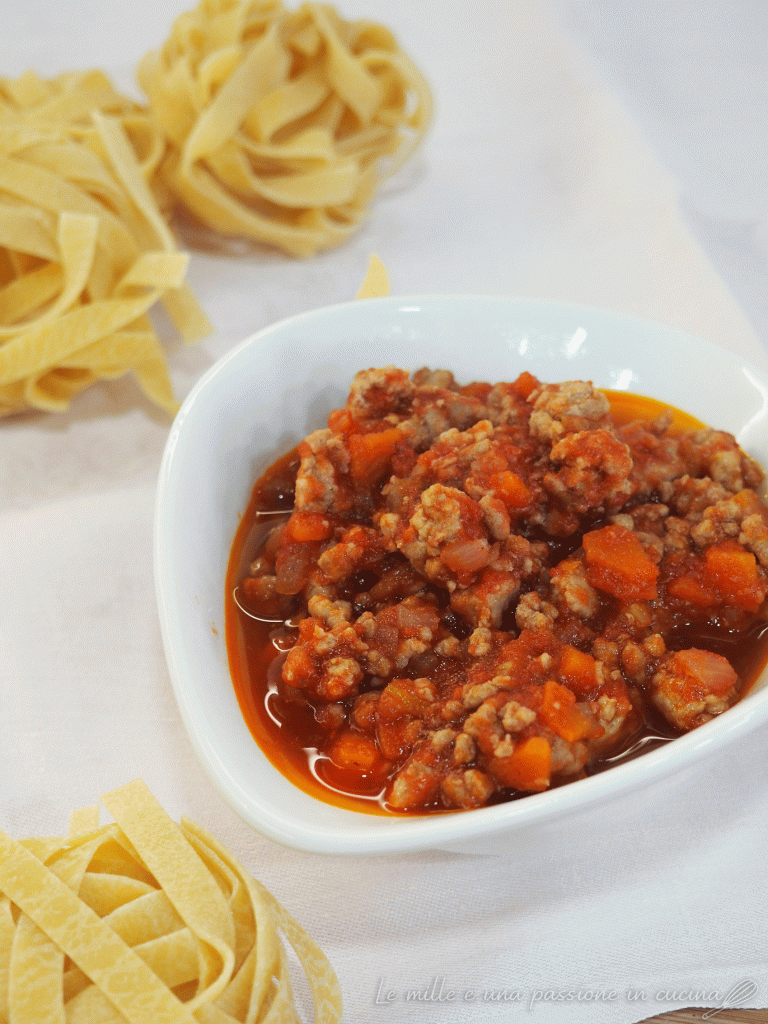
Classic meat ragù is one of those sauces that never go out of style. It perfumes the whole kitchen and makes even a simple plate of pasta special.
It’s not difficult to prepare, but it needs its time and a few little tricks to become full-flavored and creamy in the right way.
In this recipe I show you how I make it, with simple ingredients and clear steps, so it turns out perfect for you too.
- Difficulty: Easy
- Cost: Budget-friendly
- Preparation time: 15 Minutes
- Cooking time: 1 Hour
- Portions: 4-6 servings
- Cooking methods: Stovetop
- Cuisine: Italian
- Seasonality: All seasons
Ingredients (4-6 servings)
- 14 oz mixed ground meat (beef and pork)
- 1 carrot
- 1 stalk celery
- 1/2 onion
- 3 tbsp extra virgin olive oil
- 3/4 cup tomato passata
- 1/2 cup white wine (optional)
- as needed water
- to taste salt
- to taste pepper
- 2 tbsp milk (optional)
Tools
- 1 Saucepan
- 1 Cutting board
- 1 Knife
- 1 Spoon
- 1 Glass
- Containers
- Molds
Steps
Finely chop the carrot, celery and onion.
Pour the oil into a saucepan and add the chopped vegetables.
Cook over low heat, stirring occasionally.
The soffritto (mirepoix) should soften without burning.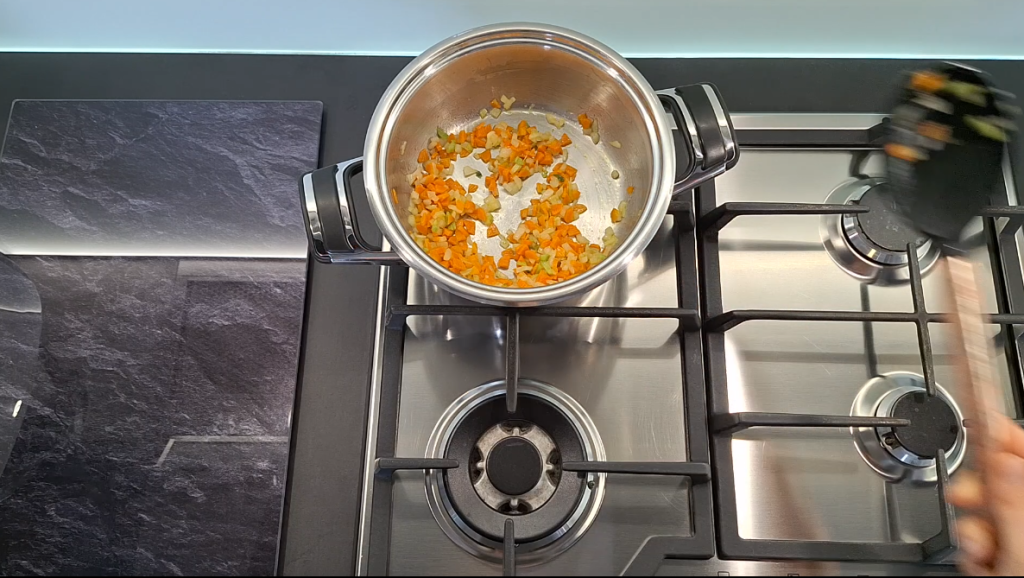
Add the ground meat.
At first leave it still for a few seconds, then stir and break it up with the spoon.
Cook over medium-high heat until it changes color, releases its water and starts to brown slightly.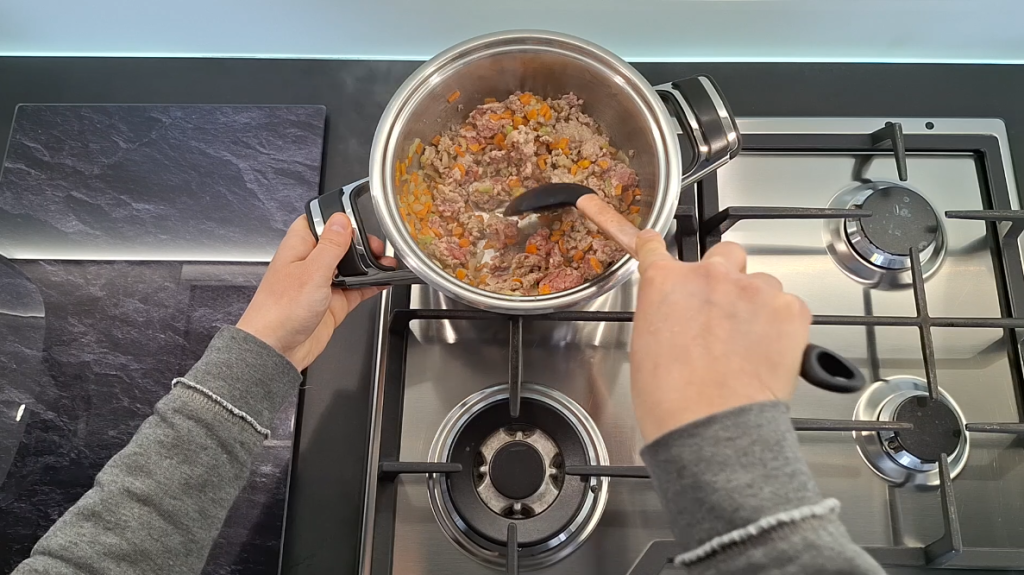
Pour in the white wine and let it evaporate completely.
If you prefer, you can omit it, but it helps give more depth to the flavor.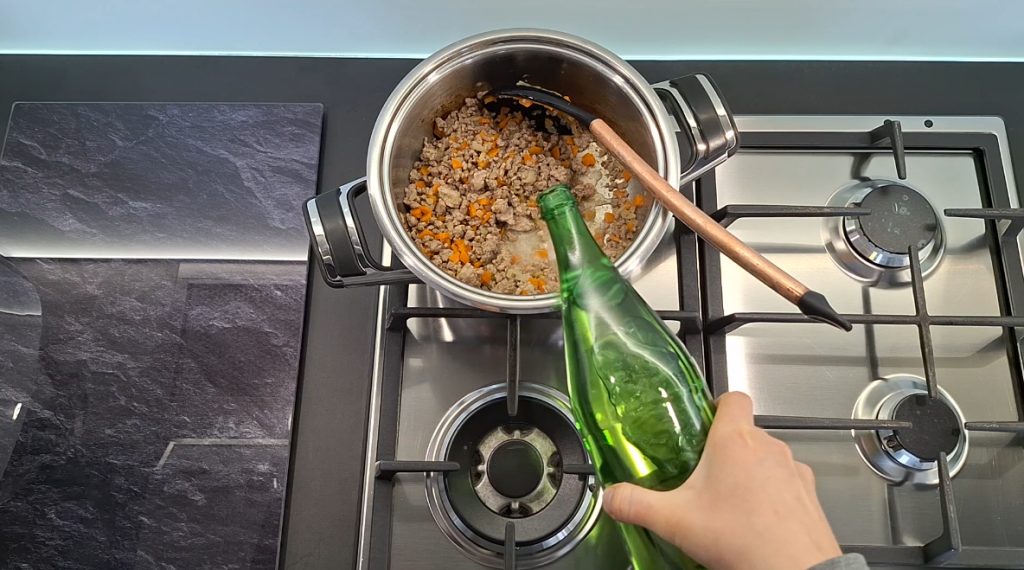
Add the tomato passata and mix well.
Season with salt and pepper if you like. Thin with a little water if you find the sauce too thick.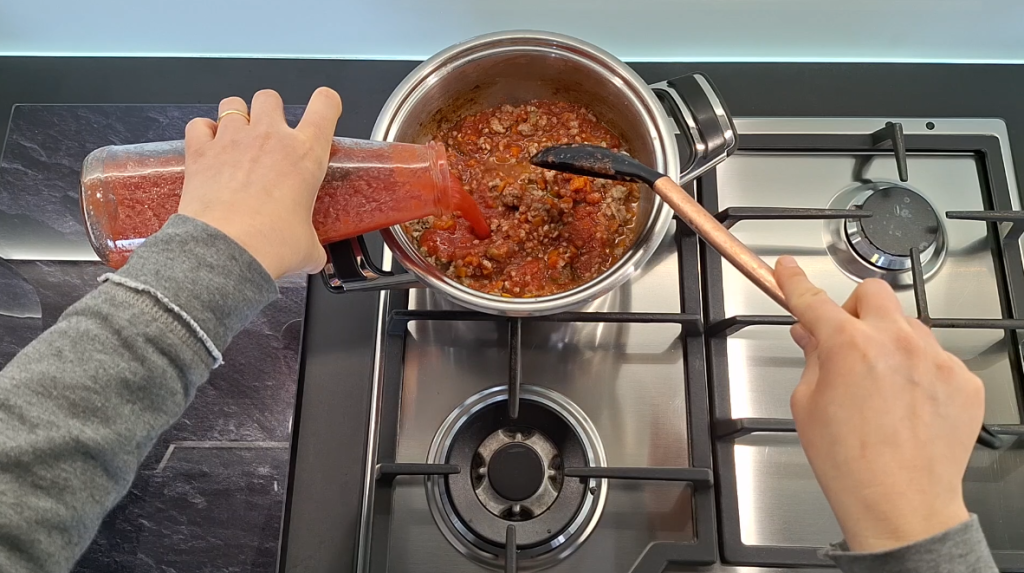
Lower the heat to the minimum and cover leaving a small gap.
Simmer over low heat for 1 hour minimum, 1 hour and a half for a richer result and up to 2 hours for an even more intense ragù.
Stir occasionally and check that it doesn’t dry out too much.
If needed, add a little hot water.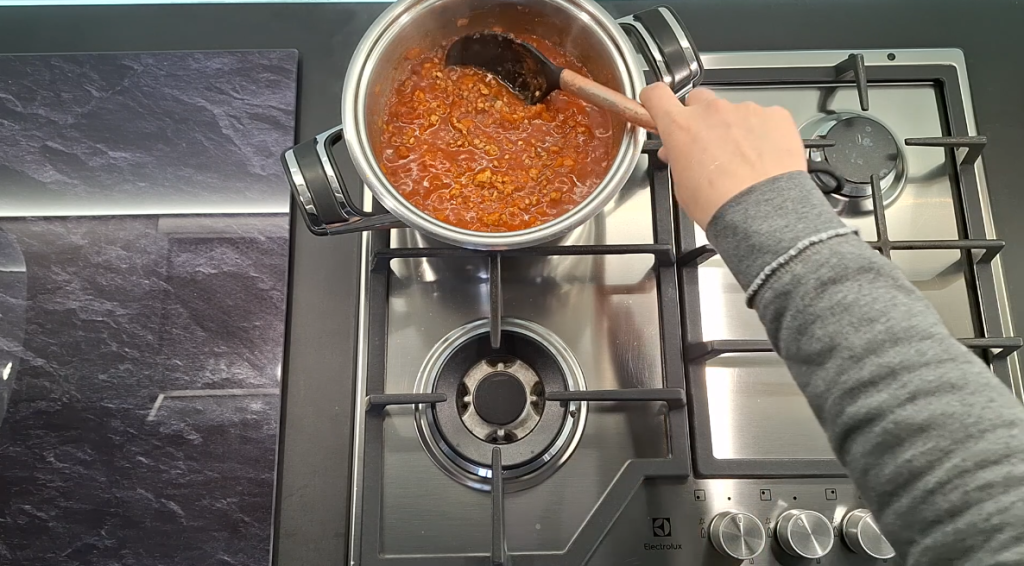
If you want to make the ragù smoother and tone down the acidity of the tomato you can add 2 tablespoons of milk in the last 5 minutes of cooking.
Perfect for:
– short or long pasta
– baked lasagna
– stuffed shells
– baked pasta dishes
– potato gnocchi
Tips for a perfect ragù
To obtain a truly flavorful ragù it’s worth taking your time starting from the soffritto. Finely chopping the vegetables and cooking them over low heat allows you to create a fragrant base without risking burning them. Don’t rush this stage: when the soffritto is nicely softened, the ragù really levels up.
Another step that makes a difference is browning the meat. At first it’s better not to stir it immediately, but leave it in contact with the hot pan for a moment. This way it develops more flavor. Only then can you break it up well with the spoon, so the ragù stays fine and evenly distributed.
During the slow cooking keep the heat low and check the consistency from time to time. The ragù should simmer gently, not boil vigorously. If you see it’s drying out too much, add a little hot water at a time: it should reduce, but remain creamy.
If you want an even rounder result, the small trick of adding milk at the end always works. You don’t taste it, but it makes the ragù silkier and less acidic.
Finally, if you can, prepare it in advance. As with many meat sauces, it’s even better the next day because the flavors have time to meld together.
FAQ – Classic meat ragù
Can I use only beef?
Yes, but with pork the ragù stays more tender.
Is wine necessary?
No, but it improves the final aroma.
Can it be frozen?
Yes, ragù freezes very well and is perfect to prepare in advance. The important thing is to let it cool completely before transferring it to containers.
Divide it into portions so you only defrost what you need, and use airtight containers or well-sealed freezer bags. In the freezer it keeps well for about 3 months while maintaining flavor and texture.
To use it, move it to the refrigerator a few hours before (or the night before) and then reheat it in a pot over low heat or defrost it in the microwave using the appropriate function. If it seems a bit thick after defrosting, just add a splash of hot water or hot broth to restore its creaminess.
Avoid refreezing after thawing.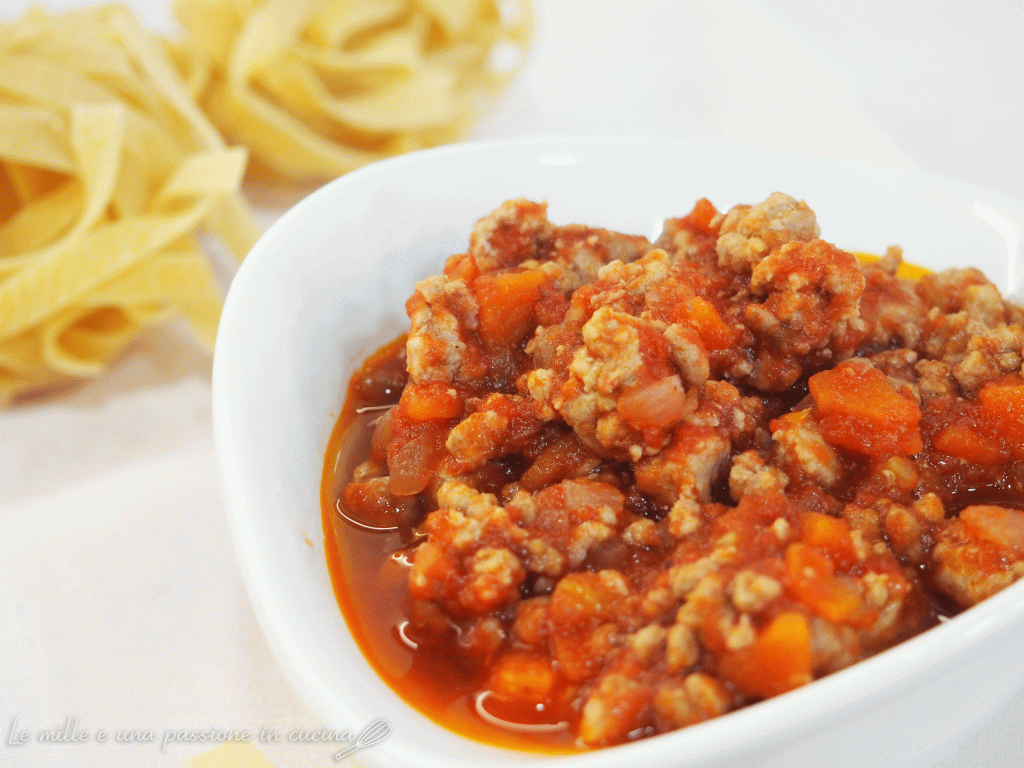
Your classic meat ragù is ready: rich, aromatic and perfect for turning even a simple plate of pasta into something truly special. With a few ingredients and a bit of patience you get a sauce that tastes just like homemade.
Try it to dress Sunday pasta, to fill shells or for a nice tray of lasagna: it will make an impression.
If you make it, let me know how it turned out… and especially what you paired it with.
