
Soft Sicilian Cartocci: the secret for the perfect brioche dough and a ricotta cream that doesn’t run
The secret for soft (and never greasy) Sicilian Cartocci
Have you ever had that magical moment in a Sicilian pastry shop when you bite into a Cartoccio and the texture of the fried brioche seems to dissolve in your mouth like a cloud?
The biggest challenge when making them at home is avoiding the pastry becoming an oil-soaked “sponge” or, worse, the dough turning gummy and heavy.
The real problem with homemade cartocci is often the moisture in the ricotta that soaks the dough or frying that’s too fast and leaves the inside raw.
In this recipe we’ll tackle how to balance the fermentation and how to work the lard — a fundamental ingredient for crispness — so it harmonizes perfectly with the gluten network.
Following my advice you’ll obtain pastries with a crunchy sugared crust and a heart so soft it’ll make top pastry chefs jealous.
Prepare the cylinders, we’re about to bring Sicily into the kitchen!
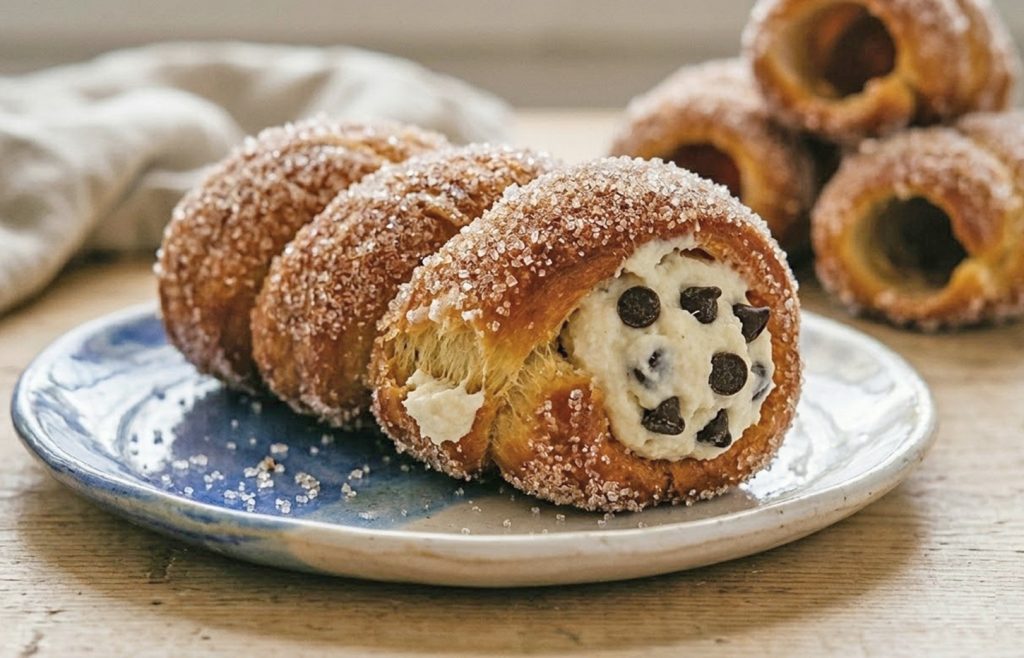
- Difficulty: Medium
- Cost: Budget
- Rest time: 4 Hours
- Preparation time: 45 Minutes
- Cooking time: 20 Minutes
- Portions: 12 pieces
- Cooking methods: Stovetop
- Cuisine: Italian
Sicilian Cartocci Ingredients
- 4 cups type 00 wheat flour
- 1 cup whole milk
- 1/4 cup granulated sugar
- 1 egg (medium)
- 2 tsp fresh brewer's yeast
- 1 tsp fine salt
- 3 1/2 tbsp lard
- 1 2/3 cups sheep's milk ricotta (well drained)
- 1 cup sugar (+ for coating)
- 1/2 cup dark chocolate chips
- as needed peanut oil (for frying)
Tools
- Kitchen Scale
- Stand Mixer
- 12 Metal Cylinders
- Bench Scraper
- Piping Bag
- Thermometer
- Sieve
How to prepare Sicilian Fried Cartocci
In a bowl (or in a stand mixer), pour the flour and the sugar. Crumble the fresh brewer’s yeast directly into the dry ingredients and add the warm milk in a thin stream. Start mixing until the liquid is absorbed, then add the salt. Add the slightly beaten egg and work vigorously until you obtain a smooth dough ball. At this point, incorporate the lard a little at a time: don’t add the next piece until the previous one has been completely absorbed into the gluten network.
Shape the dough into a smooth ball and transfer it to a buttered bowl, covering it with plastic wrap. Let it rise for about 3 hours in a warm place. Meanwhile, prepare the filling: sift the ricotta (which must be dry) into a bowl, add the sugar and mix. Let it rest in the refrigerator for 4 hours: this step is essential so the sugar dissolves and the cream becomes silky. Only at the end add the chocolate chips.
Once the dough has doubled, divide it with a bench scraper into 12 pieces of about 2.6 oz (about 75 g) each. Roll them into ropes about 12 in long by twirling on the work surface. Take the cannoli cylinders and wrap the dough around them making 3 or 4 turns, securing the ends well. Place them on a baking sheet lined with parchment, spaced apart, and let them rise covered for another hour.
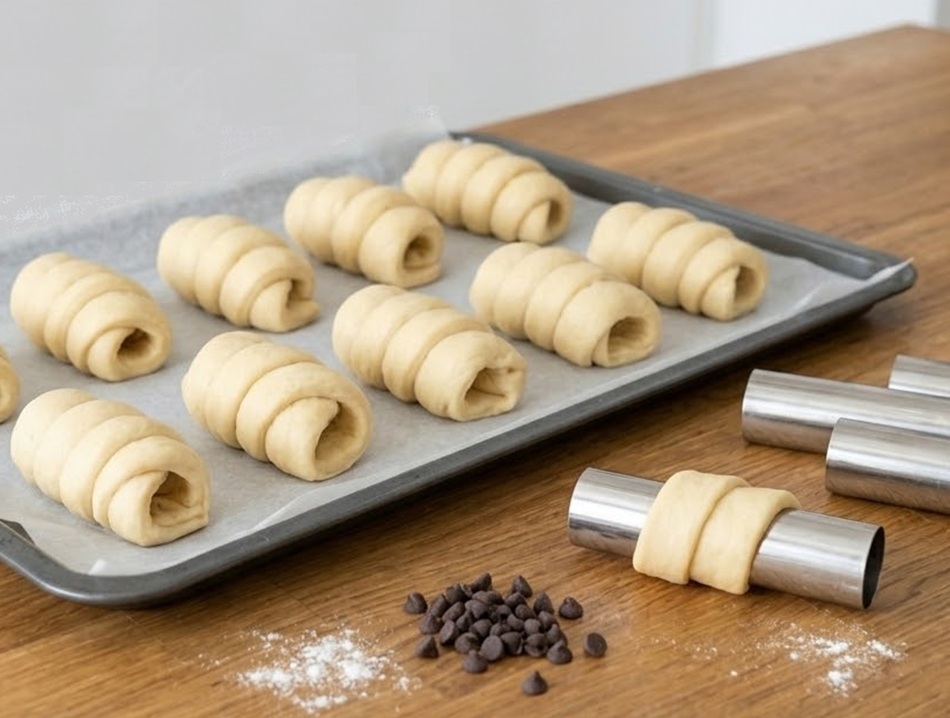
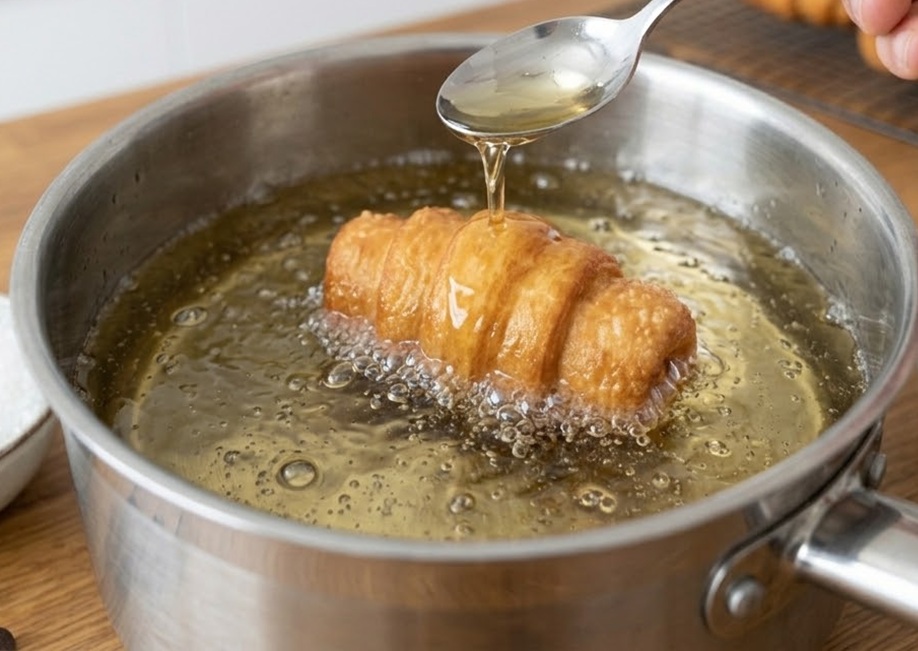
Heat the peanut oil to 329°F (165°C). Fry a few pieces at a time and brown them evenly by spooning the hot oil over the surface.
Drain on paper towels, carefully slide off the cylinder while still hot and immediately roll them in granulated sugar. When they are warm (not hot), fill them generously using the piping bag starting from the center.
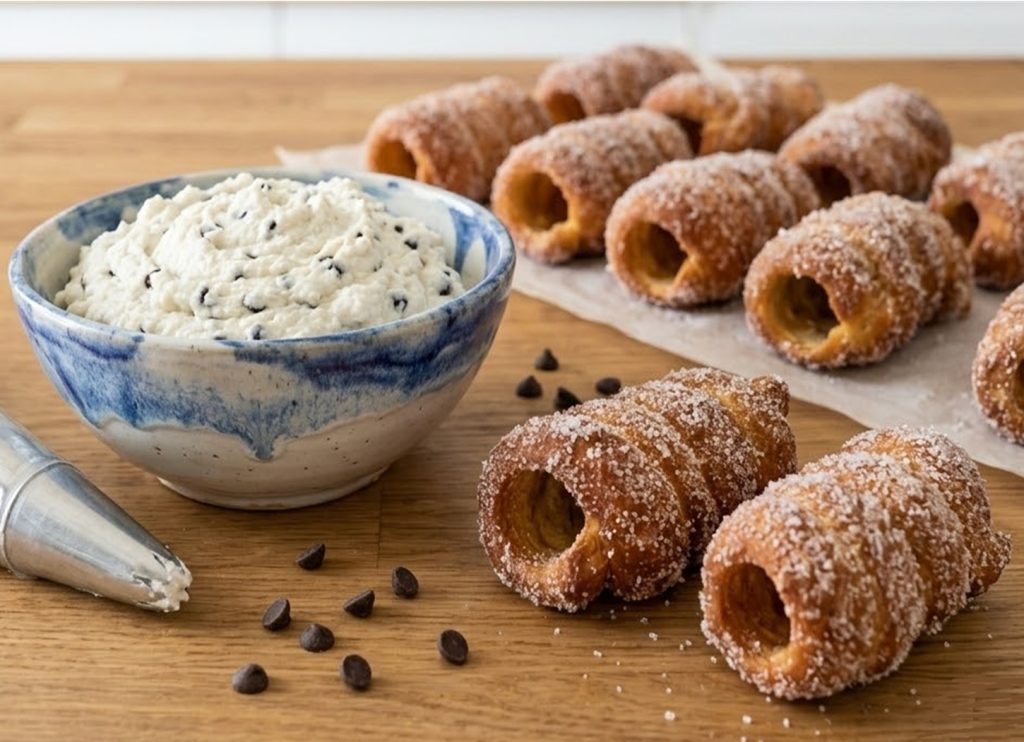
Cartocci are best enjoyed warm and freshly made.
Notes on Ingredients and Substitutions
Lard: It is the traditional fat that gives the typical post-fry flakiness. If you really don’t like it, use butter in the same amount, but know that the aroma will change slightly and the cartocci will be less “rustic”.
Ricotta: If you can’t find sheep ricotta, you can use cow ricotta provided you let it drain in a colander in the fridge for at least 12 hours: excess whey would ruin the consistency.
Storage
Cartocci should be enjoyed warm and freshly made. If you have leftovers, store the empty brioche at room temperature in a paper bag and fill them only at the moment of serving. The ricotta cream keeps in the fridge for 2 days.
Variations
Baked version: For a lighter sweet, bake at 410°F (static) for 25 minutes. Brush them with milk before baking and sugar them as soon as they come out of the oven.
The spoon trick: During frying, “watering” the cartoccio with boiling oil using a spoon helps the brioche develop those internal alveoli that make it incredibly light.
A pinch of history and curiosities
Did you know that Cartocci, born in the Palermo area, were once called “Macallè”? It seems the name derived from the city of Macallè in Ethiopia during the Italian colonial ventures. Despite the exotic name, the heart of this pastry is 100% Sicilian and represents the “soft” alternative to the classic crunchy cannolo.
FAQ (Questions and Answers)
Why did my ricotta become liquid?
This happens if the ricotta wasn’t well drained or has been overworked with a whisk. Use a spatula and slow movements after the rest with the sugar.
Can I prepare the dough the night before?
Yes, you can let it rise overnight in the refrigerator. Bring it to room temperature for an hour before forming the cylinders.
What to do if the sugar doesn’t stick well to the outside?
The trick is to roll them in sugar right after removing them from the paper towels, while they’re still hot. If they cool down, the sugar will slide off.
