
STOCKFISH in stew Genovese-style
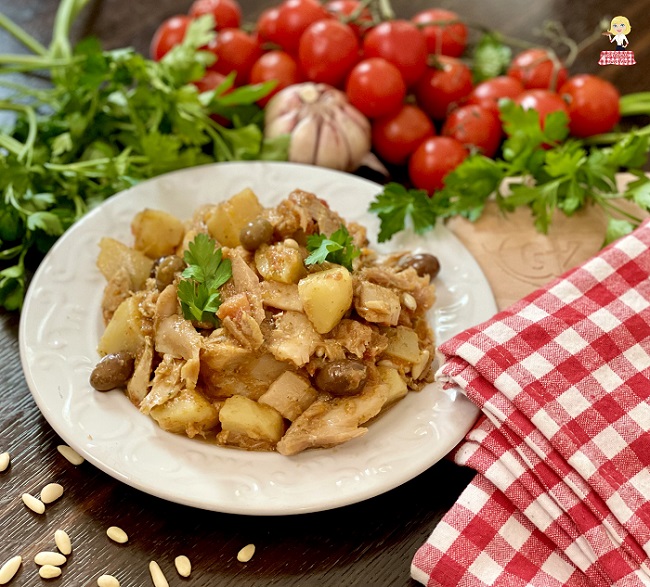
Among the dishes of the Genoese tradition you cannot miss STOCCAFISSO IN UMIDO, also known as stoccafisso accomodato (in Genoese “stocchefisce accomodou”) or Ligurian-style stockfish.
A rich fish main course in which the absolute protagonist is stockfish, that is dried cod, which after being soaked is flavored in the pan with traditional Ligurian ingredients such as Taggiasca olives, olive oil and pine nuts.
Capers in vinegar, a soffritto of vegetables, potatoes and peeled tomatoes complete and enrich this dish: a complete and nourishing plate with robust flavors, suitable for a family dinner.
In the old Genoese taverns it was mainly found on Fridays, a lean day, and as with all traditional recipes every family jealously keeps its own version: some for example add anchovies, others capers.
The recipe I propose today is from my grandmother’s old recipe notebook, which has always been used in my family, especially by my mother who is widely considered a “black belt” in stockfish, so much so that she even won a prize organized by a famous restaurant in Genoa!
A very simple preparation: the only caution concerns soaking the fish, which you can avoid by buying it already soaked; aside from that the fish should be blanched for a few minutes before being cooked, then flavored in the pan together with the other ingredients.
You will obtain a braised stockfish with firm, compact flesh, tasty and with an unmistakable flavor worthy of the best historic Genoese trattoria.
Now all that’s left is for you to discover the recipe with me. For other Genoese recipes also look at
- Difficulty: Easy
- Cost: Moderate
- Preparation time: 25 Minutes
- Cooking time: 1 Hour
- Portions: 4
- Cuisine: Italian
- Energy 403.34 (Kcal)
- Carbohydrates 29.03 (g) of which sugars 2.14 (g)
- Proteins 26.94 (g)
- Fat 22.15 (g) of which saturated 2.68 (g)of which unsaturated 8.12 (g)
- Fibers 4.94 (g)
- Sodium 726.41 (mg)
Indicative values for a portion of 250 g processed in an automated way starting from the nutritional information available on the CREA* and FoodData Central** databases. It is not food and / or nutritional advice.
* CREATES Food and Nutrition Research Center: https://www.crea.gov.it/alimenti-e-nutrizione https://www.alimentinutrizione.it ** U.S. Department of Agriculture, Agricultural Research Service. FoodData Central, 2019. https://fdc.nal.usda.gov
Ingredients
- 1 lb 5 oz stockfish (dried cod)
- 1 3/4 cups tomato passata
- 1 lb 2 oz potatoes
- 1/2 cup Taggiasca olives (pitted)
- 3 1/2 tbsp water
- 1 onion
- 1/3 cup pine nuts
- 1 carrot
- garlic (1 clove)
- 1 small bunch parsley
- 2 tbsp extra virgin olive oil
- to taste salt
RECIPE: STOCKFISH IN STEW GENOVESE-STYLE
First, cook the stockfish in boiling water for 15 minutes over low heat.
After this time remove it from the heat, drain it and let it cool slightly on a plate.
Clean the stockfish by removing the skin, taking out the backbone and any other bones, and cut it into not-too-small pieces.
Heat 2 tablespoons of extra virgin olive oil in a large pot, then add a chopped mixture of onion, garlic and carrot and sauté for a few minutes.
Meanwhile peel the potatoes and cut them into cubes, remove the pits from the olives and rinse the capers to remove excess salt or vinegar.
Add the potatoes to the pot with the sautéed vegetables and brown for another 4-5 minutes, then add the previously boiled stockfish.
Before continuing the cooking add the tomato passata, the water, the Taggiasca olives and the pine nuts.
Cook the stockfish in the stew for about 40 minutes, covered and over low heat, occasionally turning it gently being careful not to break it apart.
When fully cooked the potatoes will be softened and the sauce slightly thickened. Season with salt only at the end given the saltiness of many of the ingredients used.
Here is the STOCKFISH IN STEW GENOVESE-STYLE ready to be enjoyed.
follow my Instagram profile by clicking HERE
STORAGE
Once cooked, Genovese-style stockfish accomodato can be stored in an airtight container in the refrigerator for up to two days.
NOTES
If you decided to use already-soaked stockfish, before cooking you only need to rinse it under running water and then pat it dry.
If instead you opted for dried stockfish remember, before using it, to soak it in cold water in a closed container for at least 2 days (better 3), changing the water occasionally.
Please note that the success of the recipe depends, in addition to the quality of the fish, also on the correct soaking times.
You can adapt the recipe a little to your tastes, for example omitting the pine nuts if you don’t like them or avoiding pepper for a milder flavor.
I recommend seasoning with salt only at the end as stockfish is already a rather salty ingredient.
OTHER TYPICAL LIGURIAN RECIPES
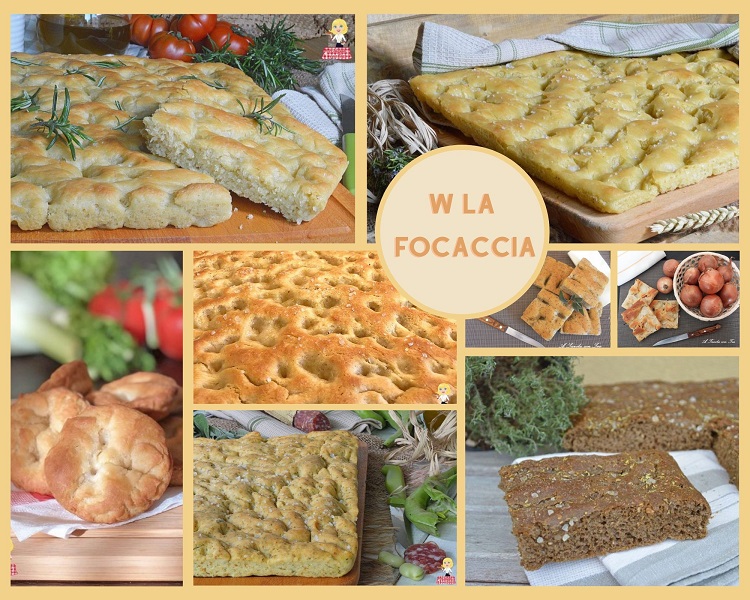
focaccia genovese
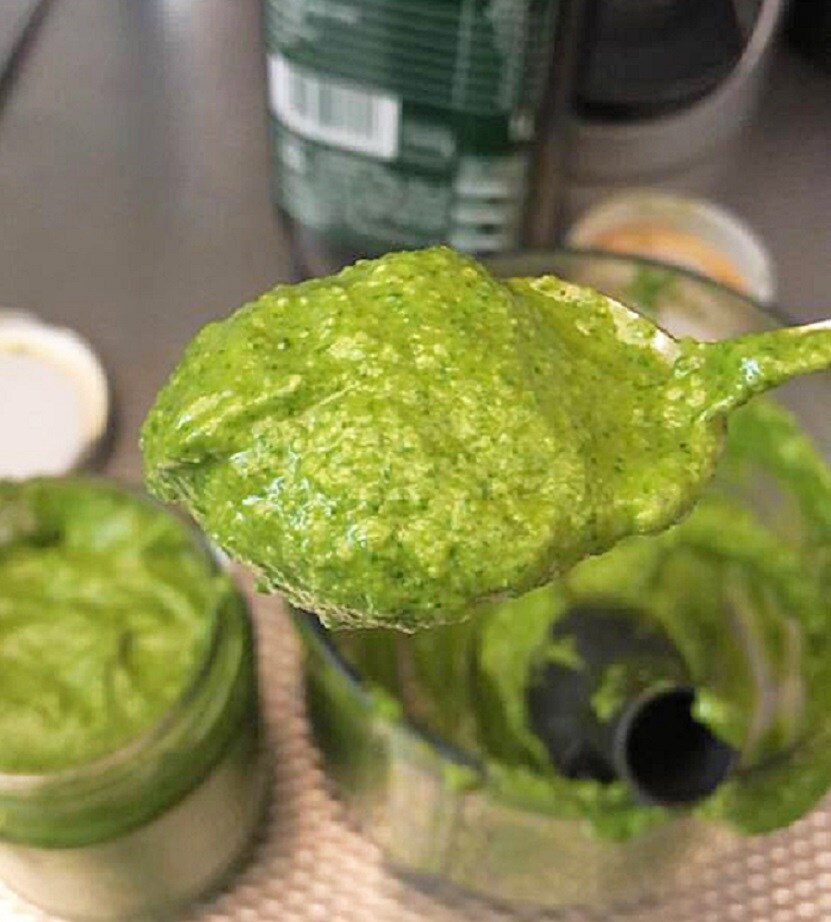
basil pesto
FAQ (Questions & Answers)
Why is it called “stoccafisso”?
The origin of the name is uncertain, to be honest. For some it derives from the English “stockfish”, meaning “fish for storage” or “reserve fish”; for others, the original word would be the Norwegian “stokkfisk”, meaning “stick fish”.
How long should stockfish stay in water?
You can also buy it dried and in that case the stockfish must be soaked before being cooked. The soaking time, which must be done strictly in cold water, varies from 7 to 12 days depending on personal preference and both the intended use in the kitchen and the size of the fish.1
What is the best part of the stockfish?
Stockfish fillet. The most prized part of the stockfish, free of bones and meatier. Suitable for all preparations, it yields delicious and refined dishes, with a light and delicate flavor.
STOCKFISH OR BURIDDA DI STOCCAFISSO
Buridda di stoccafisso is the traditional recipe rich in typical Ligurian ingredients: pine nuts, olives, anchovies, mushrooms and of course stockfish. The traditional French buridda is a mix of fish cut into small pieces and stewed with olive oil, pine nuts, mushrooms, capers, parsley and other aromatics. The stockfish buridda, also known as stoccafisso accomodato, is typical of Liguria and uses only stockfish.
