
SWEET DANUBIO easy recipe
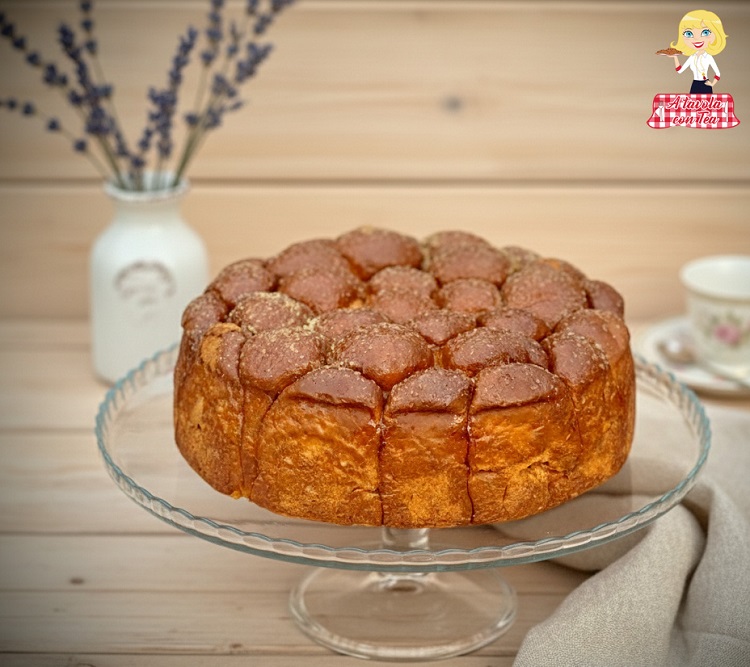
The sweet Danubio is a delicious leavened bread, a sweet variation of the classic savory Danubio. Practically it is a brioche with a very soft texture, very similar to pan brioche, made up of many small balls, either empty or filled, baked side by side in a pan.
The result is that after baking the brioche balls join to form a single elegant and very fluffy cake from which each guest can pull off their own piece.
Despite what you might think, it is a fairly simple preparation: you only need to pay attention to the rising times. The dough can also be made by hand, even without a mixer, in just a few minutes.
As with every traditional recipe there are many versions. In this case I share my family’s sweet Danubio recipe that my grandmother used to make on Sundays when she wanted to pamper us.
I chose to prepare it plain, without filling, because I love it for breakfast dipped in a nice cup of caffè latte, but you can make it a perfect dessert or afternoon snack or even an after-dinner treat by filling it as you like.
You can change the filling each time: classic pastry cream, chocolate cream, homemade jam, Nutella, or even simple pieces of chocolate are all alternatives that make the sweet Danubio suitable for every occasion.
Once baked you can leave it plain, dust the surface with powdered sugar, or pour a few tablespoons of honey over it.
Cloud-soft and with an unmistakable aroma, it is truly a delight to try for a top-notch Sunday breakfast, for an afternoon snack, to bring to school or the office, or even as a centerpiece on buffet tables at dinners and birthday parties from which everyone can pull off their own brioche.
- Difficulty: Easy
- Cost: Economical
- Preparation time: 25 Minutes
- Cooking time: 25 Minutes
- Portions: 6/8 people
- Cooking methods: Oven
- Cuisine: Italian
- Energy 418.74 (Kcal)
- Carbohydrates 69.26 (g) of which sugars 12.17 (g)
- Proteins 12.31 (g)
- Fat 11.17 (g) of which saturated 2.29 (g)of which unsaturated 7.75 (g)
- Fibers 1.95 (g)
- Sodium 648.05 (mg)
Indicative values for a portion of 125 g processed in an automated way starting from the nutritional information available on the CREA* and FoodData Central** databases. It is not food and / or nutritional advice.
* CREATES Food and Nutrition Research Center: https://www.crea.gov.it/alimenti-e-nutrizione https://www.alimentinutrizione.it ** U.S. Department of Agriculture, Agricultural Research Service. FoodData Central, 2019. https://fdc.nal.usda.gov
Ingredients
- Manitoba flour (2 cups (about 8.8 oz / 250 g))
- 00 flour (Italian type 00 / all-purpose) (2 cups (about 8.8 oz / 250 g))
- milk (1 cup (about 8.5 fl oz / 250 ml))
- sugar (1/4 cup (about 1.8 oz / 50 g))
- neutral-flavored seed oil (3 tbsp + 1 tsp (about 1.7 fl oz / 50 ml))
- dried baker's yeast (1 packet (about 2 1/4 tsp / 7 g))
- salt (1 teaspoon)
- vanillin (vanillina) (1 packet)
- egg yolk (for brushing the surface)
Tools
- 1 Bowl
Steps
Put the Manitoba flour, 00 flour, sugar, dried yeast and vanillin into a bowl or the stand mixer. Start pouring the milk little by little while beginning to work the ingredients.
Continue until you have used all the milk required by the recipe, always kneading.
You should obtain a homogeneous dough (it will take about 5 minutes if you use a stand mixer, twice as long if you work by hand).At this point add the salt and work it in until incorporated.
Finally, pour the seed oil little by little, always continuing to knead.
You should obtain a smooth and soft dough (this will take approximately 10–15 minutes).Transfer the dough to a bowl, make a cross-shaped cut on the surface and let it rise covered with a cloth until doubled (about 2 to 2.5 hours depending on the season and room temperature).
After the rising time, divide the dough into 16 balls of about 1.8 oz each (approximately 50 g each).
Place the dough balls in a baking pan next to each other (they will attach to each other as they rise and form the classic Danubio cake shape).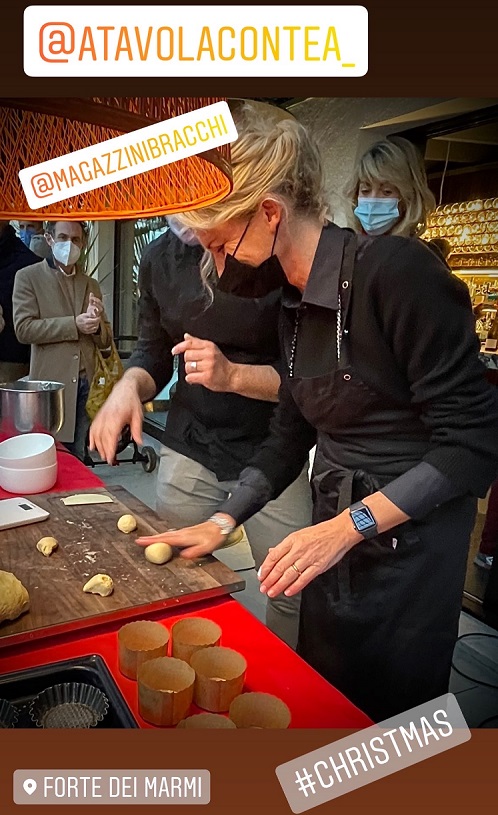
Let the dough rise again for another half hour in a warm place.
After the second rise, brush the surface with the egg yolk previously mixed with a little milk.
Bake the Danubio in a preheated static oven at 356 °F for about 20–25 minutes, until nicely golden (the one in the photo is a little overbaked…).Let it cool before serving. It pairs excellently with zabaglione cream—try it, a real indulgence.
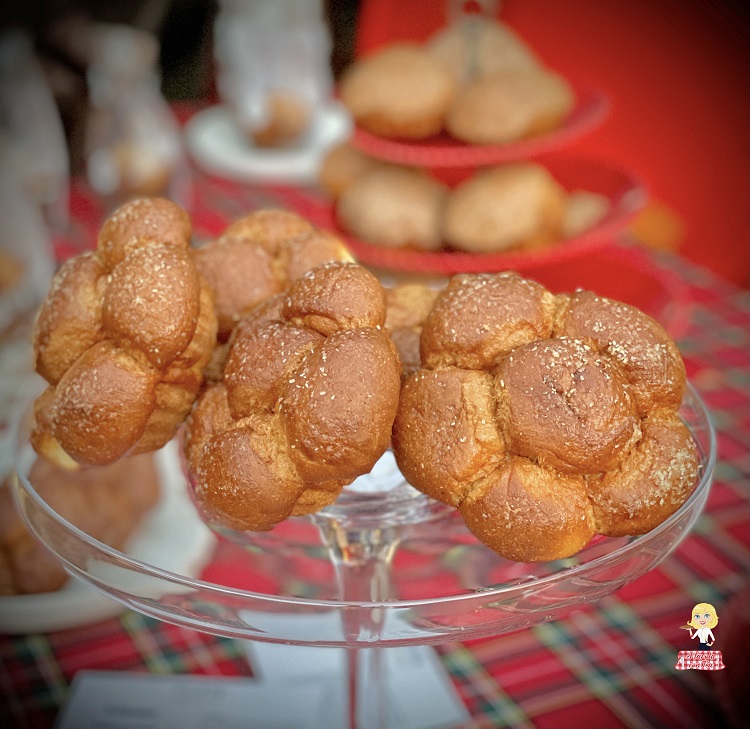
If you prefer, you can also make small individual Danubio portions, perfect for a buffet.
STORAGE
The sweet Danubio, if we want it to remain soft and not dry out, should be consumed the same day it is prepared. However, it can be frozen and taken out as needed, perhaps warming it slightly in the microwave or oven before eating.
