
Classic and Gluten-Free Torta Tenerina (Flourless): Original and Extra-Soft Recipe
Get ready to fall in love (again!) with one of the most iconic and simple cakes of our tradition: the Torta Tenerina.
Yes, that Ferrara marvel with a thin crust and an incredibly molten center that melts in your mouth at the first bite. Today I present it in its classic version, with a twist that makes it truly inclusive and modern: it is naturally gluten-free!
Forget complicated flours. Here we use potato starch, a magical ingredient that not only makes it perfect for those with gluten intolerance (yes, even ideal if you’ve some leftover Easter chocolate!), but is also the key to its unique texture.
That slightly “chewy” and moist touch that gave it the name Torta Tàgliana (Sliced Cake) in the Ferrarese dialect.
This is not just a recipe: it’s a hug, the smell of home spreading through the kitchen and a promise of guaranteed success, even if you’re a beginner. The preparation is disarmingly simple, requiring few steps and even less stress.
Dedicated to all dark chocolate lovers and those seeking a dessert that tastes of tradition and lightness at the same time.
Follow my tips step by step and get ready to serve the cake that will earn you compliments from everyone. Don’t forget to store it properly to keep its melting texture intact!
Ready to bake happiness? Let’s go!
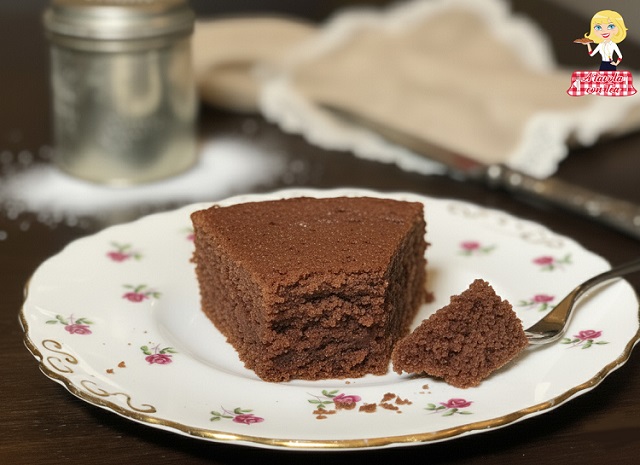
- Difficulty: Very easy
- Cost: Budget-friendly
- Preparation time: 15 Minutes
- Cooking time: 40 Minutes
- Portions: pan diameter 9/9.5 in
- Cooking methods: Oven
- Cuisine: Italian
Ingredients for TORTA TENERINA
- 14 oz dark chocolate
- 6 eggs
- 7 oz butter (about 7/8 cup or 1¾ sticks)
- 5 oz potato starch
- 1 cup granulated sugar
- 3/4 cup milk
- 1 pinch salt
Tools
- Bowl
- Electric whisk
- Small saucepan
- Springform pan
- Spatula
Procedure for Torta Tenerina
Melt the dark chocolate together with the butter and the milk in a double boiler or in the microwave. Stir until you obtain a smooth, homogeneous cream. Let it cool slightly.
Separate the yolks from the whites. Whip the egg whites until stiff peaks with a pinch of salt. In a separate bowl, beat the yolks with the sugar until pale and fluffy.
Gently add the potato starch to the yolk-and-sugar mixture, stirring until it is fully absorbed and there are no lumps.
Fold the yolk mixture (with the starch) into the whipped egg whites. Combine the two mixtures with a spatula, using slow movements from top to bottom. Do not use a mixer, otherwise the fluffy texture will deflate.
Add the melted chocolate (now warm, not hot) to the rest of the batter. Stir again with the spatula, gently, until the chocolate is fully incorporated and the batter is glossy and homogeneous.
Line a pan (about 9.5–10.25 in) with parchment paper. Do not butter or flour to preserve the cake’s gluten-free nature. Pour in the batter and bake in a preheated static oven at 356°F for about 40 minutes.
Do the classic toothpick test: if it isn’t completely set but the surface risks burning, gently cover with a sheet of aluminum foil. Remove from the oven and let cool completely before serving and, if desired, dust with powdered sugar.
Notes on Ingredients and Substitutions
Ingredient Notes
The potato starch is the real star that ensures the “tender” gluten-free texture of the cake. Do not replace potato starch with rice flour or cornstarch if you want to keep the typical texture. For an excellent result, use a good dark chocolate with a cocoa percentage between 50% and 70%; if you use very bitter chocolate (over 80%), you may need to add 1-2 tablespoons more sugar.
Substitution Tips
Butter: can be substituted with 150 g of vegetable oil (sunflower or peanut) for a lighter and lactose-free version. Use about 150 g (about 2/3 cup or 5 fl oz).
Milk: can be replaced with plant-based milk (rice, almond, or soy) to make it completely lactose-free. Quantities remain the same.
Eggs (Vegan/Vegetarian Version): It’s difficult to replicate the Tenerina without eggs (essential for structure), but if you want to try a vegan version, replace the butter with vegetable margarine, the milk with plant-based milk and the 6 eggs with 2 “Flax Eggs” (2 tablespoons of ground flaxseed + 6 tablespoons of water, left to rest) and 2 teaspoons of baking powder. Note: the final texture will not be identical to the original.
Storage
The Tenerina keeps well at room temperature (under a cake dome or well covered) for 3-4 days. It is not recommended to store it in the refrigerator, as the cold tends to harden the butter and chocolate, making the cake less tender and molten. If you must refrigerate it, remember to take it out at least one hour before serving.
Variations and Alternatives
Torta Tenerina with Rum (Intense Flavor)
Add 1-2 tablespoons of rum or cognac (or vanilla extract) to the melted chocolate mixture before combining with the rest of the ingredients. This will enhance the chocolate flavor and give it an adult touch.
White Torta Tenerina (Indulgent Variation)
Replace the dark chocolate with 10.5 oz of good-quality white chocolate. Keep the other ingredient quantities unchanged. The result will be a cake with a more delicate and sweet flavor.
Mini Individual Tenerine
Instead of a large pan, pour the batter into muffin tins or mini cake molds. Reduce the baking time to about 20-25 minutes at 356°F. They are perfect to serve as plated desserts!
Pairings and Uses
The Tenerina is a versatile dessert, perfect for any time of the day. Serve it:
For Breakfast or an Afternoon Snack: With a glass of warm milk or a good tea.
As a Dessert: It’s sublime dusted with powdered sugar or with a dollop of unsweetened whipped cream. For a warm-cold contrast, serve it with a scoop of vanilla ice cream or fiordilatte.
Expert Pairings: It pairs divinely with a small glass of Passito di Pantelleria or another sweet dessert wine. If you prefer spirits, try the classic pairing with an aged rum.
Origins and History of the Cake
The Torta Tenerina, or Torta Tàgliana, was born in Ferrara at the beginning of the 20th century in honor of Queen Elena of Montenegro, wife of King Vittorio Emanuele III. The queen was known for her “tender” spirit and delicacy, qualities perfectly represented in this unique dessert: a cake with a soft heart and a discreet surface (the crust). It is a symbol of Ferrara pastry-making, delighting palates across Italy for over a century with its simple but unmatched melt-in-the-mouth quality.
The Secret for a Super-Molten Center
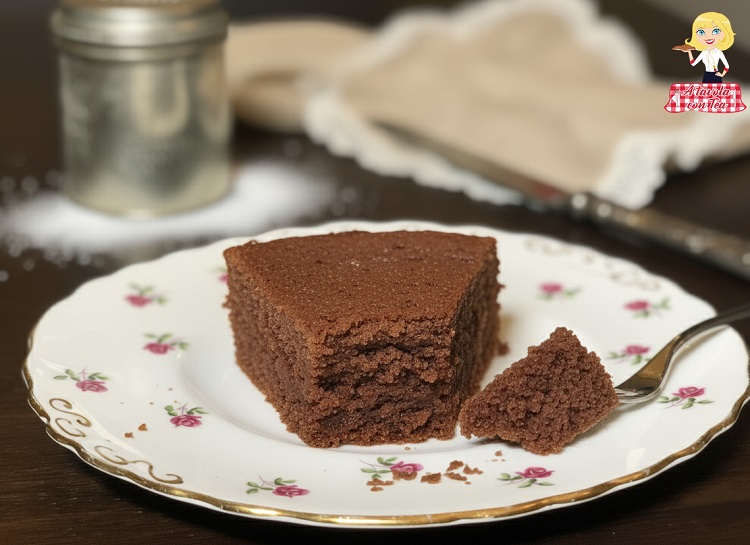
The Tenerina must not be overbaked! The secret of its success is its moist and almost creamy center. The toothpick test here should not give a perfect result like for a sponge cake: the toothpick should come out slightly moist, with some crumbs attached. If it bakes too long, it becomes too dry and loses its magic. Start checking from 35 minutes to ensure maximum tenderness.
FAQ (Questions and Answers)
Why did my Tenerina come out dry?
Most likely it was baked for too long or at too high a temperature. The Torta Tenerina, unlike other cakes, must remain moist inside. Remove it from the oven when the surface is cracked but the toothpick (or a skewer) still comes out slightly stained with moist batter.
Can I use brown sugar?
Absolutely! You can replace granulated sugar with the same weight of brown sugar, preferably a fine variety (like Muscovado or Demerara) so as not to alter the batter’s texture too much. The flavor will be slightly more caramelized, an extra rustic touch!
Should I beat the whole eggs?
No, to achieve the ideal crust and tender center it is essential to whip the egg whites separately until stiff. This step incorporates air, creating the cake’s structure without the need for leavening, ensuring the external crust and keeping the interior compact and moist.
