The pimpinella, a wild herb still little known, is a surprising ingredient for many fresh, springtime recipes. Its young leaves are used raw in salads, sauces, dressings and even summer beverages, or to flavor vinegar, butter and fresh cheeses.
The flavor is delicate and distinctive: it recalls cucumber (or more precisely the outer rind of watermelon), with a slightly tart note, a hint of spice and a vague reminiscence of the fresh walnut kernel, which makes it versatile and original in the kitchen. In recipes it’s best to use the tenderest leaves, because mature ones tend to become more bitter; when harvested at the right time, this wild herb provides freshness and a truly unique aromatic touch.
“A salad is neither good nor beautiful without pimpinella” is a traditional saying related to cooking. Pimpinella is considered essential to make a salad tasty and inviting. It derives from peasant culinary tradition, where everyday experience led to valuing this wild herb as an indispensable ingredient.
“Eat garlic and pimpinella and you will live longer” is a popular expression emphasizing the health benefits of these two plants. Garlic is known for antibacterial, anti-inflammatory and cardiovascular properties, while pimpinella, a wild herb rich in vitamins, minerals and antioxidants, aids digestion and provides beneficial substances for the body.
In practice, the proverb suggests that including these simple, natural foods in the daily diet can help maintain health and, symbolically, live longer, valuing the idea that good nutrition is the basis of well-being.
Name: Pimpinella is scientifically known as Sanguisorba minor (formerly Poterium sanguisorba), and belongs to the Rosaceae family. The epithet minor distinguishes it from Sanguisorba officinalis, the greater burnet.
It should not be confused with the genus Pimpinella, such as Pimpinella anisum (anise), which belongs to the Apiaceae.
Common and dialect names: Anguriera, bipenula, bibinella, bipinella, burnet, cieusu, walnut-herb, spice-herb, star-herb, meloncello, pibenella, pimbinella, pimpinele, pimpinel, pimpinela, pimpinella, pampinella, pampinedda, pempinela, olmet, olmetto, ourmet, salbastrella, salvastrella, smooth salvastrella, lesser salvastrella, hairy salvastrella, sanguisorba, serbastretla, sciapa pere, sciapa preja, siseretto, sorbastrella, red velvet, country pimpinedda.
SEASON of #pimpinella: tender leaves are harvested in spring and autumn.
RECIPES with spring wild herbs:
- Difficulty: Easy
- Cost: Budget-friendly
- Preparation time: 10 Minutes
- Portions: 2 Servings
- Cooking methods: No cooking
- Cuisine: Italian
- Seasonality: Spring, Autumn
- Energy 118.50 (Kcal)
- Carbohydrates 3.24 (g) of which sugars 1.26 (g)
- Proteins 1.84 (g)
- Fat 11.50 (g) of which saturated 1.54 (g)of which unsaturated 2.15 (g)
- Fibers 1.80 (g)
- Sodium 213.79 (mg)
Indicative values for a portion of 100 g processed in an automated way starting from the nutritional information available on the CREA* and FoodData Central** databases. It is not food and / or nutritional advice.
* CREATES Food and Nutrition Research Center: https://www.crea.gov.it/alimenti-e-nutrizione https://www.alimentinutrizione.it ** U.S. Department of Agriculture, Agricultural Research Service. FoodData Central, 2019. https://fdc.nal.usda.gov
Salad with Pimpinella
- 3/4 cup pimpinella herb (or bibinella)
- 2 cups baby lettuce, fresh (or arugula, young dandelion greens)
- 6 radishes (or carrots, raw fennel – about 3 oz (approx. 80 g) total)
- 1 tbsp sunflower seeds (or pumpkin seeds, or chopped walnuts)
- to taste fine salt
- 1/2 tbsp apple cider vinegar (or balsamic or wine vinegar)
- 1 tbsp extra virgin olive oil
Using pimpinella in the kitchen
How to prepare the leaves: simply gently pull the individual leaflets off the central stem, starting from the base or, better, from the tip of the main petiole. The leaves closer to the base of the stem are larger, while those toward the tip become smaller.
Consume raw because cooking makes it bitter.
The pretty flower heads are also edible.
Watch the video How to care for and use PIMPINELLA in the kitchen
Attention
🍀Never boil pimpinella, it loses all its aroma
🍀Drying is not recommended because the flavor deteriorates
🍀Use only young, tender leaves (old ones are bitter)
Salad with pimpinella
Wash and dry all the ingredients carefully, combine the sliced vegetables and the pimpinella leaflets, add the seeds, then season first with salt, then with the vinegar and finally with the oil, mixing gently.
Ingredients: 10.6 oz new potatoes (about 300 g), 0.5 oz fresh pimpinella (about 15 g), 0.5 oz butter (about 15 g), a pinch of salt (about 2 g)
Procedure: boil the potatoes with their skins on, peel and cut into cubes, mix them while still hot with the butter, pimpinella leaflets and salt. Serve immediately.Ingredients: 1 cup fresh pimpinella (about 30 g), 3 tbsp pine nuts (about 30 g), 4 tbsp nutritional yeast flakes or grated Parmesan (optional, about 20 g), 3 tbsp + 1 tsp extra virgin olive oil (50 ml), 1 garlic clove, salt to taste
Procedure: chop the pimpinella leaflets with the pine nuts and garlic in a food processor, add the oil until you obtain a smooth cream, season with salt and optionally add nutritional yeast flakes or grated cheese.Ingredients: 5.3 oz seasonal fruit (spring: apricots, cherries, strawberries; autumn: figs, apples, pears, grapes), 0.35 oz fresh pimpinella (about 10 g), 2 tsp honey (about 10 g), juice of half a lemon
Procedure: cut the fruit into pieces, add the pimpinella leaflets, dress with honey and lemon juice, mix gently and serve cold.Ingredients: 3.5 oz plain yogurt (about 100 g), 0.35 oz chopped fresh pimpinella (about 10 g), 1 tsp extra virgin olive oil and salt
Procedure: mix the yogurt with the chopped pimpinella and the oil, adjust salt and serve as a fresh sauce for vegetables or potatoes.Ingredients: 3.5 oz spreadable fresh cheese (chevre, casatella, crescenza, quark, soft ricotta, robiola, stracchino) (about 100 g), 0.35 oz chopped fresh pimpinella (about 10 g), 1 tsp extra virgin olive oil and salt
Procedure: mix the cheese with the chopped pimpinella and the oil, adjust salt, serve as a spread on bread, crackers or raw vegetables.Ingredients: 4 1/4 cups water (1 L), 0.35 oz fresh pimpinella (about 10 g), lemon or other citrus slices, mint leaves
Procedure: wash the pimpinella leaves and the other ingredients. Put everything in a pitcher with the water, let infuse for at least 2 hours in the refrigerator.Serve cold and consume within 2 days of preparation.
STORE fresh pimpinella leaves
Store fresh pimpinella in the fridge, in the vegetable drawer, wrapped in a damp cloth: it keeps for up to 3 days. For the freezer, chop the leaves and put them into ice cube trays with a splash of water: they can be stored up to 3 months.
FAQ (Questions and Answers)
How to recognize the pimpinella herb?
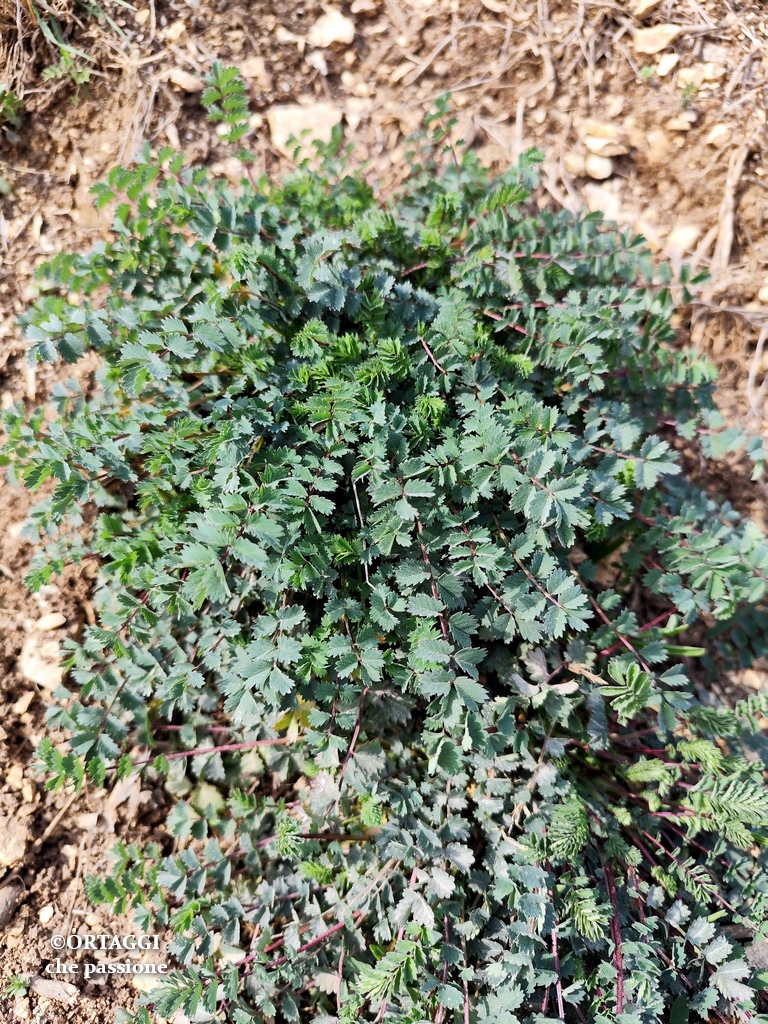
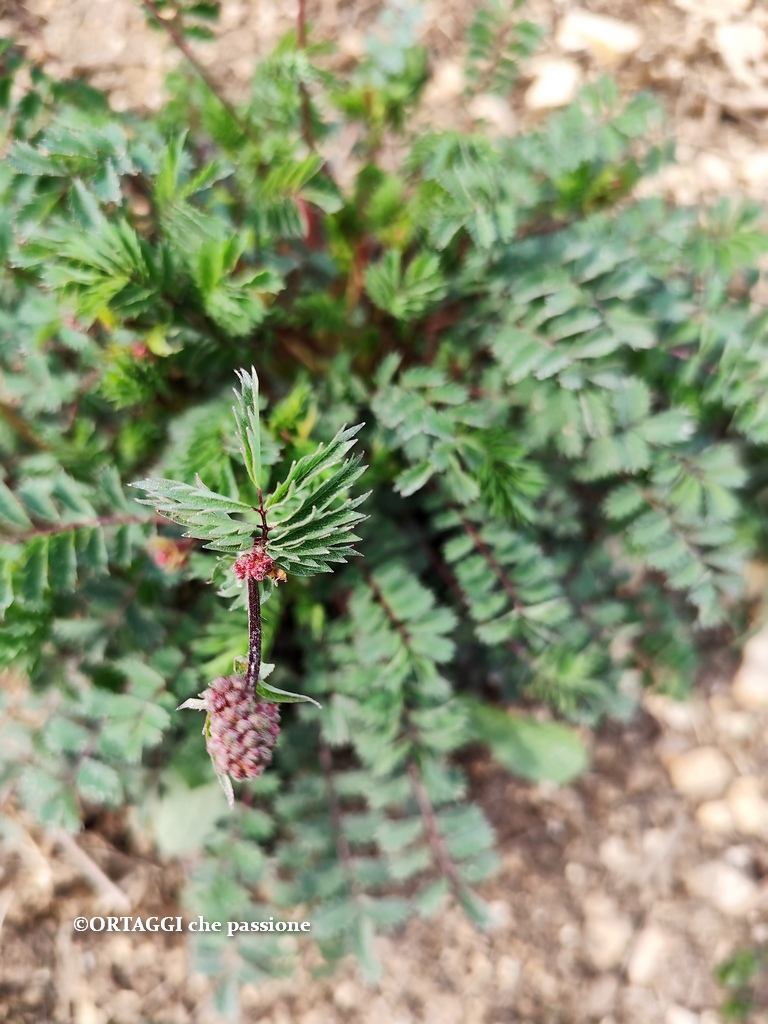
It is a perennial plant of the Rosaceae family that can live for many years in the same locations. It appears with a basal rosette of green leaves: in young plants the rosette is flatter to the ground, while in mature specimens it becomes more upright. Each leaf can reach about 8 inches (≈20 cm) and is composed of numerous oval, sharply toothed and slightly hairy leaflets; each small leaflet is attached to the main petiole by a short secondary petiole. The color ranges from green to bluish-green, especially when the plant grows in stony meadows or on sunny rocks, while the underside of the leaflets is glaucous, tending toward gray-green.
The young leaves are more tender, aromatic and have a delicate flavor reminiscent of cucumber with a slight hint of walnut kernel. The plant grows low and compact, with the central stem barely visible. Rubbing a leaf gently between your fingers immediately releases its fresh, characteristic scent, which helps to recognize it with confidence.
It could be confused with Tordylium apulum (Puglian umbellifer), some species of the genus Pimpinella (family Apiaceae) and with Oenanthe pimpinelloides, fortunately all non-toxic species but less prized for culinary use.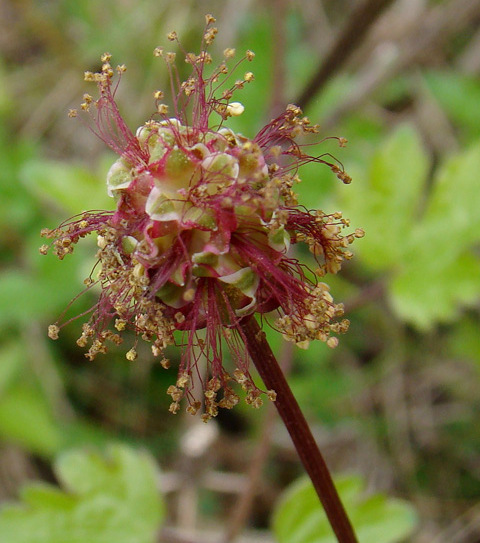
Where is it found?
Pimpinella grows wild from sea level up to the mountains (rarely up to 2000 m a.s.l.). It can be found in many environments: among ruins, on dry embankments or in cereal fields. It is a hardy, perennial plant, so it can reappear in the same places year after year.
How to harvest bibinella?
To collect pimpinella correctly, it’s better to choose the youngest, tenderest shoots coming from the basal rosette, because they are the least bitter. The stems with leaflets can be picked by hand or cut gently with clean scissors, avoiding damaging the plant and allowing it to regrow.
Harvest preferably during the cool hours of the day, such as early morning, to preserve maximum aroma and freshness.
Video to recognize itWhat are the properties?
The young leaves contain vitamins, especially vitamin C, and minerals such as potassium, calcium and iron, and are rich in polyphenols and tannins, which give them antioxidant and slightly astringent properties.
Thanks to these characteristics, pimpinella can help digestion, support the immune system and contribute to fighting free radicals. It is also appreciated in the kitchen for its aromatic properties that stimulate the appetite.What are the contraindications?
Contraindications are generally limited, as it is a wild herb mainly eaten raw in small amounts. However, consider the following points:
🍀 those with Rosaceae allergies (such as apples, cherries, peaches) may experience skin or digestive reactions
🍀 there are not enough data on effects during pregnancy or breastfeeding, so it is advisable to consume it in moderation
🍀 excessive use of very mature leaves may be slightly bitter and irritating for the stomach in sensitive individuals
🍀 in case of bleeding disorders or use of anticoagulant medications, it is always better to consult your doctor, even though pimpinella is not known for strong effects on the blood.
In general, consumed fresh and in normal amounts in salads, dressings or sauces, pimpinella is considered safe.