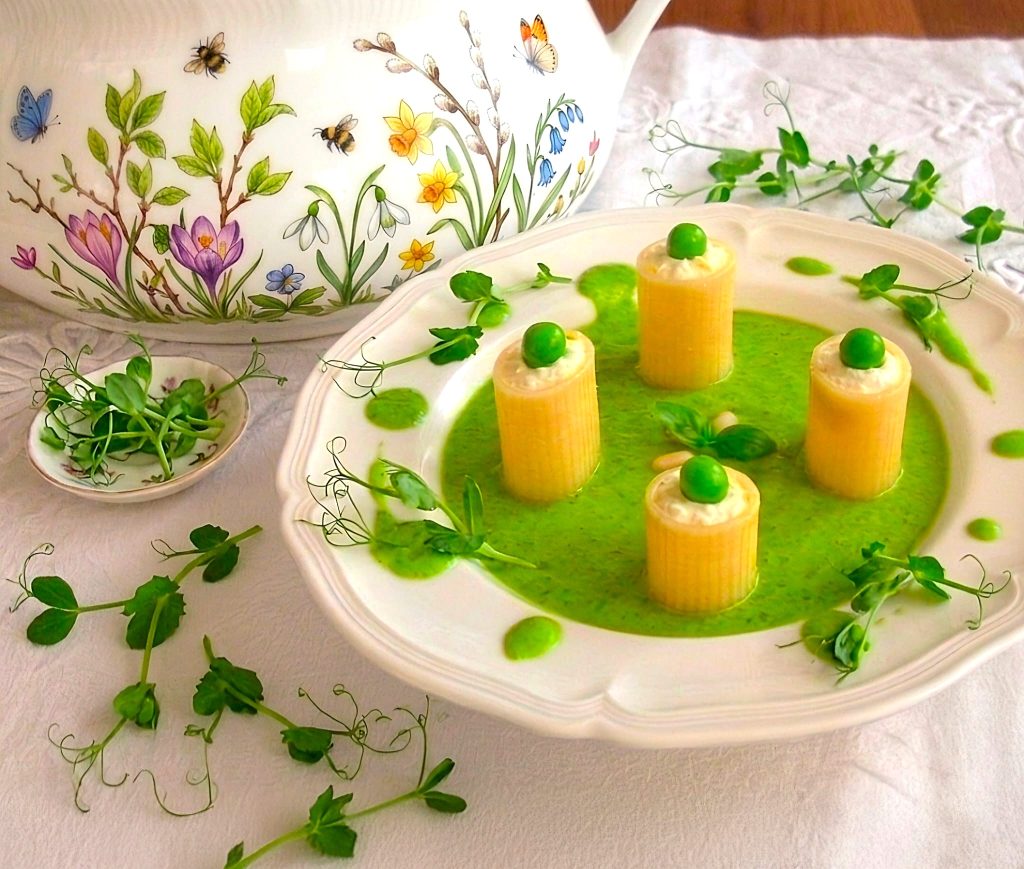
Standing Paccheri with Ricotta Cream on a Pea Velouté: an architecture of flavors that celebrates spring, where the sweetness of the legumes meets the soft freshness of the ricotta mousse in an elegant play of textures and colors.
“Standing Paccheri with Ricotta Cream on a Pea Velouté” is a first course that transforms pasta into a small gastronomic sculpture. The tenacious texture of Gragnano paccheri meets the softness of a delicately scented ricotta mousse, all resting on a velvety purée of fresh peas with a bright green color.
Pea shoots and small basil leaves complete the dish, giving a fresh herbal note reminiscent of a blooming garden.
This recipe plays on contrasts: the sweetness of the legumes, the balanced saltiness of the cheese, and the theatrical verticality of the presentation.
Thoughts for you:
- Difficulty: Very easy
- Cost: Economical
- Preparation time: 20 Minutes
- Cooking time: 30 Minutes
- Portions: 4
- Cooking methods: Boiling
- Cuisine: Italian
- Seasonality: Easter, Spring
- Energy 459.50 (Kcal)
- Carbohydrates 34.93 (g) of which sugars 5.52 (g)
- Proteins 22.34 (g)
- Fat 25.85 (g) of which saturated 12.00 (g)of which unsaturated 6.19 (g)
- Fibers 5.80 (g)
- Sodium 519.47 (mg)
Indicative values for a portion of 300 g processed in an automated way starting from the nutritional information available on the CREA* and FoodData Central** databases. It is not food and / or nutritional advice.
* CREATES Food and Nutrition Research Center: https://www.crea.gov.it/alimenti-e-nutrizione https://www.alimentinutrizione.it ** U.S. Department of Agriculture, Agricultural Research Service. FoodData Central, 2019. https://fdc.nal.usda.gov
Ingredients
Let’s go shopping
- 9 oz paccheri (dried Gragnano, bronze-cut pasta) (from Gragnano, bronze-cut)
- 1 1/4 cup ricotta (cow or sheep (very well drained))
- 1.4 oz Parmesan (finely grated)
- 1 tbsp heavy cream ((optional, only if the ricotta is too dry))
- lemon zest (grated from half a lemon (for a fresh note))
- to taste salt
- to taste white pepper
- 1 pinch nutmeg
- 2 cups peas (fresh or frozen (shelled))
- Half onion
- 1 bouillon cube
- 3/4 cup water
- 1 1/2 tbsp butter
- 1 1/2 tbsp extra virgin olive oil
- 1 oz Parmesan (finely grated)
- to taste salt
- to taste pepper
- to taste pea shoots
Standing Paccheri with Ricotta Cream on a Pea Velouté
Tools
what we need to prepare
- 2 Pots
- 1 Hand blender
- 2 Bowls
- 1 Sieve
Steps
Let’s get cooking
The first thing to make is the ricotta mousse.
Procedure
To obtain that firm, velvety texture you see in the photo—capable of supporting a pea on top without collapsing—the ricotta must be worked carefully.
Draining (Essential): At least one hour before (or better the night before), place the ricotta in a fine-mesh strainer or its mould in the refrigerator, elevated so it can lose liquid. It must lose all residual whey to become dense and not watery.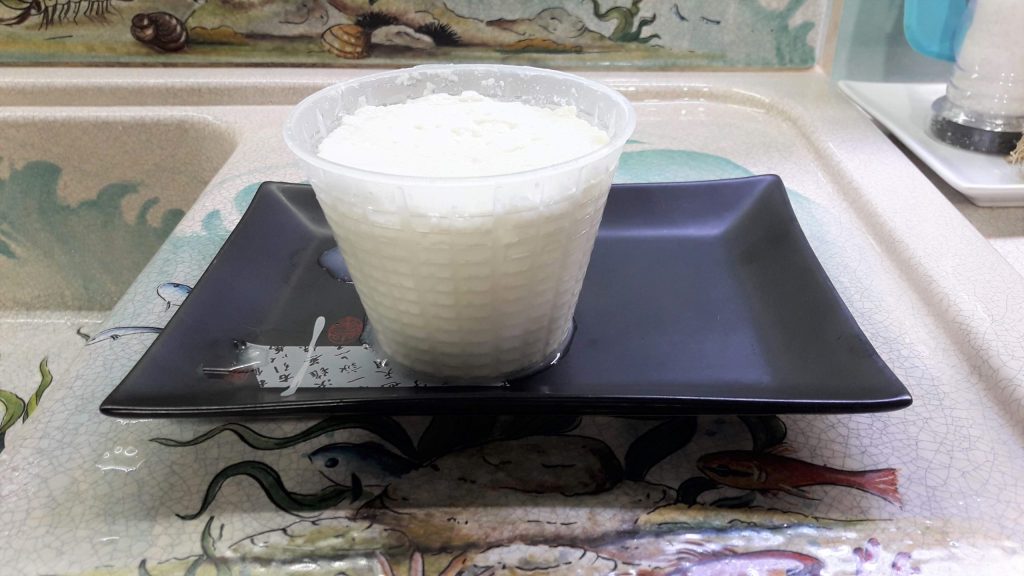
Sieving: Pass the ricotta through a fine sieve or vigorously work it with a whisk.
This step is the secret to remove lumps and turn it into a “mousse” as smooth as silk.
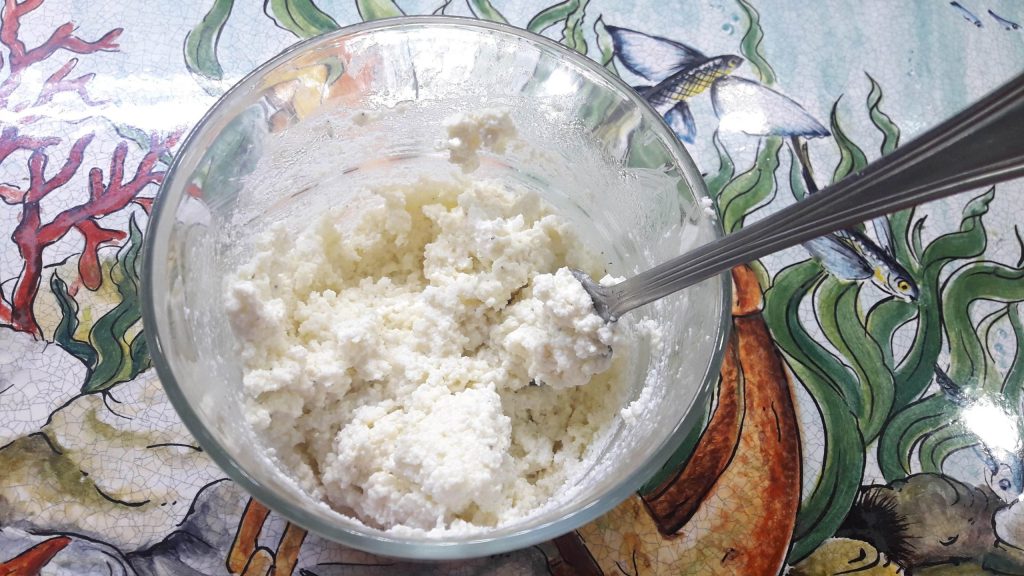
Seasoning: In a bowl, combine the ricotta with the Parmesan, finely grated lemon zest, salt and white pepper (we use white pepper so as not to “stain” the cream’s whiteness).
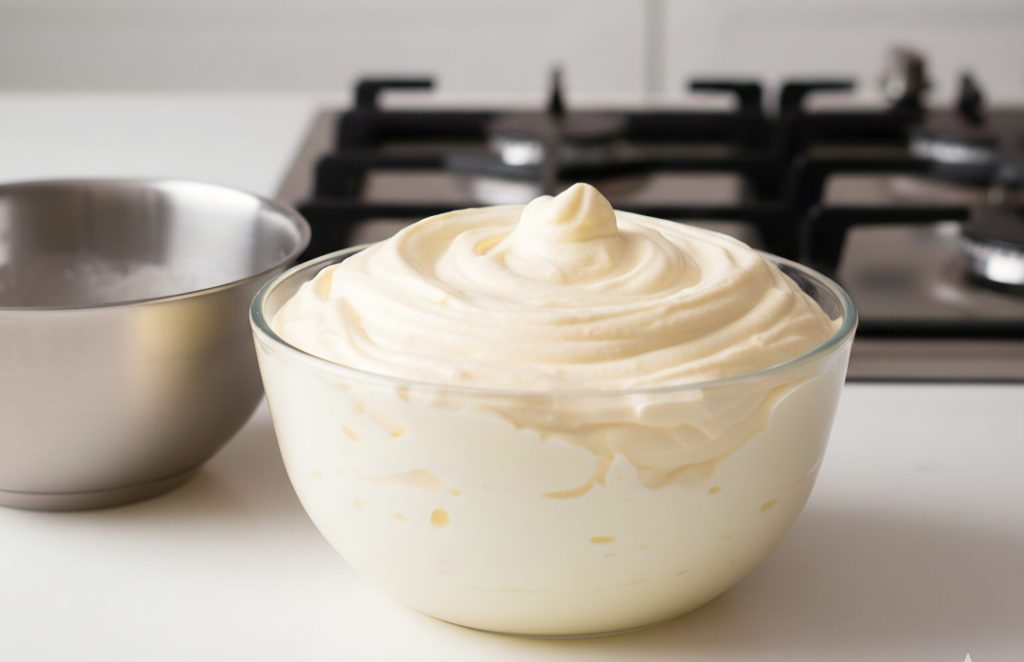
Fold with a spatula from bottom to top. If the texture seems too firm to pipe, add one tablespoon of heavy cream to soften it slightly while maintaining structure.
Rest: Transfer the mousse into a piping bag fitted with a plain tip and let it rest in the refrigerator for 30 minutes before filling the paccheri. The cold will help the mousse stabilize.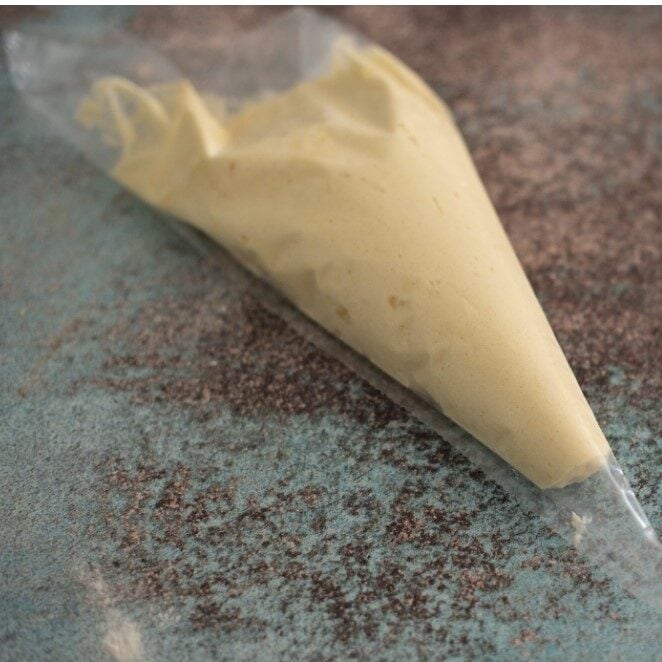
Prefer fresh shelled peas; shell them. Alternatively, you can use frozen peas.
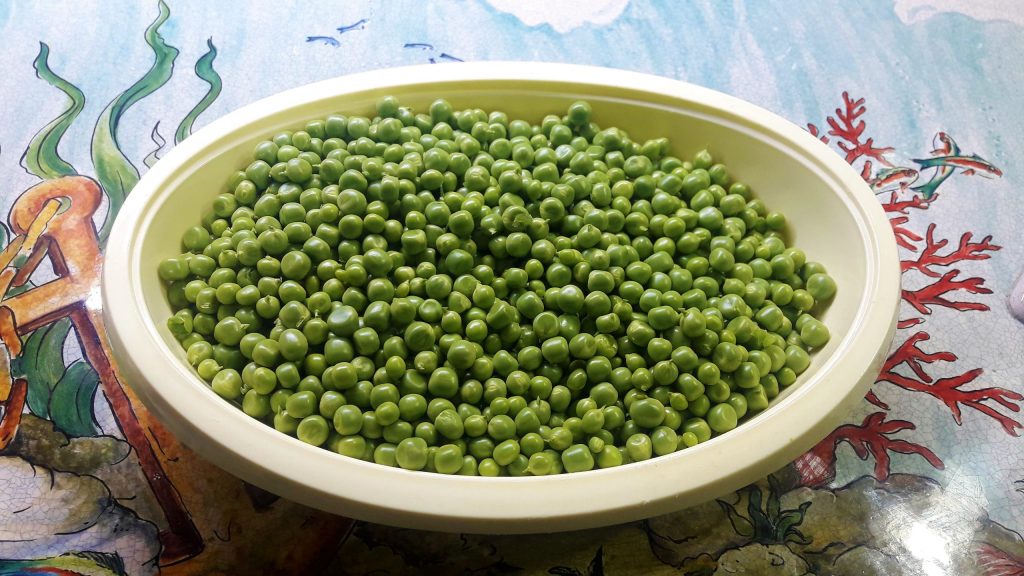
Peel and chop the onion, and place it in the pot with a drizzle of extra virgin olive oil and a knob of butter.
Let it sauté for a few minutes then….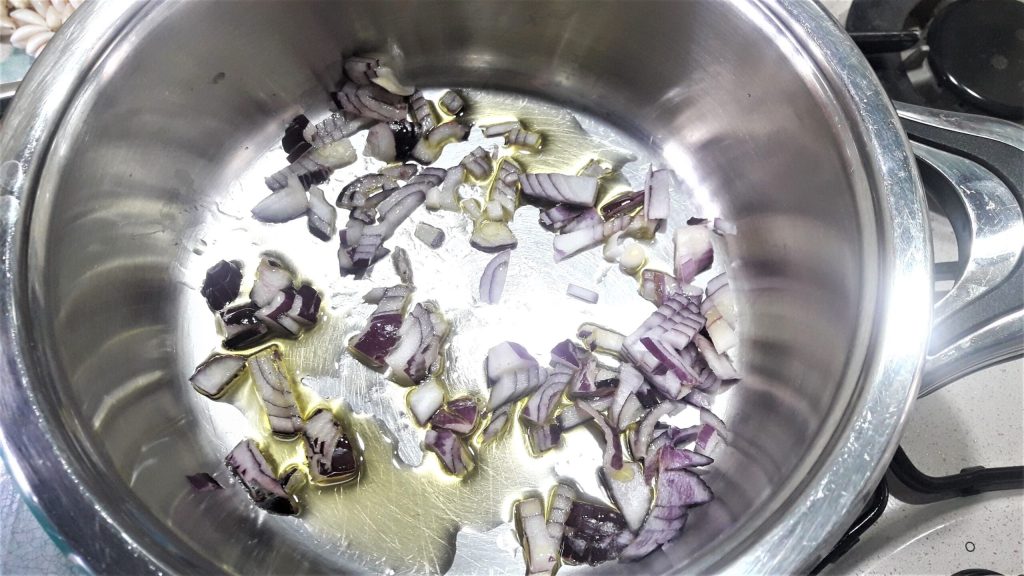
Add the peas.
Let them brown for 2 minutes, then…
Add about 3/4 cup of water,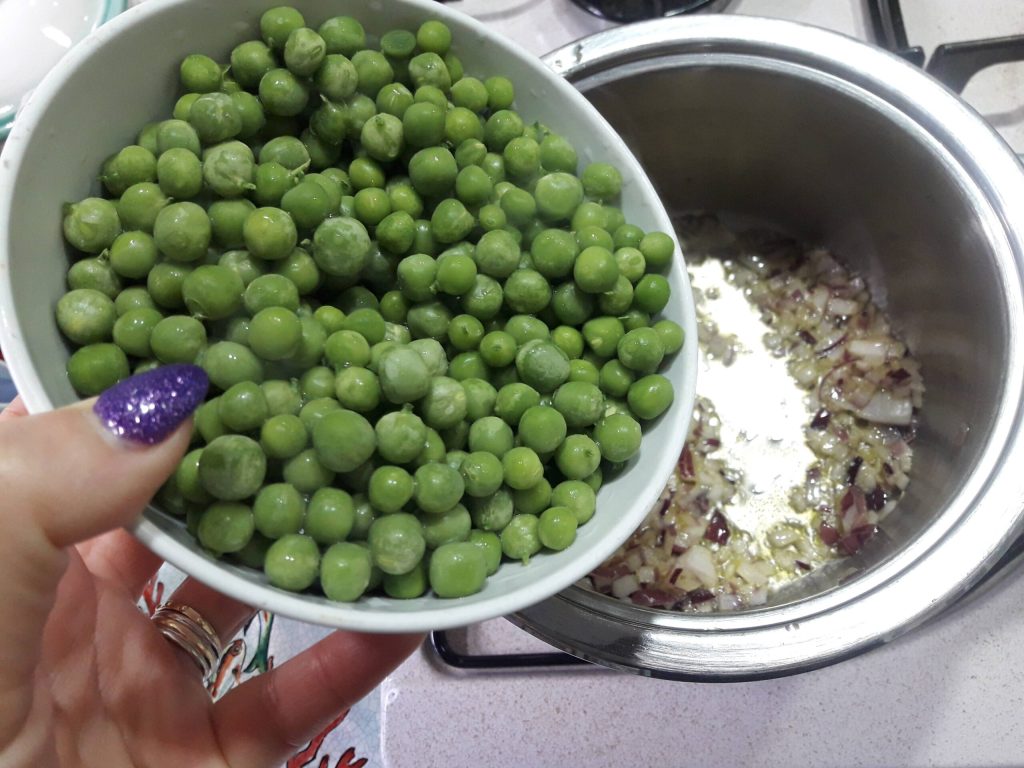
the bouillon cube, and let cook for 10 minutes. Then…
Turn off the heat, and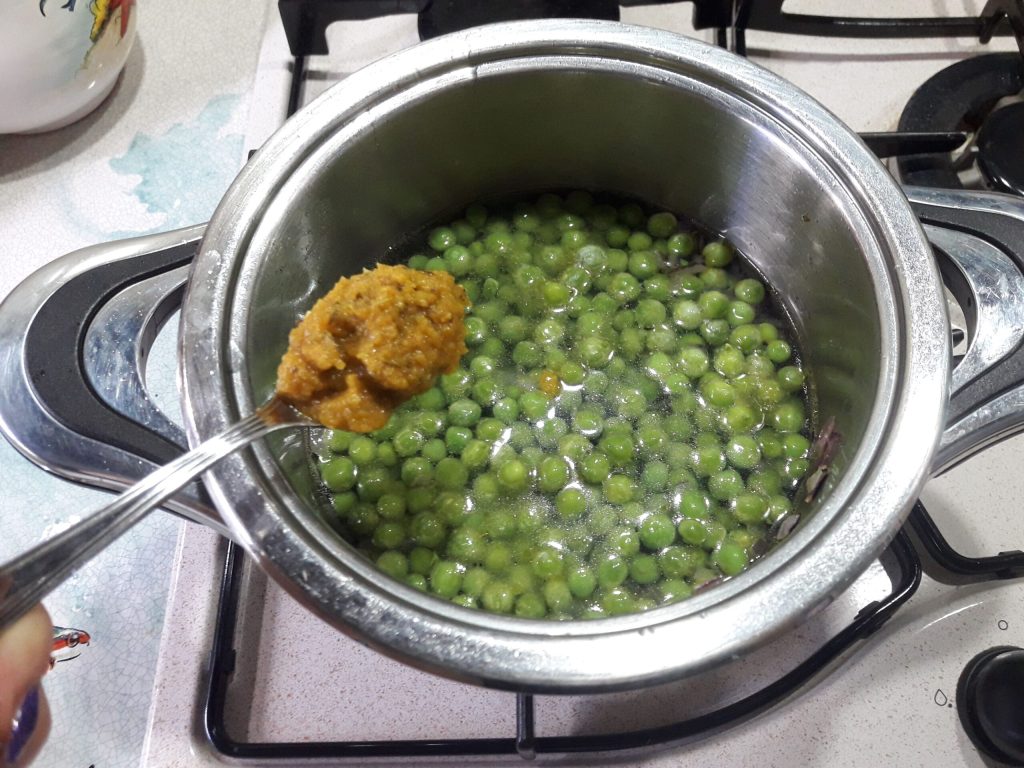
add the grated Parmesan, adjust salt and pepper and blend with the immersion blender. Keep warm in a bain-marie.
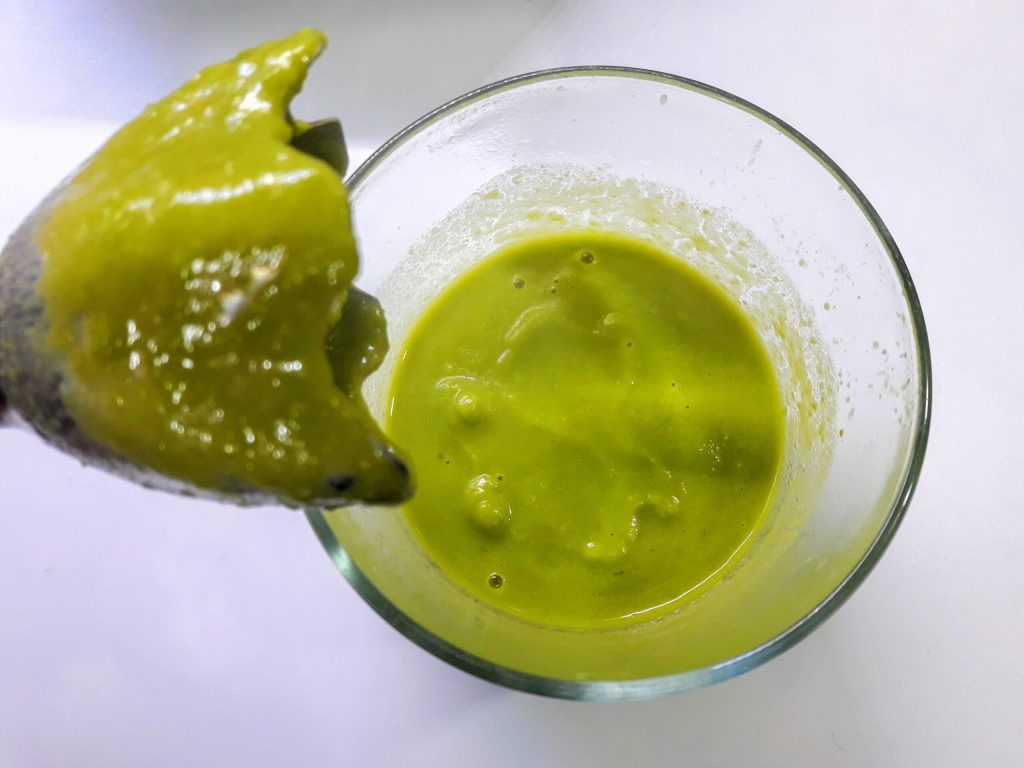
For a more complex flavor, you could add a few finely chopped fresh mint leaves to the mousse: they pair wonderfully with the pea velouté that serves as the base of the dish.
To ensure that the Standing Paccheri remain stable like small columns and do not collapse, cooking and cooling are key steps.
Here are the secrets for perfect stability:
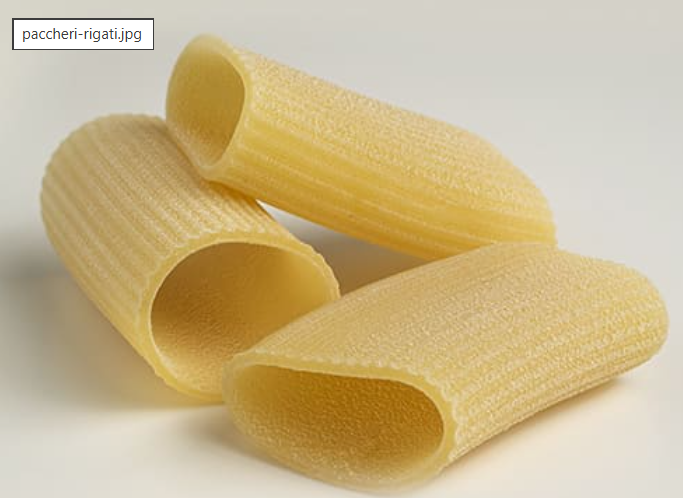
Choosing the pasta
Use exclusively Gragnano paccheri bronze-cut. The rough surface helps the mousse adhere to the inner walls, creating a “gluing” effect that stabilizes the structure once filled.Cooking “al dente” (and beyond)
Cooking time: Drain the paccheri 2 to 3 minutes before the time indicated on the package. They must be flexible but still very firm. If overcooked, they will lose the circular shape and become elliptical or flat.
Plenty of water: Use a very large pot to prevent the paccheri from jostling and breaking during boiling.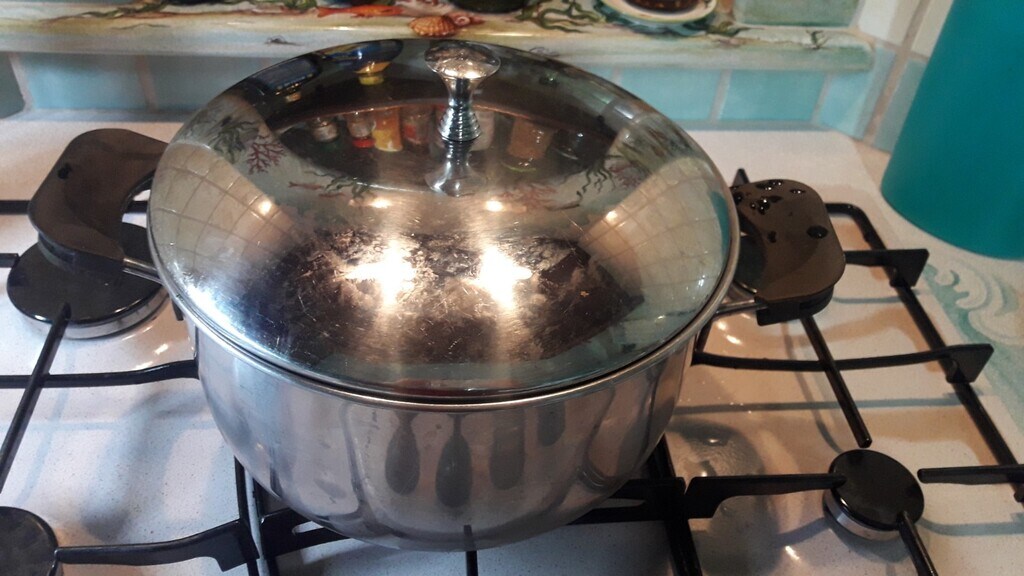
Thermal shock and oil
As soon as drained, plunge the paccheri into a bowl of ice water for a few seconds. This instantly stops cooking and fixes the starch, making the pasta firmer.
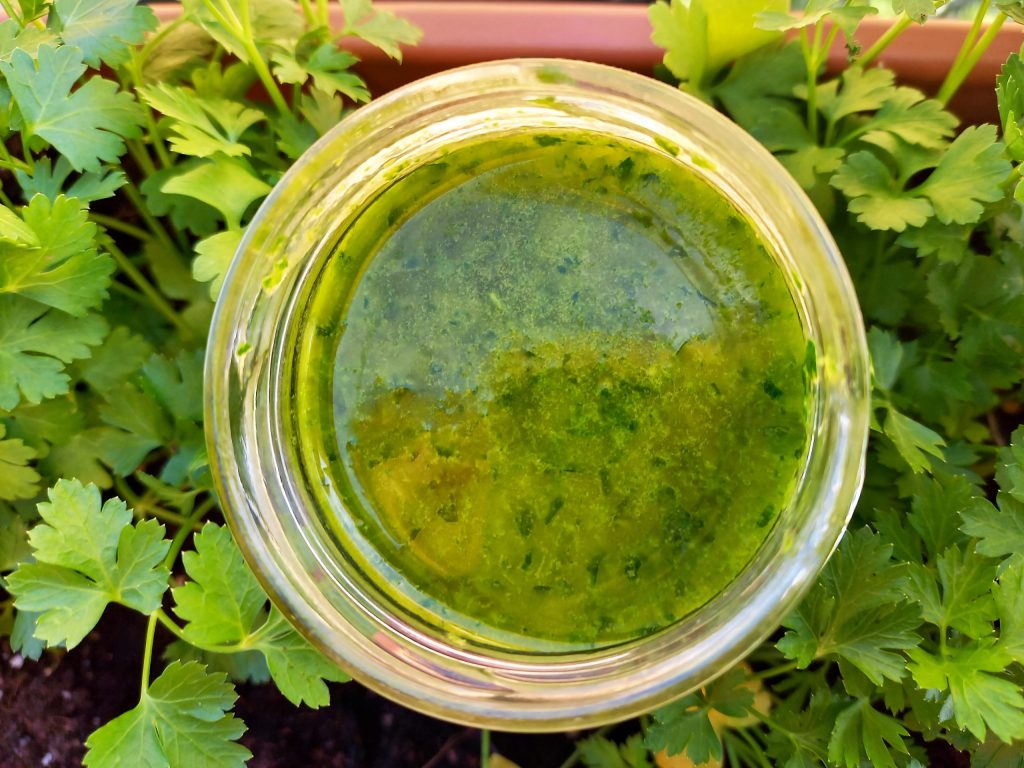
Important: Drain them immediately from the ice water and lay them on a clean kitchen towel.The oil trick: Lightly brush the inside and outside of the paccheri with a delicate EVO oil. I used my parsley oil, click here.
This will prevent them from sticking to one another or to the plate while you prepare the filling.
The “anti-seismic” assembly
Base trimming: If you notice a pacchero is slightly uneven at the base, trim it with a sharp smooth-bladed knife to make it perfectly flat.You can fill the paccheri directly on the pea cream or hold them in hand, whichever you prefer.
Strategic filling: Use a piping bag.
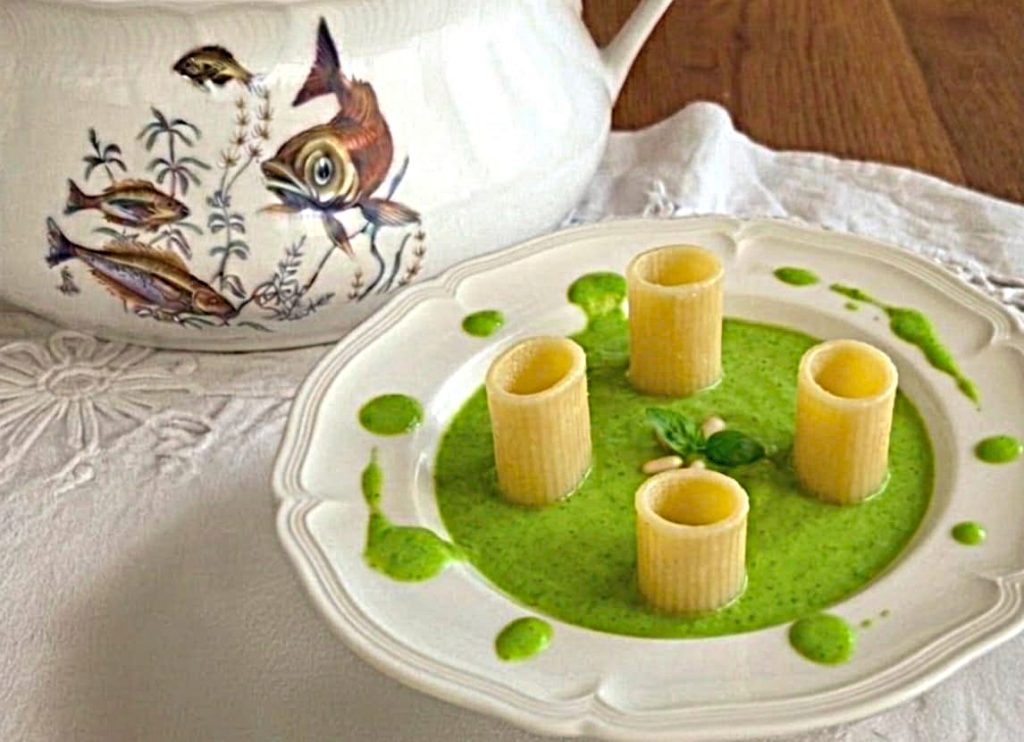
Insert the tip all the way into the pacchero and squeeze as you withdraw. The mousse must fill every empty space: a compact filling acts as an internal “pillar” that supports the pasta walls.
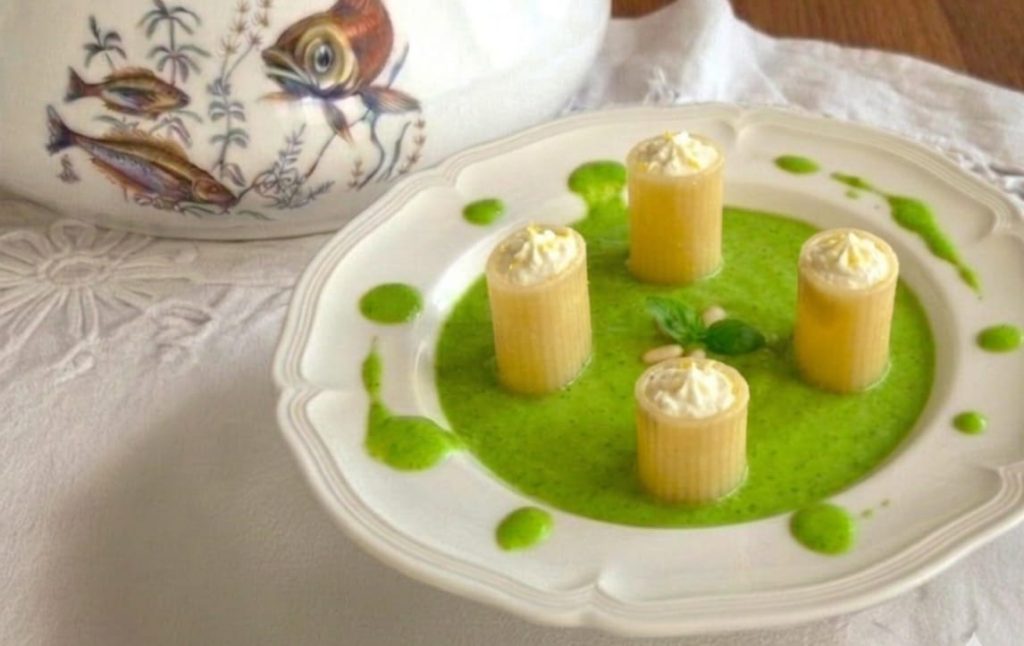
The finishing touch: As in the photo, place the pea on top of the mousse only at the end; the weight of the legume will slightly compact the cream downward.
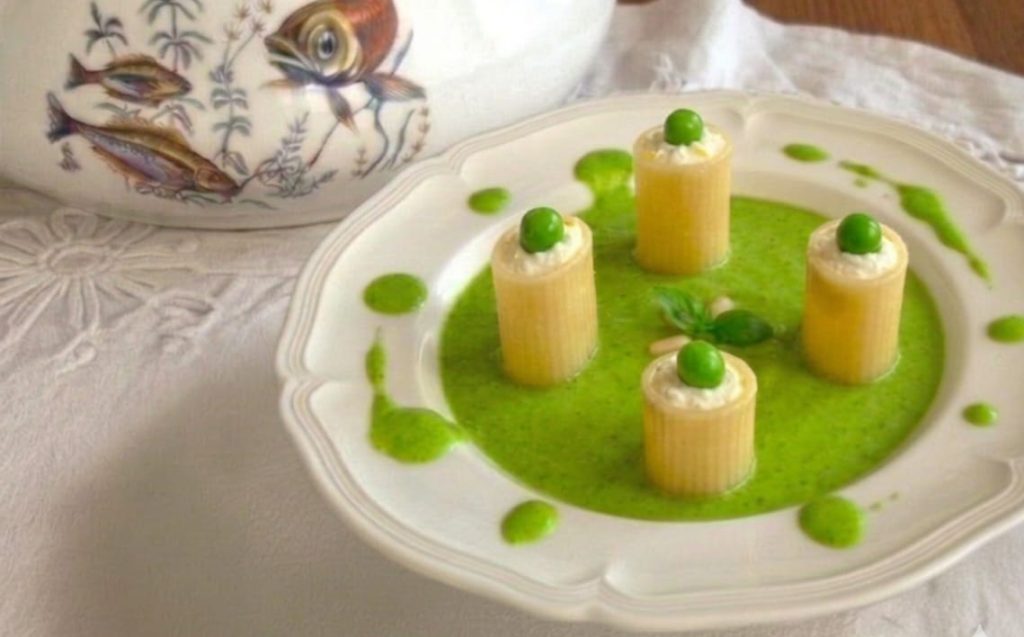
Garnish with pea shoots and serve. Here are your Standing Paccheri with Ricotta Cream on a Pea Velouté.
Storage
Standing Paccheri with Ricotta Cream on a Pea Velouté.
This is a dish best eaten immediately, but its components can be stored separately in the refrigerator for up to 1 day, then reheated separately and plated as described above.
Tasting notes
Textures: The pacchero keeps its “al dente” structure, enclosing a creamy heart that melts in the mouth together with the flowing velouté.
Aesthetic: A modern plating that highlights the natural colors of the ingredients, perfect for a special occasion or an elegant spring lunch.
FAQ (Questions & Answers)
Standing Paccheri with Ricotta Cream on a Pea Velouté
What can I substitute for the peas?
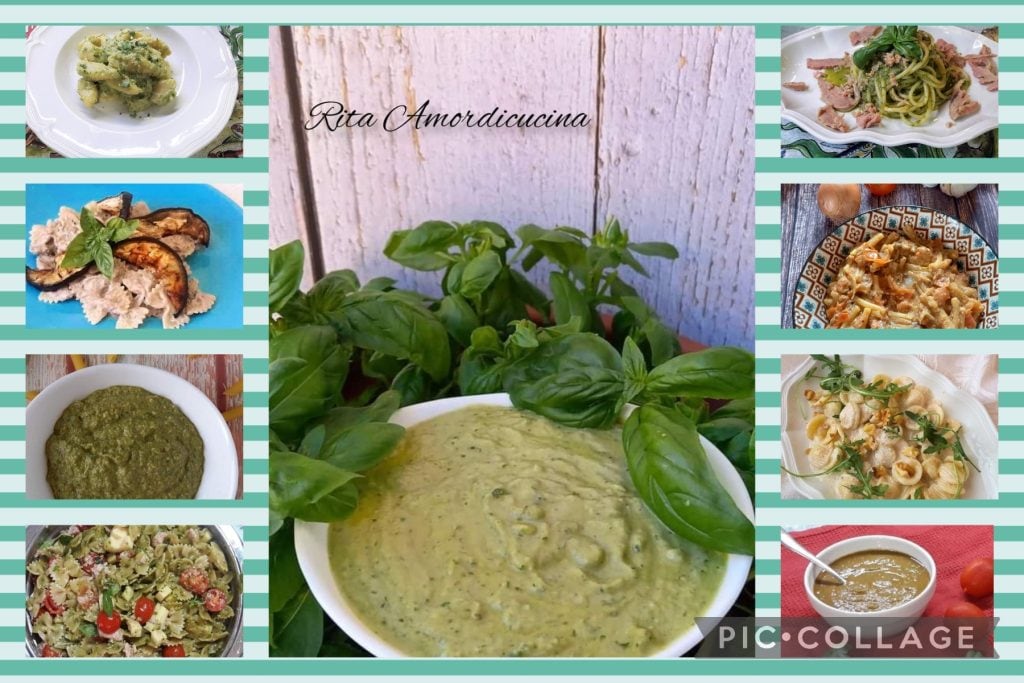
With zucchini, fresh broad beans, tomato passata, etc. Take inspiration from my collection of sauces and pestos, click here
Standing Paccheri with Ricotta Cream on a Pea Velouté