
Braised cuttlefish and peas: the secret to a soft, never rubbery texture
Cuttlefish with peas is one of the most beloved pairings in Mediterranean cuisine: a perfect meeting of the sea’s saltiness and the land’s sweetness. However, the main challenge of this dish is not the flavor but the texture.
A common problem many encounter is ending up with rubbery cuttlefish or, on the contrary, pieces that fall apart, due to mismanaged cooking times. Biting into an elastic mollusc can ruin an otherwise delicious dish, often caused by too high a flame or adding the peas at the wrong time.
To solve this problem, my recipe focuses on gentle cooking and the “white” braising technique. Without the cover of tomato, the quality of the mollusc and the balance of liquids become essential.
The secret to buttery cuttlefish is to brown them briefly over high heat with the wine, then continue with a slow, covered cook, adding hot vegetable broth little by little. This allows the cuttlefish fibers to relax gradually.
Add the peas (even frozen ones—convenient without sacrificing taste) only halfway through so both ingredients reach ideal texture at the end. The result is a light, low-fat dish that smells incredible thanks to fresh parsley added only at the end.
Let’s get cooking!
Light fish main course: the delicate tomato-free version ready in 45 minutes
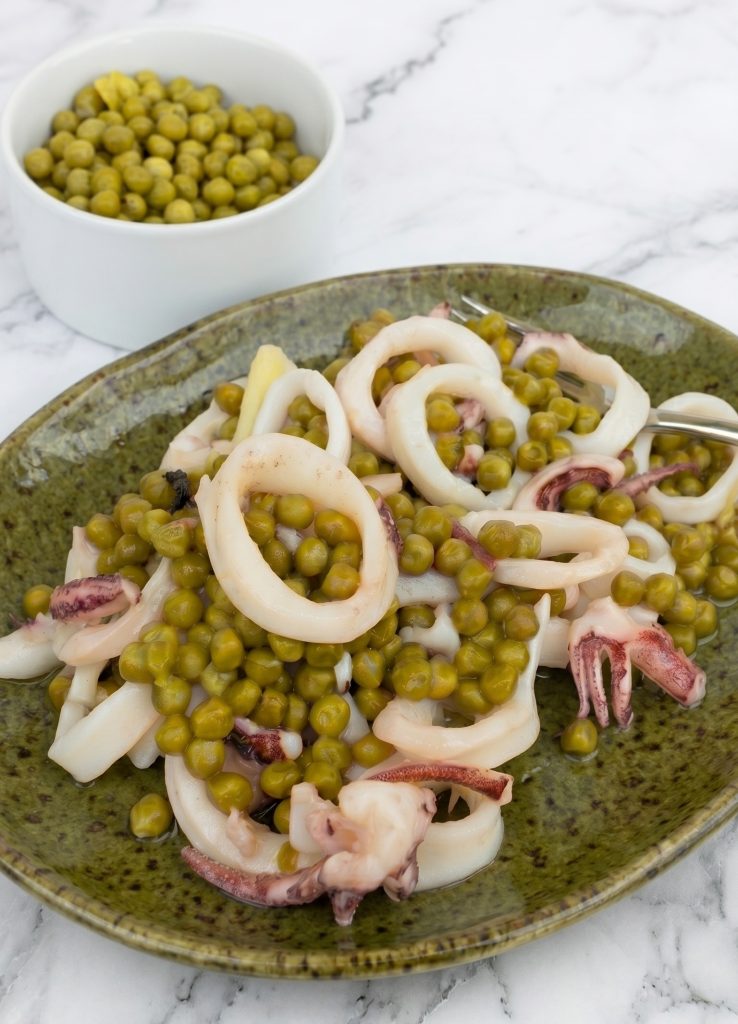
- Difficulty: Easy
- Cost: Medium
- Preparation time: 15 Minutes
- Cooking time: 45 Minutes
- Portions: 4
- Cooking methods: Stovetop
- Cuisine: Italian
Ingredients — Cuttlefish with Peas
- 1.1 lb cuttlefish
- 2 cups peas (fresh or frozen)
- 1 cup vegetable broth
- 1/2 glass dry white wine
- 1 onion
- 2 tbsp extra virgin olive oil
- to taste chopped parsley
- 1 pinch black pepper
- to taste salt
Braised Cuttlefish and Peas: the secret to a soft, never rubbery texture
Thoroughly clean the cuttlefish by removing skin, cartilage and the internal bone. Rinse under running water and cut into fairly large rings or strips. In a large pan, sauté the finely chopped onion with the oil and a pinch of salt over low heat until it turns golden.
Turn up the heat, add the cuttlefish and brown, stirring continuously. Deglaze with the white wine and let the alcohol evaporate over high heat. Add a couple of ladles of hot vegetable broth, cover with a lid and let simmer gently for about 30 minutes. If the pan dries out too much, add more hot broth.
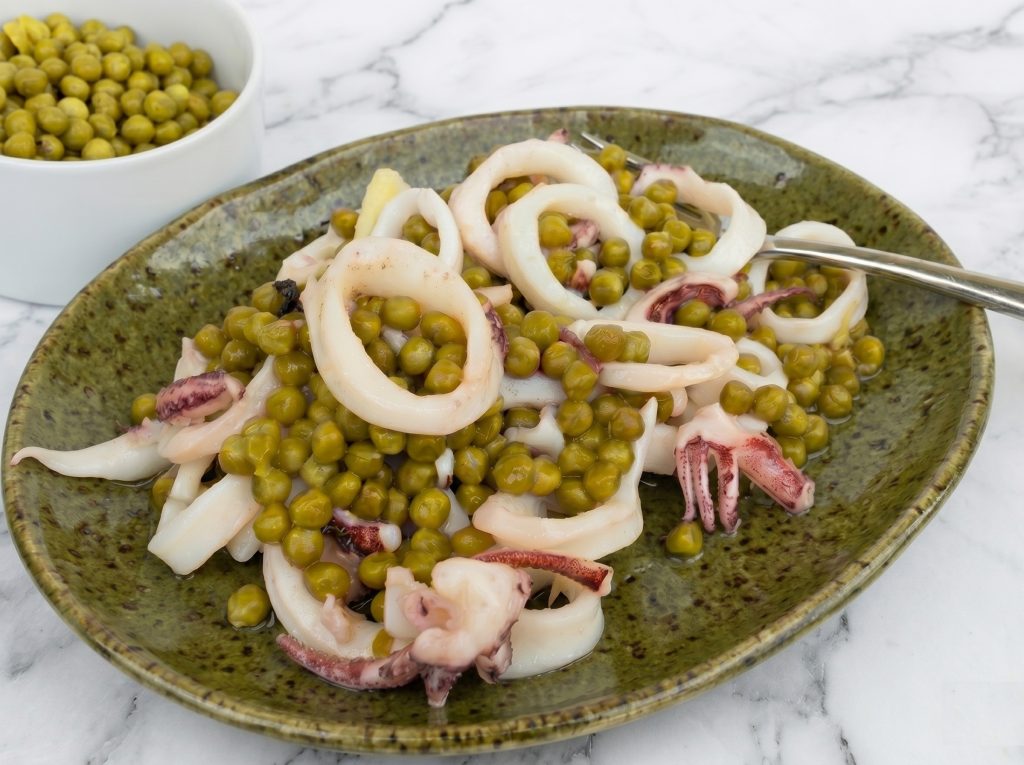
After the first half hour, add the peas. Continue cooking for another 15 minutes, until the peas are tender and the cuttlefish are melt-in-the-mouth. If you prefer a thicker sauce, cook the last minutes uncovered over a slightly higher heat. Turn off the heat, adjust the seasoning and finish with a generous handful of freshly chopped parsley.
-
Notes on Ingredients and Substitutions
The Cuttlefish: If you buy them whole, be sure to remove the bone, the beak and the ink sac (which you can reserve for a risotto).
The Peas: Frozen peas are a great alternative when fresh are out of season; they keep their color and sweetness well.
Aromatic Variations: You can add a pinch of chili or an anchovy in oil to the soffritto for an extra savory boost.
Alternatives and Variations
Red Version: Add about 7 oz (about 3/4 cup) of tomato pulp or 1 tbsp of tomato paste together with the first ladle of broth for the classic stewed version.
Sea Touch: Replace the vegetable broth with a fish stock made from the cuttlefish scraps for an even more intense flavor.
Storage
The dish keeps in the refrigerator for one day in an airtight container. Before serving, let it come to room temperature for 30 minutes or gently reheat, adding a splash of water or broth.
Tea’s Tips
Do not add salt at the beginning of cooking the cuttlefish: salt tends to toughen the fibers of molluscs. Adjust seasoning only at the end, after the peas have released their sweetness!
FAQ (Questions & Answers)
Can I use frozen cuttlefish?
Absolutely! Thaw them slowly in the refrigerator before use and pat them dry well. They are often already cleaned, which will save you time.
What if the cuttlefish are still tough after 45 minutes?
Cooking time depends on the size of the mollusc. If they’re still tough, add another ladle of broth and continue at very low heat: patience is the only solution for tough cuttlefish!
Can I replace the onion with garlic?
Yes, garlic gives a more pungent aroma that goes very well with fish and peas. You can also use both if you prefer a more structured flavor.
