
Have you ever heard of recovery broth with vegetable scraps?
It’s a fantastic and tasty solution to reduce waste in the kitchen and get a delicious and healthy broth.
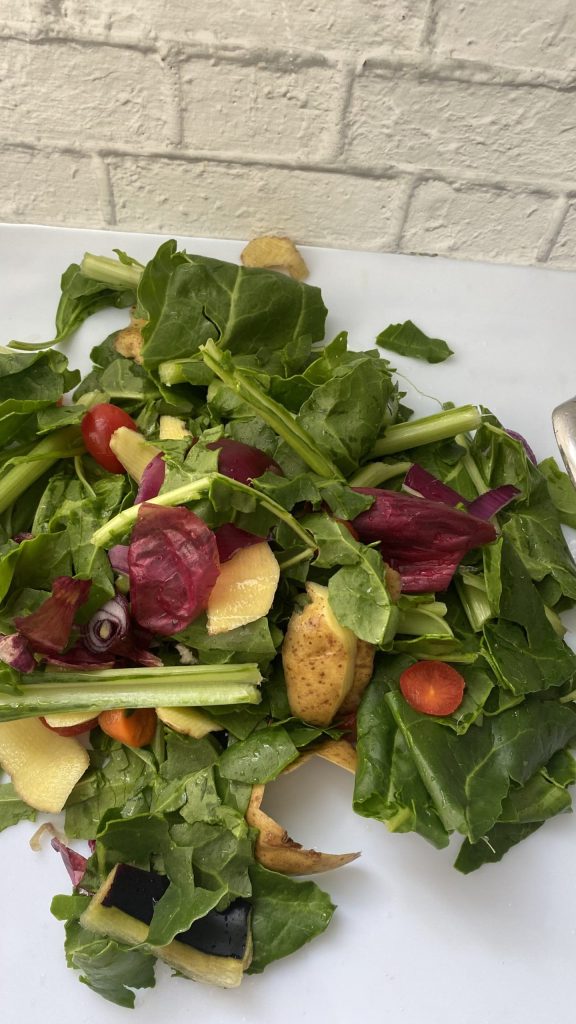
To prepare this broth, all you have to do is collect the vegetable scraps that would usually end up in the trash, like carrot peels, onions, celery stalks, outer cabbage leaves, and any other vegetables you have on hand. This way, not only will you avoid wasting food, but you’ll also get a broth rich in flavor and nutrients.
Once the vegetable scraps are collected, put them in a pot with cold water and bring it to a boil. Add a pinch of salt and let it simmer for at least an hour, so the vegetables release all their flavor. You can also add spices like black pepper or bay leaves to further enrich the broth.
Once ready, strain the broth to separate the vegetables and store the obtained liquid in an airtight container. You can use it immediately to prepare soups, risottos, or any other recipe requiring broth, or keep it in the fridge for a few days or freeze it for future use.
The recovery broth with vegetable scraps is an excellent solution for reducing kitchen waste and obtaining a valuable ingredient for many recipes. Moreover, it’s a simple and creative way to make the most of ingredients that would usually be thrown away.
So next time you prepare your vegetables, don’t forget to save the scraps to prepare a delicious recovery broth. You’ll be surprised by the flavor and goodness of this simple ingredient!
READ ALSO:

- Difficulty: Very easy
- Cost: Very cheap
- Preparation time: 10 Minutes
- Portions: 4
- Cooking methods: Stovetop
- Cuisine: Italian
- Seasonality: Autumn, Winter
Ingredients
No scales needed, just creativity! Use the vegetables you have on hand: carrots, onions, celery, potato peels… everything goes!
Just put everything in a pot with water, a pinch of salt, and let it simmer. Perfect for a touch of sustainability in the kitchen!
Tools
- Pot
- Knife
- Cutting Board
- Strainer
- Ladle
Steps
To prepare a vegetable broth using vegetable scraps, follow these simple steps to reduce waste and get a broth rich in flavor.
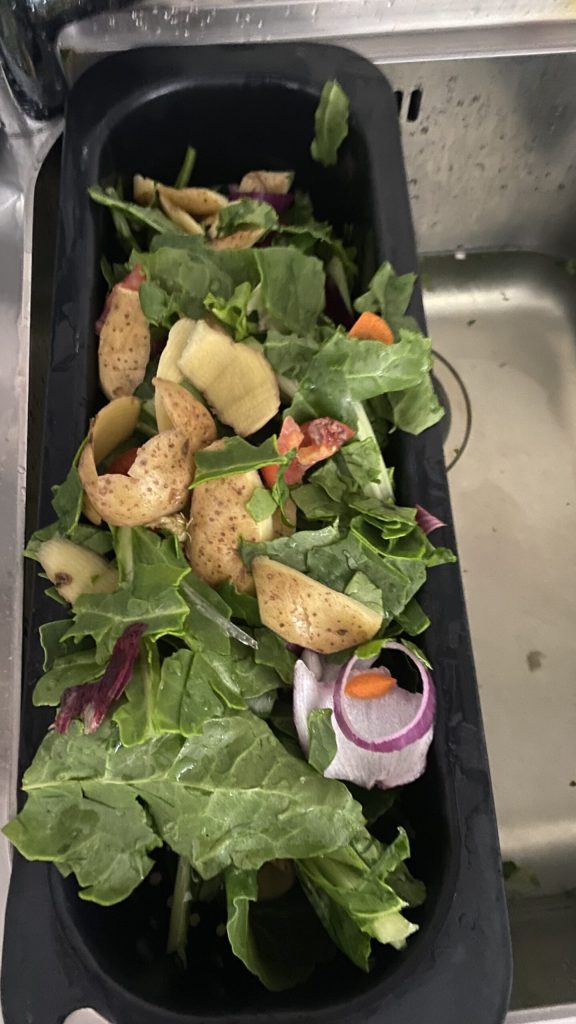
Start by collecting the vegetable scraps you have at home. You can use peels, stems, leaves, and ends of carrots, onions, celery, tomatoes, and zucchini. Even aromatic herbs like parsley and bay leaves can be added to enrich the flavor. It’s crucial to wash the scraps well to remove any dirt or pesticide residues.
Once ready, put the scraps in a large pot and cover them with cold water. Add salt and pepper to taste, and if you like, a drizzle of olive oil for extra flavor. Bring to a boil and then reduce the heat, letting it simmer for at least an hour. During cooking, you can skim the surface to remove any impurities.
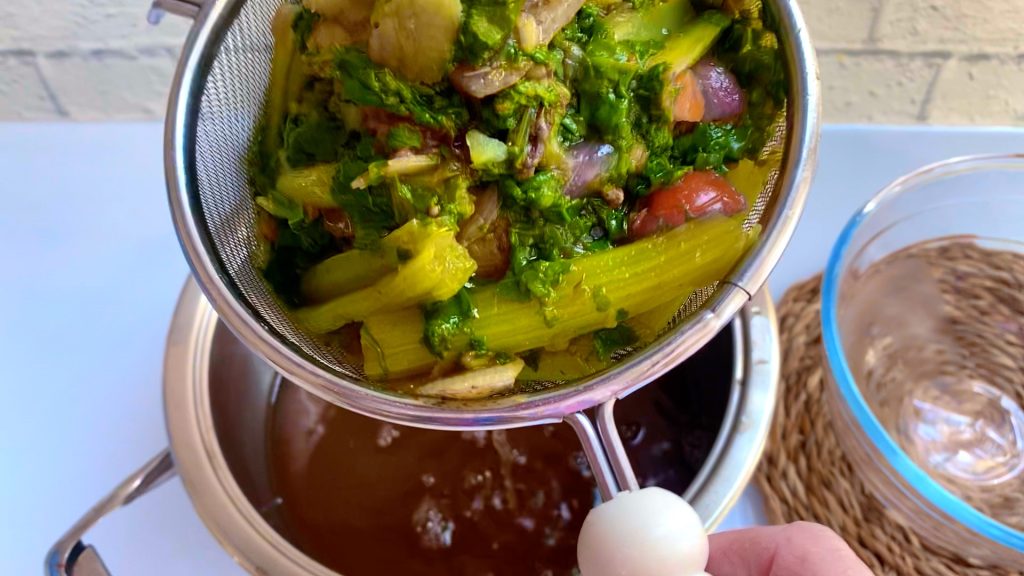
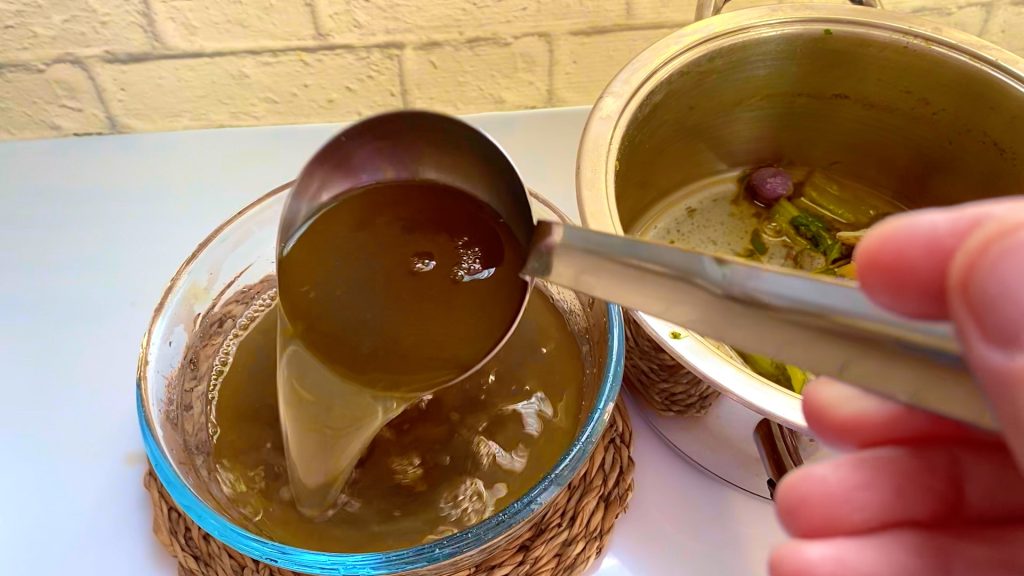
After an hour, strain the broth through a fine strainer or cheesecloth to separate the solids from the liquid. The obtained vegetable broth can be used immediately for soups, risottos, or as a base for other recipes, or stored in the fridge for a few days or frozen for future use.
This method not only allows you to make the best use of vegetable scraps but also contributes to a more sustainable kitchen. You can customize your broth by adding spices or other aromas to your liking, making it unique and suited to your tastes. Using vegetable scraps is a great way to embrace the “no waste” philosophy and create delicious and nutritious dishes.
-
Storage and Notes
Here are some storage tips and useful notes for your recovery broth:
Storage
Refrigerator: Keep the broth in an airtight container for 3-4 days.
Freezer: You can freeze it in portions for up to 3 months. Use freezer-safe containers or bags.
Storage
Refrigerator: Keep the broth in an airtight container for 3-4 days.
Freezer: You can freeze it in portions for up to 3 months. Use freezer-safe containers or bags.
Storage
Refrigerator: Keep the broth in an airtight container for 3-4 days.
Freezer: You can freeze it in portions for up to 3 months. Use freezer-safe containers or bags.
Variety of Vegetables: Use any vegetable scraps you have available. Onion peels, herb stems, and outer celery leaves are perfect.
Use any vegetable scraps you have available. Onion peels, herb stems, and outer celery leaves are perfect.
Adding Spices: Customize the flavor with spices like black pepper, bay leaf, or thyme.Usage: The broth is great as a base for soups, risottos, or to cook grains like rice and quinoa.
This method not only reduces waste but also adds a unique touch to your dishes!
FAQ (Frequently Asked Questions)
To prepare a recovery broth, here are some frequently asked questions that can help you better understand the process and make the most of vegetable scraps.
What vegetable scraps can I use?
You can use a variety of scraps, including peels, stems, leaves, and ends of vegetables like carrots, onions, celery, tomatoes, and zucchini. Even aromatic herbs like parsley and bay leaves are great for enriching the broth’s flavor. It’s important to wash the scraps well to remove any dirt or pesticide residues.
How is the broth prepared?
The recovery broth can be used immediately for soups, risottos, or as a base for other recipes. If you don’t use it right away, you can store it in the fridge for a few days or freeze it for future use.
Can I customize the broth?
You can add spices or other aromas to your liking, making the broth unique and suited to your tastes. This approach not only reduces food waste but also allows you to create delicious and nutritious dishes, embracing the “no waste” philosophy.
