
Welcome friends! Today I want to share with you a special recipe that was kindly suggested to me by my dear friend Antonella, an expert cook who never ceases to amaze me with her delights. We are talking about the Neapolitan Pastiera, a traditional Easter dessert, but in reality, it is so good that it deserves to be enjoyed all year round.
This recipe is simple, and I guarantee that the result will be absolutely satisfying. Get ready to delight your palate with a dessert that embodies the flavors and aromas of Neapolitan tradition.
READ ALSO:

- Difficulty: Medium
- Cost: Medium
- Preparation time: 30 Minutes
- Portions: 10
- Cooking methods: Electric Oven
- Cuisine: Italian
- Seasonality: Fall, Winter, and Spring
Ingredients
- 4 cups flour
- 2 eggs (plus 1 yolk)
- 7 oz butter
- 1 cup sugar
- 1 pinch salt
- orange zest (grated)
- 13.4 oz cooked wheat
- 1 1/4 cups milk
- orange zest (grated)
- lemon zest (grated)
- 1 tbsp butter
- 2 lbs ricotta
- 1 cup sugar
- 4 eggs
- orange flower aroma (a little)
- ground cinnamon (if desired)
- candied orange (if desired)
Tools
- Pot
- Bowl
- Mixer
- Grater
- Pan
- Pastry Cutter
Steps
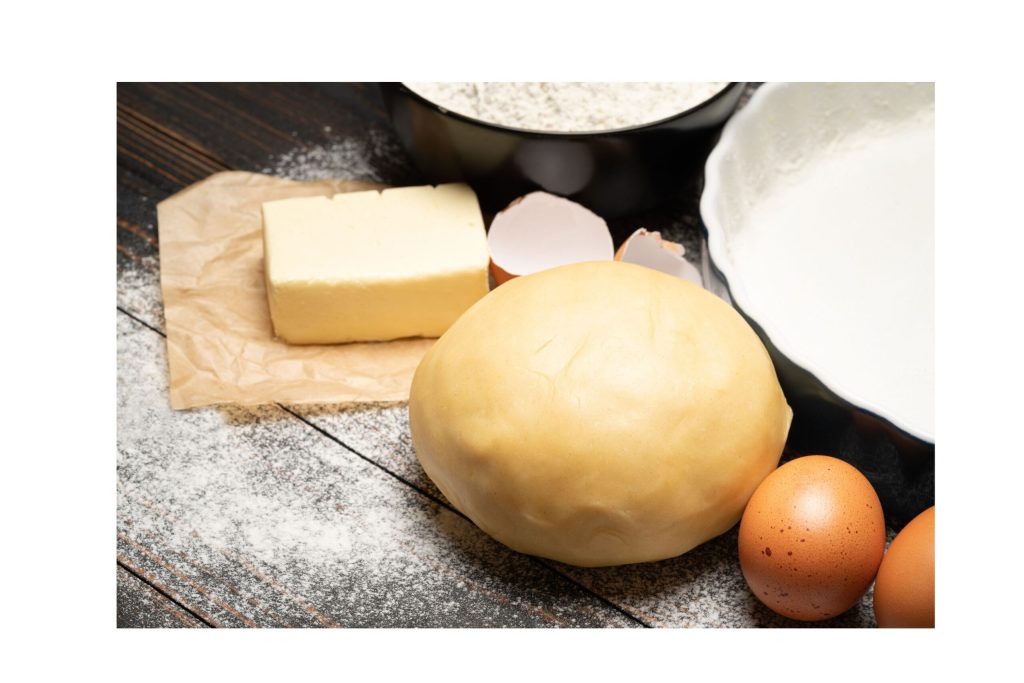
In a large bowl, pour the flour and make a well in the center where you will add the whole eggs, yolk, softened butter in pieces, sugar, and a pinch of salt.
Grate the orange zest directly onto the other ingredients.
Start kneading with your hands until you get a homogeneous mixture
Form a ball with the dough, wrap it in plastic wrap, and let it rest in the refrigerator for about 30 minutes.
In a pot, pour in the cooked wheat, milk, grated lemon and orange zest, and a tablespoon of butter.
Cook over low heat until the mixture has thickened.
Let the mixture cool completely.
In a separate bowl, work the ricotta with the sugar until you get a smooth cream.
Add to the ricotta mixture the eggs, orange flower and millefiori aromas, a sprinkle of cinnamon, and chopped candied orange.
Combine the now-cooled cooked wheat mixture with the ricotta cream and mix well.
Roll out the shortcrust pastry into two thin discs and line the previously buttered and floured pans.
Pour the filling into the pastry shells.
With the remaining pastry, create strips to arrange on the surface to form an even lattice.
Bake in a preheated oven at 350°F for about 60 minutes or until the surface is golden brown.
Once your pastiere are out of the oven, let them cool completely before serving. The Neapolitan Pastiera is a dessert that improves with the passing of days, so if you can resist the temptation, try tasting it a few days after baking.
I hope you enjoyed following this recipe and that your Neapolitan Pastiera is as good as the one my friend Antonella prepares. Share your experiences and tips on this marvelous Neapolitan traditional dessert in the comments.
Happy Easter to everyone!
Storage Tips and Notes
Neapolitan Pastiera:
Tips and Secrets for Perfect Storage
Ingredients and Preparation
First of all, it is essential to use high-quality ingredients. For the pastiera, you will need cooked wheat, fresh ricotta, eggs, sugar, candied fruits, and aromas like vanilla or orange blossom water. Follow the recipe carefully, giving the right time to each step: from preparing the filling to baking.
Baking and Cooling
Once your pastiera is golden and perfectly baked, it is important to let it cool completely before covering or refrigerating it. This step is crucial to avoid condensation inside the package, which could ruin the crispness of the shortcrust pastry.
Storage
To best preserve the pastiera, I recommend considering the following points:
Temperature: the pastiera should be stored in the refrigerator, especially if ambient temperatures are high. This helps maintain the freshness of the ricotta and prevent bacterial growth.
Container:
use an airtight container or wrap the pastiera with plastic wrap for food. This will help maintain moisture and protect the dessert from odors in the fridge.
Duration:
generally, the pastiera can be stored in the refrigerator for about 3-4 days without losing its goodness. If you used very fresh ingredients, you might extend this period to up to a week.
Freezing:
If you wish to prepare the pastiera in advance or store it for a longer period, you can opt for freezing. Here’s how:
Let the pastiera cool completely.
Wrap it carefully first in plastic wrap and then in aluminum foil.
The pastiera can be stored in the freezer for about 2 months.
When you want to enjoy it, remember to transfer it from the freezer to the refrigerator at least 24 hours in advance so that it thaws slowly and evenly.
Final Notes
The pastiera is a dessert that lends itself well to advance preparation, as its flavors tend to blend and intensify with rest. By following these simple yet effective storage tips, you can enjoy this masterpiece of Neapolitan pastry at its best potential.
Remember: every pastiera has its secret, every family its variant. Do not be afraid to experiment and add your personal touch to the recipe. Whether it’s choosing a particular type of candied fruit or introducing spices like cinnamon, make your pastiera unique!
Remember: every pastiera has its secret, every family its variant. Do not be afraid to experiment and add your personal touch to the recipe. Whether it’s choosing a particular type of candied fruit or introducing spices like cinnamon, make your pastiera unique!
FAQ (Frequently Asked Questions)
In this section, we will answer some of the most frequent questions about this delicious dessert, to help you prepare it best and discover all its secrets. Take note!
What is Neapolitan Pastiera?
The Pastiera is a traditional Neapolitan tart prepared during the Easter period. It is a rich and fragrant dessert, characterized by a shortcrust pastry shell that encloses a creamy filling based on cooked wheat, ricotta, eggs, sugar, and flavored with orange blossom water.
What are the main ingredients of the Pastiera?
The essential ingredients to make a perfect Neapolitan Pastiera are:
Cooked wheat
Ricotta
Sugar
Eggs
Milk
Butter
Candied fruits (usually citron and orange)
Orange blossom water
Vanilla or vanilla pod
Cinnamon
Grated lemon zestHow is cooked wheat prepared?
Cooked wheat is one of the key ingredients of the Pastiera. To prepare it, start with soft wheat that is soaked for at least one night. Then, it is boiled for a long time until it becomes soft. Finally, it is cooked again with milk, butter, and aromas until a creamy mixture is obtained. Today, it is possible to buy wheat already cooked and ready to use, which greatly simplifies the preparation.
How long does it take to bake the Pastiera?
The baking time of the Pastiera can vary based on the size and thickness of the tart, but on average it is around 60 minutes in a preheated oven at 350°F. It is important that the surface is golden and the texture firm.
When is the best time to prepare the Pastiera?
Tradition dictates that the Pastiera should be prepared on Holy Thursday or at the latest on Good Friday, to be consumed on Easter Sunday. This is because it is said that its flavors need time to blend and reach the right balance.
Can I prepare the Pastiera without candied fruits?
Of course! Even though candied fruits are part of the traditional recipe, if you do not like them, you can easily omit them. The Pastiera will still be delicious.
Can I use sheep ricotta?
Yes, sheep ricotta is perfect for the Pastiera and gives the dessert a richer and more distinct flavor. However, make sure it is well-drained to prevent the filling from becoming too liquid.
Is it possible to make a gluten-free version of the Pastiera?
Absolutely! To make a gluten-free version of the Pastiera, simply replace the common flour with a gluten-free flour suitable for desserts and ensure that all other ingredients are gluten-free.
