
Yogurt sauce is a fresh and healthy dressing with deep roots in many world culinary cultures. Appreciated for its versatility and ease of preparation, this sauce has found its place on the tables of those seeking a light and tasty choice to accompany a variety of dishes. From Greek Salad to Kebabs, from vegetable dishes to simple fruit, yogurt sauce enriches and enhances every bite with its delicate flavors and creaminess. In this article, we will explore the history, benefits, and some recipes to make this irresistible dressing an integral part of your culinary routine.
History and Origins of Yogurt Sauce
The origins of yogurt sauce can be traced back to the kitchens of the Middle East and the Mediterranean, where yogurt has been used as a base for sauces and dressings for centuries. Tradition says that the freshness of yogurt was initially used to balance the heat and spice of intense dishes, offering a pleasant contrast to the palate. As trade routes expanded and cultural contacts grew, yogurt sauce began to spread, being personalized by local cuisines. Today, every country and region has its own variant of this sauce, incorporating local ingredients and family secrets passed down through generations. Try pairing it with baked potatoes or boiled potatoes in salad, and you’ll see how it enhances their flavor; once tasted, I’m sure you won’t be able to do without it!
Read more:
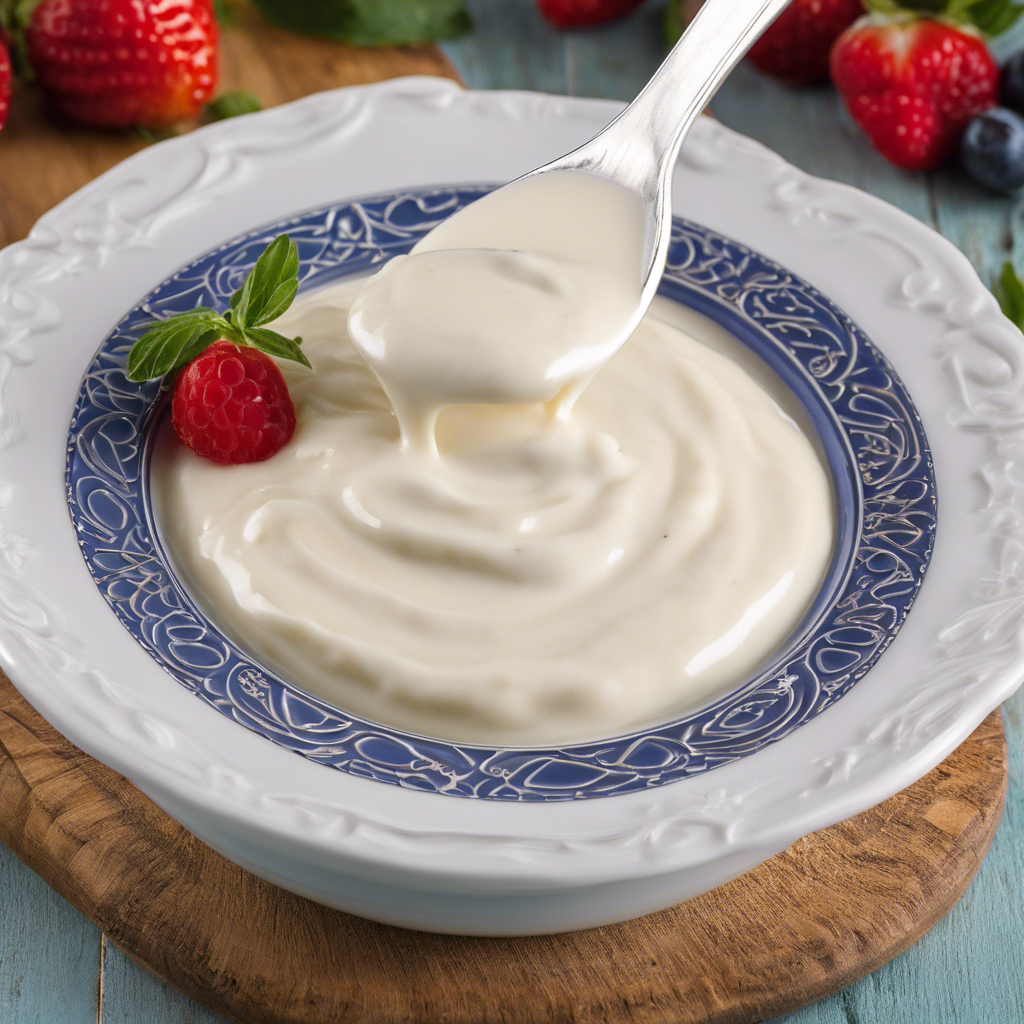
- Difficulty: Very Easy
- Cost: Economical
- Preparation time: 5 Minutes
- Portions: 4
- Cooking methods: No Cooking
- Cuisine: Italian
- Seasonality: All Seasons
Ingredients
Basic Recipe and Variants
- 3/4 cup Greek yogurt
- 1 clove garlic
- 1 slice lemon
- 2 tbsps olive oil
- chives
- salt (to taste)
- pepper (to taste)
Tools
Here’s what you need to make yogurt sauce:
- Bowl
- Spatula
- Cutting Board
- Mixer bimby
Steps
Making a yogurt sauce is simple and requires only a few key ingredients. Start with Greek yogurt or another type of unsweetened natural yogurt of your choice; the creamy consistency of Greek yogurt is particularly suitable for obtaining a thick and satisfying sauce. Add fresh lemon juice for a touch of acidity, a pinch of salt and, if you like, some grated garlic for a more pronounced flavor. At this point, you can further customize the sauce with chopped fresh herbs like parsley, mint, or cilantro, or spices like cumin and paprika. Mix all the ingredients well and let the sauce rest in the refrigerator for at least an hour before serving, so that the flavors blend perfectly. Serve the yogurt sauce as a side for crunchy salads, meat or fish grills, falafel, or as a refined dip for raw vegetables or crispy pita.
1. Put unsweetened plain Greek yogurt in a small container.
2. Add the minced garlic to the yogurt.
3. Also add the extra virgin olive oil and the juice of a lemon to the container, being careful not to drop the seeds.
4.Blend everything well so that the ingredients combine to form a thick cream.
5. Cut the chives into very small pieces.
6. Mix everything together.
7. Let the yogurt sauce cool in the fridge for at least 30 minutes before serving it, so that all the ingredients mix well and give flavor to the yogurt.
Here’s the recipe to prepare yogurt sauce with the Bimby:
Instructions:
Pour the Greek yogurt into the Bimby bowl.
Add the peeled garlic clove to the bowl.
Add the lemon juice, a pinch of salt, and black pepper to taste.
Add fresh herbs to taste.
Blend all the ingredients at speed 3 for 20 seconds until you get a homogeneous consistency.
Taste the sauce and adjust the salt and pepper according to your personal taste.
Transfer the yogurt sauce to a bowl and let it cool in the refrigerator for at least 30 minutes before serving it.
This recipe will allow you to prepare a delicious yogurt sauce using the Bimby in a simple and fast way. Enjoy your meal!Monica
Tips and Notes
Here are some tips and notes on yogurt sauce:
Here are some tips and notes on yogurt sauce:
FAQ (Questions and Answers)
Choice of yogurt: You can use Greek or natural yogurt for your sauce. Ensure that the yogurt is fresh and unsweetened to get a sauce with a fresh and neutral taste.
Garlic: If you use garlic in your sauce, finely chop or crush it to release its flavor. You can adjust the amount of garlic based on your taste preferences.
Herbs: Fresh herbs like mint, parsley, or dill add freshness and aroma to the sauce. Chop them finely to distribute the flavors evenly.
Lemon juice: Fresh lemon juice adds acidity and brightness to the sauce. Add the lemon juice gradually and taste as you go to adjust the acidity.
Consistency: If you want a smoother consistency for your sauce, you can use an immersion blender to achieve a creamy texture.
Taste: Taste the sauce and add salt and black pepper according to your personal taste. Remember, it’s always possible to add more seasonings, but it’s hard to correct over-salting.
Storage: Store yogurt sauce in the refrigerator in an airtight container. Consume it within a few days to ensure freshness.
I hope these tips are helpful in preparing your yogurt sauce! If you need further suggestions or specific questions, don’t hesitate to ask!
What is yogurt sauce?
Yogurt sauce is a sauce made from yogurt that can be enriched with various ingredients like herbs, spices, garlic, cucumber, or lemon to achieve different flavors.
What is the main use of yogurt sauce?
Yogurt sauce is often used as a dressing for salads, meat, fish, and vegetable-based dishes. It is particularly popular in Mediterranean, Indian, and Middle-Eastern cuisine.
How can I prepare yogurt sauce at home?
You can prepare yogurt sauce by mixing natural yogurt with ingredients like minced garlic, fresh or dried herbs (such as parsley, mint, or basil), salt, and pepper. Optionally, add lemon juice or vinegar for a touch of acidity.
How long can yogurt sauce be stored?
The storage duration depends on the ingredients used, but it can generally be stored in the refrigerator for about 3-5 days. Ensure it is stored in an airtight container.
Can I freeze yogurt sauce?
It is not advisable to freeze yogurt sauce, as the process can alter its texture and flavor due to the separation of water contained in the yogurt.
Is it suitable for lactose-intolerant people?
You can use lactose-free yogurt or yogurt based on plant alternatives like soy or coconut yogurt to prepare a sauce suitable for lactose-intolerant people.
Can I personalize the yogurt sauce recipe?
Absolutely! You can experiment with various ingredients to adapt the sauce to your personal taste. Add ingredients like cucumbers, chili peppers, ginger, or other spices to create unique variants.
Is it a healthy choice?
Yogurt is rich in proteins and probiotics beneficial for intestinal health. However, the healthiness of the sauce will depend on its ingredients. Avoid excessive addition of salt or sugars to keep the sauce healthier.
What dishes pair well with yogurt sauce?
Yogurt sauce pairs well with a wide range of dishes, including kebabs, falafel, salads, grilled chicken, fish, and more. It can also be used as a dipping sauce with raw vegetables.
Can I use yogurt sauce as a substitute for mayonnaise?
Yes, yogurt sauce can be an excellent lighter and healthier substitute for mayonnaise in many dishes.
Always remember to adapt recipes to your personal preferences and dietary needs.
