
Risotto is one of the most iconic dishes of Italian cuisine, a symbol of conviviality and flavor that suits every season. Among the many variants, artichoke risotto stands out for its delicate taste and extreme versatility. Ideal for a family lunch or an elegant dinner, it combines the tradition of risotto with the freshness of artichokes, the quintessential spring vegetable.
The Choice of Rice
Not all rice is the same when it comes to risotto. Choosing the right grain is crucial to ensure the success of the dish. Among the varieties most appreciated by chefs are Carnaroli, Vialone Nano, and Arborio. Carnaroli, nicknamed “the king of rice,” is famous for its high absorption capacity and cooking hold, making it perfect for creamy and rich risottos. Vialone Nano, with its small, round grains, is particularly appreciated in Veneto and lends itself very well to vegetable preparations. Finally, Arborio is known for its soft texture and excellent final creaminess, a reliable companion for any risotto enthusiast.
Preparation of Artichokes
Artichokes are the distinctive element of this risotto, and their preparation requires some attention. It is important to work the artichokes quickly to prevent them from oxidizing and darkening once cut. Immerse them in acidulated water with lemon juice as soon as they are cleaned. To maintain color and flavor, you can also add a pinch of flour or sugar to the water. During cooking, the artichokes should be incorporated into the risotto towards the end, thus preserving their texture and delicate taste without disintegrating too much in the broth.
You Might Also Like
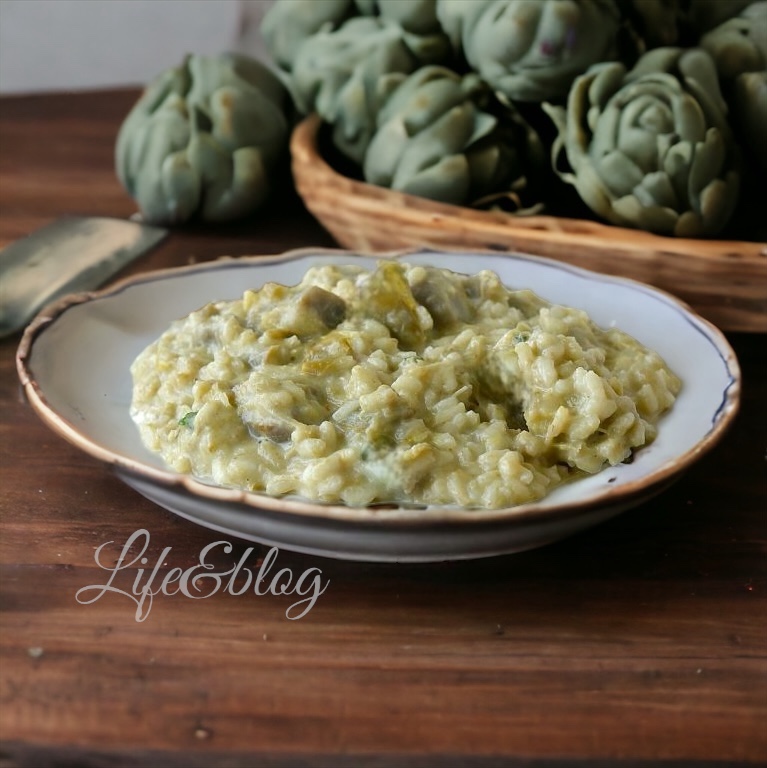
- Difficulty: Easy
- Cost: Economical
- Preparation time: 10 Minutes
- Portions: 4 servings
- Cooking methods: Stovetop
- Cuisine: Italian
- Seasonality: Winter, Spring
Ingredients
The Recipe Step by Step
Artichoke risotto requires special attention to detail. Here is the step-by-step recipe for impeccable results:
- 11 1/4 oz Carnaroli rice
- 4 artichokes
- 1 onion
- 5 1/2 tbsp butter
- 1/2 cup white wine
- 4 1/4 cups vegetable broth
- grated Parmesan cheese (to taste)
- salt (to taste)
- olive oil (to taste)
- lemon juice (to taste)
Tools
Here are some tools that will be useful for making excellent risotto:
- Risotto Pot
- Ladle
- Straight Nozzle
- Knife
- Cutting Board
- Spoon
- Grater
Procedure:
Start by cleaning the artichokes, removing the tougher outer leaves and tips. Cut them into wedges and immerse them in a bowl with water and lemon juice.
Sauté the finely chopped onion with a drizzle of oil in a large pan or saucepan. Once golden, add the drained artichokes and briefly brown them.
Toast the rice in the same pan until it becomes translucent, then deglaze with white wine.
Gradually add the hot vegetable broth, stirring often, and cook over medium-low heat for about 18 minutes
When the rice is al dente and the broth absorbed, turn off the heat and stir in cold butter pieces and Parmesan. Serve the artichoke risotto piping hot, after letting it rest for a minute.
To make a perfect artichoke risotto, it’s important to follow a few chef’s tips. First of all, the risotto should be creamed: once cooked al dente, remove the pan from the heat and add cold butter cubes and Parmesan, stirring vigorously to emulsify everything. This will give your risotto the right creaminess. Don’t be afraid to experiment with aromatic herbs or spices to personalize your dish. A pinch of nutmeg or thyme can enhance the flavor of the artichokes, giving complexity and depth to the risotto.
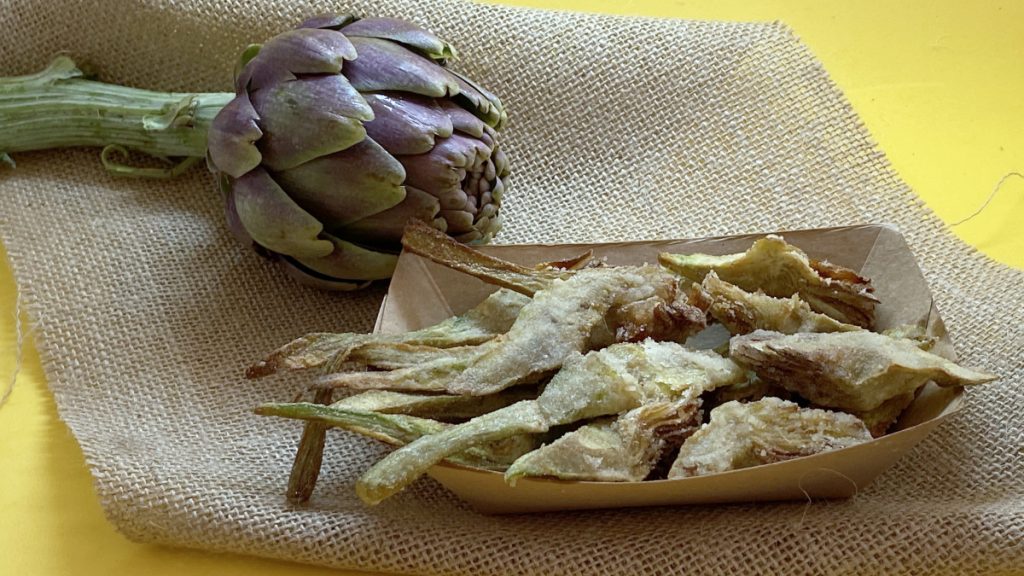
Artichoke risotto pairs perfectly with fresh and fragrant white wines, such as a Verdicchio or a Soave, which with their acidity and floral aromas, can balance the creaminess of the risotto and the intensity of the artichokes. In terms of presentation, aim for simplicity: an adequate portion in a deep plate with a final sprinkle of Parmesan and a parsley leaf can make a difference. Finally, if you want to add a touch of color, you can garnish the dish with some slices of fried artichoke for a pleasant contrast of textures.
Place the chopped onion in the Bimby jug and chop for 5 sec, speed 7.
Add the oil and sauté for 3 min, 212°F, speed 1.
Meanwhile, clean the artichokes, slice them thinly and place them in water with lemon juice to prevent browning.
Insert the butterfly, add the well-drained artichokes and sauté for 3 min, 212°F, reverse, speed soft.
Add the rice and toast for 3 min, 212°F, reverse, speed soft without the measuring cup.
Deglaze with the white wine for 1 min, 212°F, reverse, speed soft without the measuring cup.
Add broth to cover the rice and cook for 13-15 min, 212°F, reverse, speed soft. Check occasionally if more broth is needed.
Taste and, if the rice is al dente, adjust salt and pepper.
Add the butter and Parmesan, cream for 1 min, reverse, speed soft.
Let the risotto rest in the jug for a few minutes before serving.
Tips and Notes
Quality of Artichokes: Choose fresh and seasonal artichokes. Clean them well, removing the tougher outer leaves and the thorny top. Slice the hearts thinly and immerse them in acidulated water with lemon to prevent browning.
Rice: Use suitable rice for risotto, such as Arborio, Carnaroli, or Vialone Nano, which have good starch content and hold cooking.
Broth: Prepare a light vegetable broth or a chicken broth if you prefer a richer flavor. The broth must be kept hot throughout the risotto preparation.
Cooking Artichokes: Cook the artichokes in a separate pan with some oil and garlic until they become tender, then add them to the risotto almost at the end of cooking to preserve their flavor.
Creaming: To make the risotto creamy, add cold butter cubes and grated Parmesan after removing the pot from the heat. Stir vigorously to emulsify the risotto.
Acidity: A pinch of lemon juice or a bit of grated zest can balance the bitterness of the artichokes and add freshness to the dish.
Timing: Risotto waits for no one, it should be served immediately to enjoy its optimal creaminess.
Decoration: Garnish with some chopped parsley leaves or a drizzle of extra virgin olive oil for an extra touch of flavor.
Wine: If you like, you can deglaze the rice with some dry white wine before starting to add the broth.
Cooking: Remember that risotto requires attentive and constant cooking, adding the broth one ladle at a time and stirring frequently.
By following these steps, you should be able to prepare a delicious creamy artichoke risotto. Enjoy your meal!
Try Again
FOLLOW ME ON SOCIALS
FAQ (Frequently Asked Questions)
What is the best type of rice to use for artichoke risotto?
Carnaroli is often preferred for its ability to maintain shape and its high starch content that ensures creaminess, but Arborio and Vialone Nano are also excellent choices.
Should I use fresh artichokes or can I use canned or frozen ones?
Fresh artichokes are ideal for flavor and texture, but if unavailable, you can use frozen or canned ones. Be sure to drain and dry them well before use.
Is it necessary to deglaze the rice with wine?
Deglazing the rice with wine is a common practice that adds depth of flavor, but it’s not strictly necessary. You can omit it if you prefer not to use alcohol.
How much broth should I use for artichoke risotto?
Generally, about three times the volume of broth compared to the volume of rice is used, but this can vary. Add the broth gradually and ensure it is absorbed before adding more.
How can I keep the artichokes green during cooking?
Keep the artichokes immersed in water with a bit of lemon juice until ready to use to prevent oxidation and keep them green.
Can I prepare artichoke risotto in advance?
Risotto is best served immediately. However, you can prepare it up to the point before the last addition of broth and then finish it just before serving.
Which cheese should I use to cream the risotto?
Parmigiano Reggiano or Grana Padano are classic choices that pair well with the artichokes.
What can I do if my risotto is too dry or too liquid?
If it is too dry, add more broth and stir until the desired consistency is reached. If it is too liquid, continue to cook over medium-low heat until it reduces a bit.
Is it possible to make artichoke risotto vegan?
Yes, use vegetable broth and replace butter and cheese with vegan alternatives.
Can I add other ingredients to the artichoke risotto?
Of course, you can personalize by adding shrimp, peas, asparagus, or fresh herbs to vary the flavor.
