
Tuscan grape flatbread: the original recipe!
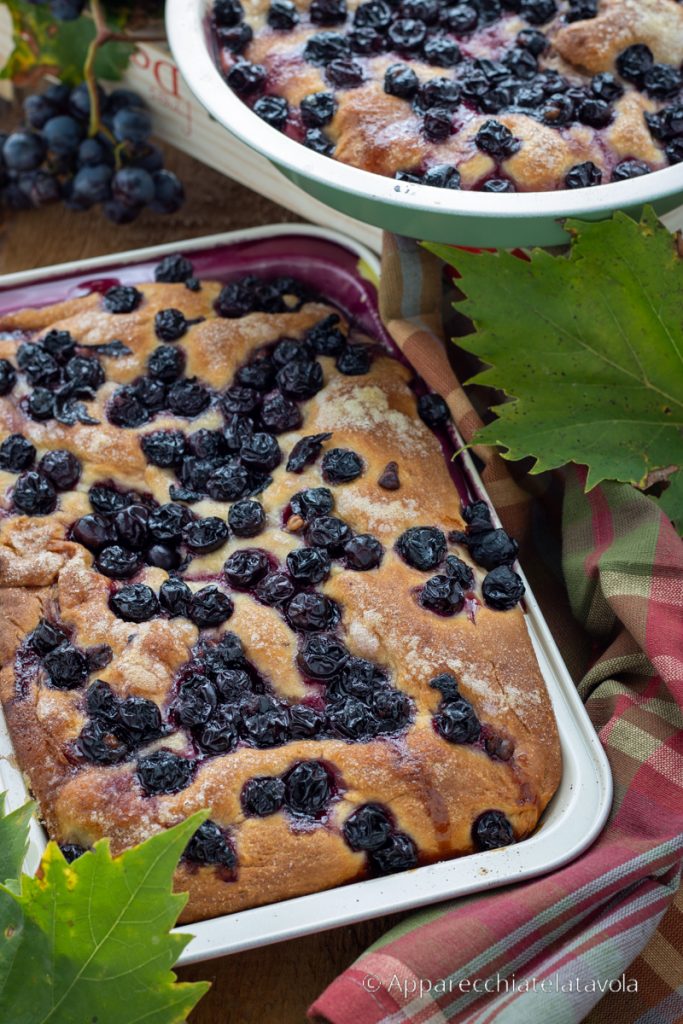
Today I prepared one of the Tuscan recipes I love the most: the original Florentine grape flatbread—and no, it’s not seedless! This dessert, along with the classic grape cake, is among my favorites in fall: fragrant, rustic, linked to the harvest and the authentic flavors of my land. You might remember that some time ago, I proposed it in a quick version, with ready-made bread dough. This time, however, I decided to make the dough at home, inspired by my beloved book of Florentine recipes and adding a personal touch. I used a stand mixer, but you can easily do it by hand if you prefer. In any case, the result was excellent: a soft and flavorful flatbread.
For this recipe, I choose only black wine grapes: Canaiolo or Sangiovese, both with seeds, as is traditional. I know, it may be a bit more cumbersome to eat, but only this way do you get that intense juice that soaks the dough and gives the flatbread its unmistakable flavor. And if you want to give it an extra touch, try adding a teaspoon of anise seeds to the dough: the scent it releases during baking is simply delightful.
Don’t miss it! Below you’ll find all the steps to prepare the original grape flatbread recipe.
See you in the next recipe!!!
TRY ALSO:
- Difficulty: Easy
- Cost: Very cheap
- Rest time: 1 Hour
- Preparation time: 20 Minutes
- Portions: 6 People
- Cooking methods: Oven
- Cuisine: Italian
- Seasonality: Fall
- Energy 552.75 (Kcal)
- Carbohydrates 100.02 (g) of which sugars 53.41 (g)
- Proteins 9.20 (g)
- Fat 16.51 (g) of which saturated 2.37 (g)of which unsaturated 0.22 (g)
- Fibers 3.58 (g)
- Sodium 201.27 (mg)
Indicative values for a portion of 297 g processed in an automated way starting from the nutritional information available on the CREA* and FoodData Central** databases. It is not food and / or nutritional advice.
* CREATES Food and Nutrition Research Center: https://www.crea.gov.it/alimenti-e-nutrizione https://www.alimentinutrizione.it ** U.S. Department of Agriculture, Agricultural Research Service. FoodData Central, 2019. https://fdc.nal.usda.gov
Ingredients: original grape flatbread recipe
- 2.2 lbs black grapes
- 2 3/4 cups all-purpose flour
- 0.7 oz fresh yeast
- 2/3 cup water (lukewarm)
- 8 tablespoons granulated sugar
- 8 tablespoons extra virgin olive oil
- 1 teaspoon anise seeds
- 1 pinch salt
Tools
- Stand Mixer
- Baking Tray
- Pastry Board
- Rolling Pin
- Brush
Recipe: the original grape flatbread
In a glass, dissolve the yeast in a bit of lukewarm water.
In the meantime, pour the flour into the bowl of the stand mixer fitted with a hook. If you prefer to knead by hand, you can do so directly on a pastry board. Add 4 tablespoons of oil, 4 tablespoons of sugar, 1 teaspoon of anise seeds, a pinch of salt, and finally the dissolved yeast.
Start kneading at low speed, then gradually increase until you get a smooth and homogeneous dough that detaches well from the sides of the bowl.
Place the obtained dough in a bowl, cover it with a towel or with plastic wrap and let the dough rise for at least 1 hour (I recommend putting it in a slightly warmed but absolutely turned-off oven).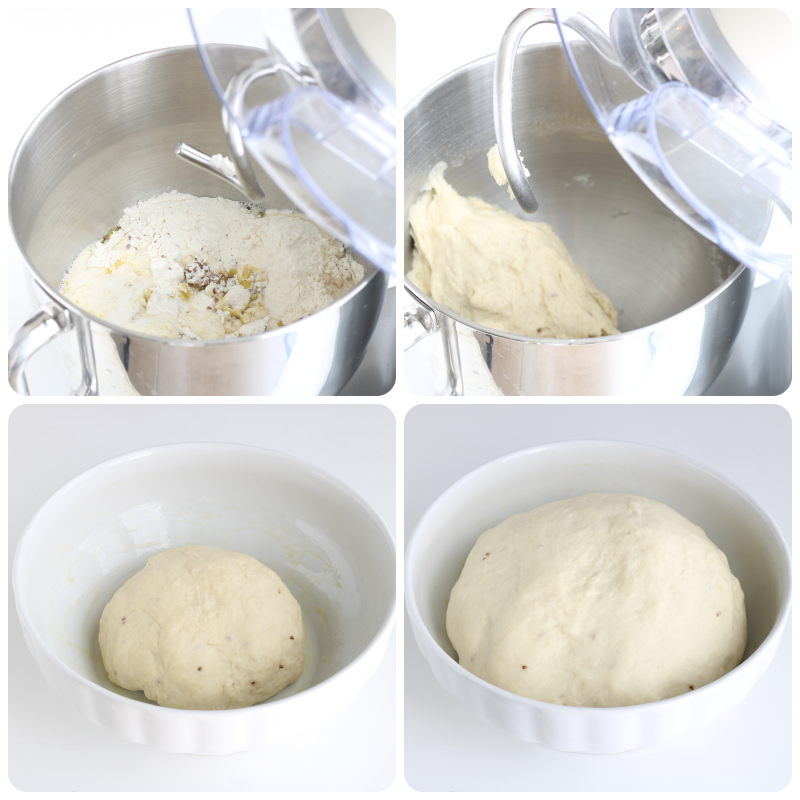
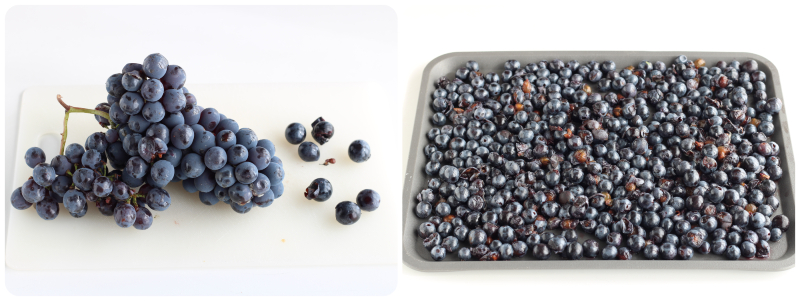
In the meantime, take care of the grapes: gently detach the berries from the clusters, removing any damaged ones. Rinse them under running water and place them on a tray or a clean cloth, allowing them to dry completely.
Once the dough has risen, it’s time to shape the grape flatbread.
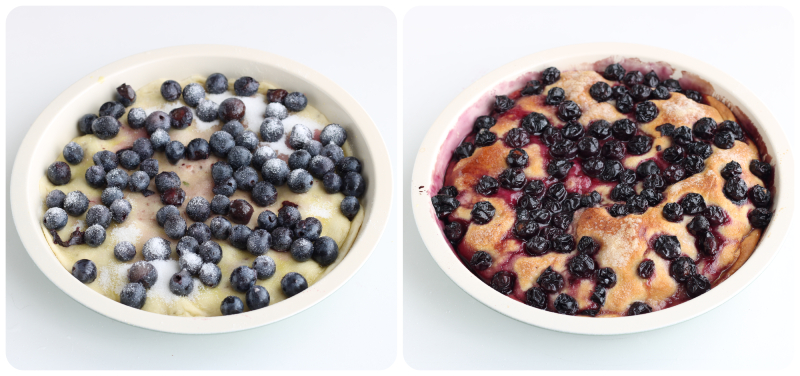
Small note: traditionally, a rectangular baking tray is used, but you can easily use a round one, as I did in an alternative version.
Take a little more than half of the dough and roll it out with a rolling pin until you get a thickness of about 1/2 inch.
Grease the baking tray with a kitchen brush, then place the layer of dough on top. If necessary, use your fingers to spread it well, covering the entire surface.
At this point, brush the surface of the dough with two tablespoons of extra virgin olive oil, then evenly distribute about 1.5 lbs of grape berries (already washed and dried). Finally, sprinkle with 2 tablespoons of sugar.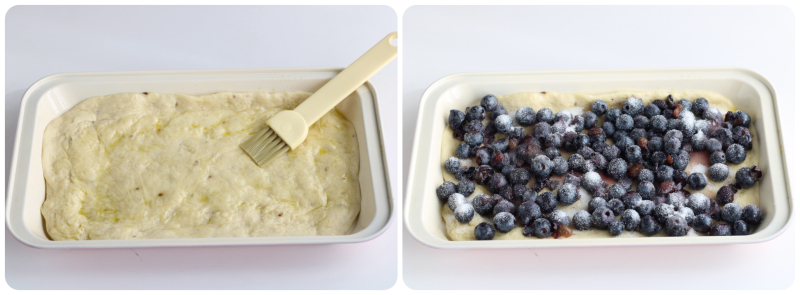
Now repeat the operation with the remaining dough: roll it out into a layer slightly thinner than the base, as the amount is smaller.
Gently place this second layer over the grapes, covering the entire surface. Don’t worry if the dough doesn’t fit perfectly: you can gently spread it with your fingers without pressing too much.
Brush the surface once again with 2 tablespoons of extra virgin olive oil.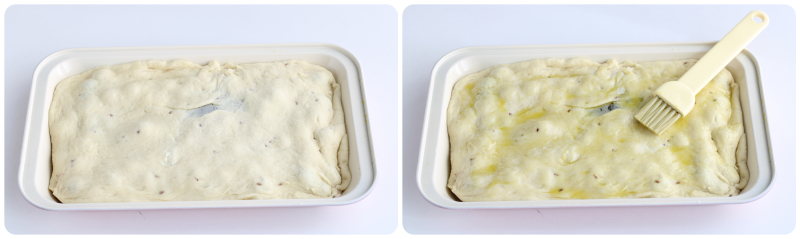
Spread the rest of the grapes evenly over the surface. Finish with another 2 tablespoons of sugar, which will form a light caramelization on the surface during baking.
Bake in a preheated static oven at 350°F for about 45 minutes, until the surface is golden and the grapes are slightly caramelized.
Let it cool before cutting… and enjoy!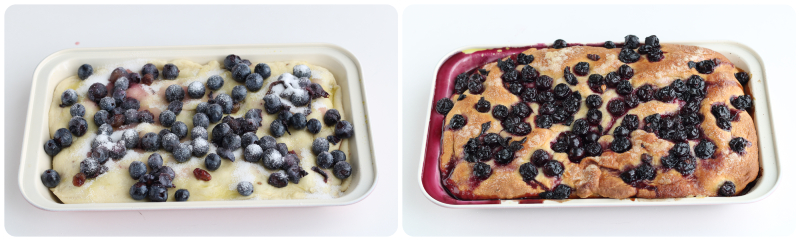
Here’s the version also in a round tray!
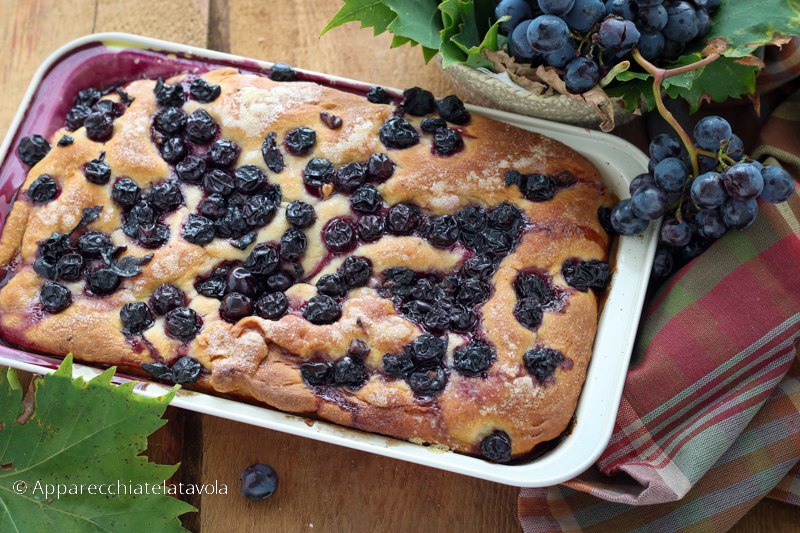
Here it is, my grape flatbread, just as it was (and still is) made in Florentine homes during the harvest. For me, it’s not just a dessert: it’s a scent that fills the kitchen, it’s the oven on in the early days of fall, it’s home.
Storage and Tips
Storage: The grape flatbread keeps well for 2-3 days at room temperature, covered with a clean cloth or under a glass dome. Since it’s a dessert rich in fresh fruit, it’s normal for the grapes to release some juice over time and the dough to become more moist, which is why I recommend enjoying it within the first few days, when it’s at its best.
Tips: If you like the aroma of rosemary, you can flavor the oil: heat it slightly in a small saucepan with a sprig of fresh rosemary (just for a minute, without frying), then let it cool and use it to brush the surfaces of the flatbread. It will give a delicious scent without overpowering the taste of the grapes.
FAQ
What type of grapes are suitable for the original grape flatbread recipe?
The traditional version is made with black wine grapes, like Canaiolo or Sangiovese, small berries, thick skin, and yes, seeds! It’s precisely these grapes that give the authentic, slightly rustic, and slightly tangy flavor.
That said, if you can’t find either of these, you can opt for Concord grapes: they have an intense aroma, natural sweetness, and give the flatbread a really delicious taste. It’s not the most classic, but it’s equally widely used.Can I use seedless grapes?
Yes, you can use them, especially if you want to make the dessert easier to eat for everyone (including children!). However, in the traditional recipe, wine grapes with seeds are used: they are part of the original texture and slightly rustic flavor. I usually don’t remove them, but it’s a personal choice.
When is grape flatbread eaten?
Traditionally, it is prepared in September and October, during the grape harvest. It’s the quintessential Tuscan fall dessert. It’s eaten as a snack or even as a dessert.
