
Bean Hummus: the creamy, velvety dip that will surprise you
If chickpea hummus has become an icon of our aperitifs, it’s time to explore new taste frontiers.
And what better starting point than an ingredient we almost always have in the pantry?
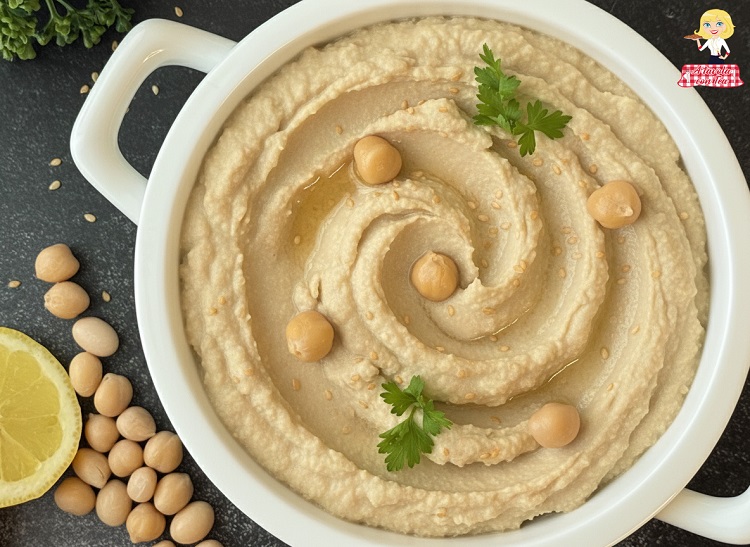
Bean Hummus is a true revelation. This preparation inherits the creaminess and versatility of its more famous cousin, but with its own flavor: more delicate, enveloping, and slightly sweeter.
The secret of this dip lies in a small trick that makes the difference: peeling the beans.
I assure you the result will be an incredibly velvety and smooth texture that will win everyone over at first taste.
Whether you want to enjoy it as a dip for crunchy vegetables, spread it on a slice of toasted bread, or use it as a base for a sandwich, this hummus proves that simplicity can be synonymous with great satisfaction.
It’s a smart idea for an impressive starter, a wholesome finger food, and a brilliant way to turn a common ingredient into a real gem.
- Difficulty: Very easy
- Cost: Very inexpensive
- Preparation time: 15 Minutes
- Portions: 4
- Cooking methods: No cooking required
- Cuisine: Italian
- Energy 43.46 (Kcal)
- Carbohydrates 3.83 (g) of which sugars 0.10 (g)
- Proteins 1.49 (g)
- Fat 2.68 (g) of which saturated 0.39 (g)of which unsaturated 0.87 (g)
- Fibers 1.10 (g)
- Sodium 106.44 (mg)
Indicative values for a portion of 50 g processed in an automated way starting from the nutritional information available on the CREA* and FoodData Central** databases. It is not food and / or nutritional advice.
* CREATES Food and Nutrition Research Center: https://www.crea.gov.it/alimenti-e-nutrizione https://www.alimentinutrizione.it ** U.S. Department of Agriculture, Agricultural Research Service. FoodData Central, 2019. https://fdc.nal.usda.gov
Ingredients BEAN HUMMUS
- 10.6 oz (≈1 7/8 cups) canned cannellini beans (or borlotti)
- 2 tbsp tahini
- 1/2 lemon, juiced
- 1 clove garlic
- to taste salt
- 2 tbsp extra virgin olive oil
- sesame seeds (finely chopped parsley, paprika and cumin seeds for garnish)
Tools
- Kitchen Scale
- Bowl
- Blender / Food processor
Preparation BEAN HUMMUS
First of all, drain the canned beans thoroughly and pat them dry with a kitchen towel. If you want an extra-silky texture, I recommend peeling the beans one by one, removing the outer skin. Peel the garlic clove and measure the tahini. If you’re using a ready-made tahini, stir well before scooping to reincorporate the oil that separates on the surface.
You have two options:
Traditional method (with a mortar): Mash the beans with tahini and garlic, gradually adding the strained lemon juice. If the mixture is too thick, add a few tablespoons of warm water to reach the desired consistency.
Modern method (with a blender/food processor): Put all the ingredients (beans, garlic, tahini, lemon juice and salt) into a blender or food processor. Blend at maximum speed, adding a couple of tablespoons of warm water if needed to obtain a velvety cream. Blend a bit longer if you did not peel the beans.Spoon the hummus into a bowl, check the consistency and, if necessary, add a pinch more salt or pepper. Dress to taste with a generous drizzle of extra virgin olive oil, a touch of finely chopped parsley or sesame seeds. If you want a spicier flavor, add a sprinkle of paprika and cumin seeds. Serve immediately, perhaps with toasted crostini, pita bread or fresh vegetables.
Notes on ingredients and possible substitutions
BEANS The recipe works well with both cannellini and borlotti beans. Choose your preference, but remember to drain and pat them dry.
TAHINI Tahini is a key ingredient for both texture and flavor; if you don’t have it, you can try substituting almond butter or cashew butter, though the taste will change slightly.
Storage
Hummus keeps in the refrigerator in an airtight container for 3-4 days. To keep it fresh, cover the surface with a thin layer of oil.
Alternatives and variations
Bean & walnut hummus: blend 50 g (about 1.8 oz) of walnuts with the other ingredients for a crunchy note and a richer flavor.
With a pop of color: add 1-2 tablespoons of blended roasted red pepper pulp or a few sun-dried tomatoes for a different flavor and color.
Spicy hummus: add a pinch of ground ginger or chili to give it some heat.
Uses and pairings
This hummus is a perfect kitchen ally. It’s ideal to serve as a starter or for an aperitif, accompanied by crostini, pita bread or raw vegetables. You can also use it as a spread for sandwiches, finger sandwiches or as a dressing for salads.
Origins and history of the recipe
Hummus, which in Arabic means “chickpeas,” is an ancient preparation typical of Middle Eastern cuisine. This bean version is a modern variation, born from the desire to enrich a traditional recipe with new flavors and textures while keeping its simple and healthy nature intact.
The secret to creaminess: why peel the beans
Peeling the beans may seem like a tedious task, but it’s worth it. The outer skin is the main cause of lumps and unpleasant textures. By removing it, you’ll get an incredibly smooth, silky and velvety purée that will take your hummus to the next level.
FAQ (Questions & Answers)
1. Can I use dried beans?
Yes, but you’ll need to cook them first. Soak them overnight, then boil in salted water until very tender.
2. What can I use instead of tahini?
Tahini is fundamental, but if you don’t have it you can try sunflower seed butter or, alternatively, a bit of almond butter.
3. Why should I use warm water in the blender?
Warm water helps dissolve the tahini better and makes the hummus creamier and more homogeneous. Add it one tablespoon at a time so you don’t make it too runny.
