
CANESTRELLI FOOLPROOF RECIPE typical Torriglia cookies
I never imagined in life that I would go crazy with joy at the arrival of a package containing a… flower-shaped cookie cutter!
Well yes, I had wanted the right cutter to make canestrelli for years and now I have it!!!!!! Because even if the dough is perfect, the eye wants its share too and the typical daisy shape of canestrelli is simply perfect. If you also want to buy the specific cutter, you can find the right one at this LINK
There are several recipes to prepare this crumbly and delicious cookie but my favorite, typical of Ligurian cuisine, is the canestrello from Torriglia, a small countryside village inland from Genoa, the homeland of this treat.
My grandfather used to take me there as a child to buy them because he had a house nearby in the countryside and even as an adult I continued this “delicious tradition.”
Of course, making them at home is a whole different thing…the aroma they release while baking fills the whole house and once they’re out of the oven they literally disappear in an instant!!!!
They are very simple and quick to prepare; I’ll help you with step-by-step photos. Follow me and it will be child’s play. Here are some other must-try cookie recipes
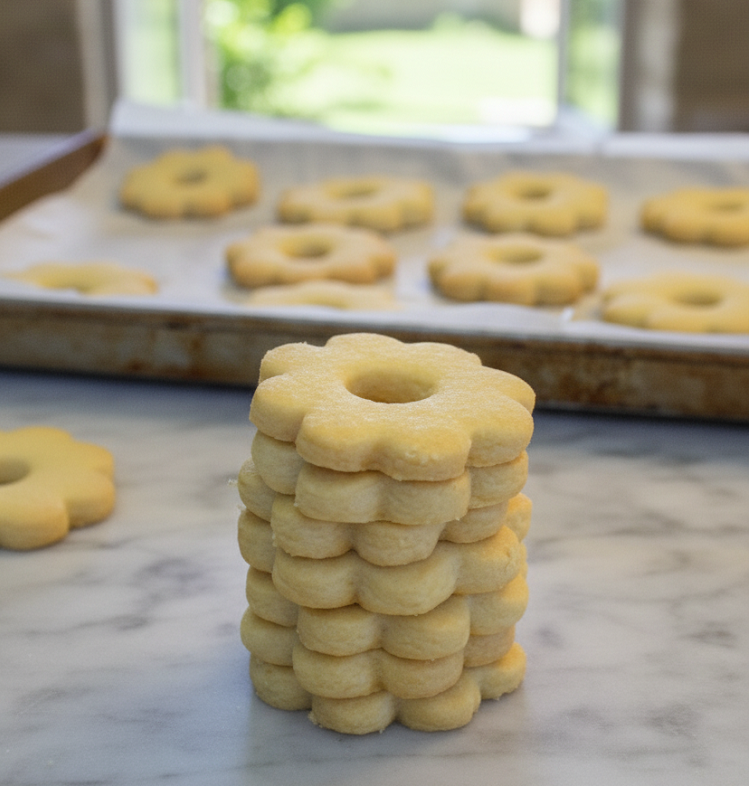
- Difficulty: Very easy
- Cost: Inexpensive
- Preparation time: 15 Minutes
- Cooking time: 15 Minutes
- Portions: about 24 pieces
- Cooking methods: Oven
- Cuisine: Italian
- Energy 289.01 (Kcal)
- Carbohydrates 32.75 (g) of which sugars 11.77 (g)
- Proteins 3.77 (g)
- Fat 16.64 (g) of which saturated 10.55 (g)of which unsaturated 5.92 (g)
- Fibers 0.66 (g)
- Sodium 3.22 (mg)
Indicative values for a portion of 50 g processed in an automated way starting from the nutritional information available on the CREA* and FoodData Central** databases. It is not food and / or nutritional advice.
* CREATES Food and Nutrition Research Center: https://www.crea.gov.it/alimenti-e-nutrizione https://www.alimentinutrizione.it ** U.S. Department of Agriculture, Agricultural Research Service. FoodData Central, 2019. https://fdc.nal.usda.gov
Ingredients
- 2 1/2 cups all-purpose flour
- 3/4 cup + 1 tbsp (≈6.7 oz) cup butter (softened)
- 1/2 cup granulated sugar
- 1 egg yolk
- 1 packet vanillin (vanillina)
- to taste powdered sugar
Tools
- Cookie cutter
Preparation
The first thing you need to do is take the butter out of the fridge because you must use it completely softened (you should be able to easily press your finger into it). Depending on room temperature, this will take about 2–3 hours.
When your butter is well softened, put it in a bowl and beat it together with the sugar using the electric mixer whisks. You should obtain a slightly fluffy, homogeneous cream. Once achieved, add the egg yolk and gently fold it in with a spatula. Mix well until the egg is completely incorporated.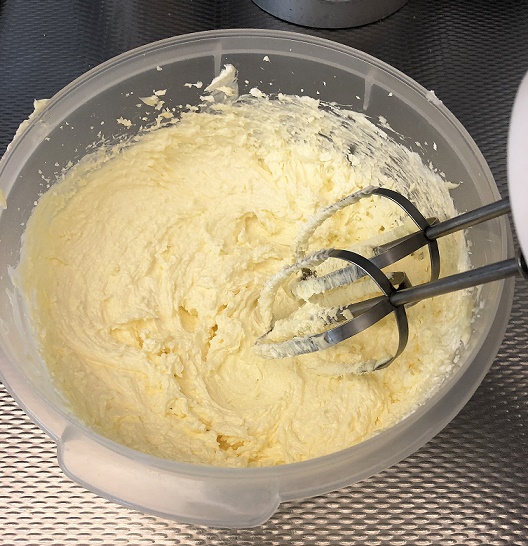
At this point start adding the flour and the vanillin, sifting them into the butter cream and, while continuing to mix with the electric mixer, proceed until you have used all the flour.
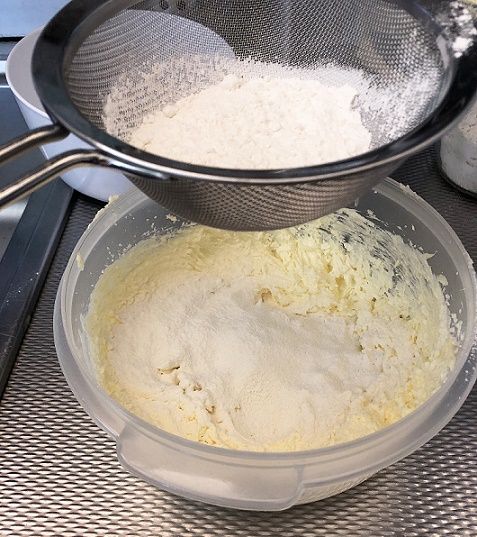
Transfer the mixture to a work surface and knead vigorously until the dough becomes smooth and homogeneous. Fortunately, unlike shortcrust pastry, this dough can be worked immediately and does not need to rest, so get to work right away.
On a lightly floured surface, roll the dough with a rolling pin until it reaches a thickness of a little less than 1 centimeter (about 3/8 inch). Take the special daisy-shaped cutter and begin cutting out the canestrelli.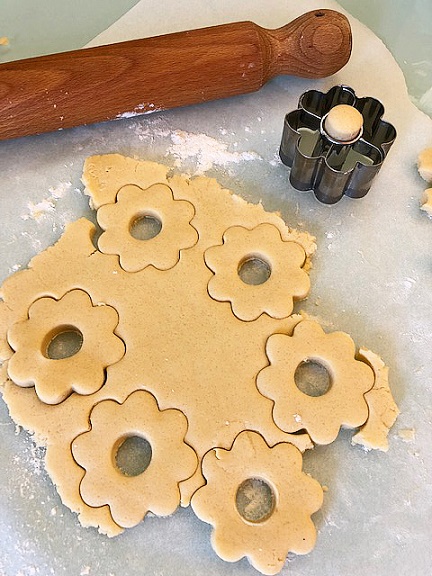
Line a baking sheet with parchment paper and place the canestrelli on it, spaced apart from each other.
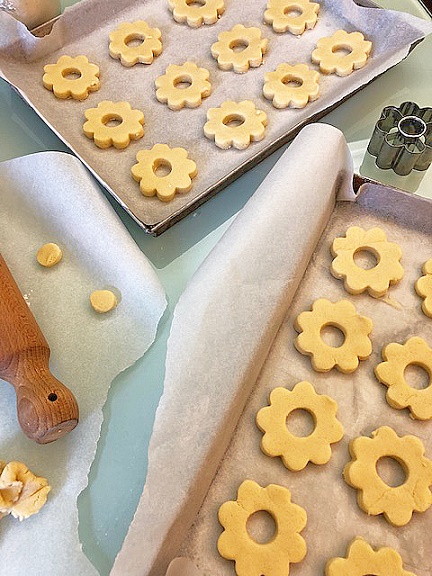
Bake at 190°C (374°F) for about 15–18 minutes. Be careful: they should turn slightly golden but not too dark.
Remove them from the oven and let them cool before serving. If desired, dust them with powdered sugar.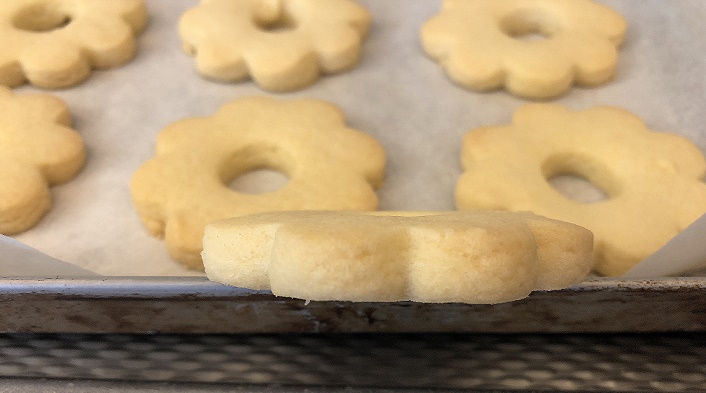
-
WHERE TO FIND THE CANESTRELLI CUTTER
The canestrelli cutter is easy to find online (YOU CAN FIND THE LINK HERE) or in a well-stocked housewares store. Alternatively, you can use a common petal-shaped cookie cutter and make a 1-centimeter (about 3/8 inch) hole in the center with a small round cutter. If you want a more golden color before baking you can brush them with beaten egg white; alternatively, once baked you can dust them with powdered sugar.
Notes on Ingredients
The quality of the ingredients is fundamental for the success of these cookies.
All-purpose flour: you can also use a low-protein cake flour to obtain an even more crumbly texture.
Butter: choose a high-quality butter. The flavor will be very noticeable. It is essential that it be at room temperature so it incorporates well with the other ingredients.
Vanillin: if you prefer a more natural aroma, you can replace the vanillin with the seeds of half a vanilla bean or with a teaspoon of vanilla extract.
Storage
Canestrelli keep in an airtight container or a tin at room temperature for about a week, maintaining their crumbly texture. It is important that they are completely cool before storing.
Alternatives and Variations
Cocoa canestrelli: for a richer version, replace 20 g of flour with 20 g of unsweetened cocoa powder.
Lemon: add the grated zest of one untreated lemon to the dough for a fresh, fragrant touch.
Chocolate canestrelli: once baked and cooled, you can dip half of each cookie in melted chocolate (dark or milk) and let it set on parchment paper.
Pairings and Serving Suggestions
Canestrelli are perfect enjoyed on their own, but they pair wonderfully with a wide variety of beverages. They are ideal with a cup of tea or coffee, and also with milk at breakfast. Their crumbly texture makes them perfect for dipping without completely falling apart. Try them with a small glass of sweet wine, like a Passito, for a refined pairing.
Origins and History of Canestrelli
The history of canestrelli is very ancient and dates back to the Middle Ages. Originally, the name “canestrello” came from the straw “canestrelli” in which they were stored. They were ceremonial cookies, often prepared for religious festivals, weddings and fairs. The original recipe, which varied from village to village, used simple ingredients such as flour, butter and sugar. The most famous version is that of Torriglia, in the province of Genoa, where canestrelli have become a symbol of local pastry-making.
Why Your Canestrelli Will Be Special
The secret ingredient that makes these canestrelli irresistible is not in the recipe, but in the passion you put into them. This dough, unlike other shortcrusts, does not need resting, making the process incredibly fast and rewarding. The texture you will achieve will be unique: a tasting experience that will take you back to simple, genuine flavors. Make them with family, perhaps with children: it’s a perfect recipe for a fun afternoon in the kitchen.
1. Why are my canestrelli hard and not crumbly?
Most likely you overworked the dough after adding the flour. Excessive handling develops gluten, making the cookies tough. Knead only as long as needed to make the dough homogeneous.
2. Can I replace butter with margarine?
You can, but the texture and flavor of the canestrelli will suffer significantly. Margarine does not have the same quality and melting point as butter, which is crucial for the crumbly texture.
3. Why did my cookies darken during baking?
Canestrelli bake quickly. If the oven is too hot or they were left too long, they will darken. Lower the temperature to 180°C (356°F) or check them often after 12–13 minutes of baking. They should remain pale.
