
PANISSA Ligurian recipe
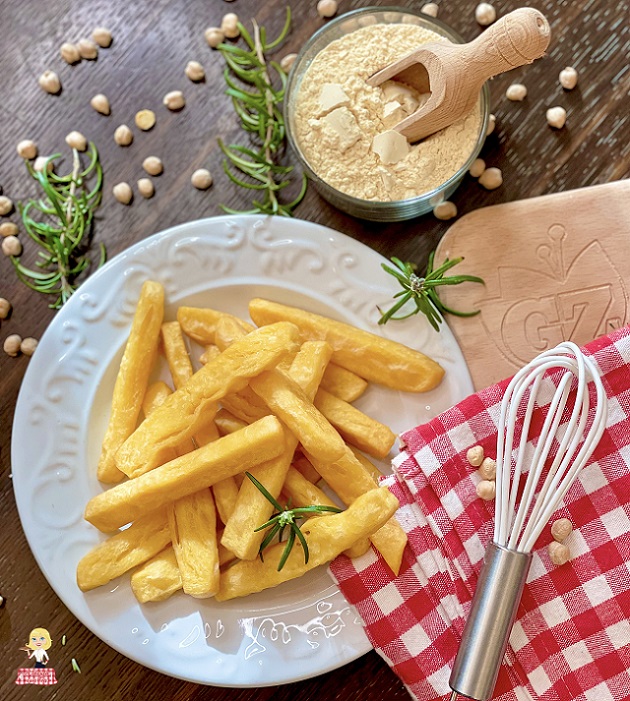
Panissa is a delicious Ligurian recipe, very similar to Sicilian panelle, prepared with the same ingredients as classic farinata: chickpea flour and water. Unlike farinata, however, it is fried and does not include extra virgin olive oil among the ingredients, only oil for frying.
It is a traditional recipe: in the past dried chickpeas in winter were one of the few ingredients available to fishermen who could not go to sea, and they used them to prepare this kind of polenta that was cooled and then served fried and piping hot.
A dish that was therefore precious in the past, and that today has turned into a beloved street food, perfect to accompany an aperitivo or for those who have chosen a vegetarian diet.
Preparing the Ligurian PANISSA is very easy and the method is similar to making polenta; then you can choose whether to fry it or, as sailors (and my grandfather!) used to do, use it in a salad simply dressed with oil, salt and pepper.
Economical, nutritious and tasty, panissa is a traditional recipe to eat on its own, as a snack or as a side to fish: for years it solved the hunger of those who had little money but a big appetite, and today it has become one of the most loved street foods of the Ligurian Riviera.
Try it but be careful, it’s worse than chips… addictive!
- Difficulty: Very easy
- Cost: Very inexpensive
- Rest time: 2 Hours
- Preparation time: 20 Minutes
- Cooking time: 20 Minutes
- Cooking methods: Frying
- Cuisine: Italian
- Energy 477.57 (Kcal)
- Carbohydrates 21.92 (g) of which sugars 4.07 (g)
- Proteins 8.44 (g)
- Fat 40.02 (g) of which saturated 6.60 (g)of which unsaturated 31.01 (g)
- Fibers 4.14 (g)
- Sodium 271.31 (mg)
Indicative values for a portion of 50 g processed in an automated way starting from the nutritional information available on the CREA* and FoodData Central** databases. It is not food and / or nutritional advice.
* CREATES Food and Nutrition Research Center: https://www.crea.gov.it/alimenti-e-nutrizione https://www.alimentinutrizione.it ** U.S. Department of Agriculture, Agricultural Research Service. FoodData Central, 2019. https://fdc.nal.usda.gov
WHAT YOU NEED TO PREPARE FRIED PANISSA
- 2 1/2 cups chickpea flour
- 4 1/4 cups water
- 1 tsp salt
- 1 pinch black pepper (ground)
- peanut oil (for frying)
Tools
- Whisk
- Pot
- Frying pan
HOW TO PREPARE GENOESE PANISSA
First, sift the chickpea flour into a large bowl, then add the salt, a pinch of pepper and mix with a spoon.
Pour the slightly warm water in a thin stream while whisking with a hand whisk to avoid lumps until all the water is incorporated.
When the mixture is homogeneous, transfer it to a pot and cook over very low heat, stirring continuously with the whisk until it begins to firm up.
At this point replace the whisk with a spoon, preferably wooden, and continue cooking while stirring until the mixture starts to pull away from the sides and has thickened.
When cooking is complete, pour the mixture into a greased rectangular mold measuring about 15 3/4 × 10 1/4 in, level the surface with the back of a spoon and let it rest covered with plastic wrap for about 2 hours or until cooled.
Once cold, gently transfer the rectangle of mixture to a cutting board and cut into strips (or cubes if you prefer) with a knife.
Heat peanut oil in a narrow, tall-sided saucepan and when it reaches 338°F immerse the panissa for about 5 minutes until golden.
Drain it with a slotted spoon and transfer to a plate lined with paper towels to absorb excess oil.
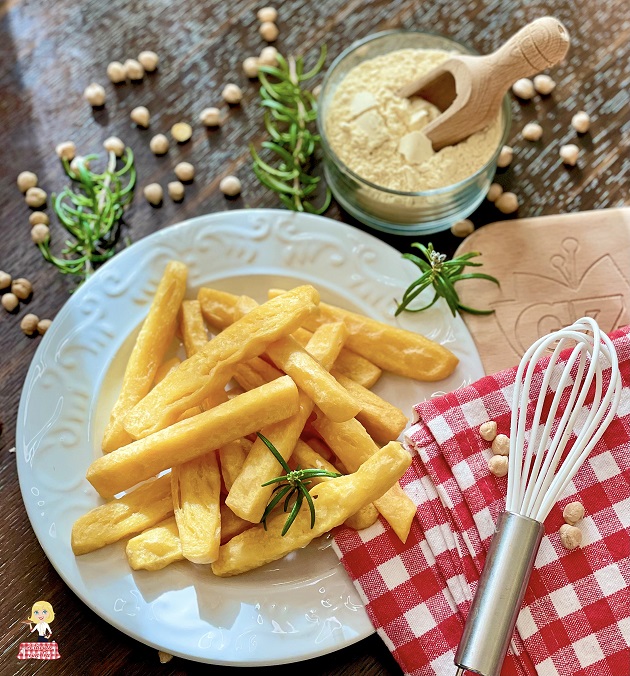
Serve Ligurian panissa hot after seasoning lightly with salt.
Follow my Instagram profile by clicking HERE
STORAGE
Once fried, Ligurian panissa should be eaten immediately and is not suitable for refrigeration because, like all fried foods, it would lose its crispiness.
Unfried, it can be stored in the refrigerator in its mold covered with plastic wrap for 2–3 days.
NOTES
Panissa can also be eaten unfried: simply slice and serve in a salad dressed with oil, salt and pepper and accompanied by fresh spring onions.
ORIGINS OF LIGURIAN PANISSA
One name, two possible dishes: in Piedmont panissa is synonymous with risotto, while in Liguria it represents something else. Originally, panissa was a peasant meal, born from frugal but nourishing ingredients: today it has instead become a tasty street food, a perfect fried snack to enjoy while strolling through the characteristic seaside villages.
FAQ (Questions and Answers)
What is the difference between panissa and paniscia?
The name also appears in very different recipes outside Piedmont. For example, Liguria’s panissa is a sort of chickpea flour flatbread similar to farinata; and the paniscia of Val Badia, in South Tyrol, is a kind of barley soup.
What is Ligurian panissa?
Ligurian panissa: chickpea flour polentas, golden and crispy.
What is the difference between panissa and farinata?
The Ligurian panissa recipe is indeed made with the same ingredients as chickpea farinata: chickpea flour, water and salt. Unlike farinata, however, Liguria’s panissa is cut into thicker strips very similar to Sicilian panelle.
What is the difference between Ligurian PANISSA and Vercelli PANISSA?
If you are in Piedmont, specifically in the Vercelli area, asking for a “panissa” will get you their typical risotto with beans and pork rind; in Liguria, however, ordering panissa will have you enjoying a tasty snack to nibble as a street aperitif.
