
Pumpkin and Salted Caramel Cheesecake: The Secret for a Crack-Free Filling and Perfect Caramel
I love all cheesecakes and enjoy experimenting with new versions: this Pumpkin and Salted Caramel Cheesecake combines diverse flavors in one dessert.
But anyone who makes them knows that each version, baked or raw, has its pitfalls. In this recipe, the main issue is twofold:
Cracked Filling: Baked cheesecakes (like New York style) often crack and split on the surface due to thermal shock or overly aggressive baking.
Difficult Caramel: Salted caramel can easily crystallize (becoming grainy) or burn (becoming bitter).
Here’s the secret to getting a smooth filling and perfect caramel:
Slow Cooking (Cheesecake): To avoid cracks, you need to bake the cheesecake at a low and prolonged temperature and, most importantly, let it cool slowly inside the turned-off oven (leaving the door slightly open). This prevents thermal shock.
Dry Caramel: For the caramel, you need to melt the sugar dry (without water) and without ever stirring until golden. Adding the butter and cream (warm!) should be done slowly to prevent the caramel from hardening.
Its velvety texture pairs perfectly with the crunchy base and the irresistible contrast of the salted caramel.
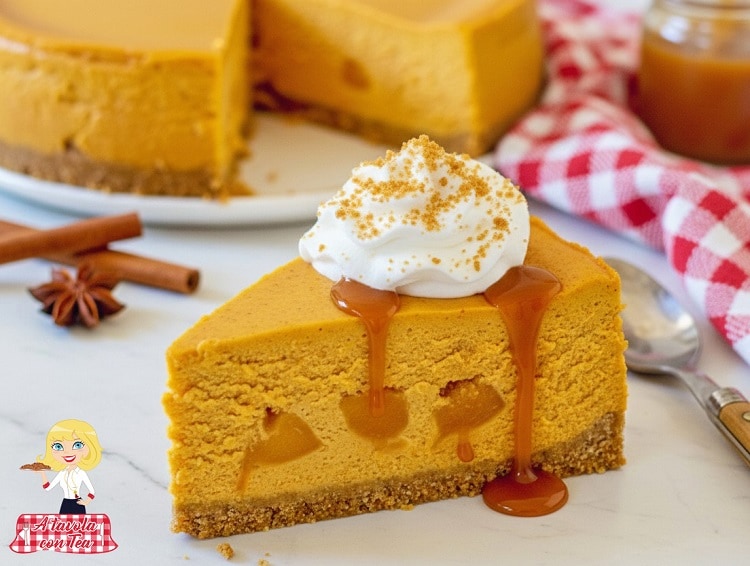
- Difficulty: Easy
- Cost: Economical
- Rest time: 3 Hours
- Preparation time: 20 Minutes
- Cooking time: 1 Hour 20 Minutes
- Portions: springform pan diameter 8/9 inches
- Cuisine: Italian
PUMPKIN CHEESECAKE WITH SALTED CARAMEL INGREDIENTS
- 6 oz Digestive biscuits
- 5.6 oz butter (melted)
- 1 tsp ground cinnamon
- 1 lb cream cheese
- 2 eggs (+ 1 yolk)
- 5.3 oz sugar
- 3.4 fl oz sour cream
- 4.4 oz Mantovana pumpkin (puree)
- 2 tbsp milk
- 6.4 fl oz heavy cream
- 9.2 oz granulated sugar
- 4.2 oz butter (cold, cubed)
- 1.4 tbsp fine salt
Tools
- Kitchen scale
- Baking dish
- Blender
- Springform pan
- Bowl
PUMPKIN CHEESECAKE WITH SALTED CARAMEL PROCEDURE
Peel the pumpkin (you will need about 10.5 oz raw), remove the seeds, and cut it into slices about 0.4 inches thick. Bake it in a preheated oven at 350°F for 15 minutes or until soft. Let it cool, then blend with the sour cream and milk until smooth. Meanwhile, finely chop the biscuits with the cinnamon, mix in the melted butter, and press the mixture into the base of a 8-inch springform pan lined with parchment paper. Bake at 350°F for 10 minutes, then remove and let cool.
In a bowl, beat the whole eggs and yolk with the sugar until light and fluffy. Add the cream cheese, pumpkin puree, and remaining sour cream, stirring gently until smooth and lump-free.
Pour the cream over the biscuit base and bake in a static oven at 320°F for about 1 hour. The cheesecake will be done when it is still slightly wobbly in the center (it will firm up completely as it cools). Let it cool gradually in the turned-off oven with the door slightly open, then refrigerate for at least 3 hours.
In a thick-bottomed saucepan, melt the sugar over medium/low heat without stirring. Swirl the pan occasionally to promote even melting. Once it turns golden, remove from heat, add the cold butter and salt, stirring vigorously. Slowly pour in the hot cream (beware of the steam!) and continue stirring until you have a smooth, lump-free sauce. Let it cool in a jar.
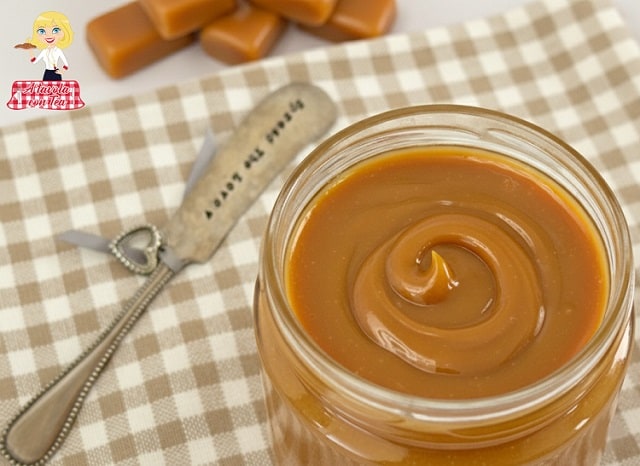
When ready to serve, top each slice of cheesecake with a generous dollop of salted caramel.
Notes on ingredients and possible substitutions
Pumpkin: Mantovana pumpkin is ideal, but you can also use butternut or other varieties that are not too watery.
Biscuits: Instead of Digestives, you can use plain cookies, shortbread, or even spiced cookies (like Speculoos) for an extra touch.
Cream cheese: Choose a high-quality cheese. Sour cream can be replaced with whole Greek yogurt for a similar result.
Caramel: For a quicker version, you can use ready-made salted caramel, but homemade has a completely different flavor.
Storage
The cheesecake can be stored in the refrigerator for 3-4 days, covered with plastic wrap or in an airtight container. You can also freeze it already portioned. To defrost, leave it in the refrigerator for several hours.
Alternatives and variations for all tastes
Pumpkin and chocolate cheesecake: Add 1.8 oz of melted dark chocolate to the filling for a more intense flavor.
Gluten-free base: Use gluten-free cookies for a version suitable for everyone.
Spiced cheesecake: Add a mix of spices like nutmeg, ginger, and cloves to the filling for an even more autumnal flavor.
Usage and pairings
This cheesecake is a perfect dessert for any occasion. It pairs wonderfully with a sprinkle of cinnamon or chopped pecans over the caramel sauce. You can serve it with a glass of dessert wine or liqueur.
Origins and history of cheesecake
The origin of cheesecake is much older than you might think. The first “cheese cake” dates back to ancient Greece, served to athletes during the Olympic Games. Over the centuries, the recipe evolved, traveling around the world and adapting to different cultures, until it became the classic dessert we know today. The pumpkin variant is a typically American tradition, linked to Thanksgiving celebrations.
The secret to the perfect cheesecake
The true secret to a crack-free and velvety-textured cheesecake lies in how you cook and cool it. Do not exceed 320°F and, once cooked, turn off the oven and let it cool inside with the door slightly open. This slow and gradual step avoids the thermal shock that usually causes unsightly cracks on the surface.
Why pumpkin and caramel are a winning combination
Pumpkin and salted caramel are not only delicious together, but they complement each other. The natural, earthy sweetness of the pumpkin is perfectly highlighted and balanced by the savory note of the salted caramel. The combination of the creamy smoothness of the filling and the crunchiness of the caramel creates a unique sensory experience, a balance of flavors and textures that makes this dessert irresistible.
FAQ
1. Can I use pre-cooked and frozen pumpkin?
Yes, you can use it without any problems. Just make sure to thaw and squeeze it well to remove excess water before blending it into the puree.
2. Can I substitute the cream cheese?
You can use ricotta or a mix of ricotta and mascarpone, but the texture and flavor might vary slightly.
3. My cheesecake cracked on the surface, why?
Cracks typically form due to overbaking or cooling too quickly. Follow the baking tips and let the dessert cool gradually in the turned-off oven.
