
Roman-Style Pumpkin Gnocchi: The Secret to a Dense Dough that Doesn’t Break
Roman-style gnocchi have been my favorite dish since I was a child. The pumpkin version might be even better, and, most importantly, it’s a way to get my son to eat vegetables without realizing it!
The main issue with Roman-Style Gnocchi is related to the semolina dough: if the cooking isn’t precise, the dough can be too soft, crumble when you try to cut it into disks, or not hold the shape during gratin.
I’ll share the secret for a smooth, dense dough perfect for cutting:
Sprinkle Semolina: You need to sprinkle the semolina very slowly into the hot milk and stir vigorously with a whisk. This is the only way to avoid lumps and achieve a smooth and homogenous mixture.
Drying in the Pot: After removing the dough from the heat, you should continue to work it in the pot for a minute or two, to dry it as much as possible. The less moisture it has, the more compact and easier it will be to cut.
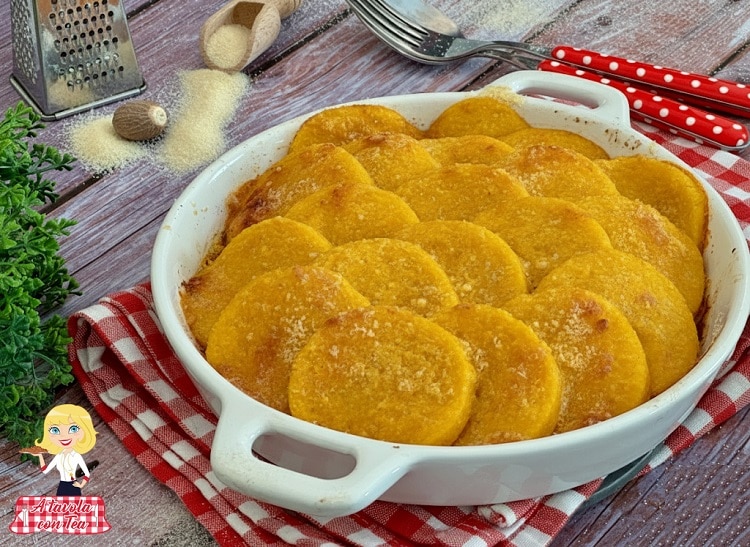
This recipe combines the sweetness of pumpkin and the saltiness of Parmesan, ensuring a velvety interior and that golden, crispy crust on the surface.
- Difficulty: Easy
- Cost: Very cheap
- Preparation time: 15 Minutes
- Portions: 4
- Cooking methods: Oven
- Cuisine: Italian
Ingredients ROMAN-STYLE PUMPKIN GNOCCHI
- 1.1 lbs pumpkin (cleaned pulp)
- 1 qt whole milk
- 1.25 cups semolina (remilled durum wheat)
- 1 egg
- 3.5 tbsp butter
- 0.4 cups grated Parmesan cheese
- to taste nutmeg
- to taste salt
- black pepper
- 3 tbsp butter
- 0.4 cups Taleggio cheese (or other soft cheese)
- to taste grated Parmesan cheese
- 0.25 cups toasted hazelnuts
- 1 pinch black pepper
Tools
- Food scale
- Baking Pan
- Saucepan
- Cookie Cutter
Instructions ROMAN-STYLE PUMPKIN GNOCCHI
First, clean the pumpkin: remove the skin, seeds, and fibers, obtaining about 1.1 lbs of pulp. Cut it into cubes and place them on a baking sheet lined with parchment paper. Bake in a preheated oven at 355°F for 20-25 minutes, or until tender. Remove, let it cool slightly, and mash the pumpkin with a potato masher until you get a smooth puree. Let it cool completely.
In a large saucepan, bring the milk to a boil with a pinch of salt. As soon as it starts boiling, sprinkle in the semolina, stirring vigorously with a whisk to avoid lumps. Cook over low heat, stirring continuously, until the mixture thickens and detaches from the sides (about 5-7 minutes).
Remove the saucepan from the heat. Add the butter, a generous grating of nutmeg, a pinch of black pepper, and the grated Parmesan cheese. Stir well until the butter is completely melted. Incorporate the egg and finally the cooled pumpkin puree, mixing until you get a homogeneous dough with a nice orange color.
Transfer the still-warm mixture onto a baking sheet (approx. 12×16 inches) lightly greased with oil or lined with parchment paper. With the back of a moistened spoon, spread the dough to a uniform thickness of about 0.4 inches. Let it cool completely (even in the fridge to speed up) until well set. Use a round cookie cutter with a 1.6-inch diameter to cut out disks.
Butter a baking dish. Arrange the gnocchi disks slightly overlapping, forming a single layer. Brush the surface with melted butter, distribute the pieces of taleggio, and a generous sprinkle of Parmesan cheese. Add the coarsely chopped hazelnuts. Bake in a preheated oven at 355°F for about 20 minutes, then set the grill to the highest power for another 5 minutes, or until the surface is golden and crispy.
Notes on Ingredients and Substitutions
Pumpkin: Choose a pumpkin with firm and sweet flesh, like Delica, Mantovana, or Butternut. Baking will enhance its sweetness.
Semolina: Use remilled durum wheat semolina, the fine polenta or semolina for gnocchi. The right grain is crucial for the texture.
Cheeses: Parmesan is irreplaceable for its flavor. For gratinating, taleggio melts beautifully and adds a touch of creaminess and a decisive taste. If you don’t like it, you can use fontina, sweet scamorza, or a mix of parmesan and pecorino.
Hazelnuts: Hazelnuts add a crunchy and aromatic note. If you don’t have them, you can use walnuts, sliced almonds, or pine nuts.
Storage
Roman-style pumpkin gnocchi are best enjoyed freshly baked. If there are leftovers, you can store them in an airtight container in the refrigerator for 1-2 days and reheat them in the oven before serving.
My tip on how to prevent Gnocchi from becoming Rubbery or Falling Apart
The most common mistake in this recipe is ending up with rubbery gnocchi (too much semolina) or that fall apart (too much liquid/watery pumpkin). The key is the Semolina/Milk ratio (1:4) and the cooking speed on the stove. Once the semolina is poured into the milk, stir vigorously and cook only until the dough detaches from the pot. Once this consistency is reached, remove immediately from the heat. The dough should not overcook, but just absorb the liquid. The egg yolk and butter, added off the heat, bind the dough and add softness, stabilizing the structure before rest.
Alternatives and Variations
Eggless Pumpkin Gnocchi: For an egg-free version, you can omit them; the dough will still be stable enough.
Alternative Cheese: If you don’t like Taleggio, you can replace it with Fontina, smoked provola for a decisive touch, or sweet Asiago.
Added Flavors: During the semolina preparation, you can add a pinch of finely chopped rosemary or some sage leaves for a more rustic aroma.
Gnocchi with Gorgonzola and Walnuts: For a stronger flavor, you can use sweet gorgonzola instead of taleggio and chopped walnuts instead of hazelnuts for garnish.
Usage and Pairings
Roman-style pumpkin gnocchi are perfect as a rich and satisfying main course. They pair well with a fresh seasonal salad to balance the richness of the dish. For a wine pairing, I suggest a medium-bodied white, like a Vermentino di Gallura or a Soave Classico.
Origins and History of the Recipe
Roman-style gnocchi, in their classic semolina-based version, are a typical dish of Lazio cuisine, particularly Rome. Their origins probably date back to the “poor” or peasant cooking, which valued simple ingredients like semolina. The pumpkin variant is a more modern evolution, fitting into the tradition of enriching classic dishes with seasonal products, in this case, the sweetness of pumpkin, making them even more delicious and suitable for the colder months.
FAQ (Questions and Answers)
1. Can I use pre-cooked or frozen pumpkin?
Yes, you can use steamed or frozen pumpkin; the important thing is that it is well dried to not compromise the dough’s consistency. If it’s too watery, you’ll risk a mushy dough.
2. The gnocchi don’t detach well from the cookie cutter, what can I do?
Slightly moisten the edges of the cookie cutter with some water or grease them with a little oil. Make sure the dough is completely cooled and well firm.
3. Can I prepare them in advance and freeze them?
Yes, you can prepare the gnocchi (up to the disk phase) in advance. Arrange them on a tray, well spaced, and freeze them. Once hardened, you can transfer them to a food bag. Then cook them directly from frozen in the oven, slightly extending the cooking times.
Can I use dessert semolina instead of durum wheat semolina?
No, for Roman-Style Gnocchi you need to use durum wheat semolina (the one for pasta, often called “remilled semolina” or “semolina”). Dessert semolina has a different grain size and doesn’t absorb the milk in the same way, compromising the final consistency of the disk.
If the dough is too soft before resting, what can I add?
If the dough is too soft, probably the pumpkin was too watery. You can add an extra tablespoon of semolina and cook the mixture for another 30 seconds on low heat. Alternatively, you can add a bit more grated Parmesan, which helps to dry and flavor.
What is the alternative if I don’t have a cookie cutter?
If you don’t have a cookie cutter, you can cut the cooled dough into small squares or diamonds with a smooth knife. The taste will be the same, but the shape will be less traditional. Alternatively, you can use the rim of a shot glass as a mold.
