
Spiced Pumpkin Cake: The Secret to a Moist and Soft Dough That Doesn’t Stay Raw
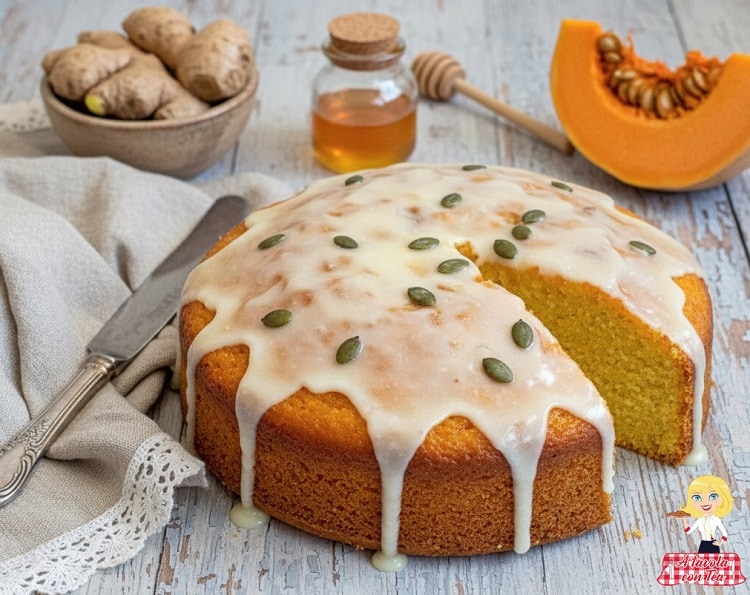
Today I take you to the heart of autumn with the Pumpkin Cake with Honey Glaze.
Forget dry and characterless cakes.
Pumpkin is a wonderful ingredient, but the problem with pumpkin puree cakes is that the dough can turn out too heavy, not rise well or, due to the high moisture content of the vegetable, stay raw in the center after baking.
Here’s the secret to an incredibly moist, soft, and perfectly cooked cake:
Dry Pumpkin: It is essential to bake the pumpkin instead of boiling it to evaporate the excess water and concentrate the flavor. After making the puree, you can also let it drain briefly in a colander.
Leavening Agent: To balance the weight of the pumpkin, ensure the leavening agents (baking powder and baking soda) are fresh and that the batter is whipped long enough with the eggs to incorporate air.
Once you have this soft and velvety base, the enveloping spices and the sweetness of honey transform this cake into a sensory experience.
This cake will be the perfect choice for breakfast or a snack.
- Difficulty: Very Easy
- Cost: Economical
- Preparation time: 45 Minutes
- Portions: 9.5-inch diameter cake pan
- Cooking methods: Oven
- Cuisine: Italian
Ingredients PUMPKIN CAKE WITH GLAZE
- 6 1/2 tbsp granulated sugar
- 6 1/2 tbsp brown sugar
- 3/4 cup butter (soft)
- 1 pinch salt
- 2 eggs (large)
- 1 tsp vanilla extract
- 1 cup delica pumpkin (cooked delica pumpkin pulp)
- 1 1/2 cups all-purpose flour
- 1 tsp spices (for gingerbread)
- 1 packet baking powder
- as needed butter (and flour for dusting the pan)
- powdered sugar (about 100-150g, adjust to taste)
- as needed honey (about 2-3 tablespoons)
- pumpkin seeds (for decorating)
Tools
- Kitchen Scale
- Stand Mixer
- Sieve
- Springform Pan
- Bowl
Procedure PUMPKIN CAKE WITH GLAZE
Start by putting the two types of sugar (granulated and brown) in the bowl of the stand mixer (or in a large bowl if you are using electric beaters) along with the pinch of salt and vanilla extract. Add the butter, which should be at room temperature and cut into pieces. Turn on the beaters at medium speed and work the mixture until you get a light, fluffy, and well-mixed mass, like a cream. MY ADVICE: This step is crucial for incorporating air and making the cake fluffy.
Add the eggs, one at a time. MY TRICK: It’s very important to wait until the first egg is fully absorbed into the batter before adding the next one. This prevents the batter from “breaking” and ensures a homogeneous consistency.
It’s time to add the cooked pumpkin pulp and the spices (for gingerbread or cinnamon). Gently mix with the beaters on low speed, or with a spatula, just until all the ingredients are well combined. BE CAREFUL: Do not overwork the batter at this stage.
Sift the all-purpose flour with the baking powder. Add them to the batter in two or three batches, gently stirring with a spatula or the beaters on low speed, only until the flour is fully incorporated. Excessive mixing can develop too much gluten and make the cake less fluffy.
Take a springform pan (24 cm) and butter it thoroughly. Then dust it with flour, turning the pan to cover all the walls and removing the excess by turning it upside down and tapping gently. Spread the batter evenly in the pan. Bake in the preheated ventilated oven at 350°F for about 45 minutes. The cake will be done when a skewer inserted into the center comes out clean and dry.
Let the cake cool completely before glazing it. For the glaze, in a bowl mix the powdered sugar with the honey, adding very little water (or orange/lemon juice) if necessary, until you obtain a dense but pourable consistency. Pour the glaze over the cake and let it drip freely over the edges. Complete the decoration with a few pumpkin seeds on top.
Notes on Ingredients and Possible Substitutions
Delica Pumpkin: It is my favorite for desserts, thanks to its firm and sweet pulp. You can also use Hokkaido or Mantovana pumpkin. Make sure the pulp is well-cooked (steamed or baked) and pureed finely, without lumps and well-drained of excess water to avoid weighing down the batter.
Brown Sugar: It adds a rustic touch and a deeper flavor compared to granulated sugar alone. If you don’t have it, you can use only granulated sugar (160g in total), but the result will be slightly less complex.
Gingerbread Spices: This spice mix is the key to the autumn aroma! It usually contains cinnamon, cloves, nutmeg, allspice, and ginger. If you can’t find it, you can create your own mix with ½ teaspoon of cinnamon, ¼ teaspoon of grated nutmeg, a pinch of ground cloves, and a pinch of allspice.
Vanilla Paste: It has a more intense aroma compared to extract. If using extract, the dose remains the same.
All-Purpose Flour: You can substitute it with type 1 flour for a more rustic flavor, but the cake might be slightly less fluffy. I don’t recommend gluten-free flours unless you are experienced in balancing the doses with added starches.
Butter: You can use a good quality vegetable margarine for a lactose-free version, but the taste of butter is irreplaceable.
Storage
The Pumpkin Cake with Honey Glaze keeps perfectly at room temperature, under a glass dome or well-sealed in an airtight container, for 3-4 days. If it’s very hot, you can store it in the refrigerator, but remember to take it out at least half an hour before serving to enjoy it at its best. You can also freeze individual slices (without the glaze, which you can add later) wrapped in plastic wrap for up to 1 month.
Recipe Alternatives and Variants
With Chocolate Chips: For an extra indulgent touch, you can add 50-80g of dark chocolate chips to the batter along with the flour.
Without Glaze: If you prefer a simpler dessert, you can dust the cake with simple powdered sugar once cooled.
With Walnuts or Almonds: For extra crunch and a more intense flavor, add 50g of coarsely chopped walnuts or almonds to the batter.
Citrus Glaze: For a fresher note, you can substitute part of the honey in the glaze with orange or lemon juice.
Marble Cake: For an interesting visual effect, separate a small portion of the batter before adding the pumpkin and mix it with 2 teaspoons of unsweetened cocoa powder. Spoon the two batters into the pan and swirl them slightly with a toothpick to create a marbled effect.
Usage and Pairing
This Pumpkin Cake with Honey Glaze is incredibly versatile!
Breakfast or Snack: Pair it with coffee, a cappuccino, black tea, or a spiced herbal tea.
Dessert: Served as a dessert, it pairs beautifully with a scoop of vanilla ice cream, warm custard, or simply with a dollop of whipped cream.
Sweet Aperitif: Cut into small cubes, it can be an original idea for a sweet aperitif with friends, perhaps with a glass of dessert wine or warm apple cider.
Origins and History of Pumpkin Cake
Pumpkin cake, or “Pumpkin Pie” as it is more commonly known in the Anglo-Saxon world, has deep roots in North American culinary tradition, particularly linked to Thanksgiving celebrations. Native Americans already cultivated pumpkins and used them in various ways. With the arrival of European settlers, pumpkin began to be incorporated into recipes reminiscent of the puddings and pies of the time.
The earliest versions were not pies in the modern sense but rather hollowed-out pumpkins filled with a mixture of milk, honey, spices, and apples, then baked in the ashes. Over time, the use of shortcrust pastry and European baking techniques gave rise to the pumpkin pie we know today, a symbol of abundance and gratitude, especially in autumn. Our version, with its softness and honey glaze, is a more “cake-like” reinterpretation, perfect for any occasion and to celebrate the richness of autumn flavors.
Extra Tips
Perfect Pumpkin: For ideal pumpkin pulp, bake it (cut into pieces with the skin, at 350°F until tender) or steam it. Avoid boiling, which makes the pulp too watery. Once cooked, mash it well with a fork or pass it through a food mill and let it cool and drain in a fine-mesh colander to remove any excess liquid.
Soft Butter: Remember that the butter should be really at room temperature, not melted. If it’s too cold, it won’t blend well; if it’s too warm, it will make the batter too liquid.
Don’t Open the Oven: Resist the temptation to open the oven during baking, especially in the first 30 minutes, to prevent the cake from deflating.
FAQ (Questions and Answers)
Can I make the cake in advance?
Absolutely yes! In fact, I’ll tell you a secret: this cake is even better the next day when the flavors have had time to meld perfectly. You can make it even two days in advance and store it under a glass dome.
Why did my cake deflate during baking?
There are several reasons: the oven door may have been opened too soon, the baking powder may have expired, or the batter may have been overworked after adding the flour. Make sure the ingredients are at room temperature and follow the steps carefully.
What is the best way to cook the pumpkin for this recipe?
The best way is to bake it (cut into pieces with the skin, at 350°F until tender) or steam it. These methods allow the pumpkin to retain its sweet flavor and dry consistency, ideal for the batter. Avoid boiling it, as it would absorb too much water and make the cake less compact.
