Chicory is a typical vegetable of Italian cuisine, appreciated for its bitter taste and versatility in cooking.
Chicory is “Friend of the liver and not contrary to the stomach.” Thus defined by the physician Galen.
It is rich in fiber, particularly inulin: a soluble fiber useful in controlling blood sugar.
Wild chicory or field chicory is an edible wild herb with digestive and diuretic properties.
When not available, I buy Catalonia chicory or field chicory, less bitter and more delicate, with a taste similar to lettuce.
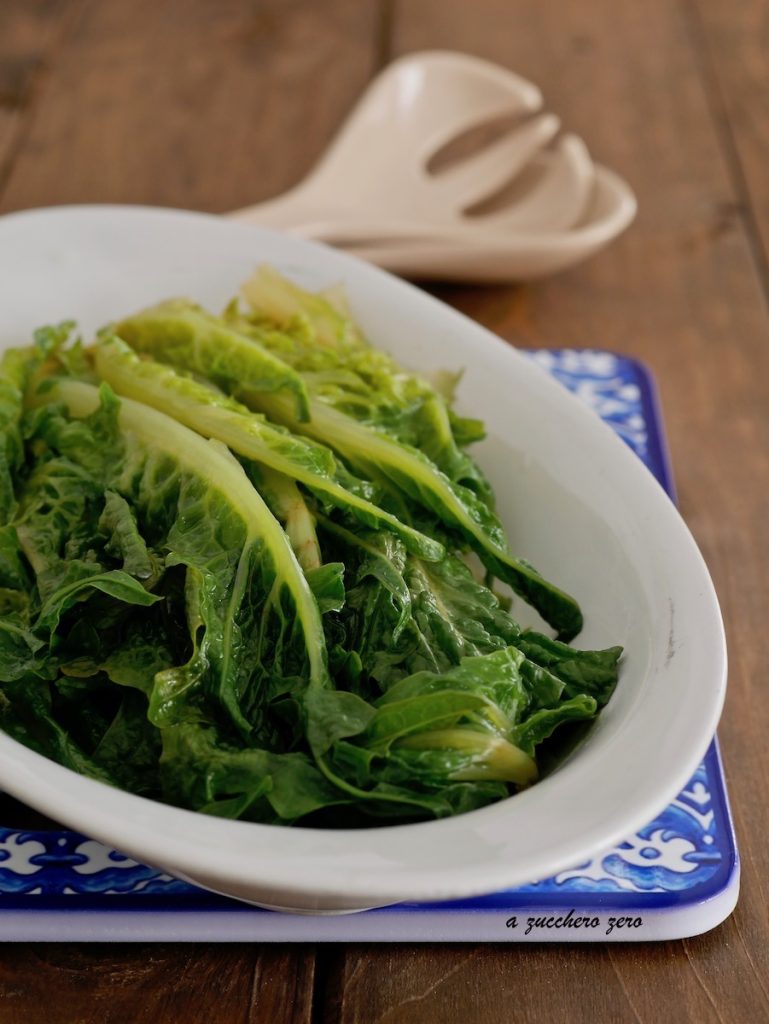
Good hot and steaming – but also cold – boiled Catalonia chicory is an easy and quick side dish to prepare, light and rich in fiber.
It can also be used as an ingredient for soups, creams, and broths.
- Difficulty: Easy
- Cost: Cheap
- Preparation time: 10 Minutes
- Portions: 2 People
- Cooking methods: Boiling
- Cuisine: Italian
Ingredients
- 1 head chicory (Catalonia or field chicory)
- as needed water
- 1 pinch salt
- 1 pinch baking soda
Suggested Tools
- Knife
- Cutting Board
Preparation
Clean the chicory and wash it thoroughly, removing any soil residues.
Catalonia chicory is usually less dirty with soil or sand than wild chicory.
Cut the base of the head and remove the damaged outer leaves.
If the chicory is very dirty:
– Fill the sink with water;
– Immerse the leaves and shake them well;
– Empty the dirty water and repeat if necessary.If the chicory is already quite clean, just rinse it under running water.
Transfer it to a colander and let it drain.
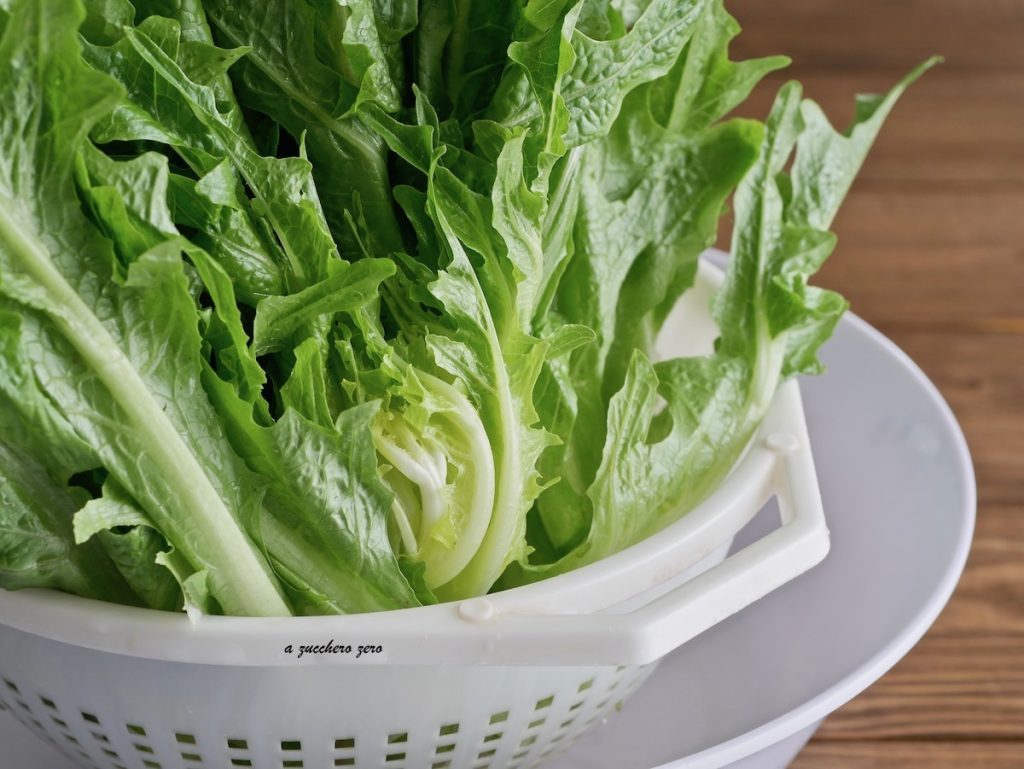
You can leave the leaves whole, cut them in half or into more parts.
When boiling, use as little water as possible to best preserve its beneficial properties.
In a pot, bring salted water to a boil.
Add the chicory and a pinch of baking soda to keep it a bright green color and cook for 10-15 minutes until the stalks are tender and to the desired consistency.
Using a slotted spoon, gently remove the chicory and transfer it to a container.
Your boiled Catalonia chicory is ready.
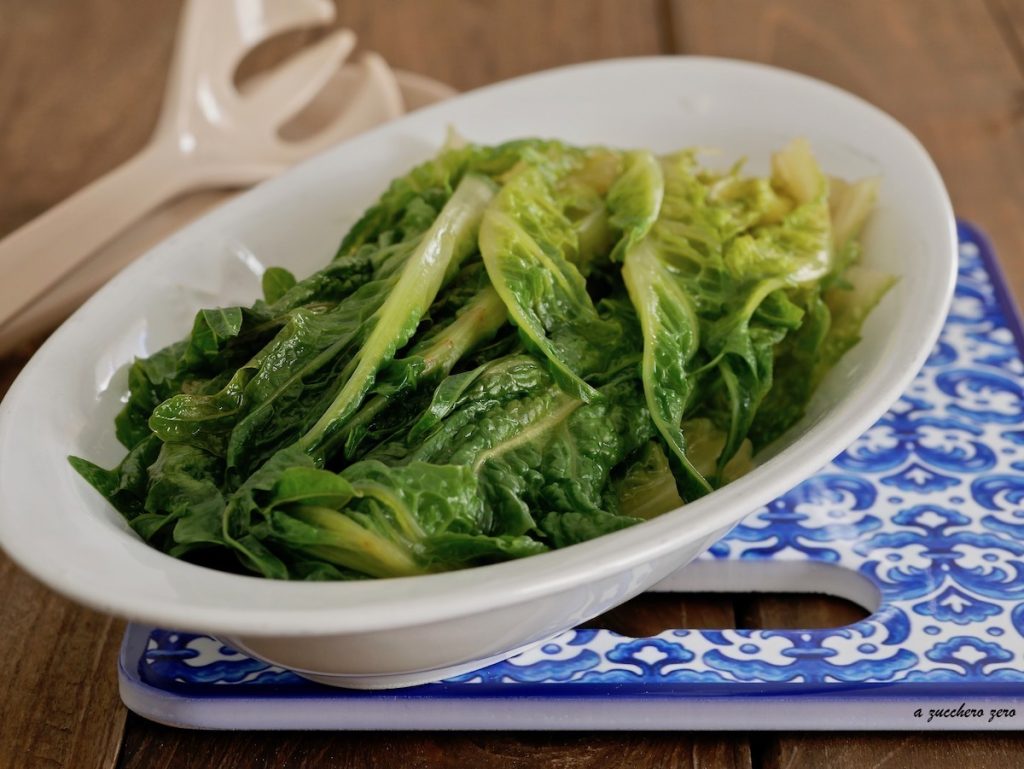
Season with a pinch of salt and drizzle with extra virgin olive oil.
You can add vinegar or lemon juice.You can sauté it with garlic and chili pepper.
It’s also excellent cold as a salad.
For the preparation of:
– Appetizers, first courses, second courses;
– Salads;
– Soups, creams, and broths.If you have difficulty digesting raw lettuce [bloating, intestinal disorders, stomach ache], also try:
– Boiled or steamed lettuce;
– Cooked iceberg lettuce.Cooked iceberg lettuce
– Wash and cut the leaves into pieces;
– Bring two fingers of water to a boil with a pinch of salt;
– Add the iceberg lettuce and simmer until wilted, more or less crunchy as desired.
Plate with its cooking water and a drizzle of raw oil.
Consume immediately as it tends to darken.
Storage, Tips, and Variations
If there is leftover, don’t discard the cooking water of the chicory.
You can use it:
– As a base for soups and broths;
– As vegetable broth;
– To cook pasta or rice.
It should be used immediately.
Boiled Catalonia chicory can be stored in the refrigerator in an airtight container for 1-2 days.
FAQ (Frequently Asked Questions)
About Wild Chicory
Wild chicory or field chicory is an edible wild herb with digestive and diuretic properties.
It features thin, jagged, and rather consistent leaves.
The taste is decidedly bitter.
It is consumed almost exclusively cooked, for example boiled and/or then sautéed in a pan.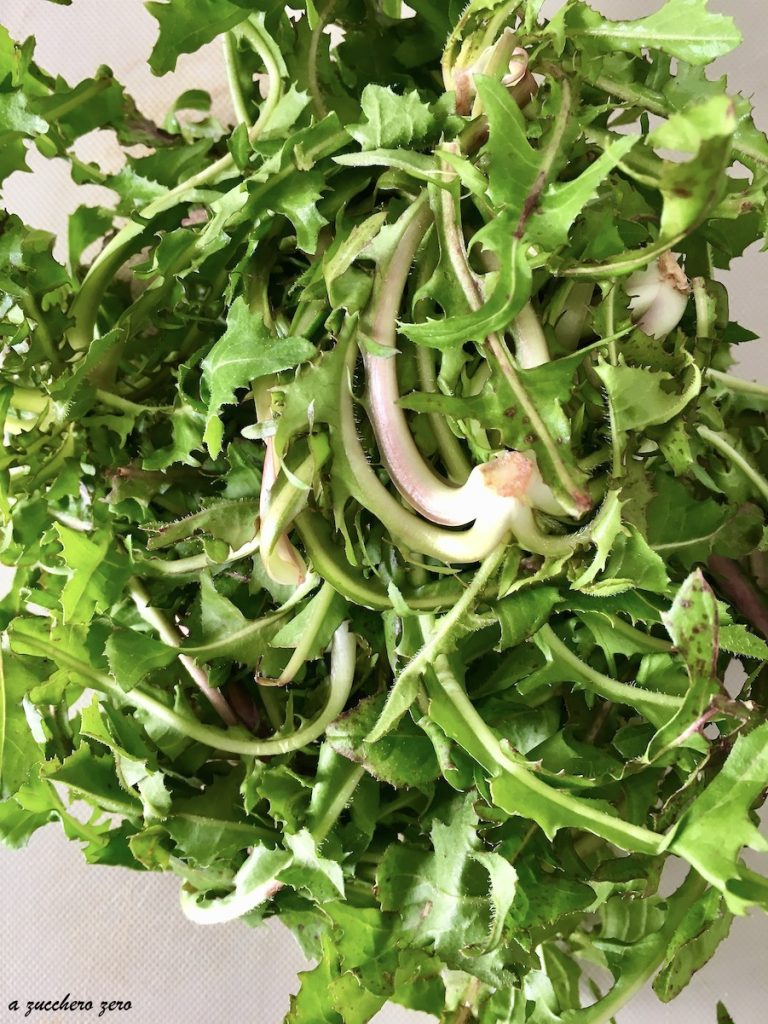
About Catalonia Chicory
Catalonia chicory or field chicory, also known as asparagus chicory, is one of the most cultivated and consumed varieties in Italy.
It features an upright head, well-developed white stalks, and broad, fleshy green leaves or narrow and jagged.
The taste is slightly bitter, less bitter, and more delicate than wild chicory, similar to lettuce.
It is consumed cooked and/or raw depending on the variety.Differences Between Catalonia Chicory and Puntarelle
Catalonia chicory or asparagus chicory is the whole head.
It is generally consumed cooked.
Puntarelle are the internal, tender shoots at the center of Catalonia chicory.
They have a crunchy texture and a slightly bitter but fresh taste.
They are generally consumed raw, often paired with anchovies, garlic, and extra virgin olive oil.