Freezing squid ink in tomato sauce is an alternative to freezing the entire ink sac [or bladder] or just its contents.
The frozen ink sac tends to form crystals: freezing changes its consistency, and thawed squid ink may appear grainy.
With the method my mom uses, the squid ink extracted from the ink sac at the time of cleaning the squid is added to the tomato sauce and preserved perfectly in the freezer.
Why freeze squid ink?
In coastal areas, it’s normal to stock up on squid during the fishing season.
This way, you can save all the ink and store it without waste.
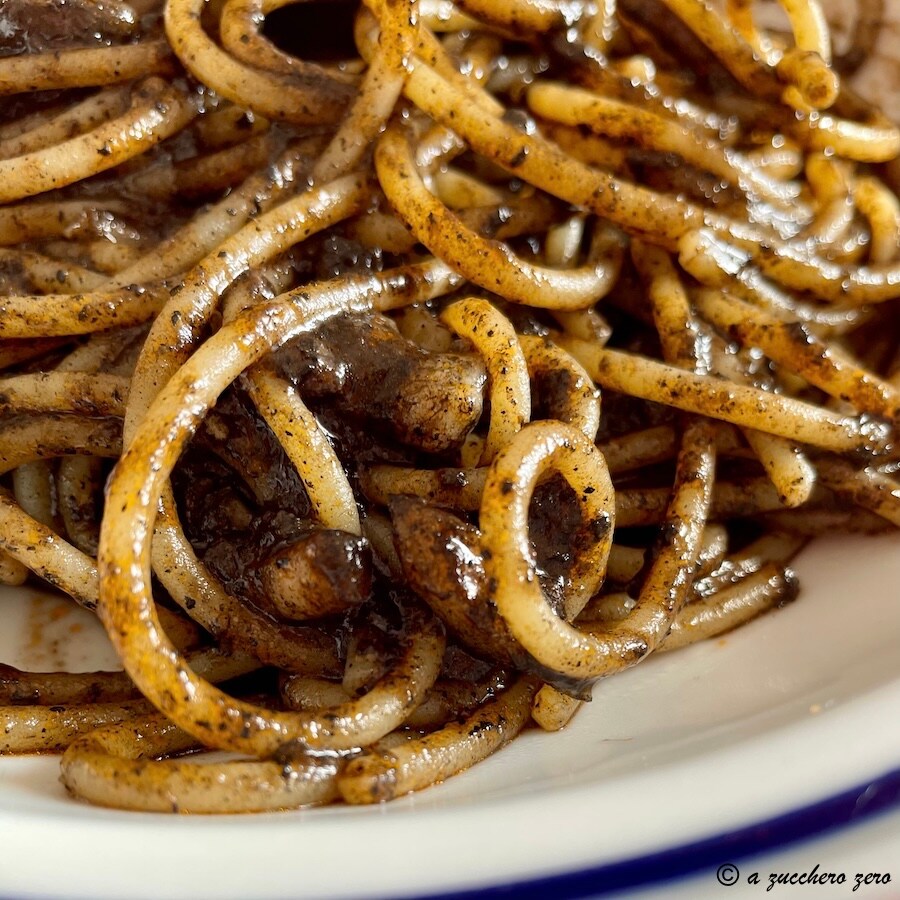
- Difficulty: Medium
- Cost: Medium
- Preparation time: 20 Minutes
- Portions: 2People
- Cuisine: Italian
Ingredients
When purchasing squid, note that the female squid has less ink than the male, but compensates with eggs.
- 2 squid (with ink sacs)
- 300 g tomato sauce (homemade)
- squid (weight according to dietary plan)
- 1 pinch garlic powder
- 1 small glass white wine
- 1 pinch salt
- 1 pinch mixed peppercorns (with grinder)
Suggested Tools
- Knife
- Cutting Board
- 1 Pan with preferably glass lid
Preparation
Consider 2 ink sacs [therefore 2 squids] for 300 ml of tomato sauce for 2 portions of squid ink sauce.
Prepare plenty of tomato sauce.
For a detailed step-by-step procedure, you can read the full recipe by clicking on the following link: homemade tomato sauce without sugar or oil in cooking.Alternatively, use a tomato puree.
Canned tomatoes, purees, and ready-made sauces often contain added sugars and other ingredients that can contribute to increased blood sugar levels, so always read the label.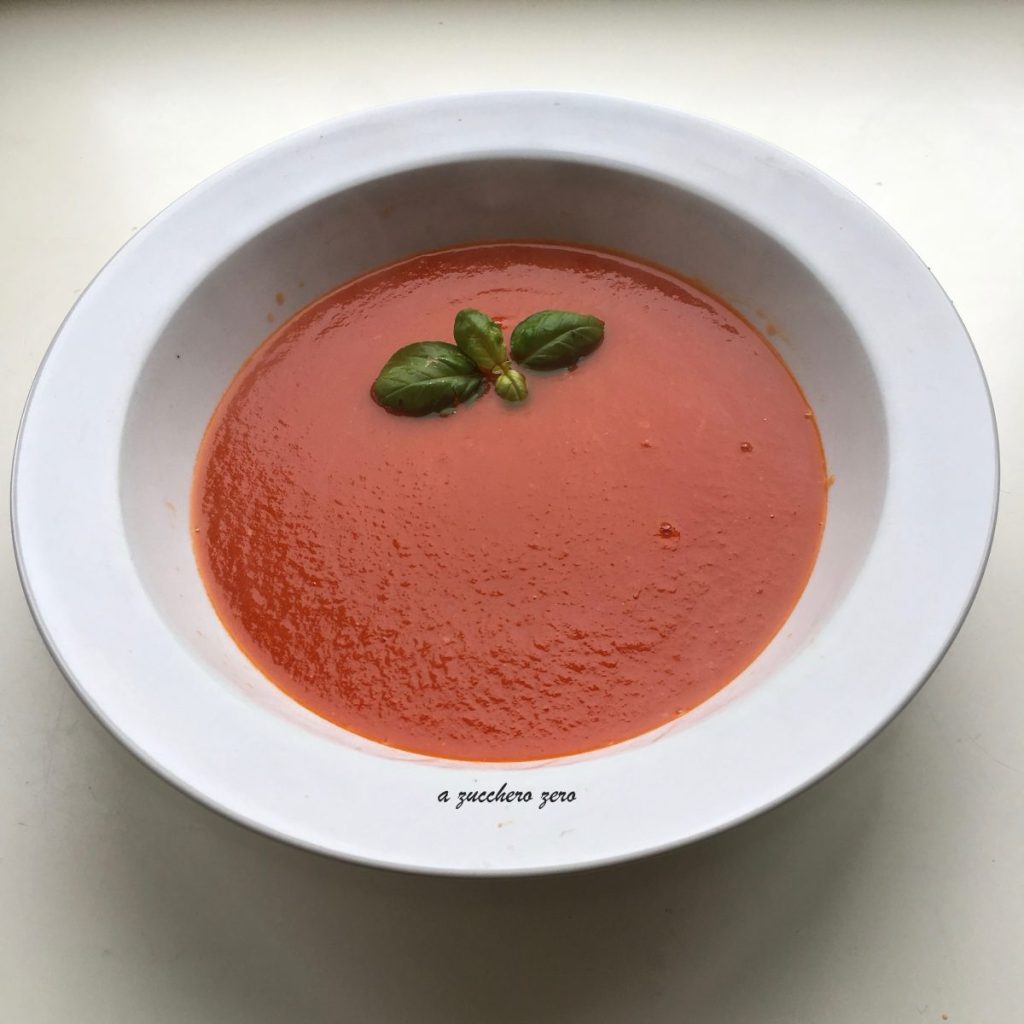
On YouTube, you can find a very clear video on cleaning squid where it is described in detail how to retrieve the ink sac.
In brief
Wash the squid under running water and pat it dry with kitchen paper towels.
Remove the eyes and the beak and extract the bone.
Rinse again.
Proceed with the removal of the innards.
The extraction of the bone has left a part of the mantle open:
– cut the skin that covered the bone, exposing the cavity that covers the innards;
– gently extract the innards by pulling them out or cutting them with a small knife: eggs, squid milk, and ink sac in one block, then separately livers and gills.
Eggs and squid milk are a real delicacy, and livers are edible too.
The gills should be discarded.
Identify the ink sac and separate it gently in one piece to avoid spilling its contents as the walls are very thin and can easily break, so keep a small glass or a bowl handy in case you need to recover its contents.
Skin the squid: note that the skin is edible, so it’s not a necessary operation:
– peel the skin off by pulling it along the mantle from one side to the other.The squid is clean and ready for cooking, whole or portioned.
The ink sac can be stored but not frozen as it tends to form crystals.
Solution
Freeze squid ink directly in the tomato sauce.Pour the tomato sauce into a jar or freezer container.
Gently pinch the ink sac and let its contents fall into the tomato sauce, stir and place in the freezer.Your frozen squid ink in tomato sauce is ready.
Just thaw it before use and complete the preparation with the squid.
Thaw the squid ink and tomato by moving it to the fridge the night before.
The squid can be the ones frozen with the ink or different ones.
Whether fresh or thawed, take the squid out of the fridge at least half an hour before cooking.
Rinse again.
Pat dry with kitchen paper towels.Cut the body and tentacles of the squid into chunks.
In a pan, heat a sprinkle of garlic powder.
Deglaze with a small glass of white wine.
Add the squid, including eggs and squid milk, and brown over high heat.
Add the salt and grind the pepper.
Cook with a lid, preferably glass, over low heat for 2-3 minutes.
Add the squid ink and tomato, bring to a boil and continue cooking over low heat for a few minutes until the sauce thickens adequately.Your squid ink sauce is ready to dress the pasta.
Enjoy your meal!
Note
Naturally, diluting the squid ink in tomato sauce, the color may appear redder and less black, but the flavor remains equally intense. The pasta with squid is a complete dish; add your portion of vegetables to compose a balanced meal or single dish that helps keep blood sugar stable.
Storage, Tips, and Variations
The squid ink and tomato can be stored in the freezer in an airtight container for up to 3 months.
Thaw the squid ink and tomato by moving it to the fridge the night before.
Once thawed, consume within 24 hours.
Versatile for preparing appetizers, first or second courses.
FAQ (Questions and Answers)
Can I freeze just the ink sac?
It’s better not to because freezing changes its consistency.
Why is squid ink grainy?
It was frozen.
The ink sac frozen tends to form crystals: freezing changes its consistency, and thawed squid ink may appear grainy.What are squid milk?
The squid milk are called so because of their milky color.
But what exactly are squid milk?
After researching, I found conflicting opinions:
– some believe they are the female gonads or ovaries and the unfertilized eggs of the female squid;
– some believe they are the sperm sac of the male squid.
I think they correspond to what we call minne or minni re sicci in Sicily, which means breasts found in female squid, confirming the theory of female gonads or ovaries.
In support of this theory, the female has two large nidamental glands plus accessory nidamental glands:
– the nidamental glands, whitish in color, produce the adhesive substance that coats the eggs;
– the nidament is the cluster of eggs joined by the adhesive substance secreted by the nidamental glands;
– the accessory nidamental glands, colorless in young animals, turn intense orange in mature females.
In any case, whether nidamental glands or minne, they are delicacies: white, soft, and delicate.How to distinguish male and female squid?
In theory, by the back:
– the male squid usually has a striped back;
– touching the back of the female squid reveals circles.Thanks to Anna Martano and Rosario Giunta for the following gem:
The male squid has more ink.
The male squid has a larger and wider body than the female and more ink to defend the den.
The female squid has little ink but compensates with eggs.Mollusks and cholesterol
In our dietary plan, calamari and cuttlefish, octopus and squid, are among the foods indicated as “to be consumed occasionally.”
In fact, despite being mollusks with lean meats, they are a source of cholesterol, whose intake should be limited.
Nutritional guidelines recommend a cholesterol dietary intake of less than 300 mg per day, a limit that can drop to 200 mg per day in the presence of hypercholesterolemia and hyperglycemia.
Therefore, cuttlefish does not directly affect blood sugar, but in the case of hyperglycemia, prediabetes, and type 2 diabetes it should be consumed in moderation.