In this article about What It Is and How It’s Made: Pannerone, I will talk about this particular type of cheese typical of the Lodi area, with a truly unique taste.
Don’t miss the FACEBOOK page, my INSTAGRAM account, and the YOUTUBE CHANNEL.
Here you will find links to a tasty recipe with Pannerone:
- Difficulty: Medium
- Cost: Medium
- Rest time: 2 Days 12 Hours
- Preparation time: 6 Hours
- Portions: various
- Cooking methods: No cooking
- Cuisine: Italian Regional
- Region: Lombardy
- Seasonality: All seasons
Ingredients
- to taste milk
Steps
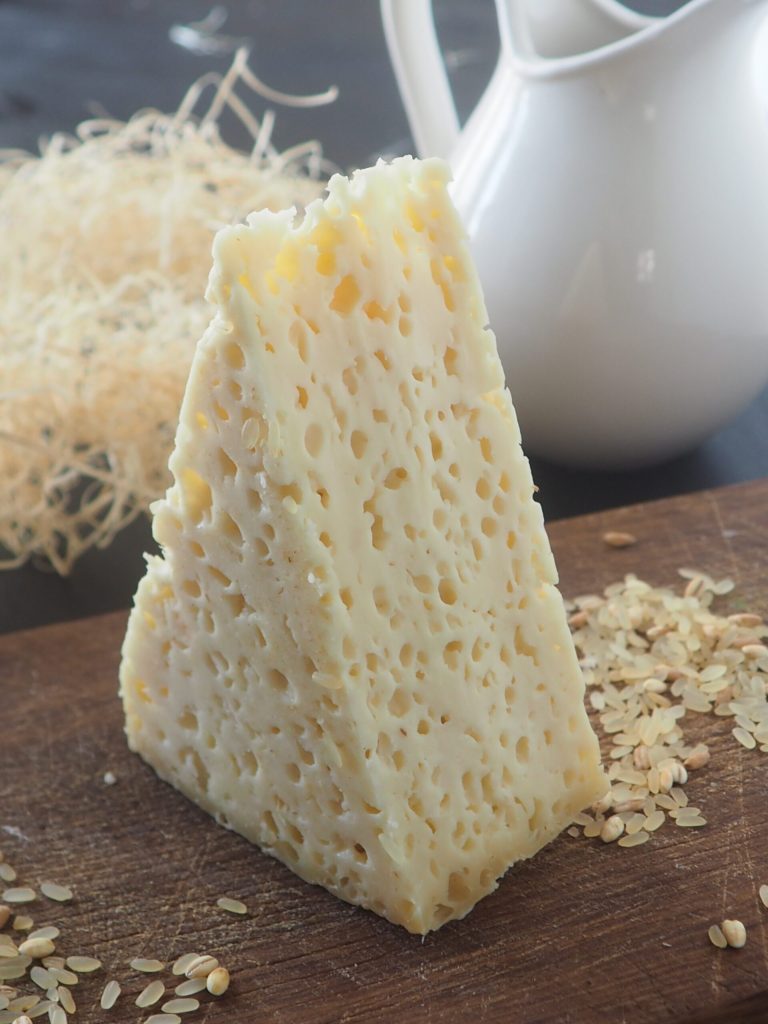
Pannerone or Panerone is a fatty, raw-milk cheese typical of Lombardy and specifically the provinces of Lodi, Pavia, and Cremona. Its name derives from “panéra,” which in the Lodi dialect means cream or milk cream, as this cheese is made exclusively with whole cow’s milk.
Its origins are very ancient, dating back to the Middle Ages when this cheese was created by Benedictine monks.
Its main characteristics are: the absence of salting, the use of large amounts of rennet, and the significantly high maturation temperature.
The preparation process of Pannerone begins with the coagulation of raw milk at about 86-89°F (30-32°C) in about 30 minutes, then the curd is broken up into very small pieces. The curd fragments are gathered with cloths and left to rest so that the whey settles. The curd is reduced again into small pieces, placed in molds for 4-5 days to allow draining. At this point, the cheese can be aged for about two months.
Note that to produce one kilogram (2.2 lbs) of cheese, approximately 10 liters (2.6 gallons) of milk are needed.
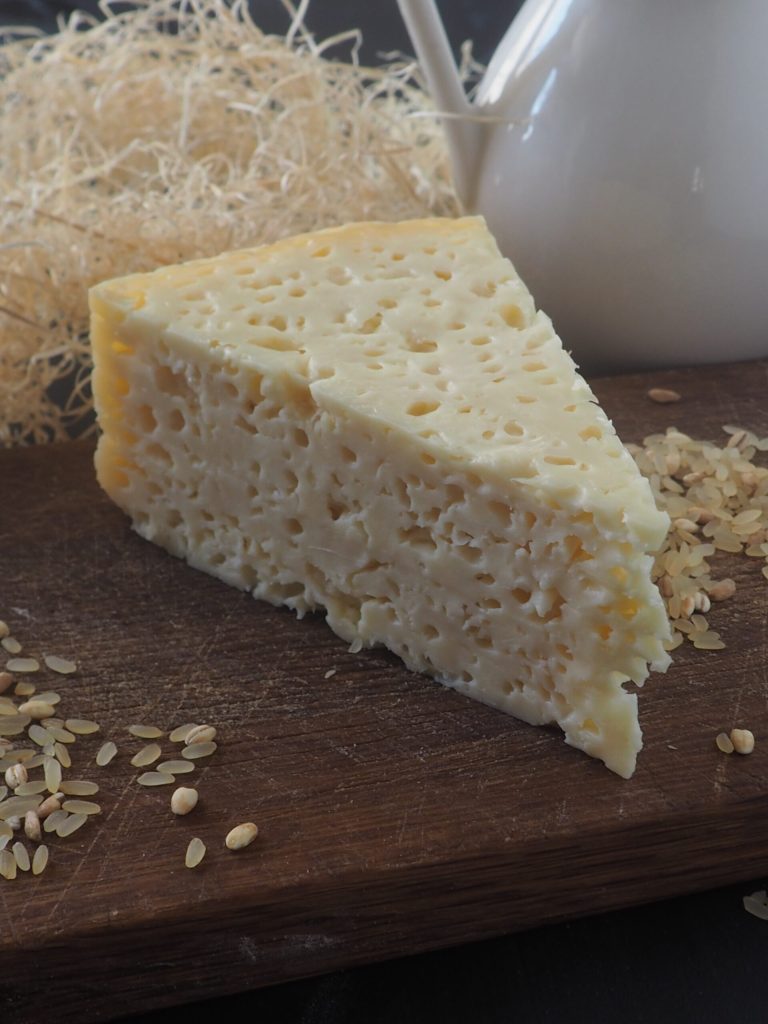
The most striking feature of this cheese is the presence of numerous holes, which, I confess, was the main reason I decided to try it. The technical term for this feature is extensive “occhiatura” with relatively large alveoli. Then comes its smell and taste. The holes make it very light, almost spongy, slightly soft, I really liked its soft texture. As for the smell, I found it pungent, strong, at times reminiscent of Gorgonzola, and definitely persistent. In my opinion, the taste is the most peculiar characteristic: at first, it seems sweet, certainly due to the lack of salt, but once chewed, a bitterness pervades the mouth. Initially, I didn’t find it pleasant, but you just have to get used to such a particular flavor.
Its unique taste makes it versatile: it can be paired with jams, honey, mustard, or risottos with sweet ingredients inside.
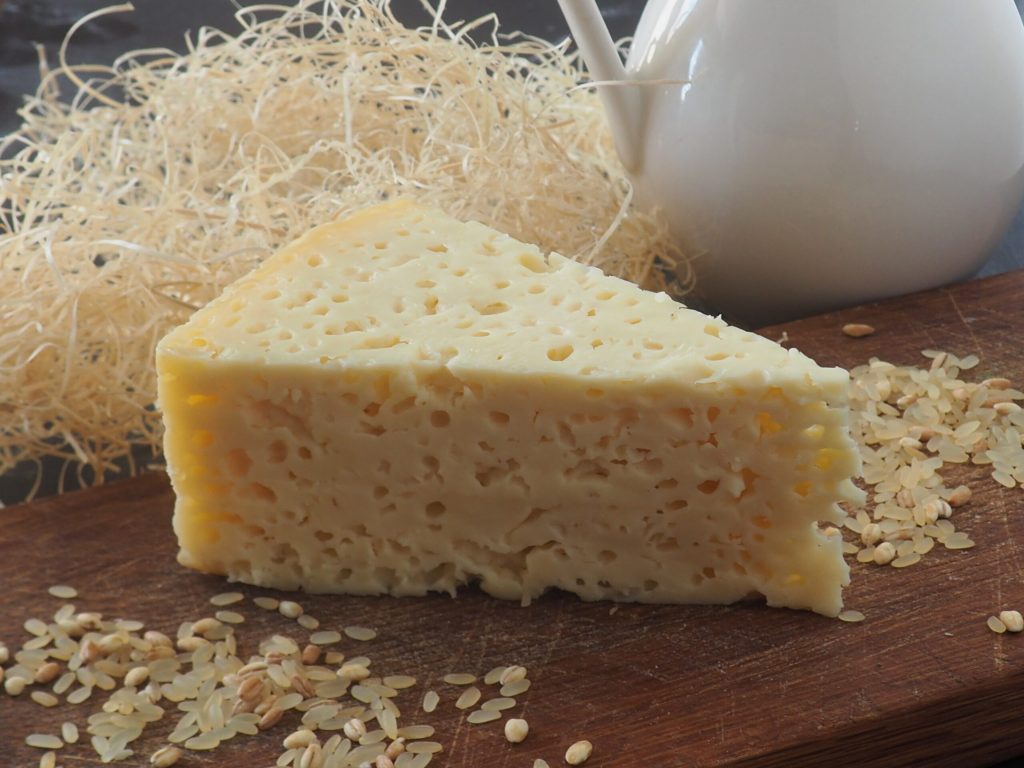
Pannerone di Lodi has been a Slow Food Presidium since 2003.
Suggestions, Tips
You can use this cheese in various recipes, including excellent risottos.
If you liked the article What It Is and How It’s Made: Pannerone, take a look at other topics covered in this column:
What It Is and How It’s Made: Gomasio
What It Is and How It’s Made: The Crusco Pepper
My Social Channels
To not miss any recipe you can also follow me on:
Instagram; Pinterest and the YOUTUBE CHANNEL.
If you want to stay updated on news and the latest recipes, follow my Facebook page.