
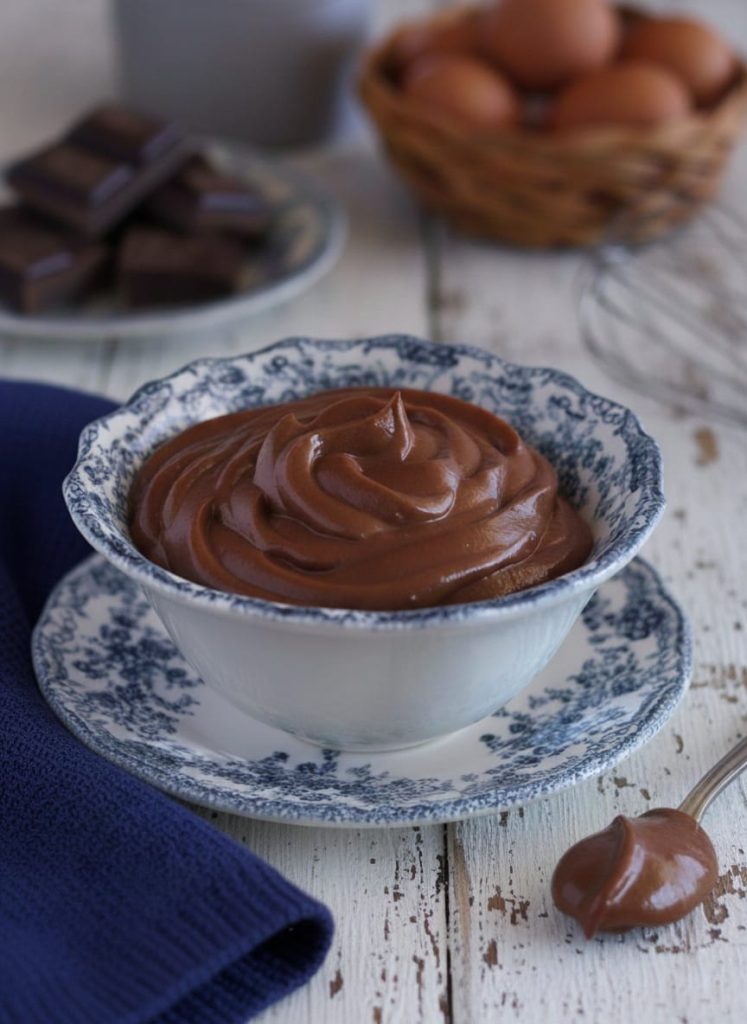
Creamy, enveloping, and irresistibly delicious, the chocolate custard is one of those recipes that appeals to everyone, capable of making any dessert even better. Perfect for filling cakes, tarts, and puffs, but also delicious to enjoy by the spoonful, perhaps accompanied by a bit of fresh whipped cream.
This homemade chocolaty custard is easy to prepare and requires few ingredients, the same as the classic custard, but with the addition of 50% dark chocolate.
A simple recipe, with guaranteed results, but it requires quality ingredients and, especially in the case of eggs, freshness for its excellent outcome.
Now take a minute to read the recipe and then… let’s cook and eat!!
See also
- Cooking methods: Stovetop
- Cuisine: Italian
- Seasonality: All Seasons
Ingredients
- 2 cups milk
- 1 pod vanilla
- 4 egg yolks
- 2/3 cup sugar
- 1 pinch salt
- 1/3 cup cornstarch
- 50% dark chocolate
Tools
- 1 Kitchen Scale
- 1 Bowl
- 1 Sieve
- 1 Whisk
- 1 Saucepan
- 1 Bowl stainless steel
- Food Wrap
- 1 Thermometer kitchen
Steps
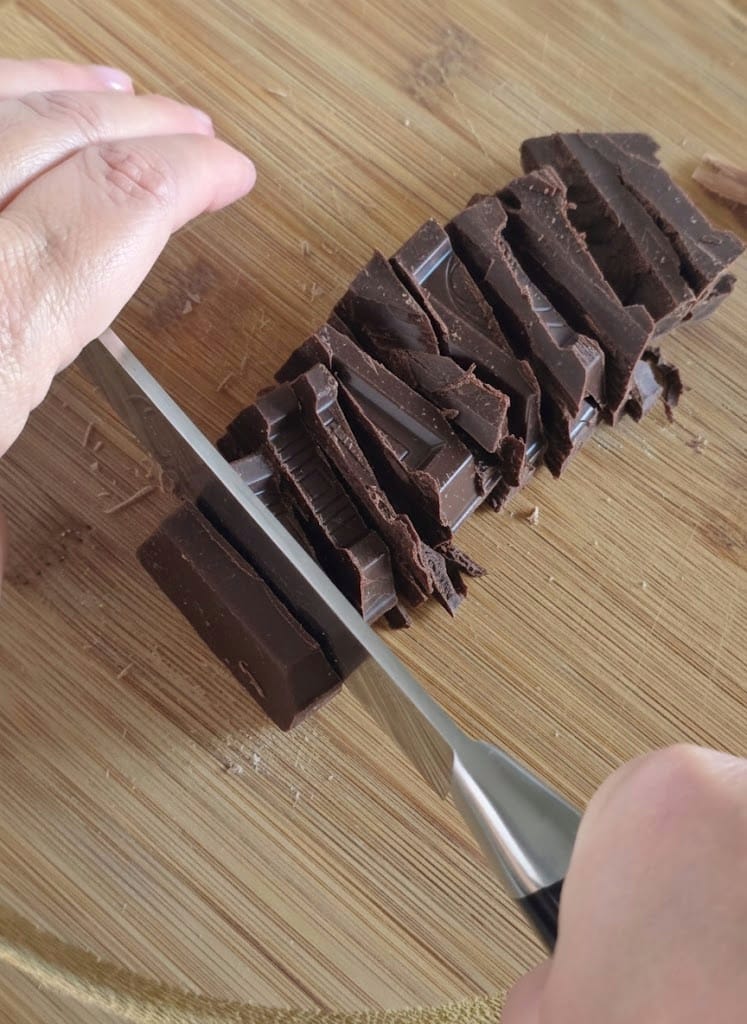
To prepare the chocolate custard, first, chop the dark chocolate with a knife so it’s ready at the right time.
Continue by heating the milk with the seeds and pod of a vanilla bean inside it.
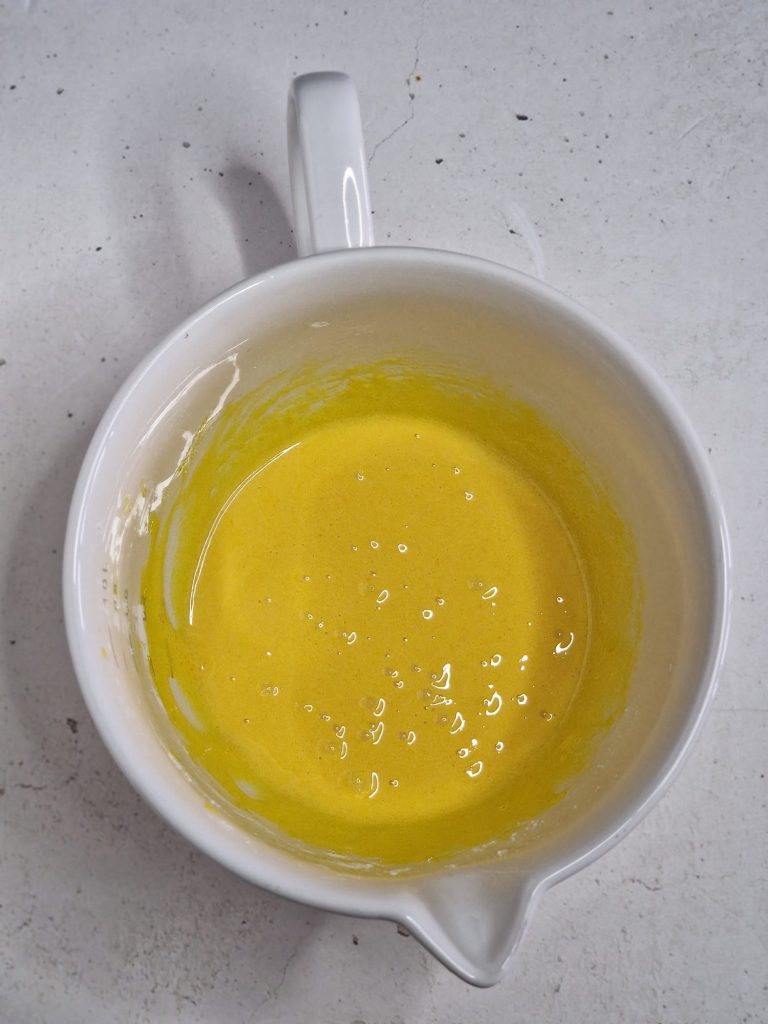
While the milk heats up, in a bowl, combine the egg yolks, sugar, sifted cornstarch, and a pinch of salt.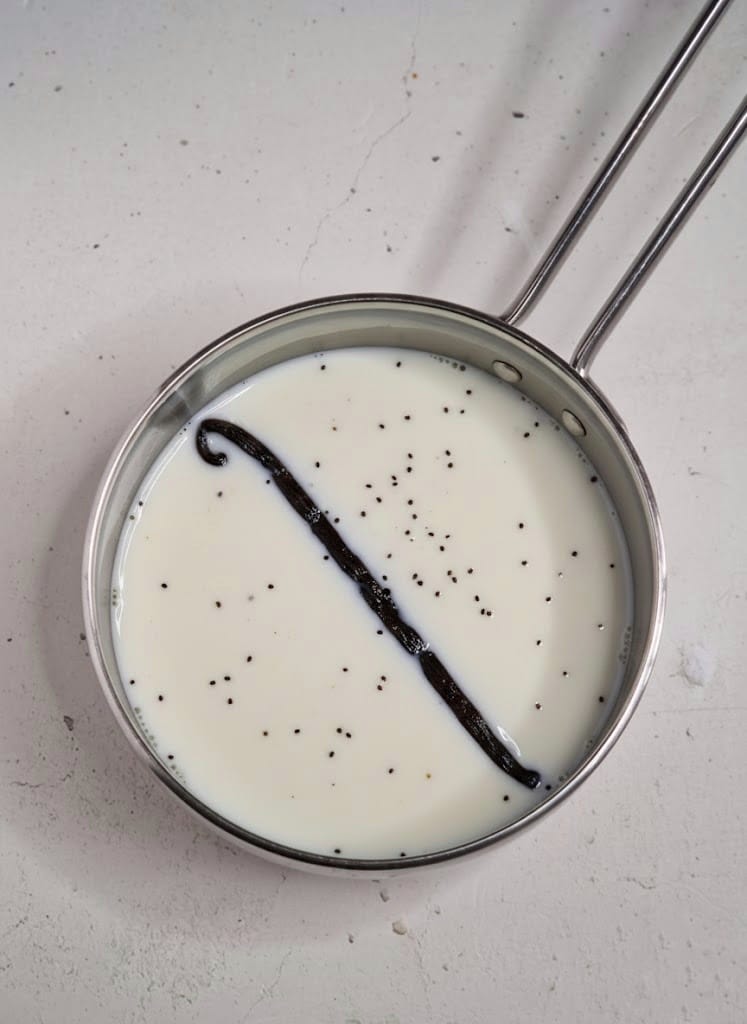
Use a whisk to mix everything, and when the milk is about to boil, add it gradually to the bowl with the eggs, filtering it through a sieve. Once everything is added, mix to obtain a homogeneous mixture and transfer it to a saucepan.
Transfer the saucepan to the stove and thicken it, continuing to stir with the whisk.
When the custard has reached a good consistency, is smooth and glossy, turn off the heat and add the chopped dark chocolate, stirring until completely melted.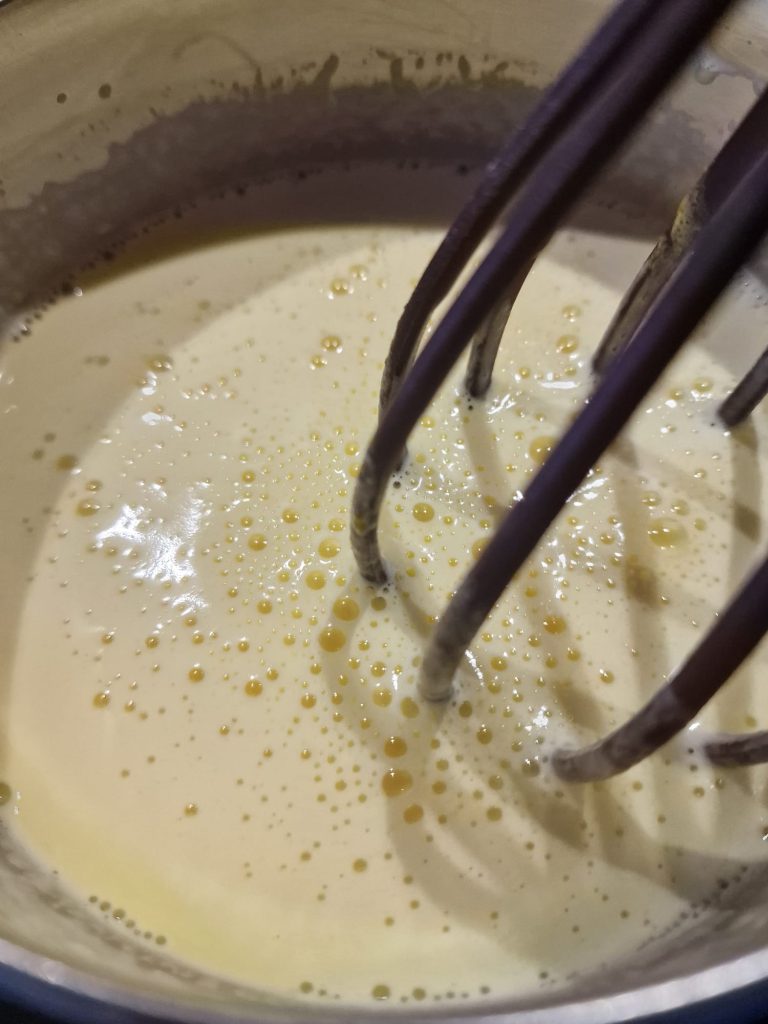
Transfer the chocolate custard to a chilled stainless steel bowl (I place it in the freezer for 15 minutes) and continue to stir quickly with the whisk until the custard reaches 122°F, below the cooking point.
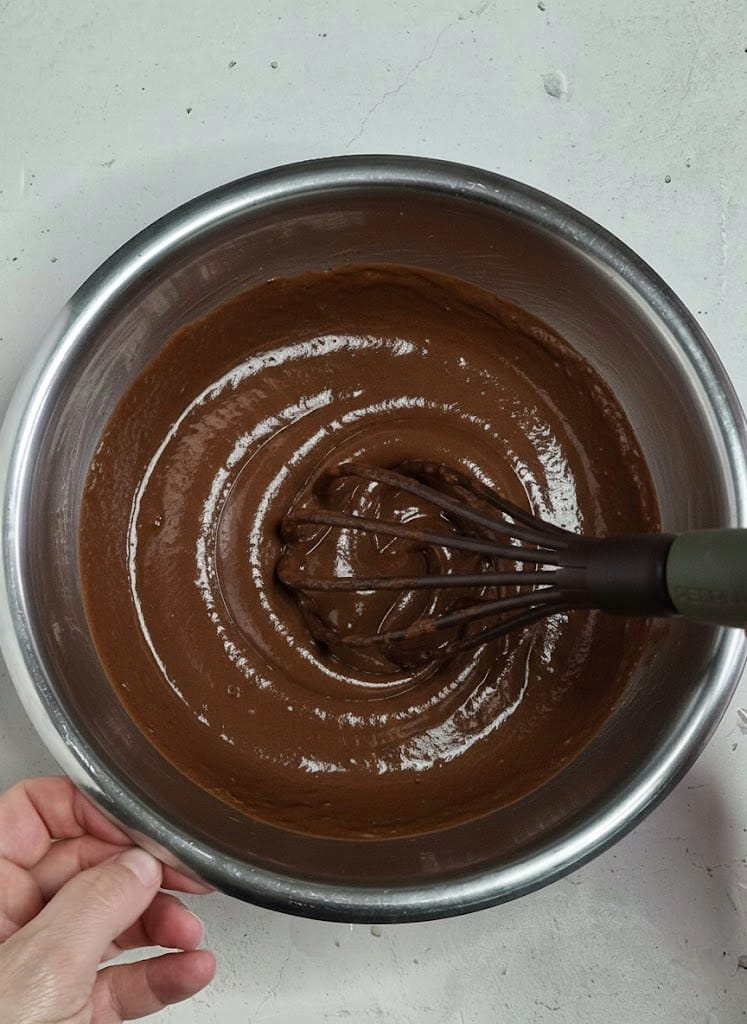
Your chocolate custard is now ready to use; alternatively, transfer it to a bowl, cover it with plastic wrap, and store it in the fridge until use.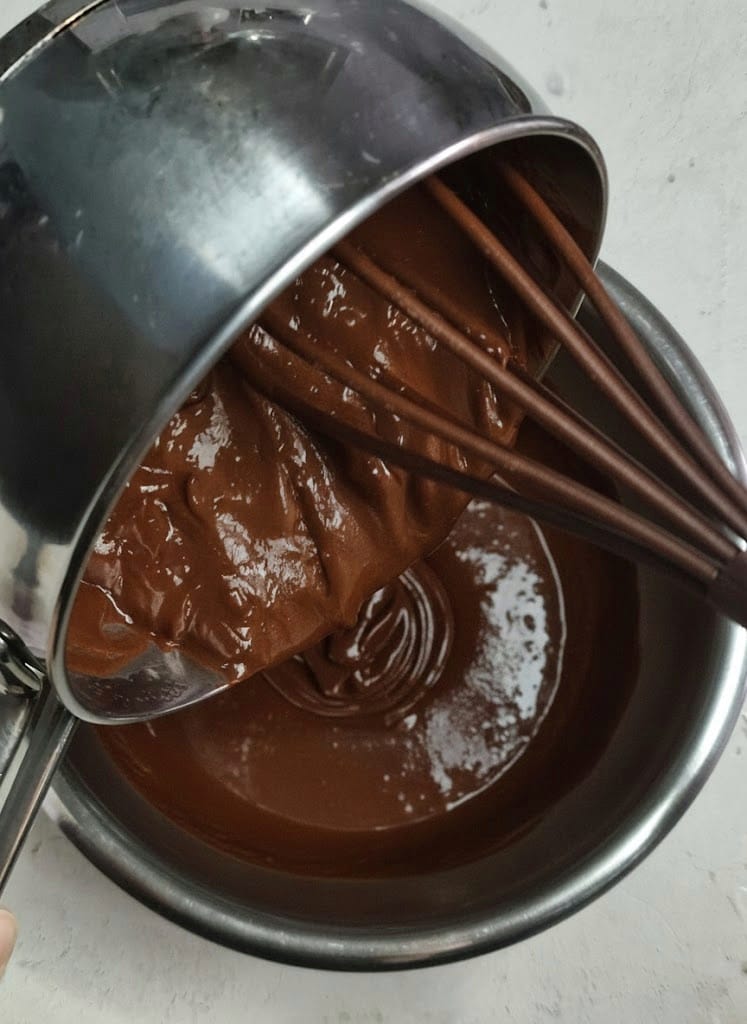
Storage
The custard can be stored in the refrigerator covered with plastic wrap for 2-3 days.
FAQ
Can I use milk chocolate instead of dark?
Yes, but remember that milk chocolate is much sweeter and contains more fat. I recommend slightly reducing the amount of sugar in the original recipe and slightly increasing the chocolate dose to maintain a firm structure.
Why did my custard turn out too liquid?
The main causes can be two: it wasn’t cooked enough (it didn’t reach the thickening point of the starch) or the chocolate wasn’t incorporated correctly. Make sure the custard coats the spoon before removing it from the heat and that the chocolate is well dissolved inside.
When should I add the chocolate: at the beginning or the end?
The chocolate should be added off the heat, as soon as the custard is ready. The residual heat of the custard will be enough to melt it perfectly without risking burning it or altering the texture.
The custard became too stiff, almost rubbery. What did I do wrong?
You probably used too much starch or cooked it excessively after boiling. You can remedy this by passing it through a sieve and adding a tablespoon of warm milk, stirring vigorously with a whisk.
The custard has lumps, how can I fix it?
No panic! If you notice lumps, pass the custard through a fine-mesh sieve while it’s still warm, or use an immersion blender for a few seconds: it will become perfectly smooth again.
Can I use flour instead of cornstarch?
Yes, but I don’t recommend it as the custard will tend to change its consistency. Cornstarch or rice starch makes the custard shinier and silkier, while flour tends to make it more opaque and slightly heavier on the palate.
I taste a strong egg flavor, why is that?
This often happens if the eggs aren’t very fresh or if the custard has cooked too long. A trick is to add a pinch of salt and increase the aroma (vanilla or lemon zest) to balance the flavor.
Can I freeze custard?
I don’t recommend it. Once defrosted, the structure of starches breaks down, and the custard tends to become grainy and releases water. It’s always best to consume it fresh within 3-4 days (stored in the fridge).
If I don’t have vanilla bean, what can I use to flavor the milk for the custard?
If you don’t have a vanilla bean, or simply don’t prefer it, you can flavor the milk with untreated orange zest.
