
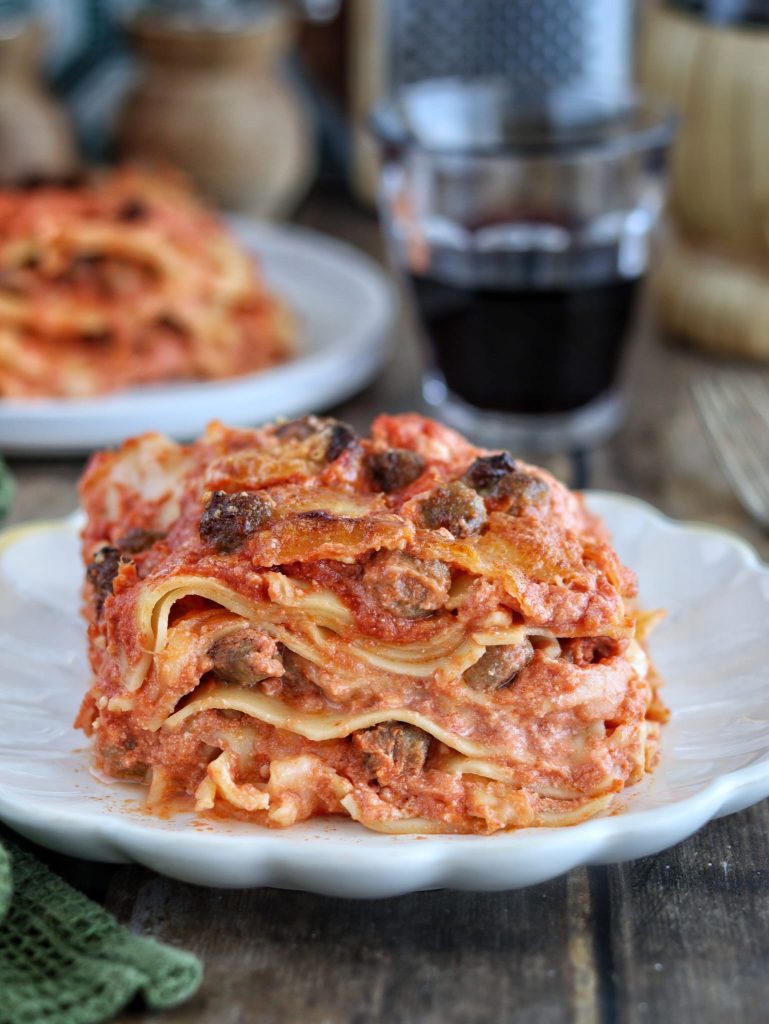
The Neapolitan lasagna is much more than just a main course: it is a symbol of Neapolitan gastronomic tradition, a triumph of abundance, aromas, and conviviality.
Along with Neapolitan ragù, ziti alla genovese, and fusilli with ricotta and tomato, it is the undisputed protagonist of family Sunday lunches but, above all, it is essential during the Carnival period, especially Mardi Gras, which precedes the start of Lent.
Rich, sumptuous, and opulent, Neapolitan lasagna differs from Bolognese lasagna in terms of ingredients and textures.
Every family guards its version, passed down from generation to generation, with small variations that make each baking dish unique and special. Some use classic egg pasta sheets, others use curly semolina lasagna, some prefer to season it with classic Neapolitan ragù, others with a simple tomato sauce, and some add sliced salami and boiled eggs to the filling while others do not.
What should absolutely not be missing are: the provola (but fior di latte or mozzarella will also do), the ricotta which, when worked with the hot sauce, transforms into a cream that makes the whole preparation soft and delicious, and finally the fried meatballs.
The version I propose today is the one my mom has always made and that I continue to offer to my family, namely a lasagna prepared with a simple tomato sauce scented with basil, cow ricotta, fior di latte, Parmesan, and fried meatballs… almost a light version😅 but equally good.
Now take a minute to read the recipe and then…let’s cook and eat!!
See also
- Difficulty: Very easy
- Cost: Medium
- Preparation time: 1 Hour
- Portions: 6
- Cooking methods: Boiling, Frying, Oven
- Cuisine: Italian
Ingredients
- to taste extra virgin olive oil
- 6 cups tomato sauce
- to taste fine salt
- to taste basil (fresh)
- 7 oz ground pork
- 7 oz ground beef
- 3.5 oz stale bread (only the crumb)
- 1 egg (large)
- 2 tbsps grated Parmesan
- to taste salt
- to taste ground black pepper (ground)
- to taste chopped parsley (optional)
- 10.5 oz egg lasagna (or curly dry lasagna)
- 17.5 oz cow ricotta
- 24.5 oz fior di latte
- 5.5 oz grated Parmesan
Tools
- 1 Pan
- 1 Skillet
- 2 Bowls
- 1 Baking Tray 8×12
Steps
Neapolitan lasagna is not exactly a quick recipe to make, but it’s not difficult at all, and just organizing the various preparations properly will speed up the execution.
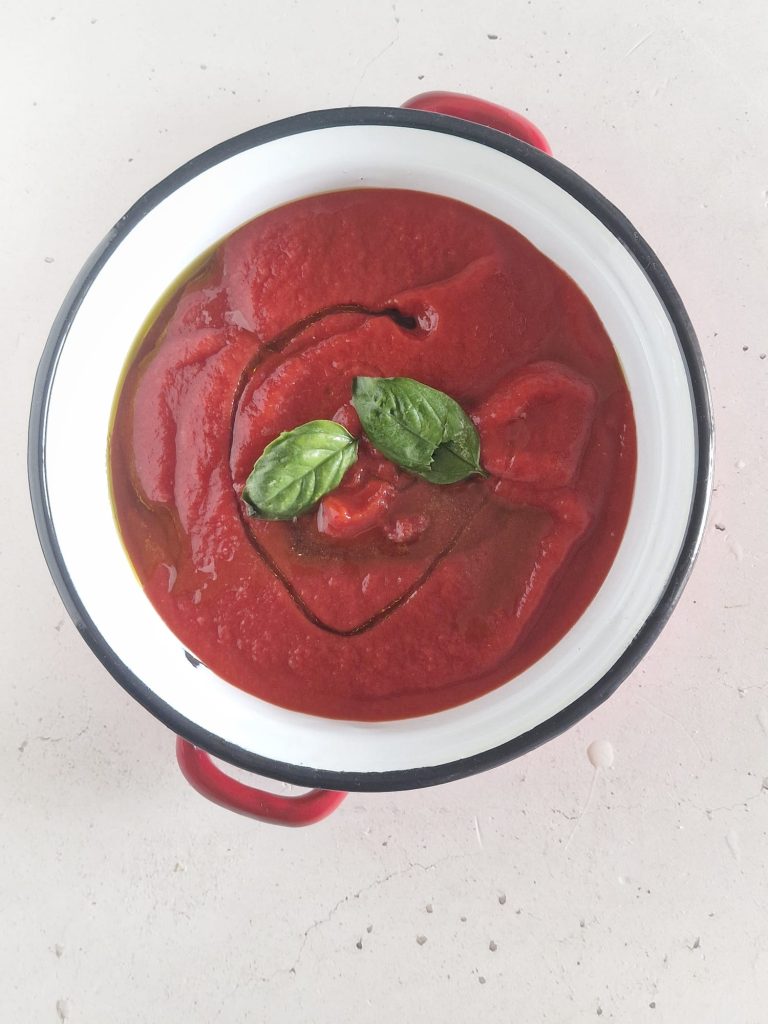
First, prepare the tomato sauce so that during its cooking you can focus on preparing the meatballs.
In a pan, heat a base of extra virgin olive oil, then add the tomato sauce, salt, and a few basil leaves for aroma.
Cover with a lid and let it cook over medium-low heat for 40 minutes, stirring occasionally.
While the sauce is cooking, start preparing the meatballs.
In a bowl, combine the two types of ground meat, the soaked and well-squeezed crumb (in milk or water), the egg, salt, pepper, Parmesan, and fresh chopped parsley.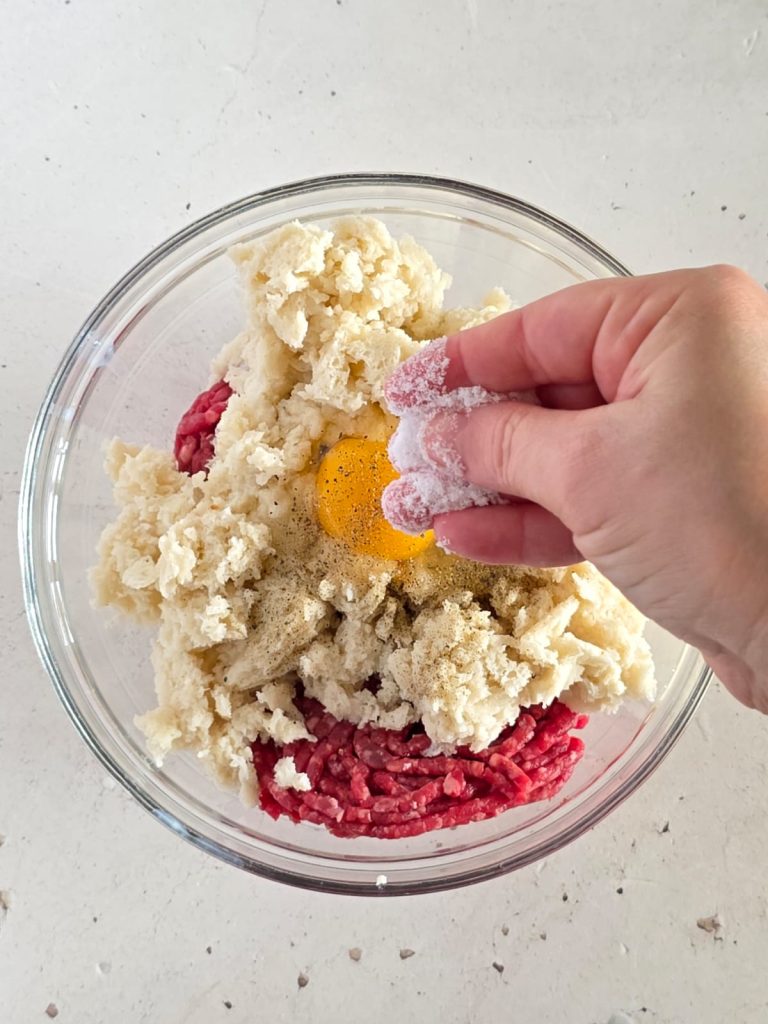
Knead all the ingredients to get a homogeneous mixture and form meatballs about 1 inch in diameter. Fry the meatballs in peanut oil until golden. It will only take a few minutes given the small size of the meatballs.
Once ready, use a skimmer to transfer them to a draining dish.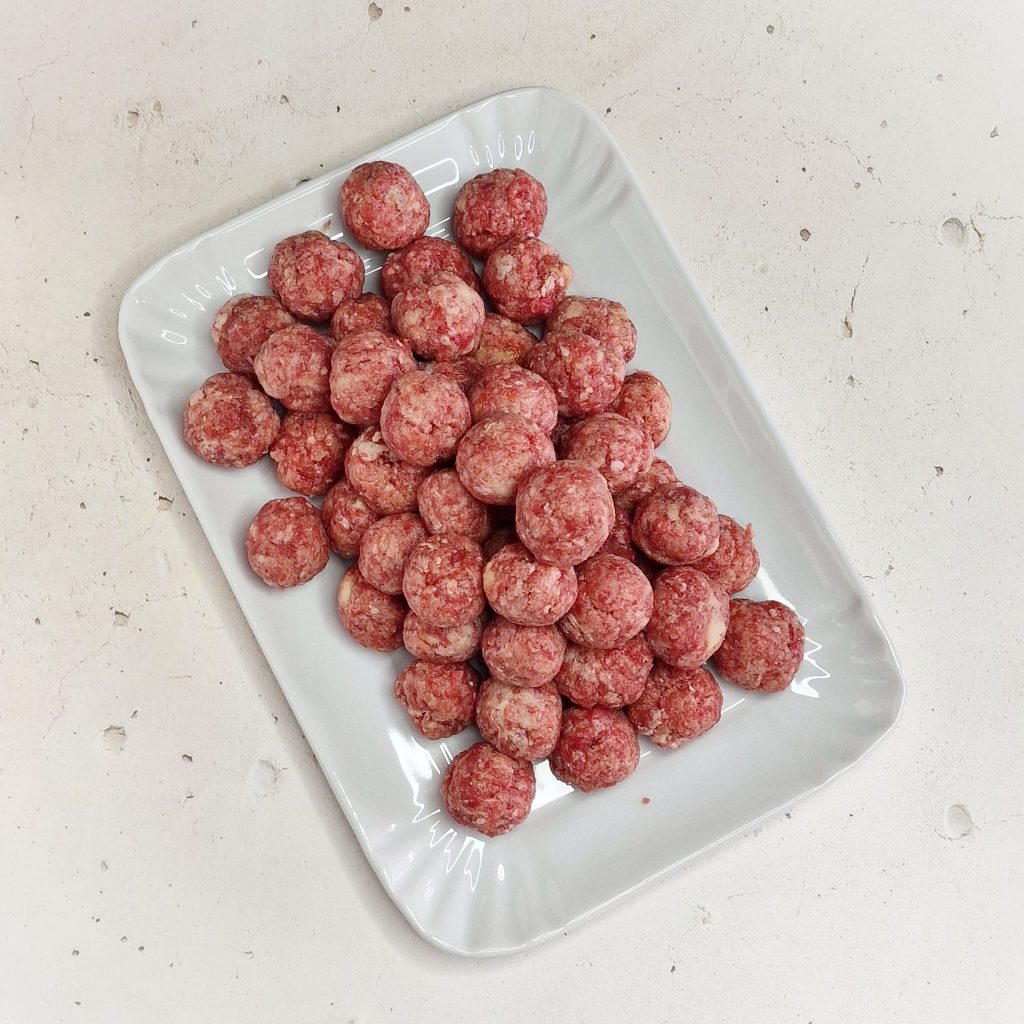
As soon as the sauce is ready, transfer half of it to a bowl along with the well-drained ricotta and mix the two ingredients until you get a smooth cream.
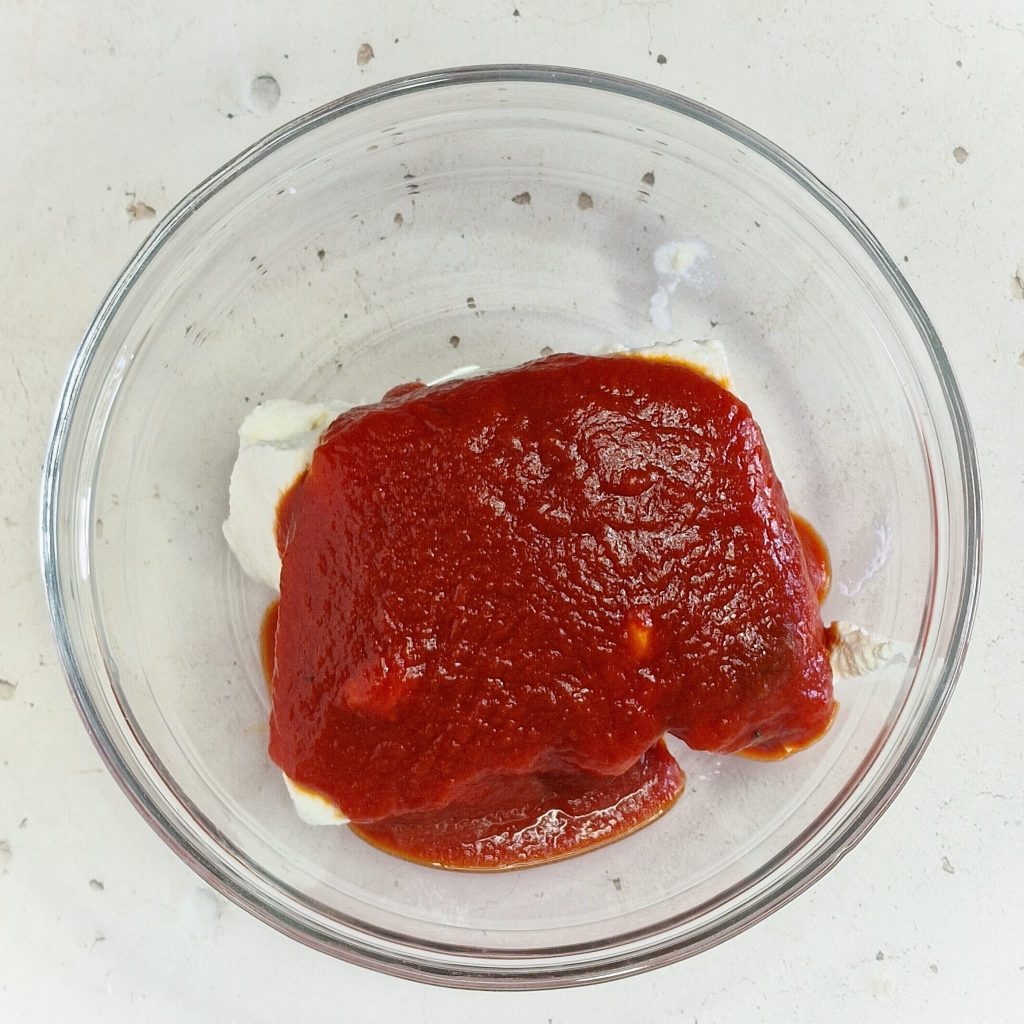
At this point, proceed with assembling the Neapolitan lasagna.
Pour a ladle of sauce on the bottom of the baking dish and lay a first layer of pasta over it. Then proceed in layers, adding first the ricotta cream, followed by the mozzarella cut into pieces, and then the meatballs.
Ensure all ingredients are well distributed over the entire surface of the pasta.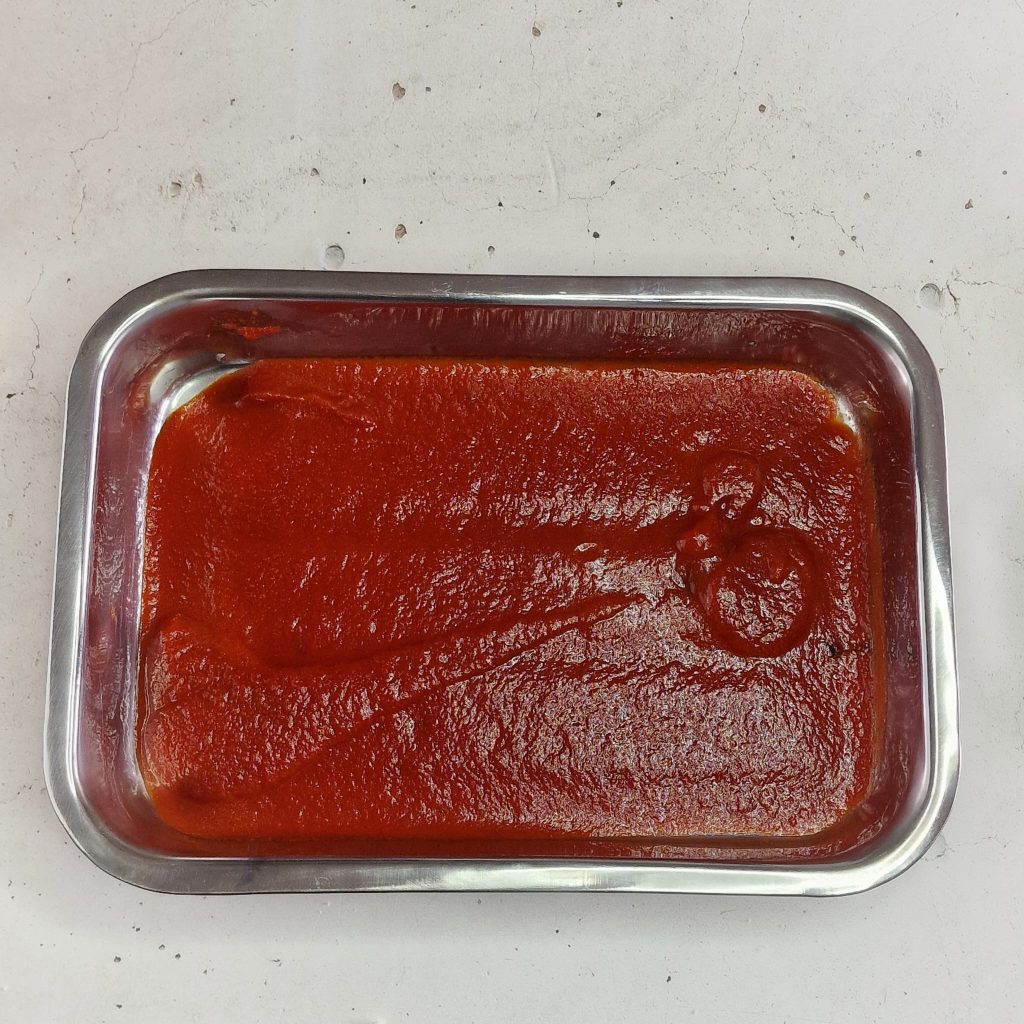
Then add some more tomato sauce and a sprinkling of grated cheese. Continue layering the various ingredients until you reach the top edge of the baking dish.
Many people finish Neapolitan lasagna with a layer of sauce and a sprinkling of cheese, but often this layer tends to dry out quickly and, in some cases, burn.
To avoid this,
I prefer to finish the lasagna with a layer of tomato sauce, cheese, mozzarella, and a few meatballs. Even visually, the lasagna, once out of the oven, will look significantly better.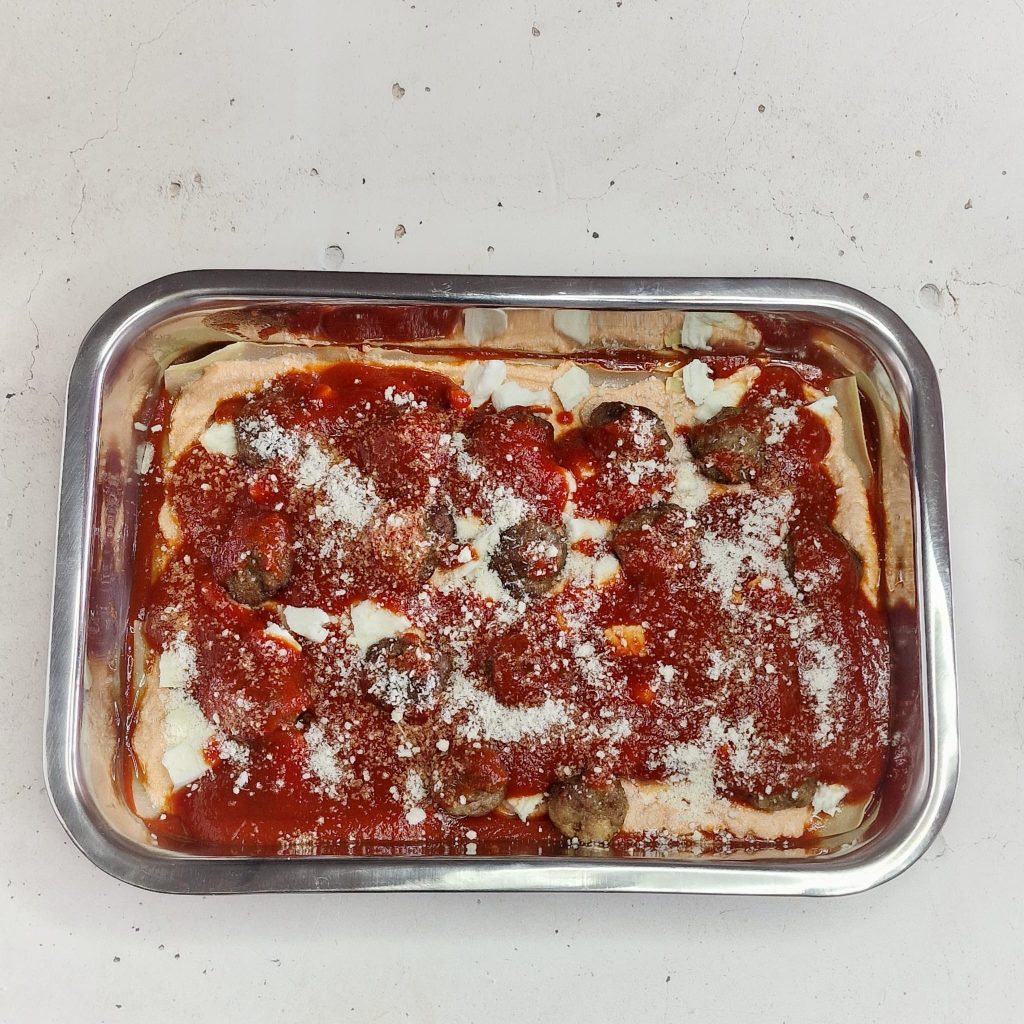
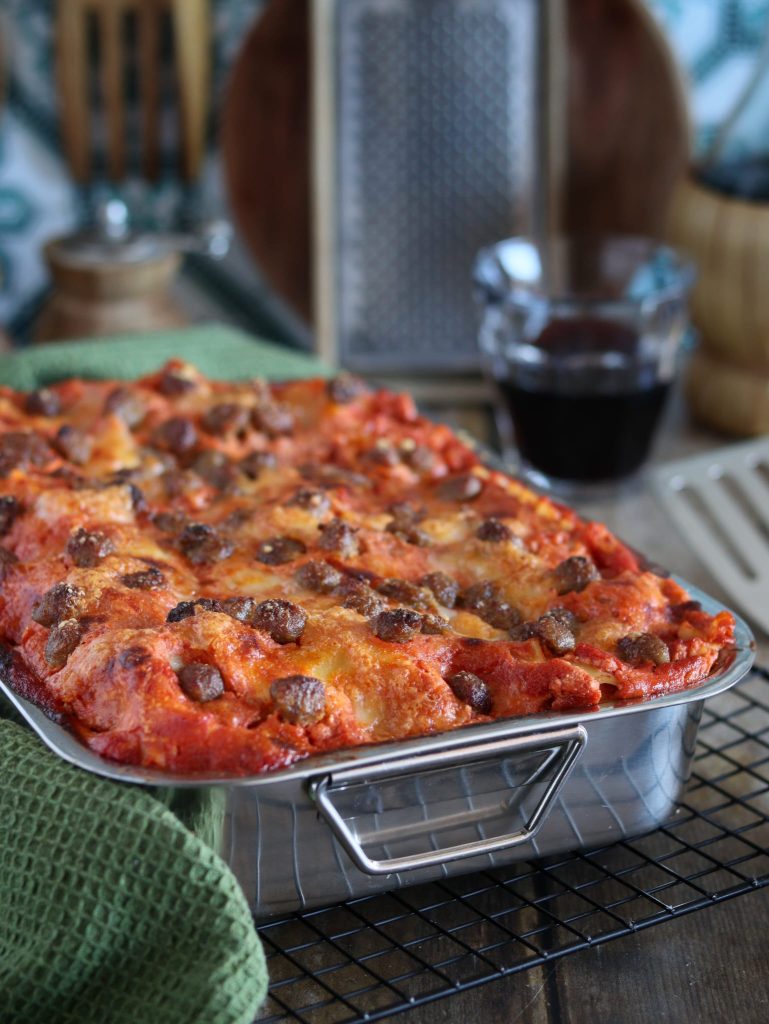
Bake the Neapolitan lasagna in a preheated static oven at 392°F for 25 minutes, then turn on the grill and cook for 5 minutes or until a crispy crust forms on the surface.
Once ready, let the lasagna settle for 15-20 minutes before slicing and serving 😉.
FAQ
Can I make Neapolitan lasagna in advance?
Yes, in fact, it is recommended! You can prepare it the day before, store it in the refrigerator well covered, and cook it the next day. Alternatively, you can cook it in advance and reheat it: resting helps the flavors blend better.
Can I use dry pasta instead of fresh?
Yes, you can use dry lasagna. However, make sure the ragù is soft and abundant so the pasta will cook perfectly in the oven without being dry.
What is the difference between Neapolitan lasagna and Bolognese lasagna?
Neapolitan lasagna is richer and more “sumptuous”: in addition to the ragù, it includes fried meatballs, ricotta, provola, salami, and boiled eggs. The Bolognese version is simpler and includes ragù, béchamel, and Parmesan.
Can I skip the meatballs?
Yes, but know that they are one of the distinctive elements of the traditional recipe. If you want to lighten the dish, you can reduce the amount or bake them instead of frying.
If you still like the presence of ground meat, you can also decide to use a Bolognese ragù to season the lasagna.What type of cheese is best to use?
Tradition calls for well-drained cow ricotta and smoked provola. If you prefer a more delicate flavor, you can use well-dried fior di latte.
Why is my lasagna too watery?
Generally, about 35-45 minutes at 356°F in a static oven. The last 5 minutes you can activate the grill to get a golden crust on top.
How do I prevent the lasagna from falling apart when cutting?
The secret is resting. Once baked, the lasagna should never be cut immediately: it should rest for at least 20-30 minutes. This allows the liquids to be reabsorbed and the cheeses to set slightly, ensuring a perfect, layered slice.
Should the pasta be blanched first, or can I put it in raw?
For Neapolitan lasagna made with dry semolina pasta, it is necessary to blanch it for 2-3 minutes in boiling salted water with a bit of oil (which will help the pasta not stick during cooking). If you use fresh egg pasta, you can skip this step.
